

Introduction
Sugar-free ketchup has become a popular choice for people who want to reduce the amount of added sugar in their diet without giving up the flavor of a classic condiment. Two names that often come up are Mutti and Biona. Rather than ranking them, this guide explains what "sugar-free" can mean on a ketchup label, how sweeteners differ, what to check in the ingredient list and nutrition table, and how to decide which product fits your needs.
What Sugar-Free Ketchup Is
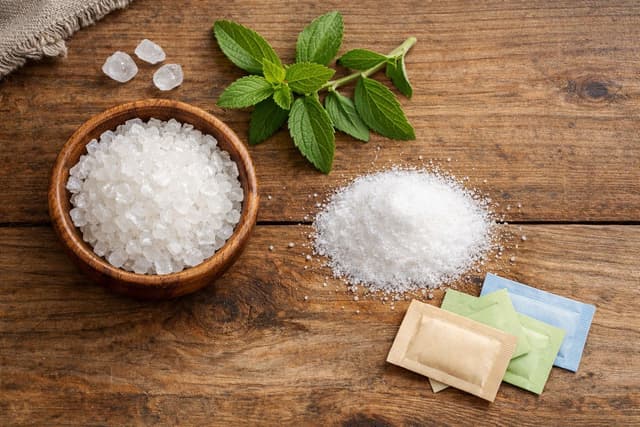
A classic ketchup is made from tomato, vinegar, spices and a fair amount of added sugar. In a sugar-free version the added sugar is left out or replaced. Some products use sweeteners such as stevia or polyols like erythritol, others use sweeter ingredients such as maple syrup or fruit-based sweeteners, and some simply rely on the natural sweetness of the tomato. Recipes vary between brands and product lines and change over time, so the label of the exact bottle is the only reliable guide.

How to Compare the Labels
Instead of relying on a brand name, compare the two bottles you are considering on these points:
- Sweeteners: which ones are used (none, polyols, stevia, syrups) and where they appear in the ingredient list.
- Sugars per 100 g: even without added sugar, tomatoes and some sweeteners contribute sugars.
- Energy per 100 g: compare it on the same basis.
- Salt or sodium: ketchup can be a source of salt, so compare it if you are watching your intake.
- Tomato content and other ingredients: a short list is easier to read.
If you are interested in how foods affect blood sugar, read Low Glycemic Diet: 5 Practical Tips to Stabilize Blood Sugar.
Ingredients and Raw Material Quality
The ingredient list tells you most of what you need to know. Look at the tomato content, the type of onion, spices and acidity regulator used, and whether the product contains thickeners, preservatives or flavorings. Organic labelling, where present, refers to how the ingredients are grown and does not by itself say anything about sugar or salt content.

Salt deserves a look in both products, because it helps preservation and flavor. Anyone who needs to limit salt, for example because of high blood pressure, should compare the sodium or salt on the labels and talk to a doctor or dietitian. See 5 Common Mistakes When Reading Food Labels and How to Avoid Them.
Sweeteners: Things to Keep in Mind
- Stevia and polyols: they add sweetness with little or no sugar. Some people notice a different aftertaste, and polyols can cause digestive discomfort in some people when eaten in larger amounts.
- Syrups such as maple syrup: they are a more traditional ingredient but are still sugars, so the product is not sugar-free in the strict sense.
- Natural tomato sugars: always present in some amount, so a "no added sugar" claim does not mean zero sugars.
If you manage diabetes or follow a specific diet such as a low-carbohydrate one, check the carbohydrate and sugar figures on the exact product and ask your doctor or dietitian what suits you.
Which to Choose: A Practical Guide
There is no single best choice. Some ways to decide:
- If you want the lowest sugars and energy, compare the sugars and energy per 100 g and look at products with no added sugar and a short ingredient list.
- If you prefer a more traditional taste, look at products sweetened with natural ingredients and check how many sugars they contain.
- If you cook with it for children or the whole family, taste matters: try a small bottle first.
- If price matters, compare the price per kilogram, and consider a homemade version with tomato passata and spices.
Pairing Ideas
- Hamburger: grill an unsalted beef patty and serve it with lettuce, cherry tomatoes and a tablespoon of ketchup.
- Quinoa salad: mix cooked quinoa, cucumbers, feta and sun-dried tomatoes, and dress with olive oil and a little ketchup.
- Baked potatoes: cut new potatoes into cubes, season with ketchup, paprika and spices, and bake at 200 °C for 30 minutes.
Frequently Asked Questions
What does sugar-free ketchup mean?
It usually means no sugar has been added, but the tomatoes still contain natural sugars and some products use other sweeteners instead. Read the ingredient list and the sugars line in the nutrition table.
Is sugar-free ketchup lower in calories?
Often it is, but not always. Compare the energy and the sugars per 100 g of the specific products, since sweeteners and other ingredients differ.
How do I choose between two sugar-free ketchups?
Compare the sweeteners used, the sugars and salt per 100 g, the ingredient list and the flavor you prefer. If you follow a specific diet or have a health condition, ask your doctor or dietitian.
Conclusion
Mutti and Biona represent two ways of approaching the same category, and there is no ranking here. The right choice depends on the sweeteners you prefer, the sugars and salt on the label, the ingredient list and your own taste and budget. Read the label of the exact bottle, compare per 100 g, and remember that even foods marketed as healthier are best eaten in moderation as part of a balanced diet.
🔍 FoodReveal helps you decode nutritional labels beyond the marketing. Available for Android and iOS.