

The Greek yogurt aisle has become a battleground for health-conscious consumers, with two brands consistently standing out: Siggi\'s and Fage. Both boast high protein content and minimal ingredients, but their approaches to yogurt-making differ in ways that matter. Did you know that Siggi\'s Icelandic skyr requires twice as much milk as traditional Greek yogurt to produce? This subtle difference hints at broader distinctions in texture, nutrition, and philosophical approach to food. As the Greek yogurt market now accounts for over half of all yogurt sales in the US—a far cry from its 1% share in 2007—choosing between these titans requires more than a casual glance at protein counts. Let’s unravel the science, history, and culinary applications that define these dairy powerhouses.
What Is Siggi’s and What Is Fage?
Siggi’s, founded by Icelandic native Siggurdur Eiriksson, brings a Nordic tradition to American shelves. Skyr (pronounced "skeer") has been a staple in Iceland for centuries, made by straining milk through a cloth to remove whey. This labor-intensive process concentrates the protein and thickens the texture, resulting in what Siggi’s calls "Icelandic yogurt." Unlike many Greek yogurts, Siggi’s uses minimal ingredients—often just milk and live cultures—with no added sugars or thickeners. The brand emphasizes its lower sugar content, a key selling point in an era where the average American consumes 27 pounds of added sugar annually through dairy products alone.
Fage, on the other hand, is a Greek institution. The company has produced yogurt in Cyprus since 1926 and became a household name in the US following its 1998 introduction of Fage Total. Traditional Greek yogurt is also strained, but the process differs: Greek yogurt typically removes more whey than skyr production, creating a thicker, creamier texture. Fage offers a wider range of products, from nonfat to whole milk varieties, and includes options with live active cultures as well as flavored and sweetened versions. Its versatility has made it a favorite among chefs and home cooks alike.
Detailed Nutritional Comparison
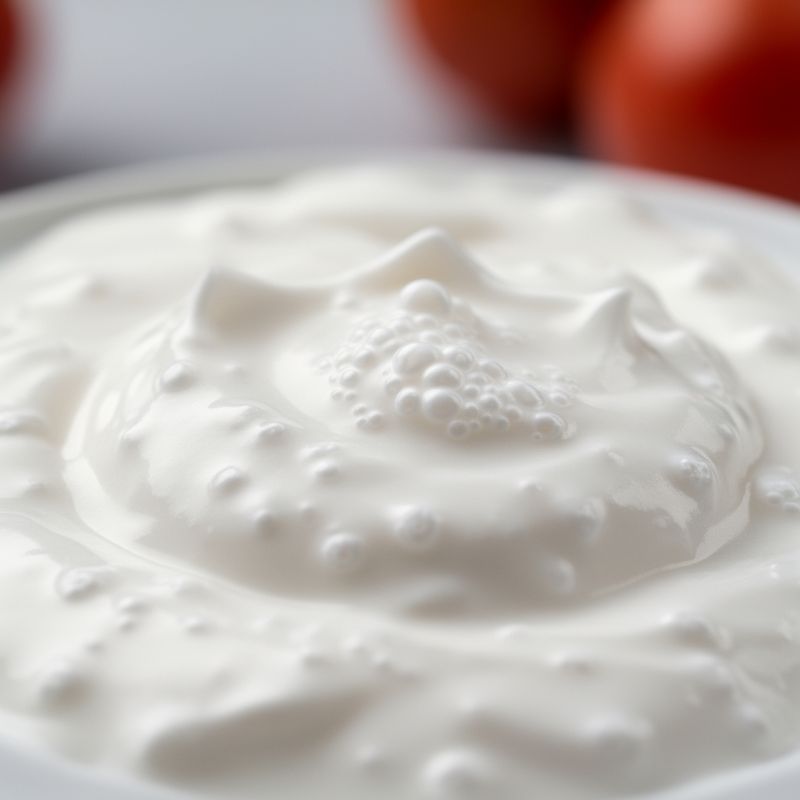
When comparing Siggi’s and Fage, the nutritional profiles reveal both similarities and key differences. Below is a detailed breakdown of their plain, nonfat varieties:
| Nutrient | Siggi’s Nonfat Skyr (6 oz / 170g) | Fage Total Nonfat Greek Yogurt (6 oz / 170g) |
|---|---|---|
| Calories | 100 | 110 |
| Protein | 18g | 18g |
| Fat | 0g | 0g |
| Carbohydrates | 8g | 12g |
| Sugars | 3g | 9g |
| Calcium | 15% DV | 20% DV |
| Probiotics | Lactobacillus bulgaricus, Streptococcus thermophilus | Lactobacillus bulgaricus, Streptococcus thermophilus |
| Added Sugar | 0g | 0g (plain variety) |
Siggi’s lower carbohydrate and sugar content make it a standout for those monitoring blood sugar or following low-carb diets. Its strained process removes more whey, concentrating protein while reducing lactose—a boon for individuals with mild lactose intolerance. Fage, while slightly higher in sugar and carbs, offers more calcium per serving and a texture that many find more spreadable. Both contain live cultures, though neither specifies the quantity of probiotics, a limitation common in the industry.
Ingredients and Quality Analysis
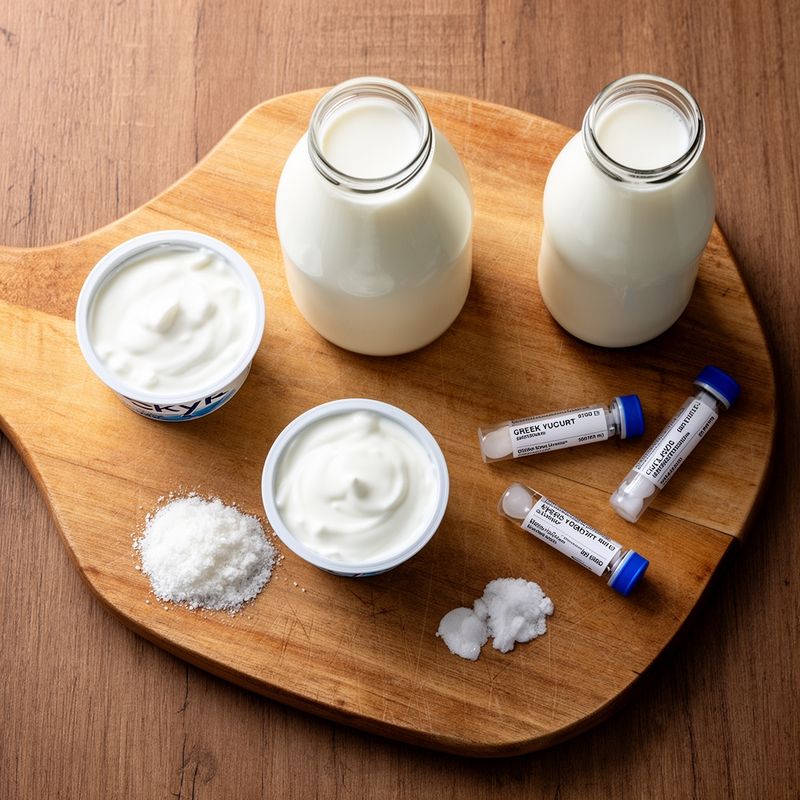
A look at the ingredient labels tells a story of divergent philosophies. Siggi’s nonfat skyr contains just two ingredients: milk and live active cultures. This simplicity aligns with the brand’s mission to combat the "overly sweetened and processed foods that dominate our shelves," as stated by founder Eiriksson. The absence of gellan gum, xanthan gum, or other thickeners means Siggi’s relies entirely on its straining process for texture, which may appeal to clean-label enthusiasts.
Fage Total’s ingredient list is similarly sparse: milk, live active cultures, and nonfat milk solids (added to enhance texture in some varieties). While the plain version contains no added sugars, flavored Fage products often include sweeteners like honey or sucrose. The brand’s use of nonfat milk solids—a common practice in Greek yogurt production—helps achieve its signature creaminess without adding fat. However, some critics argue this processing step moves Fage slightly away from the "whole food" ethos that Siggi’s champions.
Benefits and Potential Downsides
Siggi’s Benefits:
- Lower Glycemic Impact: With 3g of sugar per serving vs. Fage’s 9g, Siggi’s is better for blood sugar management.
- Higher Protein Density: Though both have 18g protein, Siggi’s achieves this with fewer carbs, making it ideal for high-protein, low-carb diets.
- Clean Label: No additives or thickeners, appealing to ingredient-conscious consumers.
Siggi’s Downsides:
- Dryer Texture: The extensive straining process can make it seem less creamy to some palates.
- Price: Often costs 10–15% more than Fage per ounce.
Fage Benefits:
- Versatility: Available in multiple flavors, with options for added superfoods or nuts.
- Creamier Mouthfeel: Preferred by those who find skyr too dense.
- Calcium Content: 20% DV per serving vs. Siggi’s 15%.
Fage Downsides:
- Added Sugars in Flavored Varieties: Some flavors contain up to 25g of sugar per serving.
- Less Strained: Slightly more whey retention may affect digestibility for sensitive individuals.
Which Should You Choose: A Practical Guide
For Athletes: Siggi’s lower sugar and higher protein density make it ideal for post-workout recovery. Pair with berries and nuts for added antioxidants and healthy fats. For more on optimizing nutrition for endurance, see our guide on carbs & micronutrients for endurance training.
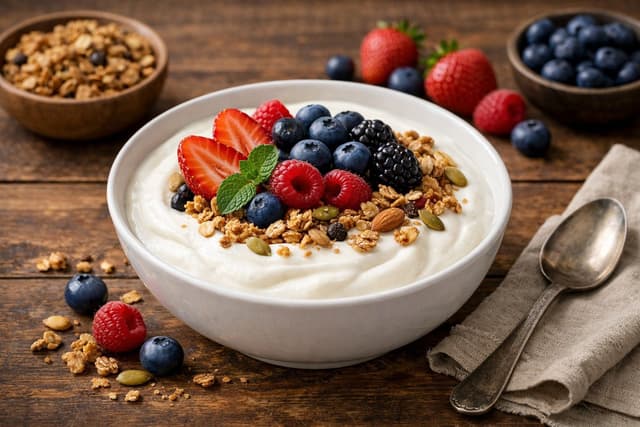
For Children: Fage’s milder flavor and smoother texture may be more kid-friendly. Mix with a drizzle of honey and a sprinkle of granola for a breakfast they’ll enjoy.
For Elderly Adults: Siggi’s higher protein content supports muscle maintenance, critical for aging populations. Its low lactose content may also be easier to digest.
For Keto/Diabetics: Siggi’s minimal carbs (8g per serving) fit seamlessly into low-carb diets. Avoid Fage’s flavored varieties, which can exceed daily sugar limits.
Recipes and Pairing Suggestions
1. Siggi’s Skyr & Smoked Salmon Bowl
- 6 oz Siggi’s nonfat skyr
- 2 tbsp chopped dill
- 1/4 avocado, sliced
- 1/4 cup smoked salmon
- Lemon wedge for garnish
Combine skyr with dill for a protein-packed alternative to cream cheese. Top with salmon, avocado, and a squeeze of lemon for a brunch dish that’s both elegant and nutritious.
2. Fage Greek Yogurt Parfait with Granola
- 6 oz Fage Total
- 1/4 cup homemade granola
- 1/2 cup mixed berries
- 1 tbsp honey
Layer yogurt, granola, and berries in a glass. Drizzle with honey for a classic breakfast that’s ready in minutes. For a deeper dive into breakfast science, explore our article on breakfast myths vs. science.
Final Verdict
The Siggi’s vs. Fage debate ultimately hinges on personal priorities. Choose Siggi’s if you prioritize minimal ingredients, lower sugar, and a protein-dense product that aligns with clean-eating principles. Opt for Fage if versatility, a creamier texture, and broader flavor options are your focus. Both are superior to standard American yogurts, but their differences matter deeply depending on your dietary goals. As the market continues to evolve, one thing is clear: the rise of these strained yogurts reflects a broader shift toward nutrient-dense, less processed foods—a trend that benefits us all.