
Introduction
Low‑glycemic (low‑GI) eating is a practical way to keep blood‑sugar levels steady, support weight management, and reduce the risk of type 2 diabetes complications. The glycemic index (GI) measures how quickly a carbohydrate‑rich food raises blood glucose, while glycemic load (GL) accounts for the amount of carbohydrate in a typical serving. By choosing foods that are both low‑GI and low‑GL, you can blunt post‑meal spikes and maintain more consistent energy levels
The following five evidence‑based tips translate the science into everyday actions. They draw on research showing that low‑GI diets lower hemoglobin A1C, fasting glucose, and body weight in people with pre‑diabetes or diabetes (Healthline, 2019 review of 54 studies) and on practical guidance from diabetes‑management resources
Tip 1: Prioritize Low‑GI and Low‑GL Foods
Fill the plate with fiber‑rich, nutrient‑dense choices
- Non‑starchy vegetables (broccoli, leafy greens, peppers) – GI < 15, GL ≈ 0
- Whole fruits such as apples, berries, and pears – GI 15‑30, GL 5‑10
- Legumes (lentils, chickpeas, black beans) – GI ≈ 30, GL ≈ 10
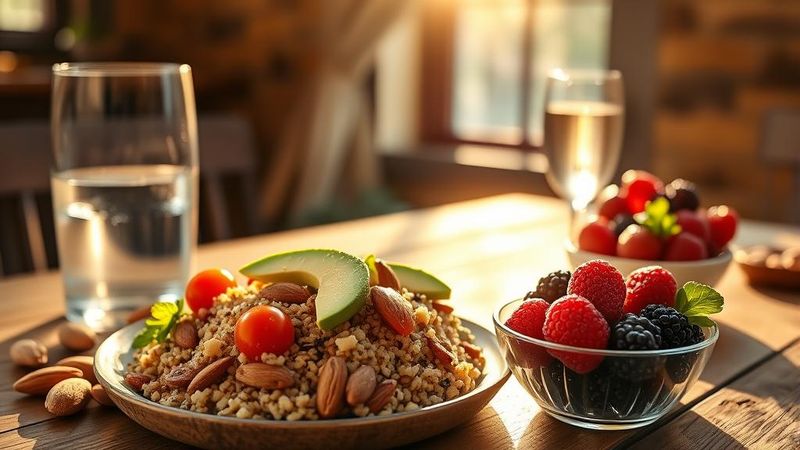
- Whole grains like quinoa, barley, and steel‑cut oats – GI ≈ 35‑45, GL ≈ 12‑15
These foods are naturally high in fiber, protein, or healthy fats, which slow gastric emptying and glucose absorption. Incorporating at least three servings of low‑GI vegetables and one serving of fruit or legume at each meal creates a solid foundation for blood‑sugar stability
Tip 2: Pair Higher‑GI Carbohydrates with Protein, Fiber, or Healthy Fats
Balance is better than avoidance
Higher‑GI staples such as white rice, potatoes, or corn provide valuable nutrients (B‑vitamins, potassium) but can cause rapid glucose spikes when eaten alone. Pair them with
- Lean protein– chicken breast, tofu, fish
- Fiber– a side of beans, a sprinkle of chia seeds, or a mixed‑vegetable salad
- Healthy fats– avocado, olive oil, nuts
The combination reduces the overall GI of the meal by delaying carbohydrate digestion. For example, a bowl of white rice (GI ≈ 73) served with grilled salmon and a drizzle of olive oil drops the effective GI to the low‑moderate range
Tip 3: Control Portion Sizes
Smaller servings keep total GL in check
Even low‑GI foods can raise blood sugar if consumed in large amounts because GL equals GI × carbohydrate content. Practical portion‑control strategies include
- Using the hand‑method a palm‑sized portion of protein, a fist of non‑starchy veg, and a cupped hand of grains or starchy veg
- Measuring one‑cup servings of cooked grains or pasta as a maximum for a single meal
- Pre‑portioning snacks into single‑serve bags to avoid mindless overeating
Keeping meals under 45‑60 g of total carbohydrate (≈ 1 GL‑unit per gram) helps maintain target glucose ranges without feeling deprived
Tip 4: Spread Carbohydrate Intake Throughout the Day
Avoid large glucose surges by distributing carbs
Instead of loading most carbs into breakfast or dinner, aim for even distribution across three main meals and one or two snacks. A sample schedule might be
- Breakfast: 15 g carbs (Greek yogurt + berries)
- Mid‑morning snack: 10 g carbs (a small apple + almonds)
- Lunch: 20 g carbs (quinoa salad with veggies and chickpeas)
- Afternoon snack: 10 g carbs (carrot sticks with hummus)
- Dinner: 20 g carbs (sweet potato, salmon, steamed broccoli)
Consistent carbohydrate timing helps the pancreas release insulin in a predictable pattern, reducing the likelihood of post‑prandial spikes and subsequent crashes
Tip 5: Plan Snacks with Low‑GI Options
Choose foods that sustain energy between meals
Snacking can be a hidden source of high‑GI carbs. Replace sugary bars or chips with
- Nuts (peanuts GI 7, almonds GI 0)
- Cheese sticks paired with a few whole‑grain crackers
- Veggie sticks dipped in guacamole or Greek‑yogurt dip
- Hard‑boiled eggs with a small piece of fruit
A low‑GI snack supplies a modest amount of carbohydrate (5‑15 g) along with protein or fat, preventing sharp glucose rises while keeping hunger at bay
Practical Food Comparison
| Food (Typical Serving) | GI | Approx. GL |
|---|---|---|
| Apple (1 medium) | 28 | 5 |
| Quinoa (½ cup cooked) | 53 | 13 |
| White rice (½ cup cooked) | 73 | 22 |
| Sweet potato (½ cup baked) | 63 | 15 |
| Chickpeas (½ cup cooked) | 30 | 9 |
| Peanuts (¼ cup) | 7 | 1 |
GL = (GI × carbohydrate grams per serving) ÷ 100
The table illustrates how a low‑GI food like an apple contributes far less to overall glucose load than a similar‑weight portion of white rice, even though both provide comparable calories
Conclusion
Stabilizing blood sugar does not require exotic ingredients or complex calculations. By prioritizing low‑GI, low‑GL foods, pairing higher‑GI carbs with protein, fiber, or fat, watching portion sizes, spreading carbohydrate intake evenly, and choosing smart snacks, most adults can achieve smoother glucose curves and the associated health benefits. Consistency is key; the cumulative effect of these five practical steps often outweighs any single dietary tweak. For personalized guidance, individuals should consult a registered dietitian or health‑care professional, especially when managing diabetes or other metabolic conditions
🔍 FoodReveal helps you decode nutrition labels beyond marketing. Available for Android and iOS.
Sources and Further Reading
- Glycemic Index and Glycemic Load for Diabetes Management
- [PDF] Low-GI-diet.pdf
- A Beginner's Guide to the Low Glycemic Diet - Healthline
- tips to stop blood sugar spikes - Baylor Scott & White Health
- Low-glycemic index diet: What's behind the claims?
Leave a review