
## Introduction
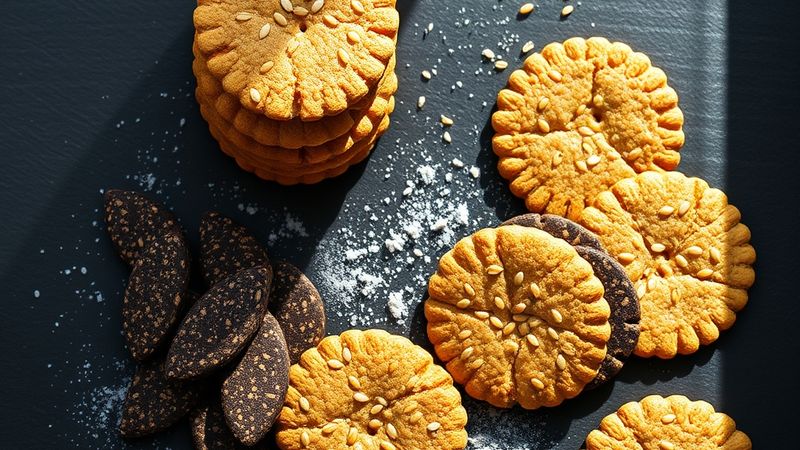
Navigating supermarket aisles in search of a healthy snack can be a daunting task. Among the most popular options for breakfast and snacks, biscuit slices and crackers offer a convenient and quick alternative. However, not all choices are created equal. In this article, we take an in-depth look at two industry leaders: Wasa and Galbusera, exposing the nutritional and quality differences between the two brands. Let's find out if choosing rye or whole wheat truly makes a difference for our well-being. To learn more about selecting base grains, read our article on Organic Breakfast Cereals.
## What They Are: Definition and Origins
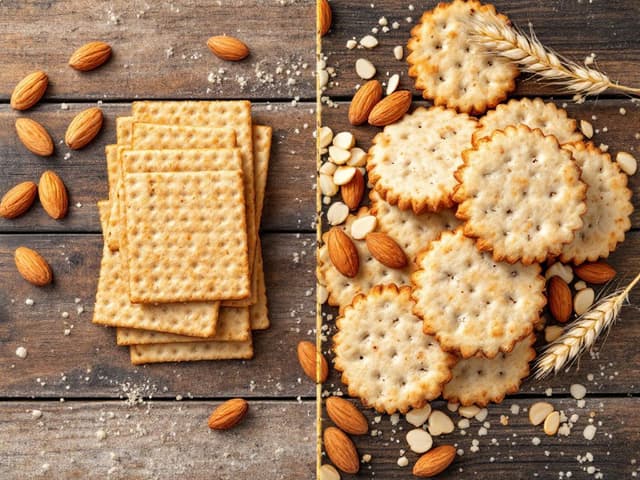
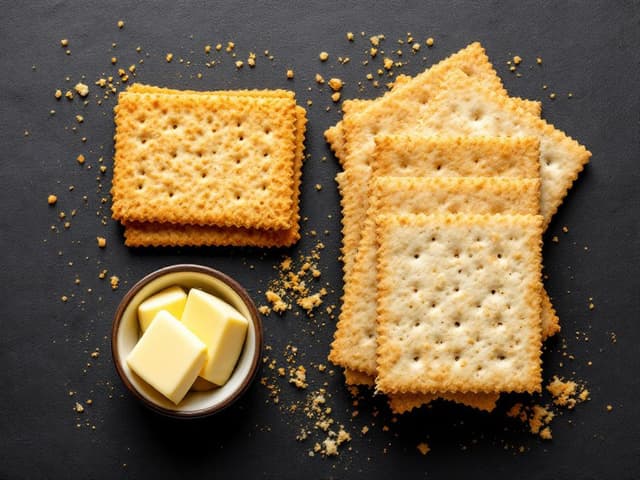
Wasa is a Swedish brand founded in 1924, renowned for its rye-based products. Rye is an ancient grain that imparts a rustic flavor and dark color. It distinguishes itself from other grains due to its high fiber content and lower carbohydrate levels. Galbusera, on the other hand, represents a more artisanal Italian approach, specializing in the production of biscuit slices and crackers with a focus on authentic ingredients and processing methods that preserve the properties of wheat. Today, both brands offer a wide range of variants, from original versions to those enriched with seeds or made with whole wheat, to satisfy diverse tastes and needs.
### How They Are Produced
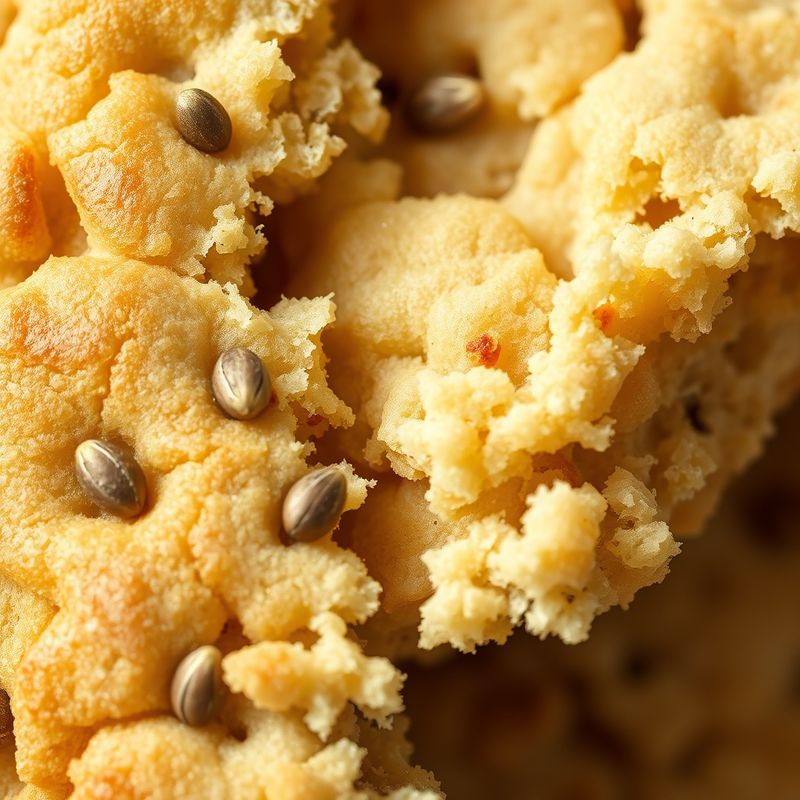
Wasa production follows a standardized large-scale industrial process, ensuring uniformity and consistency in the final product. The grains are milled, kneaded, and steamed to create their characteristic crispness. In contrast, Galbusera production often favors more traditional and controlled methods, aiming to minimize the use of chemical additives and maintaining a closer link with the local agricultural supply chain. This difference in approach inevitably reflects on the complexity of the ingredient list and the quality perceived by the consumer.
## Detailed Nutritional Comparison
A direct comparison highlights the substantial differences between the two options. As shown by the nutritional data, the rye used by Wasa stands out for its nutritional density. The table below summarizes the values per 100 grams of product.
| Nutrient | Wasa Rye | Wasa Whole Grain | Galbusera Whole Grain |
|---|---|---|---|
| Calories | 237 | 237 | 250 |
| Protein | 7 | 7 | 8 |
| Carbohydrates | 50 | 45 | 55 |
| Fibre | 20 | 22 | 18 |
The data shows that Wasa rye offers exceptional fiber content, exceeding the average of common cereals, with relatively low carbohydrates. This makes it an excellent choice for those following low-calorie or controlled diets. Galbusera, while remaining a valid option, has a slightly richer composition in carbohydrates and fibers compared to Wasa's rye version. To avoid confusion between labels, it is essential to understand how to read portions: 50 grams of regular bread does not correspond to 50 grams of crispbread. Read our guide to compare labels correctly.
## In-Depth Ingredient Analysis
Analyzing the ingredient lists of representative products reveals a common trend toward simplicity. Wasa and Galbusera rely almost exclusively on rye or whole wheat flour, water, salt, and yeast. However, it is crucial to verify that no hidden additives are present. Some industrial products may contain emulsifiers or preservatives to improve crispness or shelf life. E-numbers such as E471 (mono- and diglycerides of fatty acids) or E300 (ascorbic acid) are common but unnecessary if the base ingredient is of high quality. Those seeking a clean diet should prefer "clean label" variants, where the only ingredient list consists of cereals and water.
### Additives and Controversial Substances
The presence of chemical additives is a critical aspect to evaluate. While natural rye is already rich in nutrients, the industry sometimes resorts to hydrogenated fats to keep the product crisp for longer. These trans fats are harmful to cardiovascular health and should be avoided. A healthy alternative is to look for products that use only extra virgin olive oil or butter as fats, ensuring a more natural product free from wellness risks.
## Health Effects and Benefits
From a nutritional standpoint, these products offer significant benefits, particularly due to their fiber content. As highlighted by experts such as Dr. Simona Marengo, Wasa slices can be recommended as an alternative to bread and biscotti for breakfast. Fiber helps slow down sugar absorption, keeping blood sugar levels stable and promoting satiety. However, those with gluten intolerance should be cautious: rye also contains traces of gluten, albeit less than wheat. For those with celiac disease, gluten-free options are essential, such as the ones we reviewed in our guide to crunchy gluten-free crackers.
## How to Read the Label: A Practical Guide
Reading the label is the secret weapon for avoiding the traps of the food industry. The first three ingredients in the list make up the majority of the product, so look for whole grain flours or rye before sugars or oils. Be wary of generic terms like "flour" without specifying the type or "mixed grains," which can hide refined cereals. A common trick is the heavy use of hydrogenated fats to make the product crunchier, but these are highly harmful to the heart. Choose products with a low glycemic index and a short ingredient list to ensure a real intake of nutrients.
## The Best Products on the Market
Exploring the aisles of Italian supermarkets reveals a variety of options positioned between fresh bread and pre-cooked industrial products. To help you choose, we analyze three typical offerings from major chains like Esselunga, Conad, and Carrefour. It is important to note that the choice between a local product and an industrial one often depends on the priority given to freshness versus convenience and shelf life.
Esselunga Whole Wheat Bread Slices: Key ingredients include soft wheat whole wheat flour, water, brewer's yeast, and salt. Two strengths are the freshness guaranteed by local baking and the simplicity of the ingredients, which are free from additives. One weakness is the texture, which tends to become soft more quickly than toasted industrial products. Ideal for those seeking a fresh food item to consume immediately for breakfast or a snack.
Conad Whole Wheat Crackers: Key ingredients include soft wheat whole wheat flour, sunflower seed oil, barley malt, and salt. Two strengths are being an excellent source of fiber and an affordable price, making them a convenient choice for daily snacking. One weakness is the presence of added fats, which can slightly increase the calorie content compared to grain-only versions. Ideal for low-cost quick snacks.
Carrefour Rye Bread Slices: Key ingredients include rye flour, soft wheat, water, yeast, and salt. Two strengths are the high fiber content and low glycemic index, which promote satiety. One weakness is the texture, which can be harder and less crisp than Wasa, potentially requiring a bit more chewing. Ideal for those following a low-calorie or vegan diet.
## Recipes and Culinary Uses
Rye slices and similar products are highly versatile in the kitchen, allowing you to create healthy snacks and quick dishes without compromising on taste. Here are two ideas to make the most of this crispy base.
### Recipe 1: Avocado and Chia Seed Bruschetta
Ingredients:
- Wasa whole grain 2 slices
- Avocado 1/2
- Lemon 1 tablespoon
- Chia seeds 1 tablespoon
- Salt to taste
Procedure:
- Dice the avocado into cubes and place it in a bowl.
- Add the lemon juice and chia seeds, mixing well to combine.
- Spread the avocado mixture onto the Wasa slices and add a pinch of salt.
Preparation time: 5 minutes.
### Recipe 2: Tomato and Mozzarella Carpaccio
Ingredients:
- Wasa rye 2 slices
- Datterino tomatoes 6
- Stretchy mozzarella 1 slice
- Fresh basil to taste
- Extra virgin olive oil to taste
Method:
- Wash and dry the cherry tomatoes, then slice them thinly.
- Arrange the tomato slices and the mozzarella filante on the Wasa slices.
- Garnish with fresh basil leaves and a drizzle of cold-pressed olive oil.
Preparation time: 8 minutes.
## Sustainability and Environmental Impact
The environmental impact of these products is primarily driven by the origin of raw materials and packaging. Producing cereals like rye requires less water and pesticides than soft wheat, making it an eco-friendly choice. However, it is essential to pay attention to packaging: opting for products in recycled paper or low-plastic-impact packaging helps reduce municipal solid waste. Choosing local products, when possible, also reduces the carbon footprint associated with transportation.
## Frequently Asked Questions
### Can I eat Wasa slices on a diet?
Yes, Wasa slices are an excellent alternative to traditional bread. Thanks to the rye flour, they are rich in fiber and contain fewer calories than a slice of white bread, making them ideal for those following a low-calorie diet or monitoring their glycemic index.
### What is the nutritional difference between rye and wheat?
Rye is distinguished by a higher fiber content and a lower carbohydrate count compared to soft wheat. This makes it a more suitable cereal for those looking to limit sugar intake and promote digestion, while still maintaining an adequate energy supply.
### How do 50 grams of Wasa compare to a sandwich?
Wasa slices are generally lighter. If we compare 50 grams of regular bread with 59 grams of Wasa, the latter offers a similar volume but with a lower calorie intake, allowing you to satisfy hunger without exceeding your calorie limit.
## Final Verdict
The comparison between Galbusera and Wasa depends on the consumer's priorities. If you seek freshness, simple ingredients, and an artisanal product, local options are superior. However, if your priority is convenience, crispiness, and a structural fiber intake, industrial products like Wasa are an excellent choice. Both offer valid solutions for incorporating whole grains into your daily diet, allowing you to vary your palate without sacrificing health. To explore further similar nutritional comparisons, I recommend reading the comparison between Greek yogurts.
> 🔍 FoodReveal helps you decipher nutritional labels beyond the marketing. Available for Android and iOS.