
## Introduction
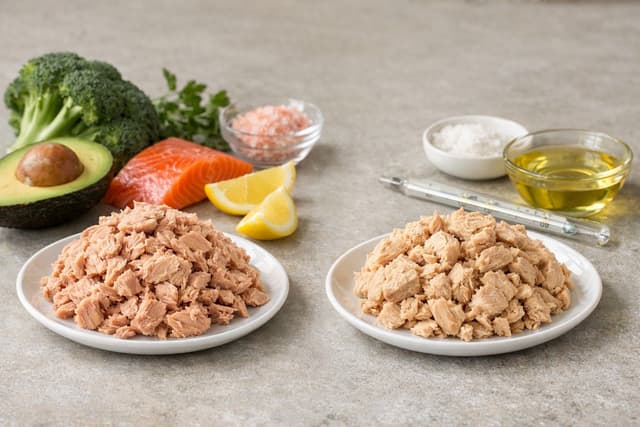
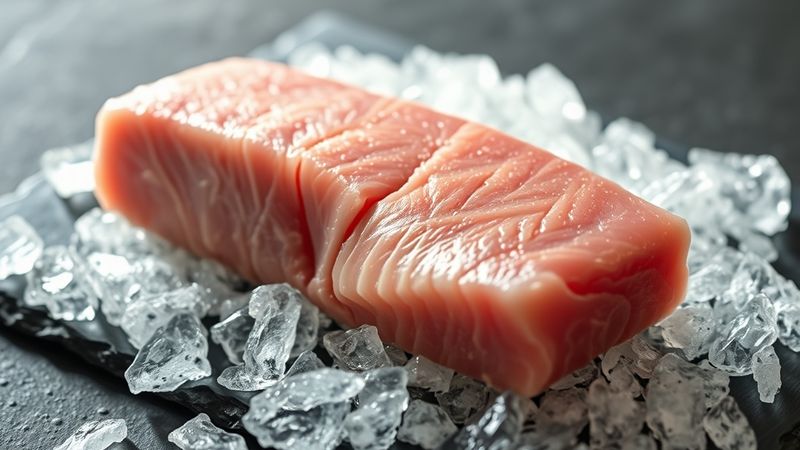
In the crowded Italian pantry, the battle for the best canned tuna is fierce, pitting industrial giants against artisanal traditions. While both Rio Mare and Callipo are household names, discerning consumers are increasingly looking beyond price to quality and sustainability. This analysis dives into the nutritional data and production methods of these two giants to determine which truly stands out on the shelf. Whether you prefer the industrial standard or the artisanal tradition, understanding the nuances is crucial for a healthy diet. For those interested in maximizing the benefits of marine proteins, exploring healthy preparation methods is essential, as seen in our guide on zuppa di tonno con olio extravergine di oliva.
## What They Are: Definition and Origins
Canned tuna, or tonno in scatola, refers to the preservation of tuna meat, usually skipjack or yellowfin, in oil or water to extend its shelf life. The practice dates back to the 19th century but became widespread in Italy during the 20th century. Today, the market offers various cuts, including whole tuna, loin, and fillets. The production process differs significantly between mass-market brands and artisanal producers. While industrial giants use automated lines for high volume, traditional brands like Callipo often emphasize manual selection and specific processing techniques to maintain the flesh's texture and flavor.
### How They Are Produced
The industrial process for major brands involves rapid cooking and sterilization to ensure safety and longevity. In contrast, artisanal methods often prioritize the preservation of the fish's natural texture and flavor profile. For instance, Rio Mare has gained recognition for its "pescato a canna" method, which involves selective handline fishing that reduces bycatch and ensures the freshest catch reaches the factory. This attention to the initial catch phase is a critical differentiator that influences the final quality of the product found in the can.
## Detailed Nutritional Comparison
The nutritional profile of canned tuna is generally high in protein and low in carbohydrates, making it an excellent source of lean meat. However, the specific values can vary based on the cut and the oil used. Below is a comparison of three common types found on Italian shelves. The data highlights that while both brands are excellent sources of protein, Callipo often presents a slightly leaner profile in its classic cuts, whereas Rio Mare's "pescato a canna" variant maintains a perfect balance of nutrients. Understanding these numbers helps in making an informed choice that aligns with specific dietary goals, such as increasing protein intake without excess calories, a concept explored in depth in our article on fibra solubile: benefici, fonti e dosi per metabolismo.
| Nutrient | Rio Mare Pescato a Canna | Callipo Tonno | Trancio Medio |
|---|---|---|---|
| Calories | 100 kcal | 95 kcal | 110 kcal |
| Protein | 20 g | 21 g | 18 g |
The table reveals that Rio Mare's "pescato a canna" variant is exceptionally lean, making it ideal for strict calorie counting. Callipo, on the other hand, offers a marginally higher protein content which can be beneficial for muscle repair. The "Trancio Medio" serves as a benchmark, showing that while all options are healthy, the specific production methods and cuts chosen by premium brands like Rio and Callipo yield superior nutritional density.
## In-Depth Ingredient Analysis
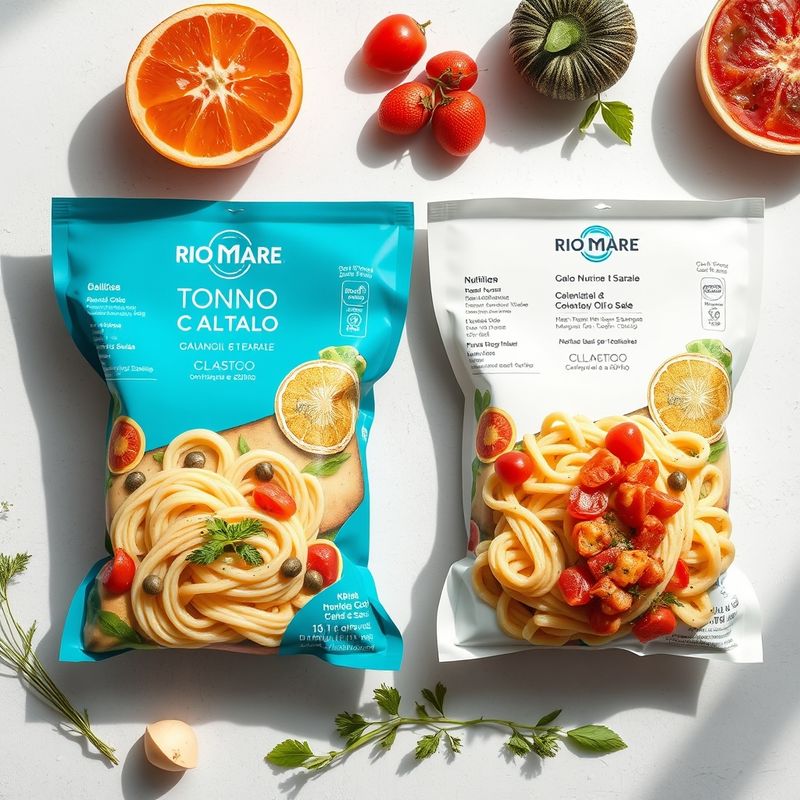
The ingredient list is the most critical part of any canned product. Both Rio Mare and Callipo typically list only tuna and oil as primary ingredients, which is a sign of high quality. However, some lower-end products may include additives to preserve the texture or color. Common additives include E450 (diphosphates), which helps keep the fish soft but has been scrutinized for potential health effects. Consumers should avoid products with long lists of chemical names. Choosing brands that adhere to a "clean label" philosophy ensures that the only thing you are eating is the fish and healthy oil, minimizing the risk of ingesting unnecessary preservatives.
### Additives and Controversial Substances
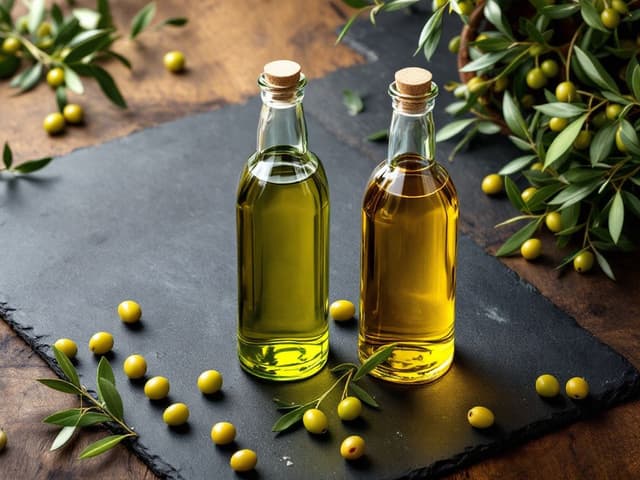
While the top brands generally avoid controversial additives, it is vital to scrutinize labels for E numbers. Some cheaper varieties use E450 or E621 to enhance flavor and texture, which can be problematic for sensitive individuals. Furthermore, the type of oil matters; sunflower or soybean oil is common in budget options but lacks the antioxidant benefits of extra virgin olive oil. Premium brands like Callipo often use high-quality olive oil, which not only preserves the fish better but also adds heart-healthy monounsaturated fats to the final product.
## Health Effects and Benefits
Consuming canned tuna provides significant health benefits, particularly due to its high content of omega-3 fatty acids and high-quality protein. These nutrients support heart health, brain function, and muscle maintenance. However, moderation is key due to potential mercury content in larger species, though skipjack (common in canned tuna) has lower levels. Individuals with high blood pressure should opt for tuna in water or natural oil rather than brine to avoid excess sodium. For those looking to diversify their protein sources or manage their diet effectively, comparing different dairy options can also be insightful, as seen when analyzing yogurt greco vs normale.
## How to Read the Label: A Practical Guide
Reading the label correctly can save you from buying an inferior product. Always check the cut specified on the can; "tonno intero" usually implies a higher quality than "trancio" or "polpa". Look for the fishing method mentioned on the packaging, such as "pescato a canna" or "linea", which often indicates sustainable and selective fishing. Be wary of products labeled simply as "tonno" without specifying the cut or method, as these are often lower-grade mixes. Additionally, verify the oil type; extra virgin olive oil is superior to sunflower or soybean oil. Ignoring these details can lead to consuming a product that lacks flavor and nutritional value.
## The Best Products on the Market
Analyzing the Italian supermarket landscape, several options emerge that compete with the sector's historical giants. Here is a critical analysis of three representative products available in major chains, based on consistency, ingredients, and value for money.
Esselunga Tonno in Olio Extravergine di Oliva: Key ingredients include tonno, olio extravergine di oliva, and salt. Two strengths are the quality of the oil used, which provides a rich aromatic profile, and the meat consistency, which remains firm after opening. One weakness is the presence of excess water compared to some premium alternatives, which can dilute the flavor. Ideal for those seeking a balance between quality and everyday price.
Conad Tonno Rosso in Scatola: Key ingredients include tonno rosso, olio d'oliva, salt, and occasionally spices. Two strengths are the richness of flavor and the firm texture, which pairs perfectly with pasta. One weakness is the variability of cans based on the fishing season, which can slightly influence the fat content. Ideal for families who love intense flavor and culinary tradition.
Coop Chunky Tuna in Water: Key ingredients include tuna, water, and a small amount of salt. Two strengths are its low calorie count and lightness, making it suitable for many diets. One weakness is its softer texture and lack of natural fats, which may result in less flavor. Ideal for those following a low-calorie diet or intolerant to oil.
## Recipes and Culinary Uses
Canned tuna is a versatile kitchen ally, capable of transforming a simple snack into a gourmet dish. Here are two simple recipes to make the most of this product.
### Recipe 1: Pasta with Tuna and Lemon Arugula
Ingredients:
- 200g of spaghetti
- 1 can of canned tuna (Rio Mare or Callipo)
- 100g of fresh arugula
- 1 lemon
- 2 tablespoons of extra virgin olive oil
- Black pepper to taste
Procedure:
- Cook the pasta in a large pot of salted water.
- Drain the pasta al dente and transfer it to a serving bowl.
- Add the drained tuna, hand-torn arugula, oil, lemon juice, and pepper.
- Gently toss and serve immediately.
Preparation time: 15 minutes.
### Recipe 2: Tuna and Cherry Tomato Salad
Ingredients:
- 1 can of tuna in water
- 200g of cherry tomatoes
- Capers
- Black olives
- EVO oil, Salt, Pepper
Procedure:
- Cut the cherry tomatoes in half.
- Drain the tuna well and break it into pieces.
- Mix all the ingredients in a salad bowl.
- Dress with oil, salt, and pepper.
Preparation time: 10 minutes.
## Sustainability and Environmental Impact
The environmental impact of tuna production is closely tied to the fishing method used. Trawling or large-mesh trawl nets can damage marine habitats and cause heavy bycatch, threatening other marine species. In contrast, pole-and-line fishing or purse seining is more respectful of fish populations and reduces the impact on the ecosystem. Consumers can make responsible choices by checking for certifications such as the MSC (Marine Stewardship Council) and preferring brands that promote sustainable fishing.
## Frequently Asked Questions
### Is canned tuna or fresh tuna better?
While fresh tuna is a delicacy, canned tuna offers an excellent alternative, especially due to its convenience and unchanged nutritional content. Preservation in oil or water retains proteins and Omega-3s, making it an excellent food for the daily diet, provided you choose variants with simple ingredients and no additives.
### Which tuna contains less mercury?
Generally, red tuna (albacore) has higher mercury levels than yellowfin tuna (bonito). For a safer choice, it is advisable to prefer "pole-and-line caught" tuna or "light" versions, which come from younger specimens and therefore have lower mercury concentrations, as often indicated in Altroconsumo analyses.
### How to recognize high-quality tuna?
Premium-quality tuna is recognized by its compact and firm texture, not falling apart in water or oil. The smell should be pleasant, similar to the sea or extra virgin olive oil, without any musty fishy notes. Additionally, the label should indicate the geographical origin and fishing method, avoiding products with monosodium glutamate or other artificial additives.
## Final Verdict
Analysis of Altroconsumo tests and expert reviews reveals a clear distinction between the two market icons. Rio Mare confirms itself as the absolute winner in objective scores, offering impeccable consistency and a pole-and-line caught product that meets the highest quality standards. Callipo, despite losing by a few tenths in chemical tests, wins on taste and tradition, providing a richer and more complex sensory experience. If you seek maximum standardized quality, Rio Mare is the winning choice. For a gourmet experience, go with Callipo.
> 🔍 FoodReveal helps you decode nutritional labels beyond the marketing. Available for Android and iOS.