

Introduction
The plant-based milk aisle has grown a lot in recent years, and Pacific Foods and Almond Breeze are two names many shoppers come across when they look for an almond drink. Both are used here as plain examples: this guide does not rank them or quote nutrition figures, because recipes differ by product line, flavor and country. Instead it shows what to compare on the pack so you can decide which carton fits your needs. If you are trying to cut back on sweet foods, see also our guide on how to Reduce Sugar.
Key Differences to Look For
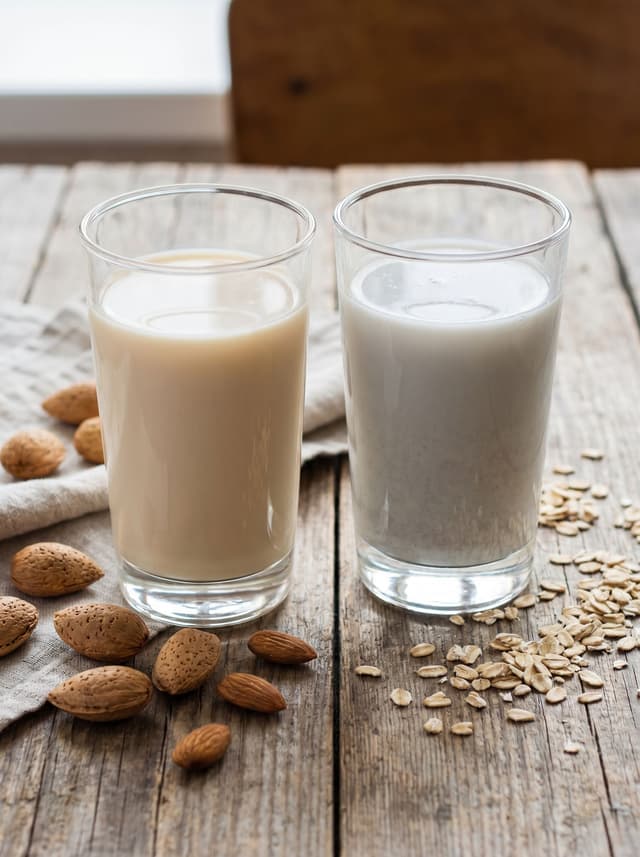
Brands position their almond drinks differently: some stress a short, minimal ingredient list or organic sourcing, others stress wide availability and an everyday price. Those are marketing positions, not guarantees, so the label is what counts. Almond drinks are mostly water, with a relatively small share of almonds, and the other ingredients vary from one product to another. For a comparison with another popular plant drink, see Almond Milk vs Oat Milk.
What to Compare on the Label
Instead of trusting a table found online, read the nutrition panel of the exact products you are choosing between. Compare the values per 100 ml rather than per serving, and compare like with like, for example two unsweetened drinks or two vanilla ones.
- Protein: almond drinks are usually modest sources, so do not count on them as your main protein.
- Sugars: check whether the product is unsweetened or whether sugar, syrup or sweeteners appear in the ingredient list.
- Fat and energy: these depend mainly on how much almond and added oil the recipe contains.
- Salt: usually small, but worth a look if you follow a low-sodium diet.
- Fortification: some drinks have added calcium and vitamins, others do not.
Reading the Ingredient List
Most almond drinks start with water and almonds. The ancillary ingredients are what differ, and they show each recipe's approach. Ingredients you may see include:
- Sea salt, which adds a little flavor.
- Calcium carbonate and vitamins, when the drink is fortified.
- Thickeners and stabilizers such as guar gum or gellan gum, which help keep the drink smooth and reduce separation.
- Emulsifiers such as sunflower or soy lecithin, and acidity regulators such as dipotassium phosphate.
- Flavorings and sugar in sweetened or flavored versions.
A shorter list is not automatically better, and a stabilizer is not automatically a problem: it is a trade-off between texture, stability and simplicity. Choose according to what matters to you.
Texture and Use in the Kitchen
In general, plant drinks that contain stabilizers tend to feel creamier and stay mixed, while drinks with very short ingredient lists may feel thinner and separate on standing, so they need a good shake before use. In hot dishes or coffee, low-fat plant drinks can sometimes curdle, so add them gently and try a small amount first. Your own taste matters most, so if possible try a small carton before committing to a larger pack.
How to Choose: Buyer's Guide
- If protein matters: compare the protein line on the label, and consider that other plant drinks, such as soy, are often richer in protein.
- If you want less sugar: pick the unsweetened version and confirm that no sugar or syrup is listed among the ingredients.
- If you like a short ingredient list: count the ingredients and look at what each one does.
- If budget matters: compare the price per litre in your own store, since prices change by shop and over time.
- If you cook or make coffee: a creamier, more stable drink usually works better in soups, sauces and hot drinks, while a lighter one suits smoothies and cereal.
Recipes and Kitchen Uses
Recipe 1: Almond-Boosted Breakfast Smoothie
Ingredients:
- 200 ml unsweetened almond drink
- 1/2 ripe banana, sliced
- 1 tbsp chia seeds
- 1/4 cup frozen blueberries
- 1 tsp honey (optional)
Instructions:
- Add all ingredients to a blender and blend on high until smooth, about 45 seconds.
- Taste and adjust sweetness with honey if desired, then pour into a glass and enjoy immediately.
Prep time: 5 minutes.
Recipe 2: Creamy Vegan Tomato Soup
Ingredients:
- 2 cups unsweetened almond drink
- 1 can (400 g) diced tomatoes, no-salt added
- 1 small onion, finely chopped
- 2 cloves garlic, minced
- 1 tbsp olive oil
- 1/2 tsp smoked paprika
- Salt and pepper to taste
Instructions:
- In a saucepan, heat the olive oil over medium heat. Add onion and garlic and saute until translucent, about 4 minutes.
- Stir in the diced tomatoes, smoked paprika and almond drink. Bring to a gentle simmer, then blend with an immersion blender until velvety. Season with salt and pepper, and serve hot.
Prep time: 15 minutes.
Frequently Asked Questions
What should I check when comparing two almond drinks?
Compare drinks of the same type, for example two unsweetened ones, using the values per 100 ml: protein, sugars, fat and salt. Then read the ingredient list for added sugar, stabilizers and fortification.
Is almond milk a high-protein drink?
Almond drinks are generally modest in protein compared with dairy or soy drinks, but each product differs, so check the nutrition table on the pack.
Is almond milk suitable for people with nut allergies?
No. Almonds are tree nuts and a main ingredient, so almond drinks are not suitable for people with a tree-nut allergy. Oat or rice drinks can be alternatives, after checking their labels.
Final Verdict
There is no universal winner between Pacific Foods and Almond Breeze: it depends on the specific product you pick and on your priorities, whether that is protein, sugar, texture, a short ingredient list or price. Read the label of each carton, compare like with like, and choose the one that fits how you will use it.
FoodReveal helps you decode nutrition labels beyond marketing. Available for Android and iOS.