
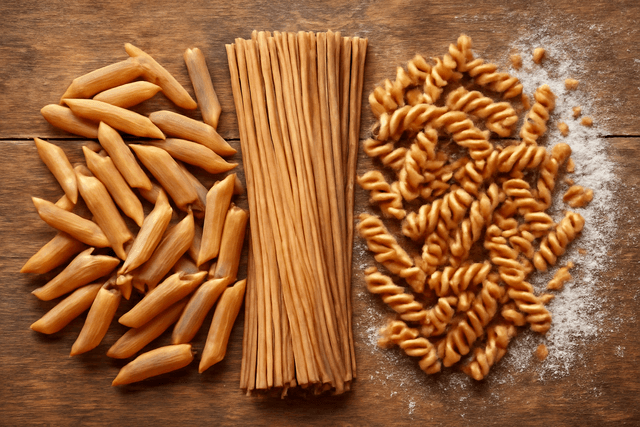
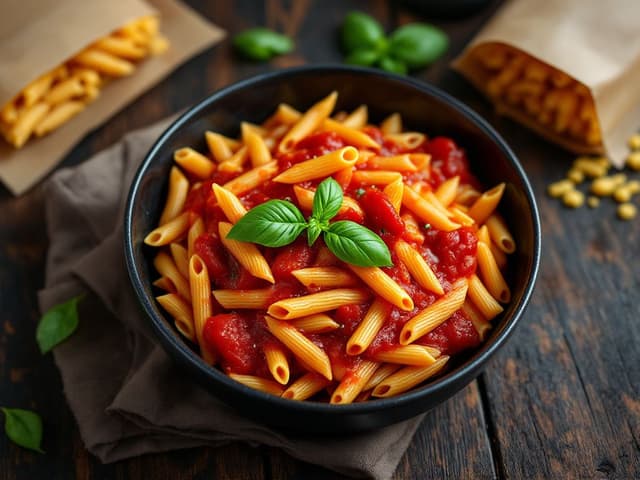
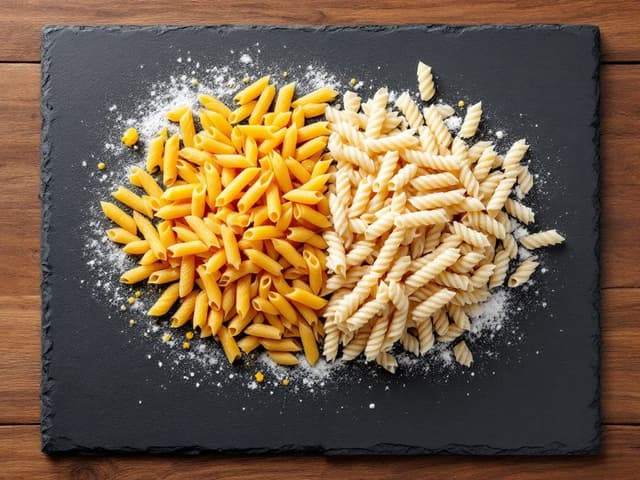
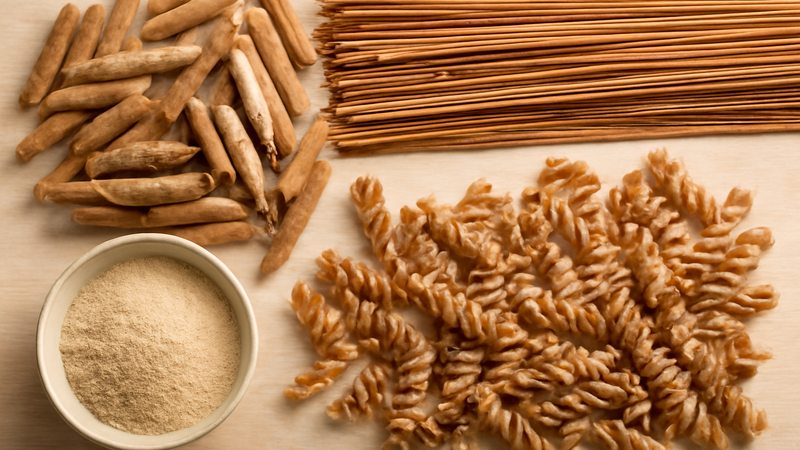
The quest for healthier pasta alternatives often pits nutritional value against the cherished culinary experience of "consistenza" – that perfect al dente bite. In today's market, two brands frequently emerge as frontrunners for the health-conscious consumer: Banza and Jovial. While our article title highlights "Whole-Wheat Pasta," it's crucial to clarify a fundamental difference upfront: Jovial delivers a pure, unadulterated whole-wheat experience, while Banza, despite its healthy profile, crafts its popular pasta from chickpeas, offering a gluten-free, high-protein, and lower-carb alternative designed to satisfy a similar desire for a nutritious upgrade. This comparison isn't just about ingredients; it's about understanding how these distinct formulations impact everything from nutritional content to the final culinary outcome, helping you decide which pasta best fits your dietary goals and taste preferences. Just as understanding the nuances between refined and whole-wheat options can inform your choice, as discussed in Barilla whole wheat vs regular: which pasta calms more?, comparing Banza and Jovial illuminates the diverse paths to a healthier pasta dish.
Key Differences at a Glance
Banza and
Jovial represent different philosophies in the health-food pasta market. Banza positions itself as an innovative, plant-based brand, leveraging chickpea flour to create a gluten-free, high-protein, and lower-carb pasta. Its primary focus is on nutritional enhancement and catering to gluten-avoidant diets, offering a familiar pasta shape with a distinct nutritional profile. Jovial, conversely, is deeply rooted in organic tradition and purity. Their pasta is crafted from 100% organic whole grain durum wheat semolina, appealing to consumers who prioritize certified organic ingredients, a classic whole-grain experience, and a minimal ingredient list. Sourcing for Banza involves chickpeas, tapioca, and pea protein, while Jovial adheres strictly to organic durum wheat. Both brands generally fall into a higher price tier than conventional refined pasta, reflecting their specialized ingredients, organic certifications (for Jovial), and health-oriented positioning.
Head-to-Head Nutritional Comparison
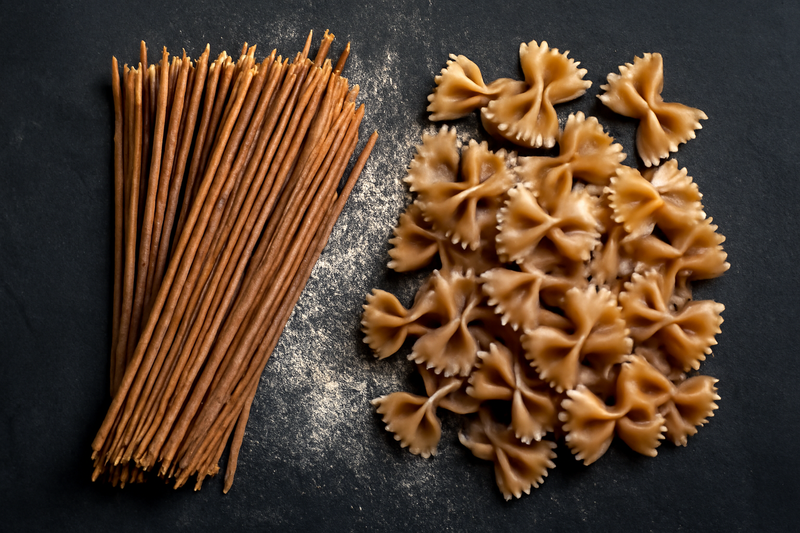
When evaluating Banza and Jovial, their nutritional profiles underscore their distinct foundations. Banza, being chickpea-based, naturally boasts a significantly higher protein content and a comparatively lower carbohydrate count than traditional wheat pasta, making it a favorite for those managing blood sugar or increasing protein intake. Jovial's 100% whole grain durum wheat pasta, while offering a robust fiber profile typical of whole grains, provides a more traditional carbohydrate and protein balance. Understanding these differences can help consumers make informed choices based on their specific dietary needs, much like analyzing the fiber and protein content of various Barilla pastas, as explored in Barilla: fiber, protein & GI of whole, semi & white pasta. Below is a comparative overview based on typical serving sizes (e.g., 2 oz or 56g dry pasta):
| Nutrient | Banza (Chickpea Pasta) | Jovial (Whole Wheat Pasta) |
|---|---|---|
| *Calories | ~190 kcal | ~190 kcal |
| Protein | ~13g | ~7g |
| Total Fat | ~3g | ~1g |
| Saturated Fat | ~0g | ~0g |
| Total Carbs | ~35g | ~40g |
| Dietary Fiber | ~5g | ~7g |
| Total Sugars | ~1g | ~2g |
| Sodium | ~20mg | ~0mg |
Note: Nutritional values can vary slightly by specific pasta shape and batch. These figures represent typical approximate values.
In-Depth Ingredient Analysis
Banza pasta, specifically the orzo, typically lists chickpea flour, tapioca starch, pea protein, and xanthan gum as its primary ingredients. The chickpea flour provides the bulk of the protein and fiber, while tapioca starch is crucial for binding and providing a smooth texture in the absence of gluten. Pea protein further boosts the protein content. Jovial's whole-wheat pasta, in contrast, prides itself on a remarkably simple and clean ingredient list: organic 100% whole grain durum wheat semolina and water. This reflects a commitment to traditional pasta making with minimal processing and no added binders or gums.
Additives and Formulation Quality
The key differentiator in additives lies with Banza. To achieve a pasta-like texture without gluten, Banza utilizes xanthan gum (E415). Xanthan gum is a polysaccharide commonly derived from the fermentation of sugar by bacteria. It acts as a thickening agent, stabilizer, and emulsifier, vital for providing structure and preventing gluten-free pasta from falling apart during cooking. It's important to note that xanthan gum, like all E-number additives authorized in the EU and US, has undergone rigorous safety assessments by both EFSA (European Food Safety Authority) and FDA (U.S. Food and Drug Administration) and is considered safe for consumption within specified limits. Jovial pasta, with its two-ingredient formulation, is a paragon of "clean label" adherence, relying solely on the inherent properties of organic whole grain wheat and water to create its pasta.
Performance, Taste, and Texture
The cooking and eating experience for Banza and Jovial pastas are distinct, directly stemming from their core ingredients. Jovial's whole-wheat pasta offers a robust and hearty bite, holding its shape well and achieving a satisfying al dente texture that feels substantial and classic. Its flavor is distinctly nutty and wholesome, characteristic of high-quality whole grains, and pairs well with a wide range of sauces. Banza, on the other hand, presents a different profile. Due to its chickpea base, it cooks up with a slightly firmer, sometimes denser texture. While it can achieve an al dente, it's a different kind of "bite" compared to wheat pasta, often described as having a unique chewiness. It can be prone to stickiness if overcooked, so precise timing is key. The flavor is mild and earthy, subtly hinting at chickpeas, but generally blends well with sauces without overpowering them.
How to Choose Between Them: Buyer's Guide
Deciding between Banza and Jovial largely depends on your specific dietary needs, health goals, and textural preferences. If you adhere to a gluten-free diet, are looking to significantly boost your protein intake, or want a lower-carb pasta option to help manage blood sugar, Banza is an excellent choice. Its plant-based formulation also appeals to vegans and those seeking more legumes in their diet. However, if your priority is a traditional, wholesome whole-grain pasta made with minimal, organic ingredients, and you appreciate the classic chew and nutty flavor of true whole wheat, Jovial is your go-to. It's perfect for those seeking high fiber from whole grains and a reliable pasta experience that maintains its integrity and texture. Consider your favorite sauces: heartier, richer sauces might pair well with Jovial's robust texture, while Banza's milder flavor can be a versatile canvas for many culinary creations.
Best Products on the Market
Banza Chickpea Pasta: Key ingredients include chickpea flour, tapioca starch, pea protein, and xanthan gum. Two strengths are [1] its exceptionally high protein content (23g per serving), making it excellent for satiety and muscle building, and [2] being a naturally gluten-free option, suitable for those with celiac disease or gluten sensitivity. One weakness is its distinct "beany" flavor and slightly gritty texture, which can be polarizing. Ideal for athletes, vegetarians/vegans seeking protein, and individuals avoiding gluten. For more on pasta quality, see Barilla vs Ronzoni: Which Pasta Has Better Cooking?.
Jovial 100% Organic Whole Wheat Pasta: Key ingredients include organic whole grain durum wheat flour and water. Two strengths are [1] its authentic Italian-made quality, providing an al dente texture that rivals traditional white pasta, and [2] its robust, nutty whole-wheat flavor that pairs well with hearty sauces. One weakness is its relatively higher price point compared to conventional whole-wheat brands. Ideal for health-conscious consumers who prioritize organic ingredients and classic pasta taste and texture.
Trader Joe's Organic Whole Wheat Pasta: Key ingredients include organic whole durum wheat semolina and water. Two strengths are [1] its excellent affordability and widespread availability, making healthy eating accessible, and [2] its solid cooking performance, holding up well without becoming mushy if cooked correctly. One weakness is that its flavor profile can be somewhat plain compared to premium organic brands. Ideal for budget-conscious families and everyday meal preparation where good value and consistent quality are key.
Recipes and Kitchen Uses
Recipe 1: Lemony Herb Chickpea Pasta with Roasted Veggies
A light, vibrant dish that complements Banza's protein content.
Ingredients:
- 8 oz Banza Chickpea Pasta (any shape)
- 1 tbsp olive oil
- 1 cup cherry tomatoes, halved
- 1 zucchini, diced
- 1/2 red onion, thinly sliced
- 2 cloves garlic, minced
- Zest and juice of 1 lemon
- 1/4 cup fresh parsley, chopped
- 1/4 cup fresh basil, chopped
- Salt and black pepper to taste
- Pinch of red pepper flakes (optional)
Instructions:
- Preheat oven to 400°F (200°C). Toss cherry tomatoes, zucchini, and red onion with olive oil, salt, and pepper. Roast for 15-20 minutes until tender.
- Cook Banza pasta according to package directions until al dente. Reserve 1/2 cup pasta water, then drain.
- In a large bowl, combine the drained pasta, roasted vegetables, minced garlic, lemon zest, lemon juice, parsley, basil, salt, pepper, and red pepper flakes. Add a splash of reserved pasta water if needed to create a light sauce.
Prep time: 25 minutes.
Recipe 2: Hearty Whole Wheat Penne with Sausage & Broccolini
A robust, comforting meal highlighting Jovial's sturdy texture.
Ingredients:
- 8 oz Jovial Organic Whole Wheat Penne
- 1 tbsp olive oil
- 8 oz Italian sausage (mild or spicy, casing removed)
- 1 bunch broccolini, trimmed and chopped into 1-inch pieces
- 1/2 cup chicken or vegetable broth
- 1/4 cup grated Parmesan cheese
- 2 cloves garlic, sliced
- Salt and black pepper to taste
Instructions:
- Cook Jovial penne according to package directions until al dente. Reserve 1/4 cup pasta water, then drain.
- While pasta cooks, heat olive oil in a large skillet over medium-high heat. Add Italian sausage and cook, breaking it up with a spoon, until browned and cooked through. Remove sausage from skillet and set aside.
- Add broccolini and sliced garlic to the same skillet. Sauté for 3-5 minutes until broccolini is bright green and slightly tender-crisp. Pour in broth, bring to a simmer, and cook for another 2 minutes.
- Return sausage to the skillet with the broccolini. Add the drained penne, Parmesan cheese, salt, pepper, and a splash of reserved pasta water. Toss everything together until well combined and heated through.
Prep time: 20 minutes.
Sustainability and Environmental Impact
The environmental footprint of pasta varies significantly. Whole-wheat options like Jovial generally have a lower impact due to less processing than refined grains. Organic farming practices, which Jovial champions, avoid synthetic pesticides and fertilizers, promoting soil health and biodiversity. Banza's chickpea-based pasta utilizes legumes, which are known for their ability to fix nitrogen in the soil, potentially reducing the need for synthetic nitrogen fertilizers. Consumers can make responsible choices by opting for sustainably sourced ingredients, choosing brands with recyclable packaging (e.g., cardboard boxes over plastic bags), and minimizing food waste in their kitchens.
Frequently Asked Questions
Is Banza pasta good for weight loss?
Banza pasta can be a good option for weight management due to its high protein and fiber content, which promote satiety and help regulate blood sugar. Feeling fuller for longer can reduce overall calorie intake. However, portion control and the calorie content of accompanying sauces and ingredients are equally important for weight loss.
Does whole wheat pasta taste different?
Yes, whole wheat pasta typically has a more robust, nutty, and earthy flavor compared to refined white pasta. This is due to the presence of the bran and germ, which are removed from white flour. Some find this flavor profile more appealing, while others prefer the milder taste of white pasta.
How do you cook whole wheat pasta to avoid it being mushy?
To prevent mushy whole wheat pasta, always use a large pot with ample salted water and follow package directions closely, often reducing the recommended cooking time by 1-2 minutes to achieve al dente. Stir frequently, especially at the beginning, to prevent sticking. Drain immediately once cooked and consider finishing it directly in your sauce to absorb flavor.
Final Verdict
Both Banza and Jovial offer compelling alternatives to traditional white pasta, catering to different dietary needs and preferences. Banza excels in its nutritional profile, providing a significant protein boost and a gluten-free solution that is ideal for those seeking to maximize satiety and manage specific dietary restrictions. Its unique texture and flavor, however, may require some adaptation. Jovial, on the other hand, stands out for its superior al dente texture and classic whole-wheat flavor, making it an excellent choice for purists who desire a familiar pasta experience with the added benefits of organic whole grains. Ultimately, the choice between Banza and Jovial hinges on whether high protein and gluten-free status (Banza) or authentic texture and organic whole-wheat goodness (Jovial) are your top priority. For a deeper dive into pasta nutrition, explore Barilla: fiber, protein & GI of whole, semi & white pasta.
FoodReveal helps you decode nutrition labels beyond marketing. Available for Android and iOS.