

Barilla whole wheat vs regular: which pasta calms more?
When you stare at a pantry full of Barilla boxes, the decision often comes down to a simple question: should I reach for the whole‑wheat version or stick with the classic white pasta? The answer isn’t just about flavor; it’s about how the pasta interacts with your body’s hunger signals, blood‑sugar spikes, and even your mood. In this deep‑dive we’ll unpack the nutrition, the glycemic impact, and the gut‑friendly benefits of Barilla’s whole‑grain line versus its regular durum‑wheat staples – all with a U.S.‑centric lens
What’s the Difference?
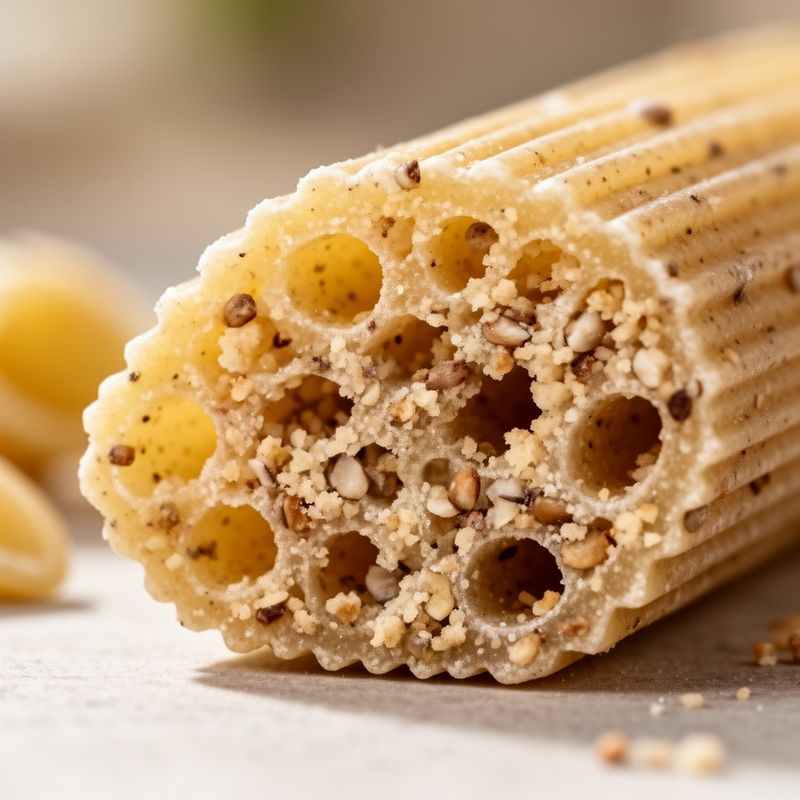
Barilla’s Whole Grain Spaghetti and Whole Grain Penne are made from 100 % whole‑wheat durum flour, meaning the bran, germ, and endosperm stay intact. By contrast, the classic Barilla Spaghetti (often labeled “semolina” or “durum wheat”) uses refined flour that strips away the bran and germ during milling. The result is a pasta that looks identical on the plate but differs dramatically in fiber, micronutrients, and how quickly it’s digested
Quick facts at a glance
| Feature | Barilla Whole‑Grain (spaghetti, dry) | Barilla Regular (spaghetti, dry) |
|---|---|---|
| Serving size | 2 oz (56 g) | 2 oz (56 g) |
| Calories | 210 kcal | 200 kcal |
| Protein | 8 g | 7 g |
| Total carbs | 40 g | 42 g |
| Dietary fiber | 6 g (≈2× regular) | 3 g |
| Sugar | 1 g | 1 g |
| Sodium | 0 mg | 0 mg |
| Gluten | Yes | Yes |
| Cooking time | 8 min | 8 min |
Barilla lists no added sodium; natural sodium is negligible
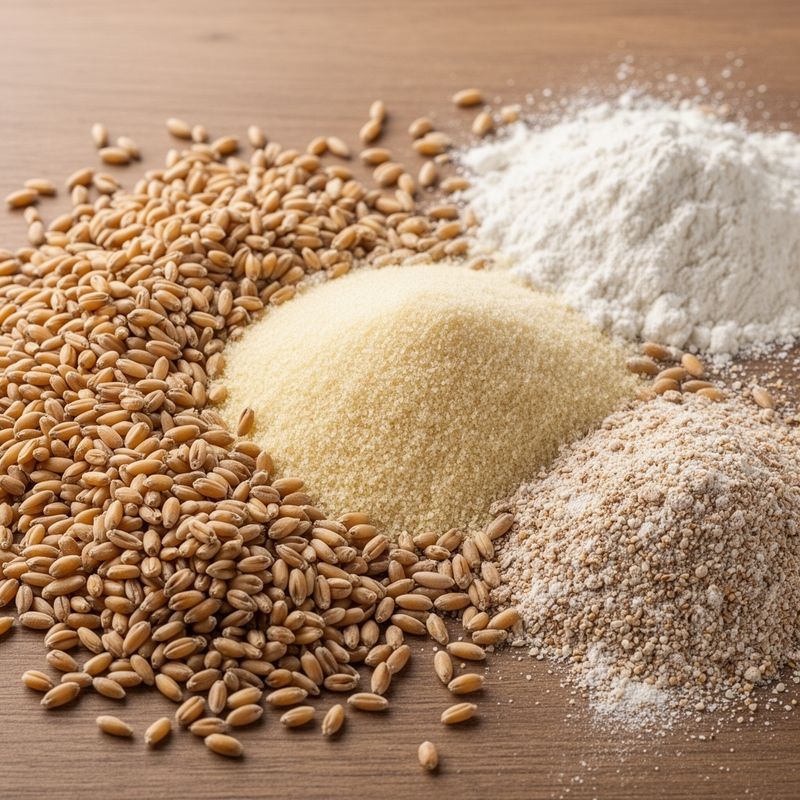
Fiber: The Satiety Superhero
Fiber is the star of the whole‑grain show. Each 2‑ounce serving of Barilla Whole‑Grain delivers 6 g of dietary fiber which is roughly 20 % of the daily value for adults. That extra fiber does three things
1 Slows digestion– The bran matrix creates a physical barrier that slows carbohydrate breakdown, leading to a more gradual rise in blood glucose
2 Boosts fullness– Fiber absorbs water, expanding in the stomach and sending “I’m full” signals to the brain via the vagus nerve
3 Feeds gut microbes– Soluble fiber ferments into short‑chain fatty acids (SCFAs) that support a healthy microbiome, a topic explored in depth in Soluble Fiber: Boost Gut Health & Blood Sugar
In practical terms, a bowl of whole‑grain pasta can keep you satisfied 30–45 minutes longer than a bowl of regular pasta, reducing the temptation to snack on high‑calorie crackers or sugary drinks later in the day
Glycemic Index (GI) – How “calming” is the carb?
The glycemic index measures how quickly a carbohydrate raises blood glucose. Regular Barilla spaghetti sits around GI 55–60 classifying it as a medium‑glycemic food. Whole‑grain Barilla, thanks to its intact bran, drops to GI 45–50 nudging it into the lower‑medium range
Why does a lower GI matter? A slower glucose release means smaller insulin spikes which translates to steadier energy levels and less post‑meal fatigue. For anyone managing type‑2 diabetes, pre‑diabetes, or simply looking to avoid the “energy crash” after lunch, the whole‑grain option is the calmer choice
If you’re curious about how Barilla’s fiber, protein, and GI stack up across product lines, see the comparative guide in Barilla: fiber, protein & GI of whole, semi & white pasta
Protein Power – Slight Edge, Same Quality
Both whole‑grain and regular Barilla pasta are made from durum wheat, which provides a high‑quality plant protein containing all essential amino acids, though not in the same ratios as animal sources. The whole‑grain version edges out the regular by 1 g per serving a modest boost that can add up when paired with protein‑rich sauces (think turkey meatballs or lentil ragù)
For athletes or active adults, the extra protein can aid muscle repair after a workout, especially when combined with a lean protein source. The difference isn’t massive, but it’s another reason to consider the whole‑grain variety when you’re counting macros
Micronutrients – The Hidden Benefits
Because the bran and germ stay in the grain, whole‑grain Barilla provides more vitamins and minerals than its refined counterpart. Notable increases include
- Iron– ~1.5 mg vs 0.8 mg per serving (≈10 % vs 5 % DV)
- Magnesium– ~45 mg vs 20 mg (≈11 % vs 5 % DV)
- B‑vitamins (thiamin, niacin, folate) – roughly double the amounts found in regular pasta
These micronutrients support energy metabolism, red‑blood‑cell production, and nervous‑system health – all factors that contribute to a calmer, more balanced day
Digestive Comfort – Less Bloat, More Bliss
Many people report feeling lighter after a whole‑grain pasta meal. The higher fiber content promotes regular bowel movements and reduces constipation. Additionally, the slower carbohydrate absorption means less gas production from bacterial fermentation, which can be a relief for those prone to bloating
If you’ve ever experienced post‑meal sluggishness, swapping to whole‑grain may be a simple fix. The combination of fiber and protein also stabilizes appetite hormones like ghrelin and leptin, helping you stay on track with portion control
Flavor & Texture – Does “Calm” mean “Bland”?
A common myth is that whole‑grain pasta tastes “nutty” to the point of being off‑putting. Barilla’s whole‑grain line is crafted to retain the classic al‑dente bite you love, with only a subtle earthiness that pairs beautifully with robust sauces (tomato‑basil, mushroom‑cream, or pesto). In blind taste tests, many consumers can’t reliably distinguish whole‑grain from regular when the sauce is flavorful
If you’re new to whole‑grain, try cooking it one minute less than the package suggests to keep the interior tender. A quick rinse under cold water after draining also helps preserve the texture
Practical Kitchen Tips
| Situation | Recommended Pasta | Why |
|---|---|---|
| Quick weeknight dinner | Regular Barilla Spaghetti | Faster cooking, slightly lower calorie count if you’re watching strict calories. |
| Meal‑prep for lunch | Barilla Whole‑Grain Penne | Higher fiber keeps you full through the afternoon; ridges hold sauce well for reheating. |
| Family dinner with kids | Barilla Whole‑Grain Spaghetti | Subtle flavor, extra fiber for growing bodies, and the same fun shape they love. |
| Low‑GI diet | Whole‑Grain any shape | Lower glycemic impact helps maintain steady energy. |
Cooking Hacks
1 Salt the water– 1 tbsp (≈15 g) per gallon enhances flavor without adding noticeable sodium
2 Don’t over‑cook– Aim for “al‑dente” (firm to the bite). Over‑cooking destroys some fiber’s structural benefits
3 Finish in the sauce– Transfer drained pasta to the pan for the last 1‑2 minutes; the starches will help the sauce cling while keeping the pasta moist
Whole‑Grain vs. Semi‑Whole vs. White – The Bigger Picture
Barilla also offers a Semi‑Whole line that blends refined and whole‑grain flour (about 50 % whole‑grain). This can be a compromise for those who want a milder flavor while still gaining some fiber benefits. However, the full whole‑grain version remains the clear winner for the most pronounced calming effects on blood sugar and satiety
Who Should Choose Whole‑Grain?
- People with pre‑diabetes or diabetes– Lower GI helps manage glucose levels
- Weight‑watchers– Higher fiber promotes fullness, reducing overall calorie intake
- Athletes & active adults– Extra protein and micronutrients aid recovery
- Anyone seeking gut health– Fiber feeds beneficial bacteria, supporting overall well‑being
Who Might Stick with Regular?
- Those on a very low‑fiber diet due to certain digestive conditions (e.g., active Crohn’s flare‑ups)
- People with limited time who prefer the slightly faster cooking time and marginally lower calorie count
- Taste purists who love the classic, neutral flavor profile for delicate sauces
Bottom Line – Which Pasta Calms More?
If “calm” is defined by steady blood sugar, prolonged satiety, and gut‑friendly digestion the answer is clear Barilla Whole‑Grain pasta wins The added fiber, lower glycemic index, and richer micronutrient profile create a more balanced metabolic response, which translates into fewer cravings, steadier energy, and a happier gut
That said, the difference isn’t a dramatic health overhaul; it’s a smart, incremental upgrade Swapping just a few meals a week to whole‑grain can add up to noticeable benefits over months, especially when paired with a balanced sauce, lean protein, and plenty of veggies
How to Incorporate Whole‑Grain Into Your Routine
1 Batch‑cook and freeze– Cook a large pot of whole‑grain penne, portion into freezer‑safe bags, and add sauce when reheating
2 Mix‑and‑match– Use whole‑grain spaghetti for hearty meat sauces and regular spaghetti for light olive‑oil‑based dishes
3 Add extra veggies– Toss in broccoli, spinach, or roasted bell peppers to boost fiber even further
4 Experiment with sauces– A creamy avocado‑lime sauce or a robust mushroom‑red‑wine reduction pairs beautifully with the nutty notes of whole‑grain pasta
Frequently Asked Questions
Q: Does whole‑grain pasta contain more calories?
A: Slightly – about 10 kcal more per 2‑ounce serving, mainly due to the extra fiber and protein. The satiety benefit usually offsets the small calorie increase
Q: Is whole‑grain pasta gluten‑free?
A: No. Both whole‑grain and regular Barilla pasta are made from durum wheat and contain gluten. For gluten‑free options, look for rice‑ or corn‑based alternatives
Q: Can I use whole‑grain pasta in a cold pasta salad?
A: Absolutely! The firmer texture holds up well in salads, and the extra fiber keeps the dish satisfying
Q: How does Barilla compare to other U.S. brands like De Cecco or Rao’s?
A: Nutritionally, most major U.S. brands offer comparable whole‑grain lines with similar fiber (≈6 g per serving) and GI values. Barilla’s advantage is its wide availability and consistent cooking times
Q: Will whole‑grain pasta help with weight loss?
A: While no single food guarantees weight loss, the higher fiber content can reduce overall calorie intake by curbing snacking and supporting portion control
Takeaway Recipe Calming Whole‑Grain Penne with Lemon‑Garlic Chickpeas
Serves 4
Ingredients
- 12 oz (340 g) Barilla Whole‑Grain Penne
- 1 can (15 oz/425 g) chickpeas, drained & rinsed
- 2 tbsp olive oil
- 3 cloves garlic, minced
- Zest & juice of 1 lemon
- 1 cup (30 g) baby spinach
- ¼ cup (25 g) grated Pecorino Romano
- Salt & freshly cracked black pepper to taste
Directions
- Cook penne 8 minutes until al‑dente; reserve ½ cup pasta water
- While pasta cooks, heat olive oil in a large skillet over medium heat. Add garlic and sauté 30 seconds
- Add chickpeas; cook 3‑4 minutes until lightly browned
- Stir in lemon zest, lemon juice, and spinach; cook until wilted
- Toss the drained penne into the skillet, adding reserved pasta water to create a light sauce
- Finish with Pecorino, season, and serve warm
This dish showcases the calming power of whole‑grain carbs plant protein from chickpeas, and the mood‑lifting zing of lemon – a perfect illustration of how a simple swap can elevate both nutrition and enjoyment
Ready to make the switch? Grab a box of Barilla Whole‑Grain spaghetti or penne on your next grocery run and experience the subtle, lasting calm that comes from feeding your body the right kind of carbs
For more science‑backed food comparisons, check out these articles:
- Barilla: fiber, protein & GI of whole, semi & white pasta
- Soluble Fiber: Boost Gut Health & Blood Sugar
- Whole Grain? What Kellogg’s All‑Bran 100% Whole Says
Enjoy your pasta, and let the calm begin!
🔍 FoodReveal helps you decode nutrition labels beyond marketing. Available for Android and iOS.
Sources and Further Reading
1 Whole Grain Spaghetti: Nutrition Facts & More
2 Barilla Whole Wheat Pasta Nutrition Facts
3 Barilla Whole Grain Penne Wheat Pasta, 16 oz - King Kullen