
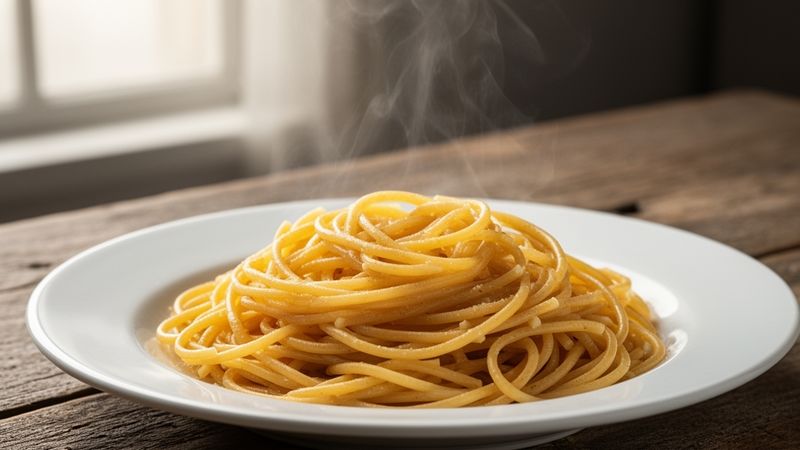
Barilla: fiber, protein & GI of whole, semi & white pasta
Barilla has been a household name in pasta for over a century, and its product line now spans everything from classic white spaghetti to hearty whole‑grain and semi‑whole‑grain varieties. For anyone who loves pasta but also wants to make informed nutritional choices, understanding the differences in fiber protein and glycemic index (GI) across Barilla’s range is essential. This guide dives deep into the science, the numbers, and the practical tips that let you enjoy a satisfying plate without sacrificing health
Introduction
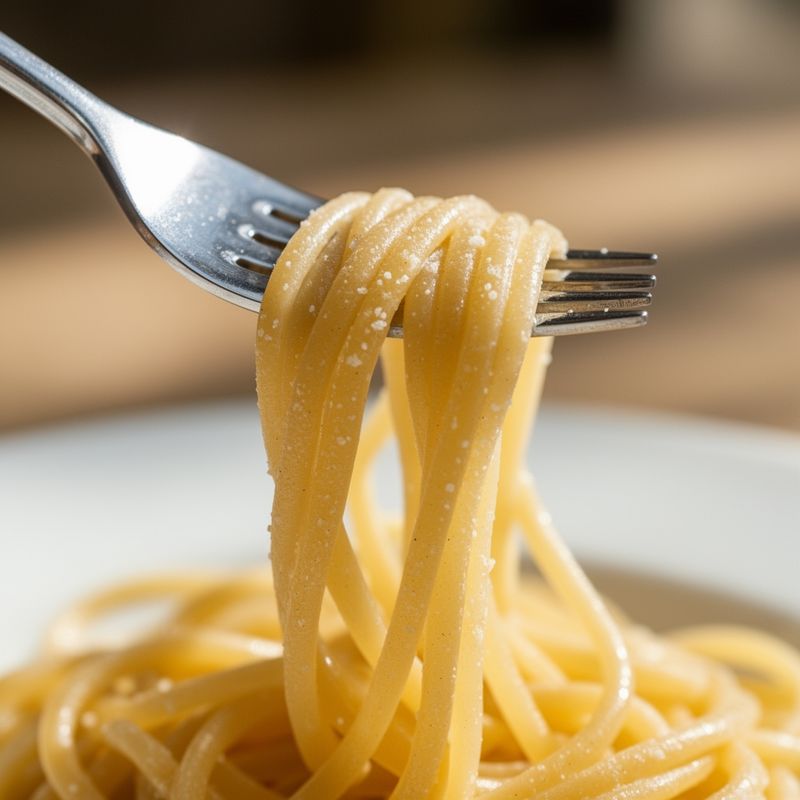
Pasta is often labeled a “carb‑heavy” food, yet not all carbs are created equal. The grain’s processing level—white, semi‑whole, or whole—determines how much of the bran and germ remain, directly influencing fiber content, protein quality, and the speed at which sugars enter the bloodstream. Barilla’s portfolio gives consumers the flexibility to choose a pasta that matches their dietary goals, whether that’s boosting daily fiber, supporting muscle repair, or managing blood‑sugar spikes
“The best pasta is the one that fits your lifestyle and your body’s needs, not the one that simply looks the prettiest on the plate.”– Nutrition expert, Dr. Elena Rossi
Understanding Pasta Types
Barilla categorises its dry pasta into three main groups
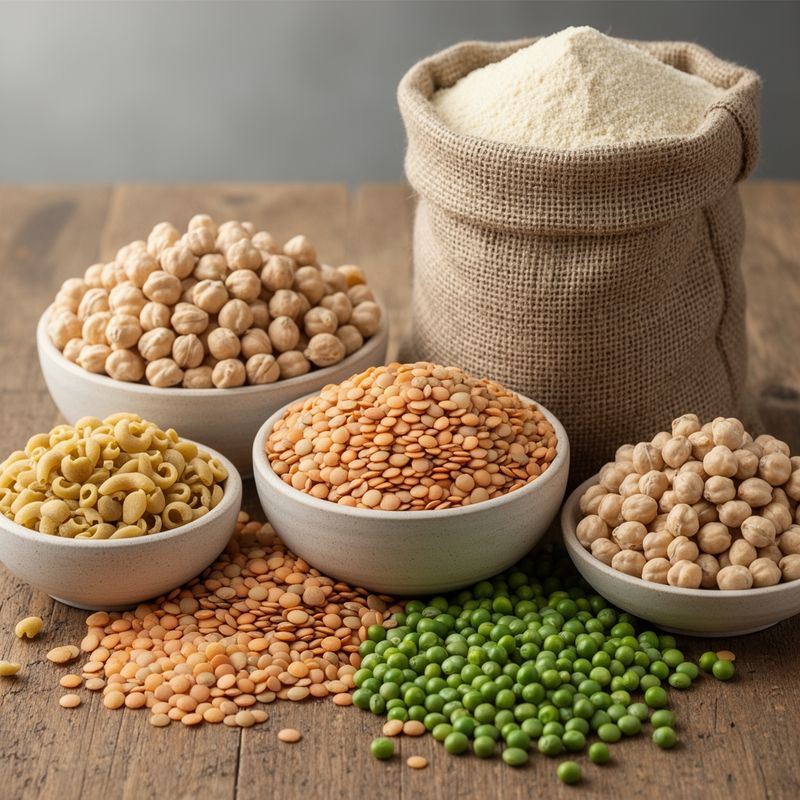
- White (enriched or unenriched)– Made from refined durum wheat semolina. The outer bran and germ are removed, resulting in a smooth texture and a neutral flavor
- Semi‑whole‑grain– Contains a blend of refined semolina and whole‑grain durum wheat flour, offering a compromise between texture and nutrition
- Whole‑grain– 100 % whole‑grain durum wheat flour, preserving the bran, germ, and endosperm for maximum fiber and micronutrient retention
Each type undergoes a slightly different milling process, which explains the variation in macro‑ and micronutrients
Nutrient Snapshot
Below is a concise comparison of the three Barilla pasta categories per 100 g dry weight. Values are rounded to the nearest whole number where appropriate
Semi‑whole‑grain values are an average of Barilla’s “Semolina Whole Wheat” blends
Fiber Focus
Why Fiber Matters
Dietary fiber is the plant‑based carbohydrate that the body cannot digest. It plays three critical roles
- Gut health Soluble fiber ferments in the colon, feeding beneficial bacteria that produce short‑chain fatty acids
- Satiety Bulky fiber expands in the stomach, helping you feel full longer and supporting weight‑management goals
- Blood‑sugar control Fiber slows glucose absorption, flattening post‑meal spikes
Barilla’s Fiber Numbers in Context
A standard 2‑ounce (56 g) serving of Barilla Whole‑Grain Spaghetti delivers roughly 4 g of fiber which is about 15 % of the daily value for an average adult. By contrast, the same portion of classic white spaghetti provides only 1 g The semi‑whole‑grain line sits in the middle, offering 2–3 g per serving
“Switching just one meal a week from white to whole‑grain pasta can add up to an extra 12 g of fiber over a month—enough to noticeably improve digestive regularity.”– Registered dietitian, Maya Patel
Protein Power
Protein is the building block for muscles, enzymes, and immune cells. Pasta’s protein comes primarily from durum wheat, which is naturally high in gluten—a complete protein containing all essential amino acids, except for a relatively low amount of lysine
- Whole‑grain Barilla pasta provides 13 g of protein per 100 g, a modest increase over the 12 g found in white and semi‑whole varieties
- The difference stems from the retained germ, which is protein‑dense
- Pairing pasta with legumes, lean meat, or dairy can easily push the meal’s protein content above 20 g meeting the needs of most active adults
Practical Protein Boosters
- Add a handful of toasted pine nuts (≈2 g protein per tablespoon)
- Stir in a cup of chickpeas (≈15 g protein total)
- Finish with a sprinkle of grated Parmesan (≈10 g protein per 30 g)
Glycemic Index Explained
The glycemic index (GI) ranks carbohydrate foods on how quickly they raise blood glucose. Lower GI foods cause a slower, more gradual rise, which is beneficial for sustained energy and metabolic health
- White Barilla pasta typically lands in the medium‑high GI range (60‑70)
- Semi‑whole‑grain sits around 55 edging into the low‑moderate zone
- Whole‑grain consistently scores 45–50 classified as low GI
How Cooking Time Affects GI
Even whole‑grain pasta can see its GI creep upward if overcooked. “Al dente” (firm to the bite) preserves the starch’s resistant structure, keeping the GI lower. Aim for the minimum cooking time suggested on the package—usually 7–8 minutes for Barilla’s whole‑grain spaghetti
Comparing Whole, Semi‑Whole, and White Pasta
Below is a quick‑reference table that juxtaposes the three categories across the three key metrics
Key Takeaways
- Fiber Whole‑grain wins by a wide margin; semi‑whole offers a middle ground
- Protein Differences are modest; all Barilla pastas provide a solid protein base
- GI Whole‑grain consistently scores the lowest, making it the best choice for steady blood‑sugar control
Cooking Tips for Optimal Nutrition
- Use plenty of water– A rolling boil (≈100 °C) ensures the pasta cooks evenly without sticking
- Add salt after the water boils– About 1 Tbsp per 4 L improves flavor without affecting the GI
- Cook “al dente.”For whole‑grain, set a timer for 7 minutes for semi‑whole 8 minutes for white 9 minutes
- Reserve pasta water– The starchy liquid can be whisked into sauces, creating a silky texture while reducing the need for extra fat
- Don’t rinse– Rinsing washes away surface starch that helps sauce cling and strips away some of the remaining nutrients
Sample Meal Plan (Whole‑Grain Focus)
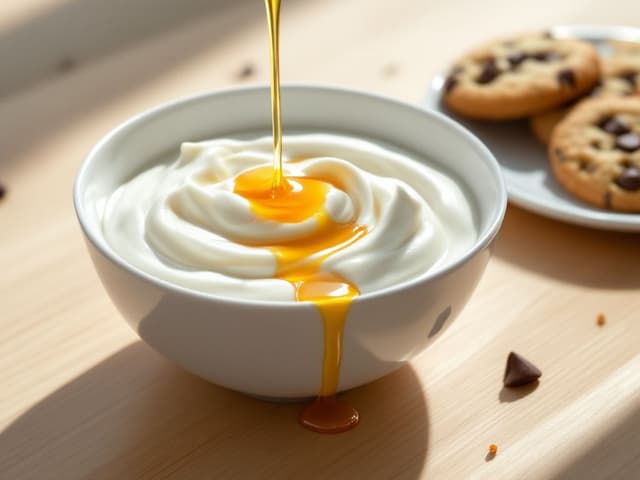
- Breakfast Greek yogurt with berries and a drizzle of honey
- Lunch Barilla Whole‑Grain Spaghetti tossed with roasted cherry tomatoes, sautéed spinach, and grilled chicken breast. Finish with a squeeze of lemon and a sprinkle of pine nuts
- Snack Apple slices with almond butter
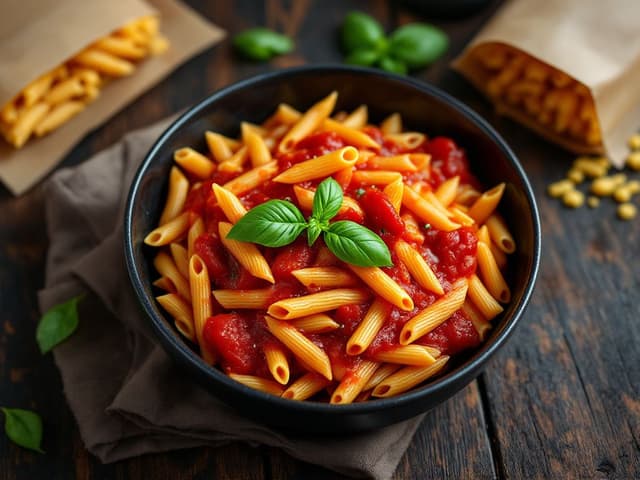
- Dinner Barilla Semi‑Whole‑Grain Penne in a lentil‑tomato ragù, served with a side of steamed broccoli
This plan delivers≈30 g of fiber and≈70 g of protein across the day, showcasing how a few strategic swaps can elevate nutrition without compromising taste
Frequently Asked Questions
Q: Is Barilla’s “Enriched White” pasta healthier than the regular white version?
A: Enrichment adds back some B‑vitamins (thiamin, riboflavin, niacin, folate) that are lost during refining. While it improves the micronutrient profile, the fiber content remains low, so it’s still a higher‑GI option compared with whole‑grain
Q: Can I substitute whole‑grain pasta in traditional Italian recipes?
A: Absolutely. Whole‑grain’s nutty flavor pairs well with robust sauces—think pesto, Bolognese, or mushroom ragù. The key is to respect the al dente timing to avoid a mushy texture
Q: Does the shape of the pasta affect its nutritional value?
A: The shape (spaghetti, penne, fusilli) does not change the macro‑nutrient content per weight. However, surface area can influence sauce adherence and perceived satiety
Q: How does Barilla ensure the quality of its whole‑grain pasta?
A: Barilla uses 100 % whole‑grain durum wheat flour as the sole ingredient, avoiding added sugars or artificial preservatives. The durum wheat’s high protein and gluten content guarantee that the pasta retains a firm, “al dente” bite even after the whole‑grain milling process
Bottom Line
When the goal is to boost fiber maintain solid protein and keep the glycemic response modest Barilla’s whole‑grain pasta stands out as the clear champion. The semi‑whole‑grain line offers a gentle transition for those who love the texture of white pasta but crave a nutritional edge. Classic white Barilla pasta remains a beloved staple, especially for quick meals, yet it should be enjoyed in moderation if blood‑sugar control is a priority
By choosing the right type, cooking it to the perfect al dente, and pairing it with nutrient‑dense sauces and proteins, you can turn a simple plate of pasta into a balanced, health‑supporting meal. So next time you reach for that Barilla box, consider the fiber, protein, and GI—your body will thank you
Ready to experiment? Try Barilla’s Whole‑Grain Spaghetti with a lemon‑garlic olive oil sauce, a handful of toasted walnuts, and a sprinkle of Pecorino Romano. You’ll taste the classic Italian comfort you love, now fortified with extra fiber and a lower glycemic impact
🔍 FoodReveal helps you decode nutrition labels beyond marketing. Available for Android and iOS.