
## Key Differences at a Glance
## Barilla vs. La Molisana: A Side-by-Side Comparison
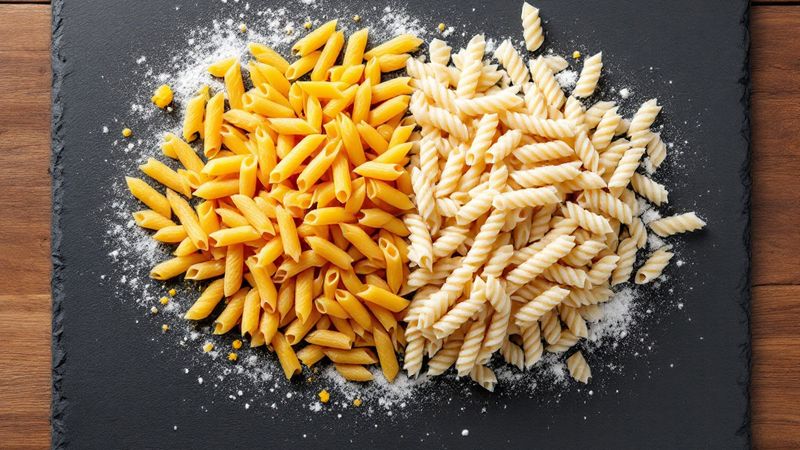
Barilla and La Molisana are two icons of the Italian pasta landscape, but they differ in market positioning, production philosophy, and raw material sourcing. Barilla, with a network of plants distributed across Italy and abroad, focuses on mass production, ensuring consistent quality and competitive prices through economies of scale. La Molisana, on the other hand, concentrates more on the Molise region, maintaining a shorter supply chain and prioritizing high-quality durum wheat from selected cultivars in Abruzzo. In terms of philosophy, Barilla has invested heavily in “whole grain” and “semi-whole grain” lines to expand its health-focused offering, while La Molisana emphasizes respect for artisanal tradition and ingredient transparency, aiming for a “clean-label” image. Both brands use 100% Italian durum wheat, but specific origins and blending processes can affect the protein content and final texture of the pasta.
## Head-to-Head Nutritional Comparison
Below is a comparative table of average nutritional values per 100 g of dry product (source: official labels).
| Nutrient | Barilla (Fusilli Integrali) | La Molisana (Fusilli Proteici) |
|---|---|---|
| Energy (kcal) | 340 kcal | 332 kcal |
| Protein (g) | 13.0 g | 19.5 g |
| Fat (g) | 2.0 g | 2.2 g |
| of which saturates (g) | 0.4 g | 0.5 g |
| Carbohydrates (g) | 66.0 g | 57.0 g |
| of which sugars (g) | 2.5 g | 1.8 g |
| Fibre (g) | 6,5 g | 5,0 g |
| Salt (g) | 0,01 g | 0,01 g |
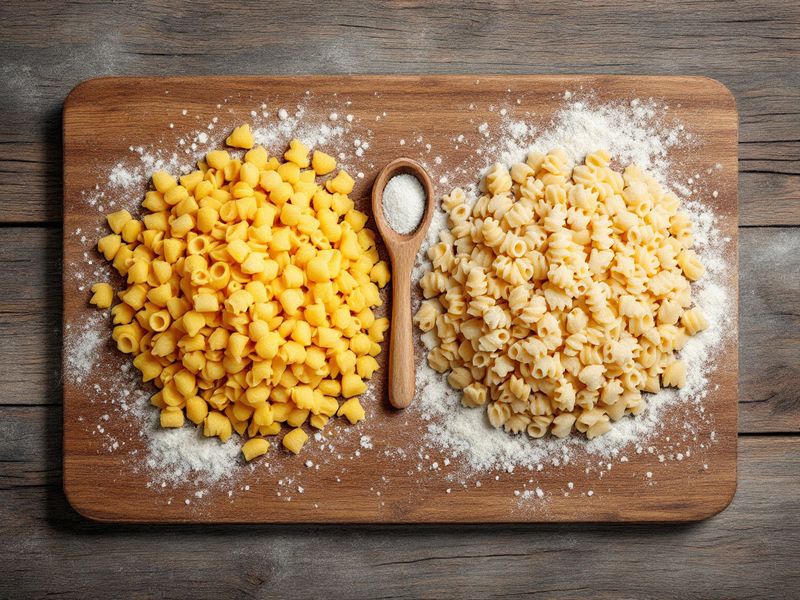
Barilla presents a slightly higher caloric content, mainly due to the complex carbohydrates typical of whole wheat. La Molisana, with its protein pasta, reduces carbohydrates in favor of a protein share that is almost 50% higher, making it more suitable for athletes or those following high-protein diets. Both lines maintain a very low fat and salt intake, within legal limits. To explore other similar comparisons, check out our article on Barilla vs De Cecco: A Comparison of the Two Pasta Brands.
## In-Depth Ingredient Analysis
- Barilla Whole Wheat Fusilli: whole wheat durum semolina (70%), durum wheat flour (30%), water, salt.
- La Molisana Protein Fusilli: 100% durum wheat semolina (70%), legume flour (peas, chickpeas) enriched with plant proteins (30%), salt.
Both recipes do not call for the addition of oils or flavorings in the dry pasta; any sauces or toppings should be added at the time of consumption.
### Additives and Processing Aids
The two lines are practically “clean-label.” The only processing aid present is E300 (ascorbic acid), used by Barilla in minimal quantities to preserve the color and stability of the whole grain product. La Molisana, in its protein pasta, does not use numbered additives, relying exclusively on the combination of semolina and vegetable flours to ensure shape retention during cooking. All additives permitted by the EFSA have been evaluated as safe at legal doses, so their presence (when present) poses no health risks and complies with current regulations.
## How to Choose Between the Two: Buying Guide
If your priority is to increase protein intake without sacrificing tradition, La Molisana’s protein pasta is the most suitable choice, especially for athletes, low-carb diets, or those seeking longer-lasting satiety. Barilla, with its whole wheat fusilli, is better suited for families looking for a versatile product, rich in fiber and with a familiar taste, ideal for classic dishes and for those following a balanced diet based on whole grains. Also consider the budget: Barilla tends to offer more affordable prices thanks to large-scale production, while La Molisana may be slightly more expensive, reflecting a shorter supply chain and the use of premium vegetable flours. Therefore, evaluate your nutritional needs, the type of recipe you intend to prepare, and the best value for money for your lifestyle.
Barilla vs La Molisana: Protein Pasta and Pure
## Top Products on the Market
- Barilla Whole Wheat Spaghetti 100 % Durum – Available in most hypermarkets (Esselunga, Coop, Carrefour). Made with whole wheat durum, it retains the bran and germ, ensuring a higher fiber content (≈ 5 g/100 g) and a lower glycemic index compared to classic white spaghetti. Ideal for those who want to increase their fiber intake without sacrificing traditional taste.
- La Molisana Legume Pasta – Lentils – Found in the organic sections of Conad and Carrefour. It is 100 % lentil pasta, gluten-free, with approximately 23 g of protein and 12 g of fiber per 100 g. The texture is heartier and cooking time is 8–9 min, perfect for high-protein and vegetarian diets.
- Barilla Protein + Spaghetti (Pea Protein) – Sold at Esselunga and Coop, it combines durum wheat semolina with isolated pea protein, reaching 15 g of protein and 4 g of fiber per 100 g. The pasta maintains Barilla’s classic al dente bite but offers a protein value nearly equal to that of lean meat, excellent for athletes and those reducing meat consumption.
## Recipes and Practical Uses
### Recipe 1: Whole Wheat Spaghetti with Arugula and Walnut Pesto
Ingredients:
- Barilla whole wheat spaghetti – 80 g per serving
- Fresh arugula – 30 g
- Shelled walnuts – 20 g
- Grated Parmigiano Reggiano – 10 g
- Extra virgin olive oil – 1 tablespoon
- Salt and pepper to taste.
Method:
- Cook the whole wheat spaghetti in plenty of salted water for 9–10 min, draining them al dente.
- Meanwhile, blend arugula, walnuts, Parmesan, oil, salt, and pepper until a smooth cream is obtained.
- Toss the pasta with the pesto, stirring gently to distribute the flavor.
Preparation time: 20 minutes.
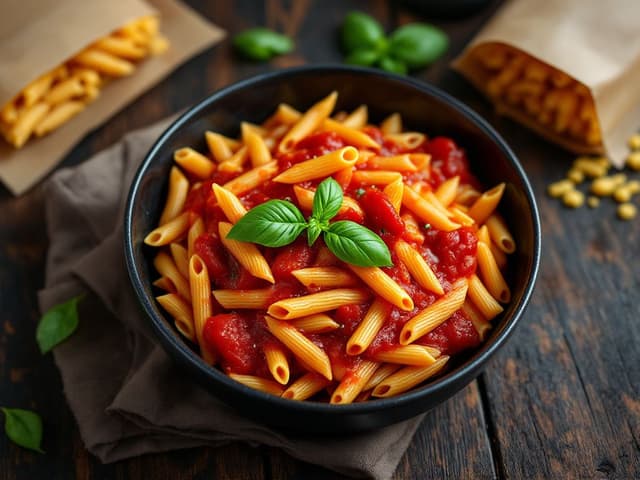
### Recipe 2: Lentil Penne with Rustic Tomato Sauce
Ingredients:
- La Molisana Lentil Penne – 75 g per serving
- Canned peeled tomatoes – 200 g
- Minced garlic – 1 clove
- Fresh basil – 5 g
- Extra virgin olive oil – 1 tablespoon
- Chili pepper (optional) – to taste
- Coarse salt – to taste
Method:
- Bring a pot of salted water to a boil and cook the lentil penne for 8–9 minutes, draining them al dente.
- In a pan, heat the oil, add the garlic and chili pepper, then deglaze with the peeled tomatoes, letting it simmer for 10 minutes.
- Toss the pasta in the sauce, season with salt, and add fresh basil before serving.
Preparation time: 25 minutes.
Supply chain impact, packaging, and conscious consumer choices – Both brands invest in recyclable packaging: Barilla uses bags made from recycled PET plastic, while La Molisana opts for FSC-certified kraft cardboard boxes. Choosing legume or whole-grain pasta reduces reliance on intensive wheat farming, lowers the carbon footprint, and promotes a more balanced diet.
## Frequently Asked Questions
### What is the nutritional difference between whole-grain pasta and legume pasta?
Whole-grain pasta retains the fiber, B vitamins, and minerals found in the bran, with a medium-low GI. Legume pasta, on the other hand, is rich in protein (≈ 20 g/100 g) and fiber, but has a lower carbohydrate content and an even lower GI.
### Is Barilla's high-protein pasta suitable for those with gluten intolerance?
No, the “Proteine +” line is still made from durum wheat semolina, so it contains gluten. For those with intolerance, La Molisana's legume pasta is certified gluten-free.
### What is the recommended cooking time to maximize protein retention?
For legume and high-protein pasta, it is recommended to cook al dente (8–10 min) because overcooking can denature some of the proteins and reduce texture, making the dish less enjoyable.
## Final Verdict
Both brands offer valid solutions for those seeking a higher-protein, more nutritious pasta, but the choice depends on individual priorities: Barilla excels for those who want to maintain traditional taste and have better local availability, while La Molisana stands out for its protein content and the gluten-free nature of its legume-based products. For a balanced diet, we recommend alternating between the two types, taking advantage of the properties of whole grains and plant proteins. Learn more about the nutritional impact of Barilla variants in our in-depth guide on Fibers, proteins, and GI: whole grain, semi-integral, and white Barilla.
> FoodReveal helps you decode nutritional labels beyond the marketing. Available for Android and iOS.