
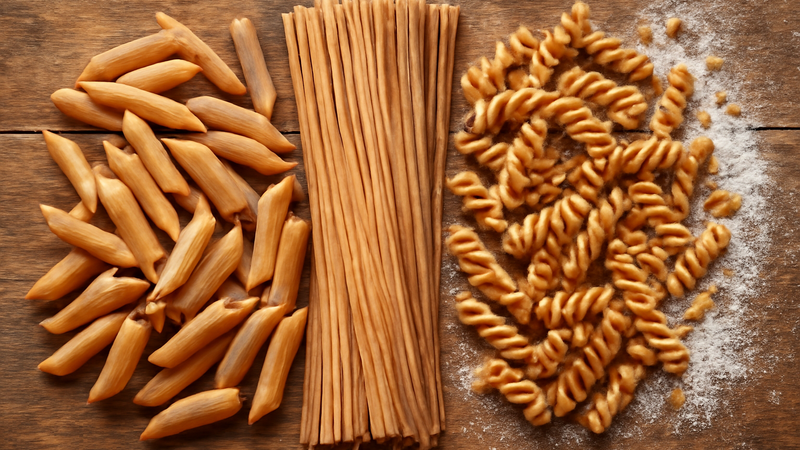
Navigating the pasta aisle for whole wheat options can sometimes feel like a game of 'spot the difference.' Two prominent brands, Barilla and Ronzoni, offer whole grain spaghetti that promises a healthier twist on a classic meal. For US consumers focused on nutrition and quality, understanding the nuances between these popular choices is key to making an informed decision for their pantry.
This comparison dives deep into their nutritional profiles, ingredients, and what sets them apart on supermarket shelves. We'll explore how these whole wheat contenders stack up, helping you decide which brand best fits your dietary needs and culinary preferences. For a broader perspective on pasta choices, you might also be interested in [Barilla whole wheat vs regular: which pasta calms more?](https://www.foodreveal.app/en/blog/barilla-whole-wheat-vs-regular-which-pasta-calms-more).
Key Differences at a Glance
When comparing Barilla and Ronzoni whole wheat spaghetti, the immediate takeaway is their remarkable similarity in core nutritional values. Both deliver 180 kcal per 2 oz (56g dry) serving, with identical carbohydrate and fat content. However, subtle distinctions emerge in their fiber and protein counts, which can be significant for those tracking specific macronutrients. Barilla, an Italian brand with a global presence, offers slightly more fiber, while Ronzoni, an American brand strong in the Northeast, provides a touch more protein.
Beyond the numbers, their brand heritage and market presence in the US differ. Barilla, founded in Parma in 1877, is a global leader widely available across the nation. Ronzoni, established in Queens, NY, in 1915, holds the title of America's number one regional pasta brand, particularly strong in the Northeast, Southeast, and Mid-Atlantic regions. These factors often influence availability and pricing for consumers.
Nutritional Head-to-Head
A close look at the nutritional labels reveals that both Barilla and Ronzoni whole wheat spaghetti are excellent choices for incorporating whole grains into your diet. Each serving provides 180 calories and 39g of carbohydrates, making them comparable energy sources. The primary differences lie in their fiber and protein content, which are crucial for satiety and muscle support. It's worth noting that specific values can vary slightly by pasta shape and label source, so always check the package.
Barilla Whole Grain Spaghetti leads with 7g of fiber per serving, offering a notable contribution to daily fiber intake. Ronzoni Whole Grain Spaghetti, while still a good source, provides 5g of fiber. Conversely, Ronzoni edges out Barilla in protein, delivering 9g compared to Barilla's 8g. Both are fat-conscious with 1.5g of fat and contain 0mg of sodium, making them heart-friendly options. Ronzoni has 2g of sugars compared to Barilla's 1g, a minor difference for most diets.
| Nutrient (per 2 oz / 56g dry) | Barilla Whole Wheat | Ronzoni Whole Wheat |
|---|---|---|
| Calories | 180 kcal | 180 kcal |
| Carbohydrates | 39 g | 39 g |
| Fiber | 7 g | 5 g |
| Protein | 8 g | 9 g |
| Fat | 1.5 g | 1.5 g |
| Sugars | 1 g | 2 g |
| Sodium | 0 mg | 0 mg |
Ingredients: Single-Ingredient Simplicity
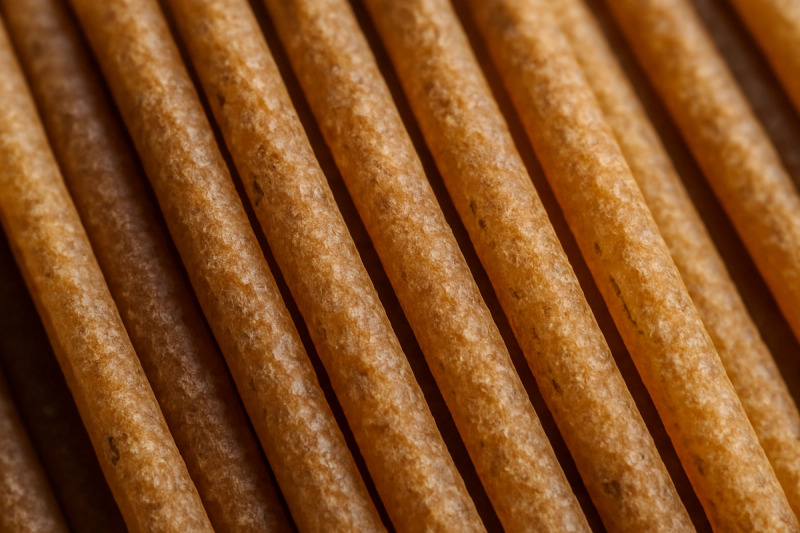
Both Barilla and Ronzoni whole wheat spaghetti champion simplicity in their ingredient lists, a testament to their commitment to whole grain goodness. Each brand proudly features a single ingredient: whole grain durum wheat flour. This straightforward approach ensures that consumers are getting an unadulterated product, free from unnecessary additives or fillers. The use of whole grain durum wheat flour means the entire wheat kernel – including the bran, germ, and endosperm – is used, preserving its natural nutrients.
This single-ingredient focus also aligns with their positioning as vegetarian and non-GMO products, without artificial colors. For consumers prioritizing clean eating and minimal processing, both Barilla and Ronzoni offer transparent and wholesome options. Their dedication to using just one core ingredient underscores their quality and nutritional integrity, making them reliable choices for a healthy diet.
Cooking, Texture and Everyday Use
While nutritional labels provide objective data, the cooking experience and final texture often dictate consumer preference. Both Barilla and Ronzoni whole wheat spaghetti are designed to cook similarly, typically reaching al dente perfection by following the package directions until al dente. However, subtle differences in the milling of the whole durum wheat flour can lead to variations in texture. Some consumers might find one brand slightly firmer or more resilient after cooking, while others might perceive a smoother mouthfeel.
These textural nuances can influence how well the pasta holds up to different sauces, from light olive oil-based preparations to hearty meat ragus. For everyday use, both brands are versatile and can be substituted interchangeably in most recipes. Ultimately, personal preference for chewiness and how the pasta integrates with your chosen sauce will be the deciding factor in which brand becomes your go-to.
How to Choose at the US Supermarket
When standing in the pasta aisle, the choice between Barilla and Ronzoni whole wheat spaghetti often boils down to a few practical considerations. Nutritionally, they are very close, with Barilla offering a slight edge in fiber and Ronzoni in protein. For most consumers, these minor differences are less impactful than factors like availability, price, and personal texture preference. Barilla's widespread distribution means it's often easier to find in any US supermarket, while Ronzoni might be more prevalent and competitively priced in its strong regional markets.
Consider your budget and what's on sale, as both brands frequently offer promotions. If you have a strong preference for a specific pasta texture, it might be worth trying both to see which you prefer. Ultimately, both Barilla and Ronzoni provide excellent, nutritious whole wheat pasta options, ensuring you can enjoy your favorite dishes while benefiting from whole grains.
Sources and Further Reading
Ronzoni Our Story: founded 1915 in Queens, New York: https://ronzoni.com/our-story/
Ronzoni Whole Grain Spaghetti: 100 percent whole wheat, 180 calories per serving: https://ronzoni.com/product/whole-grain-spaghetti-2/
Barilla Whole Grain Spaghetti: 100 percent whole wheat: https://www.barilla.com/en-us/products/pasta/whole-grain-pasta/whole-grain-spaghetti
Ronzoni whole wheat label data via MyFoodData: https://tools.myfooddata.com/nutrition-facts/2030877/wt1
Barilla whole wheat label data via MyFoodData: https://tools.myfooddata.com/nutrition-facts/1019223/wt1