


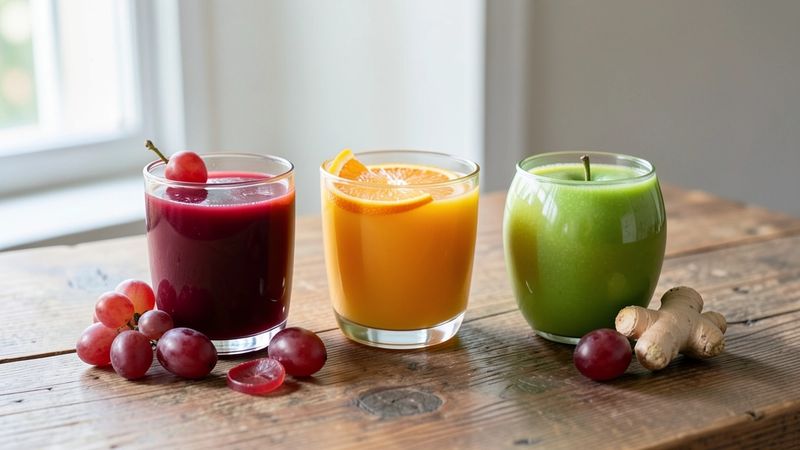
In today's bustling beverage market, fruit juice remains a popular choice for many, offering a convenient way to consume fruit-derived nutrients and flavors. However, with an ever-increasing array of brands and processing methods, discerning the best option for your health and palate can be a daunting task. Shoppers are increasingly scrutinizing labels, seeking transparency in ingredients, nutritional value, and sourcing practices. This is where a direct comparison becomes invaluable.
In this article, we pit two prominent players against each other: Welch's, a long-standing icon in the fruit juice industry known for its classic grape juice, and Suja, a modern challenger acclaimed for its cold-pressed, organic, and often vegetable-inclusive blends. We'll delve into their core philosophies, ingredient quality, nutritional profiles, and overall appeal to help you make an informed choice. Understanding what goes into your glass is paramount, and a thorough Food Label Analysis: Ingredients and Nutrition Facts can reveal much about a product's true value.
Key Differences at a Glance
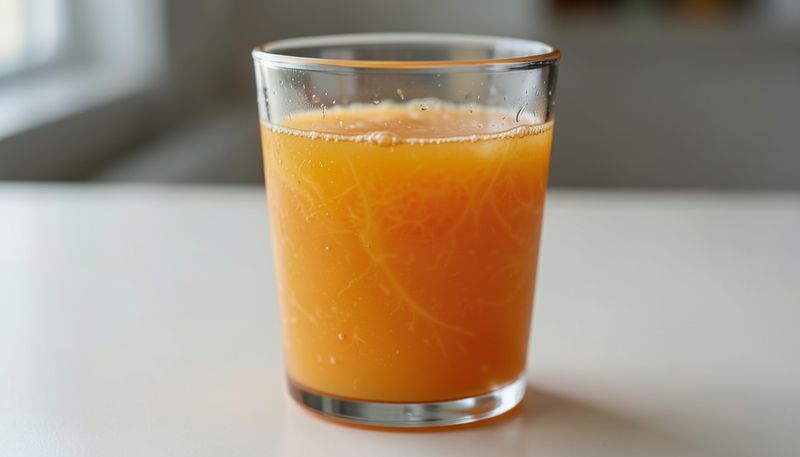
Welch's and Suja represent distinct approaches to the fruit juice market. Welch's, with a heritage dating back over 150 years, is synonymous with traditional, pasteurized fruit juices, especially those derived from Concord grapes. Its brand positioning is one of accessible, consistent, and nostalgic fruit goodness, often available at a conventional price point. Welch's typically sources grapes from family farmers across North America, focusing on established agricultural practices. Their products usually feature 100% juice from concentrate, ensuring year-round availability and a consistent flavor profile.
Suja, on the other hand, is a relatively newer brand that has quickly gained traction in the health and wellness sector. Its core differentiator lies in its commitment to organic, non-GMO ingredients and cold-pressed processing, often combined with High-Pressure Processing (HPP) to maintain nutrient integrity without heat pasteurization. Suja's product range extends beyond pure fruit juices to include innovative blends of fruits and vegetables, often marketed for specific functional benefits like digestion or immunity. This premium positioning typically translates to a higher price point, appealing to consumers prioritizing organic certification, "clean label" formulations, and nutrient density.
Head-to-Head Nutritional Comparison
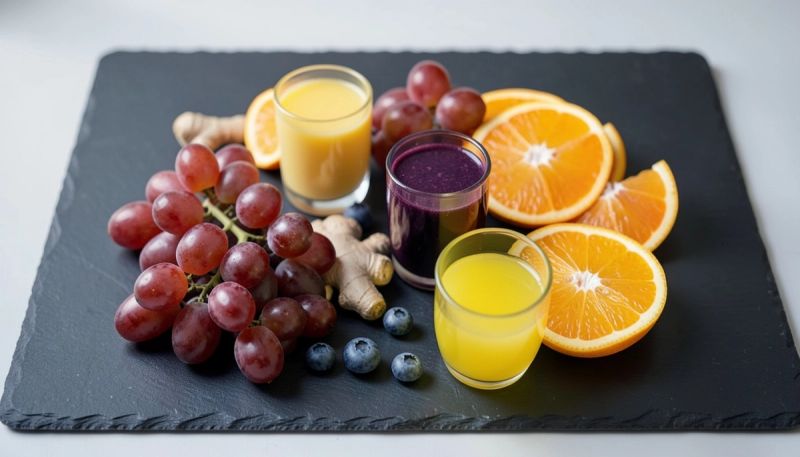
When evaluating fruit juices, the nutritional content is a crucial factor, especially regarding sugar levels. While both Welch's and Suja offer products derived from fruits, their formulations can lead to significant differences in calories, sugar, and micronutrient profiles. For this comparison, we'll consider a typical 100% Concord Grape Juice from Welch's and a representative organic fruit and vegetable blend from Suja (e.g., a green juice blend, which often features lower sugar due to vegetable content) to illustrate potential variations. Please note these are representative examples, and specific product nutritional values may vary.
| Nutrient | Welch's (100% Grape Juice, per 8 oz serving) | Suja (Organic Green Juice Blend, per 8 oz serving) |
|---|---|---|
| Calories | 170 | 60-90 |
| Protein | 1 g | 1-2 g |
| Total Fat | 0 g | 0 g |
| Total Sugars | 40 g | 8-15 g |
| Added Sugars | 0 g | 0 g |
| Sodium | 10 mg | 15-40 mg |
| Vitamin C | 100% DV | 50-100% DV (varies by blend) |
| Vitamin K | 0% DV | 50-100% DV (often high in green blends) |
Welch's 100% grape juice is naturally high in fruit sugars, contributing to its caloric density. While these are not "added sugars," the concentration can be a concern for those managing sugar intake. It's an excellent source of Vitamin C and naturally occurring antioxidants from grapes. Suja's green juice blends, by incorporating a significant proportion of vegetables like kale, spinach, and celery, tend to have a much lower sugar content and, consequently, fewer calories. They often provide a broader spectrum of vitamins and minerals, including Vitamin K from greens, which might not be present in pure fruit juices. Both brands typically offer products with no added sugars when labeled as "100% juice" or "cold-pressed juice." For consumers keenly focused on sugar content, exploring options like those discussed in Yoga vs Zuegg: Sugar-Free Juices might provide additional context.
In-Depth Ingredient Analysis
Welch's: The ingredient list for Welch's 100% Grape Juice is remarkably straightforward: "Grape Juice from Concentrate (Filtered Water, Grape Juice Concentrate), Ascorbic Acid (Vitamin C)." The use of concentrate means that water is removed from the juice for transport and storage efficiency, and then re-added before packaging. This is a common and accepted practice in the juice industry. The focus is on the fruit itself, with minimal processing beyond concentration and reconstitution.
Suja: Suja's ingredient lists are typically longer due to their diverse blends but remain very "clean." A common Suja green juice blend might list: "Organic Apple Juice, Organic Celery Juice, Organic Cucumber Juice, Organic Kale Juice, Organic Collard Green Juice, Organic Lemon Juice, Organic Spinach Juice, Organic Ginger Juice, Organic Spirulina, Organic Chlorella." The emphasis here is on organic, whole fruit and vegetable juices, often with functional additions like spirulina or chlorella. The "cold-pressed" method indicates that the juice is extracted without significant heat, followed by HPP for preservation.
Additives and Formulation Quality
Regarding additives, both Welch's 100% juices and Suja's cold-pressed blends are notable for their minimalistic formulations.
Welch's 100% Grape Juice primarily includes "Ascorbic Acid (Vitamin C)." Ascorbic acid (E300 when used as an additive in the EU) is a vitamin and a naturally occurring antioxidant. It is widely used in food processing to prevent oxidation and maintain freshness and color. Both the European Food Safety Authority (EFSA) and the U.S. Food and Drug Administration (FDA) have thoroughly assessed its safety and deem it safe for consumption. Its inclusion in Welch's juice is for nutritional enhancement and preservation, not as a filler or artificial flavoring.
Suja's products, particularly their cold-pressed and organic lines, are designed with a strong "clean label" ethos. This means they are formulated to be free from artificial flavors, colors, or preservatives. Any "additives" would typically be naturally derived, such as organic lemon juice, which serves as a natural preservative and flavor enhancer due to its acidity. Given Suja's commitment to organic and minimal processing, E-number additives are highly unlikely to be found in their core juice products. Their formulation quality emphasizes the purity and potency of raw, organic ingredients.
Performance, Taste, and Texture
The sensory experience of Welch's and Suja juices differs significantly, reflecting their distinct ingredients and processing methods.
Welch's 100% Grape Juice offers a classic, intensely sweet, and consistent flavor. It's characteristically fruity with a deep, rich grape essence that is instantly recognizable and often evokes a sense of nostalgia. The texture is uniformly smooth, clear, and thin, a result of filtration during processing, making it highly palatable and easy to drink. Its performance in applications like jellies or as a base for mixed drinks is reliable due to its consistent sweetness and flavor profile.
Suja juices, by contrast, present a far more diverse and often complex taste and texture profile, varying wildly depending on the blend. Their green juices, for example, can be earthy, herbaceous, and subtly sweet with a prominent vegetable "kick" from ingredients like kale or ginger. Fruit-focused Suja blends might be tart, bright, or tropical. The texture is often slightly thicker and can be less uniform, sometimes with a very fine pulp or a "heartier" mouthfeel, reflecting the less filtered, cold-pressed nature of the ingredients. The taste is generally perceived as "fresher" or more "raw," a testament to the cold-pressing method aiming to preserve the integrity of the fresh produce.
How to Choose Between Them: Buyer's Guide
Choosing between Welch's and Suja ultimately depends on individual preferences, dietary goals, and budget.
Opt for Welch's if: You appreciate a classic, consistently sweet fruit juice flavor. Welch's 100% Grape Juice offers a nostalgic and comforting taste, rich in Vitamin C and antioxidants from Concord grapes. It's a more budget-friendly option and excellent for general consumption, family breakfasts, or as an ingredient in traditional recipes like grape jelly or marinades. If you're looking for a straightforward, reliable, and widely available fruit juice that delivers a familiar sweet profile, Welch's is an ideal choice.
Choose Suja if: Your priority is organic ingredients, cold-pressed processing, and a diverse nutritional profile that often includes vegetables. Suja caters to health-conscious consumers seeking "clean label" products with no added sugars or artificial ingredients. If you're looking for functional benefits, unique flavor combinations, or prefer juices with lower sugar content (especially their green blends), and are willing to pay a premium for these qualities, Suja is an excellent fit. It's particularly suited for those integrating juice into a wellness routine, such as a detox or a nutrient-dense breakfast option.
Best Products on the Market
Welch's 100% Concord Grape Juice: Key ingredients include 100% Concord grape juice from concentrate. Two strengths are [1] its wide availability and affordability, making it a household staple, and [2] its rich content of antioxidants from Concord grapes, along with Vitamin C. One weakness is its high natural sugar content without the beneficial dietary fiber found in whole grapes, a common consideration when evaluating fruit-based products. Ideal for families seeking a traditional, accessible fruit juice for general consumption. For further insights on fruit content in diets, see Yogurt with fruit or without: which is better?.
Suja Organic Green Delight: Key ingredients include a cold-pressed blend of organic apple, celery, cucumber, kale, collard greens, lemon, ginger, spirulina, and chlorella. Two strengths are [1] its organic certification and cold-pressed processing, which aims to preserve nutrients, and [2] its low sugar content compared to many fruit-heavy juices, providing a significant vegetable boost. One weakness is its higher price point due to ingredient quality and processing. Ideal for health-conscious consumers prioritizing organic, nutrient-dense green juices with minimal fruit sugar.
Suja Immunity Defense Shot: Key ingredients include cold-pressed organic orange juice, pineapple juice, ginger juice, acerola cherry, turmeric, black pepper, and live probiotics. Two strengths are [1] its concentrated functional ingredients designed for immune support and [2] its convenient single-serving format with no added sugars. One weakness is its potent, often intense flavor profile which may not appeal to everyone. Ideal for individuals looking for a quick, targeted immune boost or a daily probiotic intake in a convenient format.
Recipes and Kitchen Uses
Recipe 1: Vibrant Grape Chia Pudding
This recipe leverages Welch's grape juice for a naturally sweet and antioxidant-rich breakfast or snack.
Ingredients:
- 1 cup Welch's 100% Concord Grape Juice
- 1/4 cup chia seeds
- 1/2 cup Greek yogurt (plain, unsweetened)
- 1/4 cup mixed berries (fresh or frozen) for topping
- 1 tbsp chopped nuts (optional)
Instructions:
- In a jar or container, combine the Welch's grape juice and chia seeds. Stir well to prevent clumping.
- Cover and refrigerate for at least 4 hours, or preferably overnight, until the mixture thickens into a pudding-like consistency.
- Before serving, layer the chia pudding with Greek yogurt.
- Top with mixed berries and chopped nuts, if desired.
Prep time: 5 minutes (plus refrigeration time).
Recipe 2: Energizing Green Detox Smoothie
Utilizing Suja's Green Delight, this smoothie is packed with greens and a refreshing zing.
Ingredients:
- 1 cup Suja Organic Green Delight juice
- 1/2 frozen banana
- 1/2 cup fresh spinach
- 1/4 inch fresh ginger, peeled (optional)
- 1/4 cup ice cubes
- 1 scoop plant-based protein powder (optional)
Instructions:
- Combine Suja Organic Green Delight, frozen banana, spinach, fresh ginger (if using), and ice cubes in a high-speed blender.
- Blend until completely smooth and creamy. If using protein powder, add it in this step.
- Pour into a glass and serve immediately for a revitalizing drink.
Prep time: 3 minutes.
Sustainability and Environmental Impact
The environmental footprint of juices like Welch's and Suja varies significantly. Welch's often uses grapes grown on larger farms, and concentrate reduces transportation weight but involves processing. Suja, with its emphasis on organic and cold-pressed methods, supports more sustainable farming practices and often uses recyclable plastic bottles. Consumers can make responsible choices by opting for brands with transparent sourcing, considering product packaging (e.g., recycled content, recyclability), and supporting companies committed to reducing their carbon footprint, while also acknowledging that whole, local produce generally has the lowest impact.
Frequently Asked Questions
Is Welch's grape juice healthy for daily consumption?
Welch's 100% grape juice offers beneficial antioxidants and Vitamin C. However, it's high in natural sugars and lacks the fiber found in whole grapes. While it can be part of a balanced diet, daily excessive consumption might lead to high sugar intake. Moderation is key.
What are the main advantages of Suja's cold-pressed juices?
Suja's cold-pressed juices are known for their minimal heat processing, which helps preserve more vitamins, minerals, and live enzymes. Many varieties are organic, contain no added sugars, and include functional ingredients like probiotics, ginger, or turmeric, supporting targeted health benefits.
Can fruit juice replace eating whole fruit?
While fruit juice provides vitamins and minerals, it cannot fully replace whole fruit. Whole fruits offer dietary fiber, which is largely removed during juicing. Fiber is crucial for digestive health, blood sugar regulation, and satiety, making whole fruit a more complete nutritional package.
Final Verdict
The choice between Welch's and Suja largely hinges on individual priorities regarding cost, processing, and nutritional goals. Welch's provides a familiar, affordable, and antioxidant-rich 100% grape juice, albeit from concentrate and high in natural sugars. Suja, on the other hand, excels in offering premium, often organic, cold-pressed juices and shots designed for specific health benefits, with diverse ingredient profiles and no added sugars, reflecting a higher price point. Ultimately, both brands offer distinct value. For a broader comparison of liquid fruit intake, consider Coconut Water vs Fresh Fruit Juice: Which is Healthier?.
FoodReveal helps you decode nutrition labels beyond marketing. Available for Android and iOS.