

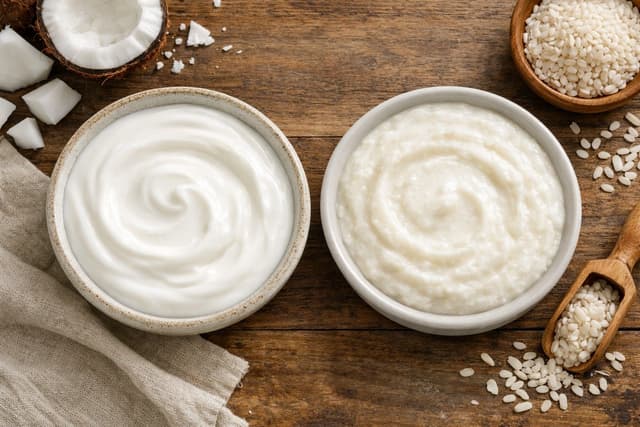



Coconut water and fresh fruit juice have long been heralded as healthy beverage options, but their nutritional profiles and benefits differ significantly. Which one truly deserves a spot in your daily routine? Let’s dive into the science, history, and practical applications of both drinks to uncover the answer
What Is Coconut Water and What Is Fresh Fruit Juice?
Coconut water, the clear liquid found inside young green coconuts, has been consumed for centuries in tropical regions like Southeast Asia, India, and the Caribbean. It’s naturally rich in electrolytes, particularly potassium, and has a subtle, slightly sweet flavor. Unlike coconut milk, which is high in fat, coconut water is low in calories and often marketed as a natural hydration solution
Fresh fruit juice, on the other hand, is extracted from fruits like oranges, apples, grapes, or berries. It retains many of the vitamins, minerals, and antioxidants present in whole fruits but lacks the fiber that comes with eating them whole. While juice can be a convenient way to boost nutrient intake, it’s often higher in sugar than people realize
Both beverages have unique origins and purposes. Coconut water is synonymous with natural hydration in many cultures, while fruit juice is often seen as a sweet, refreshing treat. However, their nutritional differences make them suitable for different needs
Detailed Nutritional Comparison
Let’s break down the key nutritional components of coconut water and fresh fruit juice using data from standardized servings (8 oz or 240 ml). The table below compares 100% coconut water orange juice and apple juice as representative examples of fruit juices
| Nutrient | Coconut Water (8 oz) | Orange Juice (8 oz) | Apple Juice (8 oz) |
|---|---|---|---|
| Calories | 45 | 110 | 115 |
| Total Carbohydrates | 11 g | 27 g | 30 g |
| Sugars | 9 g | 25 g | 28 g |
| Sodium | 120 mg | 1 mg | 2 mg |
| Potassium | 600 mg | 240 mg | 100 mg |
| Vitamin C | 5 mg (8% DV) | 95 mg (105% DV) | 10 mg (11% DV) |
| Calcium | 9 mg (1% DV) | 15 mg (2% DV) | 12 mg (1% DV) |
| Iron | 1 mg (6% DV) | 0.5 mg (3% DV) | 0.2 mg (1% DV) |
| Electrolytes (Na/K) | High potassium | Low sodium | Low sodium |
DV = Daily Value based on a 2,000-calorie diet
From this data, coconut water stands out for its low calorie and sugar content compared to fruit juices. It’s also a powerhouse of potassium an electrolyte critical for muscle function and hydration. Fruit juices, while rich in vitamin C and certain antioxidants, deliver significantly more sugar and calories. For context, an 8 oz serving of orange juice contains nearly 5 teaspoons of sugar—most of it natural but still impactful for blood sugar levels
Ingredients and Quality Analysis
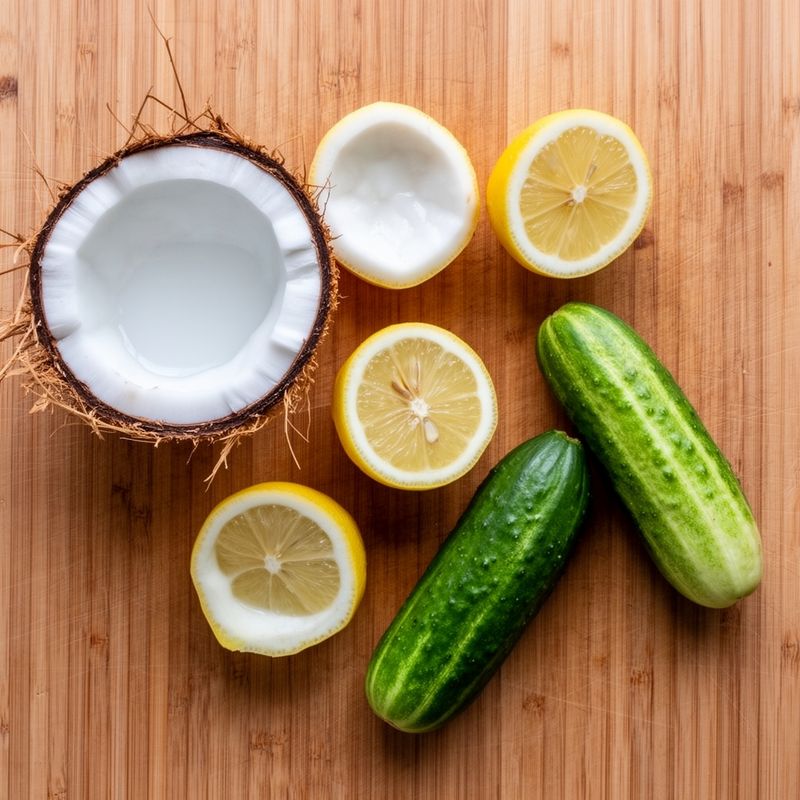
The quality of both beverages depends heavily on processing and ingredient sourcing
Coconut water is best consumed 100% pure without added sugars or flavors. Many commercial brands use young coconut varieties like Thai or Filipino coconuts, which have a sweeter, lighter taste. However, some products may include additives like sea salt, citric acid (for preservation), or even artificial sweeteners. Always check labels for terms like“no added sugar”or“unsweetened”to avoid hidden carbs
Fresh fruit juice can vary widely in quality 100% fruit juice without preservatives or additives is ideal, but many store-bought options contain concentrates high-fructose corn syrup or artificial flavors Juice from whole fruits retains more nutrients but loses fiber which slows sugar absorption. For example, a glass of orange juice gives you the sugar and vitamin C of several oranges without the satiety or digestive benefits of the fruit itself
For a deeper dive into reading labels and avoiding processed ingredients, check out our article Decoding Food Labels: A Complete Guide to Healthier Choices
Benefits and Potential Downsides
Benefits of Coconut Water
- Hydration The electrolyte profile (especially potassium) makes it an excellent choice for rehydration after mild exercise or in hot weather
- Low calorie Ideal for those watching their weight or managing conditions like diabetes
- Digestive health Some studies suggest it may have mild laxative effects due to its potassium and magnesium content
Benefits of Fresh Fruit Juice
- Vitamin boost High in vitamin C, folate, and antioxidants like flavonoids
- Convenience A quick way to meet daily fruit intake recommendations
- Heart health Some juices (e.g., pomegranate, orange) are linked to reduced inflammation and improved cholesterol levels
Downsides to Consider
- Coconut water Excessive potassium intake (over 500 mg per serving) may affect kidney function in sensitive individuals. It’s also less filling than water or other drinks, which could lead to overconsumption
- Fruit juice High sugar content can spike blood glucose levels, even if the sugar is natural. The American Heart Association recommends no more than 6 teaspoons of added sugar daily for women and 9 for men—a single serving of juice can approach or exceed this limit
For a closer look at how sugar impacts health, read The Truth About Sugars: What They Are and How to Avoid Them
Which Should You Choose: A Practical Guide
Your choice between coconut water and fruit juice depends on your health goals and lifestyle
- Athletes or active individuals Coconut water is better for hydration during or after workouts due to its electrolyte content
- Those needing vitamin C Opt for fresh fruit juice, especially citrus-based varieties
- Children Diluted fruit juice can be part of a balanced diet, but coconut water is a lower-sugar alternative for hydration
- Diabetics Coconut water has a lower glycemic index than most fruit juices. However, portion control is still key
Recipes and Pairing Suggestions
Coconut Water Infusion
Ingredients
- 1 cup coconut water
- 1/2 cup frozen mango chunks
- 1 tablespoon fresh lime juice
- Handful of mint leaves
Instructions
- Combine all ingredients in a pitcher
- Stir well and chill for 1 hour
- Serve over ice for a refreshing, low-sugar drink
Homemade Orange Juice
Ingredients
- 4 medium oranges (Valencia or Navel)
- 1 teaspoon grated ginger (optional)
Instructions
- Wash oranges thoroughly
- Juice them using a manual or electric juicer
- Add ginger for an anti-inflammatory boost
- Strain seeds and pulp for a smoother texture
For more recipes that prioritize natural ingredients, explore Energy-Boosting Foods: The Ultimate Guide to Fight Fatigue Naturally
Final Verdict
Coconut water edges out fresh fruit juice as the healthier option for hydration and low-calorie needs. Its electrolyte content supports muscle function and fluid balance, making it ideal for active lifestyles. However, fruit juice remains unparalleled for delivering concentrated vitamins and antioxidants. The best choice depends on your priorities: hydration and minimal calories (coconut water) or nutrient density and flavor (fruit juice). As with any beverage, moderation is key—enjoy both but stay mindful of sugar intake and overall dietary balance
🔍 FoodReveal helps you decode nutrition labels beyond marketing. Available for Android and iOS.