
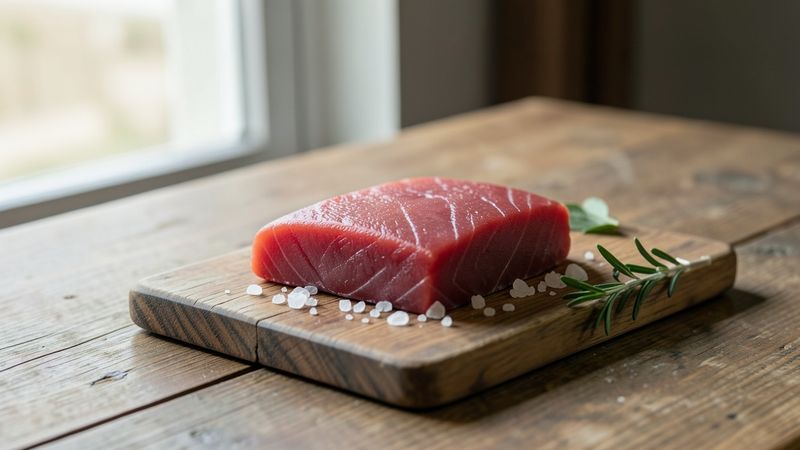
StarKist vs Season Brand: Canned Tuna Quality and Sustainability
INTRODUCTION Canned tuna holds a venerable spot in pantries worldwide, cherished for its convenience, versatility, and protein-packed punch. From quick lunches to elaborate casseroles, it’s a go-to ingredient for millions. But with shelves brimming with options, how do consumers choose between household names and niche players? This article dives deep into a head-to-head comparison of two prominent brands: StarKist, a ubiquitous staple, and Season Brand, known for its diverse seafood offerings. We’ll dissect their nutritional profiles, ingredient quality, and touch upon the critical aspect of sustainability that increasingly sways purchasing decisions. Understanding the nuances between brands can empower shoppers to make choices that align with their dietary goals, taste preferences, and ethical considerations. For more insights into canned tuna choices, you might find our comparison of Wild Planet vs Safe Catch: Canned Tuna Comparison equally revealing.
Key Differences at a Glance
When placing StarKist and Season Brand side-by-side, several overarching distinctions emerge. StarKist typically positions itself as an accessible, everyday brand, widely available in supermarkets across the nation, often at a competitive price point. Their "Chunk Light Tuna in Water" is a prime example of their mass-market appeal, focusing on consistent quality and convenience for a broad consumer base. Season Brand, while also widely distributed, often carries a perception of offering more specialized or premium selections, though this can vary by product line. They are known for a broader array of canned seafood beyond just tuna, sometimes highlighting specific sourcing or packaging (like olive oil or boneless/skinless options). In terms of sourcing, both brands, as major players, operate with large supply chains, and their specific sustainability commitments and certifications would require detailed investigation into their current practices, which are beyond the scope of the immediate label data provided for this specific product comparison. However, consumers often associate perceived "quality" with factors like ingredient purity and processing methods, which we will explore.
Head-to-Head Nutritional Comparison
For many consumers, nutritional value is paramount, and canned tuna is often lauded for its high protein content and lean profile. Let's break down the "StarKist Chunk Light Tuna in Water Can" based on verified label data, noting that specific data for Season Brand's comparable product was not provided for this analysis. Generally, plain tuna packed in water across brands shares a similar basic nutritional foundation, though serving sizes and specific processing can lead to variations.
StarKist's offering stands out as a genuinely high-protein, low-calorie option. With just 45 calories per serving, it delivers a substantial 10 grams of protein, making it an excellent choice for those focusing on muscle development or satiety. It contains no sugar and no fiber, consistent with a pure fish product. The sodium content is 180mg, a moderate level for a canned product, contributing to its flavor without being excessively high. For another perspective on canned tuna nutrition, consider our analysis of Rio Mare vs Callipo: Canned Tuna.
| Nutrient | StarKist Chunk Light Tuna in Water | Season Brand (Comparable Product) |
|---|---|---|
| Calories | 45 | Data Not Provided |
| Protein | 10g | Data Not Provided |
| Fats | 0g (likely negligible) | Data Not Provided |
| Sugars | 0g | Data Not Provided |
| Fiber | 0g | Data Not Provided |
| Sodium | 180mg | Data Not Provided |
In-Depth Ingredient Analysis
A critical aspect of quality lies in the ingredient list. For the "StarKist Chunk Light Tuna in Water Can," the provided analysis notes that "No food additives were flagged in its ingredients." This indicates a remarkably clean label, likely consisting simply of tuna, water, and possibly salt. This minimalist approach is highly valued by consumers seeking wholesome, unprocessed foods. The absence of additional oils, gums, starches, or flavorings ensures that the consumer is getting the pure essence of the fish. Without specific ingredient data for a comparable Season Brand product, we must generalize. Most plain canned tuna in water, irrespective of brand, typically features a similarly concise ingredient list of tuna, water, and salt. However, some brands might include vegetable broth or other natural flavorings, or if packed in oil, various types of oil. The simplicity of StarKist's formulation, as indicated by the "no food additives flagged" finding, suggests a high degree of ingredient integrity for this particular product.
Additives and Formulation Quality
The clean ingredient profile of the StarKist Chunk Light Tuna in Water is a significant highlight. The verification that "No food additives were flagged in its ingredients" means consumers can be confident they are consuming a product free from emulsifiers, stabilizers, artificial flavors, or preservatives that might be found in other processed foods. When additives are present in food products, it's important to remember that all E-number additives authorized for use in the European Union and the United States undergo rigorous safety assessments by the European Food Safety Authority (EFSA) and the U.S. Food and Drug Administration (FDA), respectively. These agencies ensure that approved additives are safe for consumption at specified levels. However, a "clean label" – one with minimal ingredients and no perceived additives – is often a marker of premium formulation quality for many consumers. In this specific comparison, StarKist's formulation for its chunk light tuna in water sets a high bar for clean-label integrity, minimizing processing and delivering a straightforward product. For Season Brand, without specific label data, we would anticipate a similar clean profile for a plain tuna in water product, but any deviation (e.g., added broths, flavorings) would warrant individual assessment.
Performance, Taste, and Texture
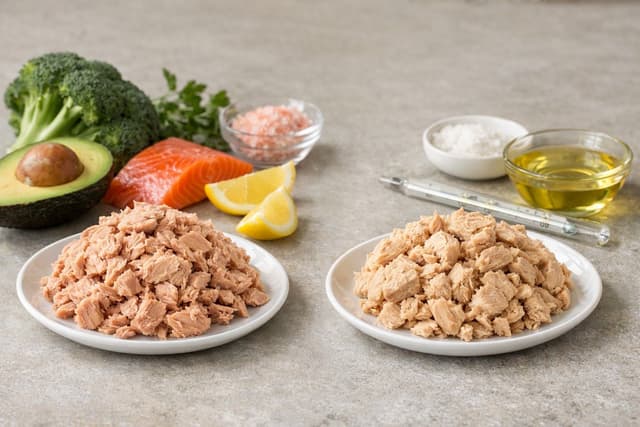
The real-world experience of canned tuna often comes down to its performance in the kitchen and its sensory attributes. StarKist Chunk Light Tuna in Water, known for its flakier texture, is highly versatile. It's ideal for dishes where the tuna needs to break apart easily, such as tuna salads, sandwiches, or casseroles. Its mild, consistent flavor profile makes it a blank canvas, allowing other ingredients to shine without being overpowering. The texture, being "chunk light," means smaller, more broken pieces compared to "solid white" albacore, which is firmer. This consistency makes it easy to incorporate into creamy mixtures or to spread. Consumer ratings, such as the 4.7 out of 5 from over 7,000 ratings for StarKist, often reflect satisfaction with its reliability and expected qualities. Without specific data for Season Brand's comparable product, a direct taste and texture comparison is challenging. However, generally speaking, any brand's "chunk light tuna in water" would be evaluated on similar criteria: its firmness (or flakiness), the absence of off-flavors, its moisture content (not too dry, not too watery), and its overall palatability in common applications. Consumers often seek a product that is tender, moist, and free from a strong "fishy" odor, ensuring it blends well into various recipes.
How to Choose Between Them: Buyer's Guide
Deciding between StarKist and Season Brand, particularly for chunk light tuna in water, hinges on individual priorities and what data is available. Based on our analysis, StarKist presents a clear choice for shoppers prioritizing a clean label, reliable nutrition, and budget-friendly accessibility. With "no food additives flagged" and a confirmed profile of 10g protein for 45 calories and moderate sodium, it's an excellent staple for those seeking high-protein, low-calorie options without unnecessary ingredients. It’s a dependable choice for everyday meals, meal prepping, or anyone looking for a straightforward, minimally processed tuna product. If your dietary goals align with keto or high-protein diets, StarKist's offering fits seamlessly. For Season Brand, given the absence of specific comparative data, a choice would typically depend on its specific product labeling and any unique value propositions, such as different types of fish, specific packaging (like oil varieties), or brand-specific sustainability certifications often highlighted on their packaging. Consumers might lean towards Season Brand if they have a historical preference for its taste profile, if they find a particular Season Brand product on sale, or if they are seeking a tuna packed in specific oils (e.g., olive oil) which are often offered by the brand, assuming a direct "in water" comparison isn't the sole decision point.
Best Products on the Market
When navigating the canned tuna aisle, discerning shoppers will find several standout products, each with unique strengths. Here are three popular options available in US and UK supermarkets that exemplify different facets of quality and consumer priorities.
StarKist Albacore Tuna in Water: Key ingredients include white tuna, water, vegetable broth, and salt. Two strengths are [1] its widespread availability and affordability, making it a consistent pantry staple, and [2] its low-fat profile, offering a lean protein source. One weakness is that it can sometimes be drier than oil-packed alternatives, requiring additional moisture in recipes. Ideal for budget-conscious consumers and those seeking a low-fat protein boost, especially for dishes like salads or sandwiches. For more ideas on enhancing natural tuna, see Natural Tuna with Olive Oil and Vegetables.
Season Brand Wild Caught Tuna in Olive Oil: Key ingredients include light tuna, olive oil, and salt. Two strengths are [1] its richer flavor and moist, tender texture due to being packed in olive oil, and [2] its emphasis on wild-caught sourcing, appealing to those concerned with origin. One weakness is its higher calorie count compared to water-packed varieties, due to the olive oil. Ideal for consumers prioritizing flavor and texture in their tuna dishes, and who appreciate a more robust mouthfeel.
Wild Planet Wild Albacore Tuna in Water: Key ingredients include albacore tuna and sea salt. Two strengths are [1] its commitment to sustainable fishing practices, often utilizing pole & line methods to minimize bycatch, and [2] its claims of lower mercury content due to sourcing smaller, younger fish. One weakness is its higher price point compared to conventional canned tuna brands. Ideal for environmentally conscious consumers willing to invest more for sustainability and perceived health benefits.
Recipes and Kitchen Uses
Canned tuna's versatility makes it a fantastic ingredient for quick, healthy meals. Here are two easy recipes designed for convenience and nutrition.
Recipe 1: Mediterranean Tuna & Chickpea Salad
Ingredients:
- 1 (5 oz / 142g) can light tuna in water, drained
- 1 (15 oz / 425g) can chickpeas, rinsed and drained
- 1/4 cup finely chopped red onion
- 1/4 cup chopped fresh parsley
- 2 tablespoons extra virgin olive oil
- 1 tablespoon lemon juice
- 1/2 teaspoon dried oregano
- Salt and black pepper to taste
Instructions:
- In a medium bowl, flake the drained tuna with a fork.
- Add the rinsed chickpeas, red onion, and parsley to the bowl.
- In a small separate bowl, whisk together the olive oil, lemon juice, oregano, salt, and pepper.
- Pour the dressing over the tuna mixture and toss gently to combine. Serve immediately or chill for later, perfect over mixed greens or in pita bread.
Prep time: 10 minutes.
Recipe 2: Quick Tuna & Veggie Scramble
Ingredients:
- 1 (5 oz / 142g) can light tuna in olive oil, drained
- 2 large eggs, beaten
- 1/2 cup chopped spinach
- 1/4 cup diced bell pepper (any color)
- 1 tablespoon olive oil
- Salt and black pepper to taste
Instructions:
- Heat olive oil in a non-stick skillet over medium heat. Add bell pepper and sauté for 2-3 minutes until slightly softened.
- Add the chopped spinach and cook until wilted, about 1 minute.
- Pour the beaten eggs into the skillet. As they begin to set, add the drained tuna, flaking it into the eggs.
- Scramble the mixture until the eggs are cooked through, seasoning with salt and pepper. Serve warm, perhaps alongside a slice of whole-grain toast for a complete breakfast or light meal.
Prep time: 8 minutes.
Sustainability and Environmental Impact
The environmental footprint of canned tuna varies significantly between brands. StarKist, while making efforts towards sustainability, has faced scrutiny for its sourcing practices, particularly the use of Fish Aggregating Devices (FADs) which can result in considerable bycatch. Season Brand often emphasizes its wild-caught origins, but consumers should always look for specific certifications like the Marine Stewardship Council (MSC) or Best Aquaculture Practices (BAP) to verify responsible fishing. Packaging also plays a role; aluminum cans are widely recyclable, offering a good end-of-life solution, whereas flexible pouches have a lower carbon footprint in transport but are less commonly recycled. Informed consumer choices, prioritizing certified sustainable brands and understanding fishing methods, are crucial for mitigating environmental impact.
Frequently Asked Questions
Is canned tuna good for you?
Yes, canned tuna is a highly nutritious food, rich in protein, omega-3 fatty acids, and essential vitamins and minerals like Vitamin D and selenium. It’s a convenient and affordable way to incorporate healthy fats and lean protein into your diet, supporting heart health and muscle maintenance.
What's the difference between albacore and light tuna?
Albacore tuna (often "white tuna") comes from a larger species, offering a firmer texture and milder, lighter-colored flesh. Light tuna typically derives from smaller skipjack or yellowfin, having a softer texture, stronger flavor, and darker flesh. Light tuna generally contains lower mercury levels.
Does canned tuna have mercury?
Yes, all tuna contains some level of mercury, a naturally occurring element. However, the amount varies by species and size. Larger tuna, like albacore, tend to have higher mercury levels than smaller skipjack or yellowfin (light tuna). Regulatory bodies suggest moderation, especially for pregnant women and young children.
Final Verdict
Choosing between StarKist and Season Brand, or other market leaders, ultimately hinges on a balance of quality, value, and ethical considerations. StarKist excels in widespread availability and affordability, making it a convenient pantry staple. Season Brand often offers a premium experience with richer flavors, especially their oil-packed varieties, alongside a stronger emphasis on wild-caught origins. For those prioritizing sustainability and lower mercury, brands like Wild Planet provide compelling alternatives, albeit at a higher cost. Understanding your dietary needs, culinary preferences, and commitment to environmental impact will guide your decision. No matter your choice, canned tuna remains a versatile and nutrient-rich ingredient, as explored in recipes like Tuna Soup with Olive Oil and Veggies.
FoodReveal helps you decode nutrition labels beyond marketing. Available for Android and iOS.