




Pepperidge Farm vs BelVita: No Added Sugar Cookies Compared
The quest for healthier snack options has consumers scrutinizing food labels more closely than ever, with "no added sugar" products often landing in shopping carts as a seemingly guilt-free indulgence. But what truly sets these low-sugar alternatives apart, especially when comparing two household names like Pepperidge Farm and BelVita? Both brands offer cookies designed to satisfy a sweet craving without the typical sucrose load, yet their approaches, ingredient profiles, and intended experiences can differ significantly. For anyone trying to manage their sugar intake, understand the impact of various sweeteners, or simply make more informed choices, a deeper dive beyond the marketing claims is essential. This FoodReveal comparison will break down the nutritional facts, ingredient quality, and sensory experiences to help you choose the best "no added sugar" cookie for your needs. Understanding ingredients in baked goods, particularly regarding sugar, is crucial for making informed choices about what we consume, and this comparison will shed light on how two major brands tackle the challenge of reducing added sugars in their products. For more on the role of sugar in baked goods, see our article on Added Sugar in Baked Goods.
Key Differences at a Glance

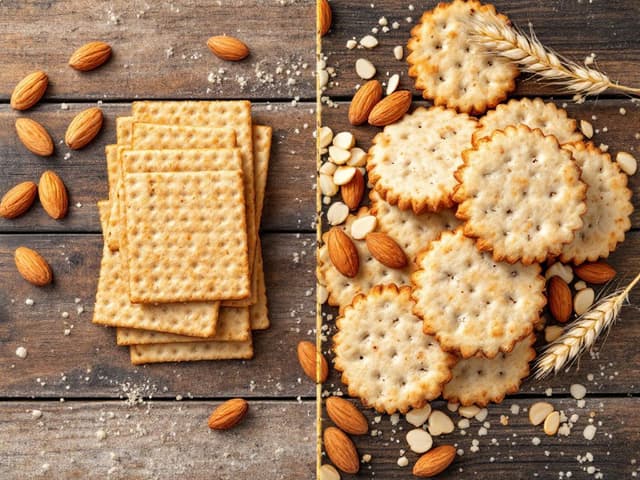
While both Pepperidge Farm and BelVita venture into the "no added sugar" cookie segment, their brand philosophies and typical product formulations lead to distinct offerings. Pepperidge Farm, historically known for its indulgent and classic American cookies like Milano and Chessmen, often aims to replicate that familiar, comforting taste experience even in its reduced-sugar versions. This might translate to a focus on achieving a rich flavor and a tender, melt-in-your-mouth texture, frequently utilizing enriched flours and a blend of fats to achieve this. Their "no added sugar" line often positions itself as an alternative for those seeking classic cookie enjoyment without the added sucrose.
BelVita, on the other hand, established its niche as a "breakfast biscuit" brand, emphasizing whole grains, sustained energy release, and a more functional approach to snacking. Their "no added sugar" options generally adhere to this core identity, prioritizing whole grain flours and often incorporating additional fiber sources. The texture is typically firmer and crunchier, designed to hold up in a morning routine. In terms of ingredients, BelVita tends to lean more heavily on whole wheat flour, while Pepperidge Farm might use a mix of enriched and whole grain flours depending on the specific product. Both brands typically rely on sugar alcohols or non-nutritive sweeteners to achieve sweetness without added sugar. Price-wise, both brands generally fall into a similar mainstream grocery tier, though BelVita can sometimes command a slight premium due to its "breakfast" and "whole grain" positioning.
Head-to-Head Nutritional Comparison
When evaluating "no added sugar" cookies, it's crucial to look beyond just the sugar content and consider the full nutritional profile. The following table provides a typical nutritional comparison per serving, based on common formulations for "no added sugar" cookies from these brands. Actual values may vary slightly by specific product and flavor.
| Nutrient | Pepperidge Farm (Typical per serving) | BelVita (Typical per serving) |
|---|---|---|
| Calories | 130 kcal | 120 kcal |
| Total Fat | 7g | 6g |
| Saturated Fat | 3g | 2.5g |
| Sodium | 85mg | 90mg |
| Total Carbohydrates | 18g | 20g |
| Dietary Fiber | 1g | 3g |
| Total Sugars (naturally occurring) | <1g | 1g |
| Sugar Alcohols | 5g | 4g |
| Protein | 1g | 2g |
Analyzing these typical values reveals some key differences. While overall calorie and fat content are relatively similar, BelVita generally edges out Pepperidge Farm in fiber content, thanks to its emphasis on whole grains. This higher fiber can contribute to satiety and a slower release of carbohydrates, potentially beneficial for blood sugar management. Both brands effectively minimize total sugars, relying on sugar alcohols (like maltitol or erythritol) to provide sweetness without adding significant calories or impacting blood sugar as rapidly as sucrose. The protein content is generally low in both, as expected for cookies, though BelVita often contains a slightly higher amount due to its whole grain base. For those monitoring their carbohydrate intake or aiming to stabilize blood sugar, understanding the role of fiber and sugar alcohols in these products is key. To learn more about managing blood sugar through diet, check out our guide on Low Glycemic Diet: 5 Practical Tips to Stabilize Blood Sugar.
In-Depth Ingredient Analysis
The "no added sugar" claim often shifts the focus from sucrose to other ingredients that create structure, flavor, and sweetness. A typical ingredient deck for Pepperidge Farm's "no added sugar" cookies might start with enriched wheat flour, followed by a blend of vegetable oils (such as palm and/or soybean oil). Sweetness is commonly achieved through sugar alcohols like maltitol or sorbitol, which provide bulk and sweetness similar to sugar but with fewer calories. Other ingredients might include eggs, natural and artificial flavors, baking soda, and emulsifiers like soy lecithin. The emphasis is often on maintaining a familiar taste profile.
BelVita's "no added sugar" biscuits, in contrast, typically feature whole grain wheat flour as the primary ingredient, underscoring their commitment to whole grains. They also utilize vegetable oils, but may incorporate chicory root fiber (inulin) to boost dietary fiber content, aligning with their breakfast biscuit positioning. Sweeteners often include a combination of sugar alcohols such as maltitol and erythritol, which have different sweetness profiles and digestive impacts. Other common ingredients would include leavening agents, natural flavors, and potentially some gums (like xanthan gum) or starches to achieve the desired texture without the aid of traditional sugar. The choice of specific sweeteners, fats, and flour types significantly impacts not only the nutritional value but also the taste and texture of the final product.
Additives and Formulation Quality
Both Pepperidge
Farm and BelVita, like most commercially produced cookies, utilize various food additives to achieve desired texture, shelf life, and flavor profiles, especially in "no added sugar" formulations where sugar's functional properties (e.g., browning, moisture retention) need to be replaced. All E-number additives found in products sold in the EU and US, including those used by these brands, undergo rigorous safety assessments by regulatory bodies such as the European Food Safety Authority (EFSA) and the U.S. Food and Drug Administration (FDA). These assessments ensure that additives are safe for consumption at approved levels.
In "no added sugar" cookies, key additives include sugar alcohols like maltitol, erythritol, and sorbitol. These serve as bulk sweeteners, providing sweetness with fewer calories than sugar. While generally recognized as safe, consuming large quantities of some sugar alcohols, particularly maltitol, can lead to digestive discomfort in sensitive individuals due to their partial absorption in the small intestine. Erythritol, however, is often better tolerated. Emulsifiers like soy lecithin are commonly used to improve texture and prevent separation of fats and liquids, while gums such as xanthan gum may be added to enhance mouthfeel and stability. Flavor enhancers and natural or artificial flavors are also standard to boost the overall taste experience. From a "clean-label" perspective, brands may strive to minimize the number of synthetic additives and prioritize natural flavorings, but in "no added sugar" products, certain functional additives are often essential to create a palatable and shelf-stable item that mimics the properties of sugar.
Performance, Taste, and Texture
The absence of added sugar presents a significant challenge for bakers: sugar contributes not only sweetness but also to browning, moisture, and overall texture. Therefore, "no added sugar" cookies often have distinct sensory profiles compared to their full-sugar counterparts.
Pepperidge Farm's "no added sugar" cookies typically aim to retain a semblance of their classic indulgence. This often translates to a cookie that is more tender, potentially bordering on crumbly, with a rich, buttery flavor profile. However, the specific sugar alcohol used can introduce a noticeable aftertaste, which some consumers find unpleasant. The lack of sugar also means a different browning pattern, often resulting in a paler appearance. Mouthfeel can sometimes be drier than traditional cookies due to the hygroscopic properties of some sugar replacers.
BelVita's "no added sugar" biscuits, on the other hand, are engineered for a different experience. They are characteristically firm and crunchy, designed to be satisfying as a breakfast item or a hearty snack. The taste leans towards a wholesome, grainy flavor, with the sweetness from sugar alcohols integrated to complement rather than dominate. The texture is dense, and they hold their shape well, making them ideal for dunking without dissolving quickly. While they might not offer the same "melt-in-your-mouth" quality as a traditional cookie, their robust texture and emphasis on whole grains provide a different kind of satisfaction, often with less of the distinctive aftertaste sometimes associated with sugar-free products, depending on the sweetener blend.
How to Choose Between Them: Buyer's Guide
Deciding between Pepperidge Farm and BelVita "no added sugar" cookies ultimately comes down to your personal preferences, dietary goals, and the occasion for which you're choosing them.
If you are seeking a more traditional cookie experience – one that is sweet, crumbly, and evokes a sense of indulgence – Pepperidge Farm's "no added sugar" offerings might be your preferred choice. They are best suited for an occasional treat when you're craving that classic cookie flavor without the added sugar, and you don't mind a potentially different texture or a slight aftertaste from the sugar alcohols. These are ideal for those who value flavor replication and comfort over functional benefits like high fiber.
Conversely, if your priority is a functional snack or breakfast item that provides sustained energy from whole grains and a good source of fiber, BelVita's "no added sugar" biscuits are likely the better fit. Their firm, crunchy texture and wholesome, less intensely sweet flavor profile make them suitable for a quick breakfast or an on-the-go snack. They appeal to individuals who prioritize nutritional benefits, fiber intake, and a more robust, less indulgent treat that can help manage hunger between meals. If you prefer a cookie that holds up well, perhaps for dunking in coffee or tea, BelVita also excels in this regard. Always remember to check the specific ingredient list for any potential allergens or sensitivities to certain sugar alcohols.
Best Products on the Market
Navigating the "no added sugar" cookie aisle can be tricky, with various brands offering their take on a healthier sweet treat. Here are three notable products available in US and UK supermarkets, analyzed for their nutritional profile and suitability.
Pepperidge Farm Farmhouse Thin & Crispy Sugar Free Shortbread Cookies: Key ingredients include enriched wheat flour, maltitol, and butter. Two strengths are [1] their classic, buttery shortbread taste, making them a familiar comfort food, and [2] their widespread availability in most major grocery stores. One weakness is that maltitol, a common sugar alcohol, can cause digestive discomfort in some individuals when consumed in larger quantities. Ideal for those seeking a traditional cookie experience without the added sugar, particularly if they are mindful of portion sizes. Consumers should always be aware of how "zero added sugar" labels can be misleading, as discussed in Zero Added Sugar: facts, label tricks & 5 snacks.
BelVita Golden Oat No Sugar Added Breakfast Biscuits: Key ingredients include a whole grain blend (rolled oats, rye flakes, whole wheat flour), maltitol syrup, and vegetable oil. Two strengths are [1] their significant contribution of whole grains, which can help support sustained energy release, and [2] their convenient, individually portioned packs, ideal for on-the-go snacking. One weakness is that despite the whole grains, they still contain refined wheat flour and can be relatively low in protein for a breakfast item. Ideal for busy individuals looking for a quick, fiber-contributing breakfast biscuit option, especially if they are tolerant to sugar alcohols.
Trader Joe's Sugar-Free Chocolate Chip Cookies: Key ingredients include wheat flour, maltitol, and unsweetened chocolate. Two strengths are [1] their approachable chocolate chip cookie flavor that closely mimics its full-sugar counterparts, and [2] their accessibility to Trader Joe's loyal customer base. One weakness is that, like many sugar-free options, they can be higher in saturated fat compared to some other snack choices. Ideal for those who frequent Trader Joe's and desire a familiar, indulgent-tasting chocolate chip cookie experience without added sugars.
Recipes and Kitchen Uses
"No added sugar" cookies can be more than just a direct snack; they can be integrated into delicious, balanced recipes. Here are two simple, healthy ways to enjoy them.
Recipe 1: Quick Cookie Crumble Yogurt Parfait
This recipe transforms sugar-free cookies into a textural element for a protein-rich snack or light breakfast.
Ingredients:
- 1 cup plain Greek yogurt (unsweetened)
- 2 "no added sugar" cookies (e.g., shortbread or oat biscuit), crushed
- 1/2 cup mixed berries (fresh or frozen, thawed)
- 1 tablespoon chia seeds (optional, for extra fiber)
Instructions:
- In a glass or bowl, layer half of the Greek yogurt.
- Sprinkle half of the crushed cookies and half of the mixed berries over the yogurt.
- Repeat with the remaining yogurt, cookies, and berries.
- If using, sprinkle chia seeds on top. Serve immediately or chill for 15 minutes to allow flavors to meld.
Prep time: 5 minutes.
Recipe 2: No-Bake Energy Bites with Cookie Crunch
These energy bites offer a quick boost with the satisfying crunch of your favorite no-added-sugar cookies.
Ingredients:
- 1/2 cup rolled oats
- 1/4 cup nut butter (almond or peanut, unsweetened)
- 2 "no added sugar" cookies (e.g., chocolate chip or oat), finely crushed
- 1 tablespoon honey or maple syrup (optional, for binding if needed)
- 1 tablespoon water or milk alternative (if mixture is too dry)
Instructions:
- In a medium bowl, combine rolled oats, nut butter, and finely crushed cookies.
- If the mixture is too dry to form balls, add honey/maple syrup or water/milk alternative, one teaspoon at a time, until a cohesive dough forms.
- Roll the mixture into small, bite-sized balls (about 1-inch diameter).
- Place the energy bites on a plate lined with parchment paper and refrigerate for at least 30 minutes to firm up. Store in an airtight container in the fridge.
Prep time: 10 minutes.
Sustainability and Environmental Impact
The environmental footprint of "no added sugar" cookies, much like their conventional counterparts, is largely tied to their ingredient sourcing and packaging. Key ingredients like wheat, oats, and various oils have distinct agricultural impacts concerning water usage, land degradation, and pesticide application. Palm oil, a common ingredient in many processed foods, raises significant concerns about deforestation and biodiversity loss, even if sustainably sourced certifications exist. Packaging, particularly single-serve plastic wraps prevalent in brands like BelVita, contributes to plastic waste. Consumers can make more responsible choices by opting for products with minimal, recyclable packaging, supporting brands committed to transparent and ethical supply chains, and considering bulk options to reduce waste.
Frequently Asked Questions
Are "no added sugar" cookies suitable for diabetics?
While they eliminate added sugars, these cookies still contain carbohydrates from flour and often sugar alcohols, which can impact blood sugar. Diabetics should consult their healthcare provider or a registered dietitian to determine if these products fit into their dietary management plan, and always check the total carbohydrate count.
Do "no added sugar" cookies help with weight loss?
Not necessarily. While they remove refined sugars, these cookies can still be high in calories, fats, and refined carbohydrates. Weight loss depends on overall calorie intake and diet quality, not just the absence of added sugar. Focusing on whole, unprocessed foods is generally more effective for weight management.
What are the main differences between sugar-free and no-added-sugar cookies?
"Sugar-free" means the product contains less than 0.5 grams of sugar per serving. "No added sugar" indicates that no sugar was added during processing, but the product may still contain naturally occurring sugars (e.g., from fruit or milk) and often relies on sugar alcohols or artificial sweeteners for sweetness.
Final Verdict
The world of "no added sugar" cookies offers appealing alternatives for those managing sugar intake or seeking perceived healthier snacks. While Pepperidge Farm and BelVita both excel in different aspects – the former for traditional taste, the latter for whole grain content – the ultimate choice hinges on individual dietary needs, preferences, and tolerance to sugar substitutes. It's crucial to remember that "no added sugar" does not automatically equate to a universally "healthy" product. Consumers must remain vigilant, analyzing full nutrition labels for calories, fat content, type of sweeteners used, and the presence of beneficial components like fiber. For digestive health and blood sugar regulation, including sources of Soluble Fiber: Boost Gut Health & Blood Sugar in the diet is often more impactful than simply avoiding added sugars in cookies. Ultimately, these cookies are best enjoyed in moderation as part of a balanced diet.
FoodReveal helps you decode nutrition labels beyond marketing. Available for Android and iOS.