

Ribbed pipette pasta has long been a staple in the pantry of many Italian families, but in recent years it has begun to share the stage with more traditional homemade condiments often nicknamed "mom's flavor." In this article we will explore the differences between these two table protagonists, focusing on the nutrients they provide, how they affect the gut microbiome, and what strategies to adopt to maximize gastrointestinal wellbeing.
## What are Ribbed Pipette?
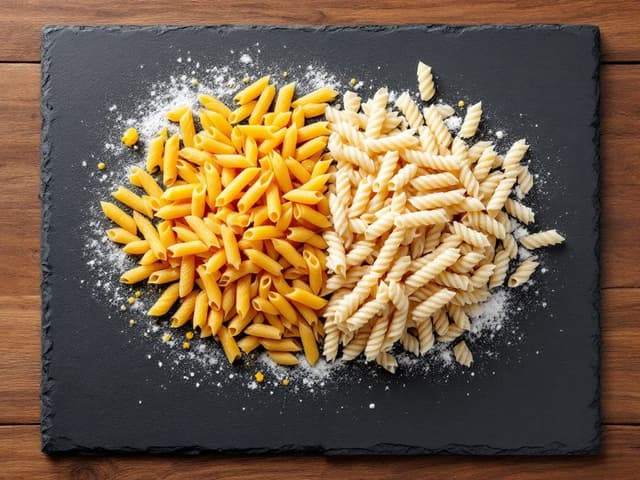
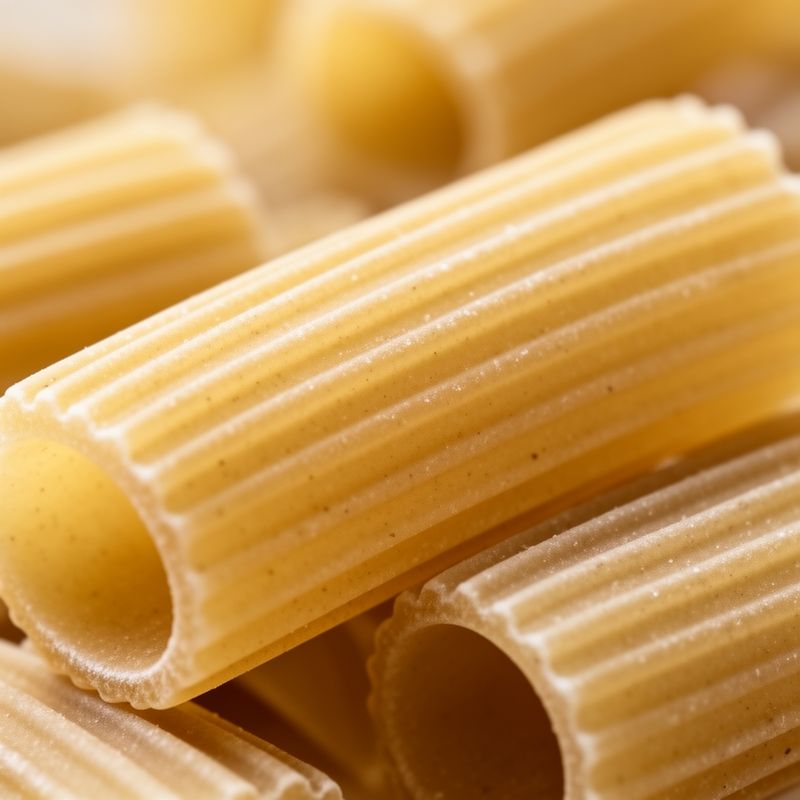
Ribbed pipette are a variant of classic short pasta, featuring a grooved surface that holds sauces better. As highlighted in a Buonissimo recipe [^1], these pipette are low in fat and rich in protein and fiber, an ideal profile for those seeking a balanced intake without weighing down the stomach. Fiber, in particular, plays a crucial role in intestinal regularity and satiety, contributing to smoother transit and a lower likelihood of post‑meal bloating.
## "Mom's Flavor": Traditional Condiments
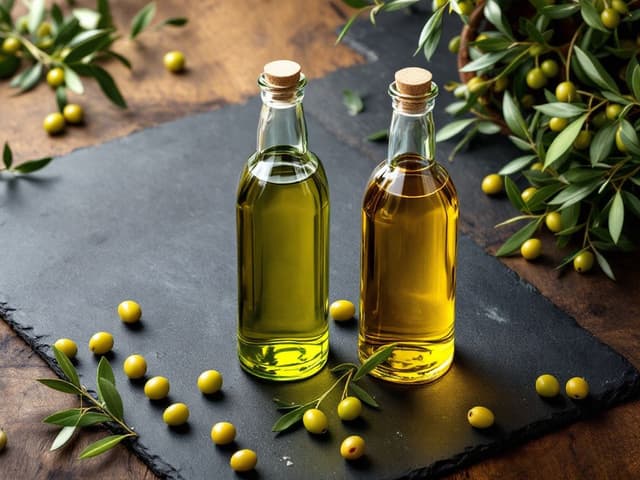
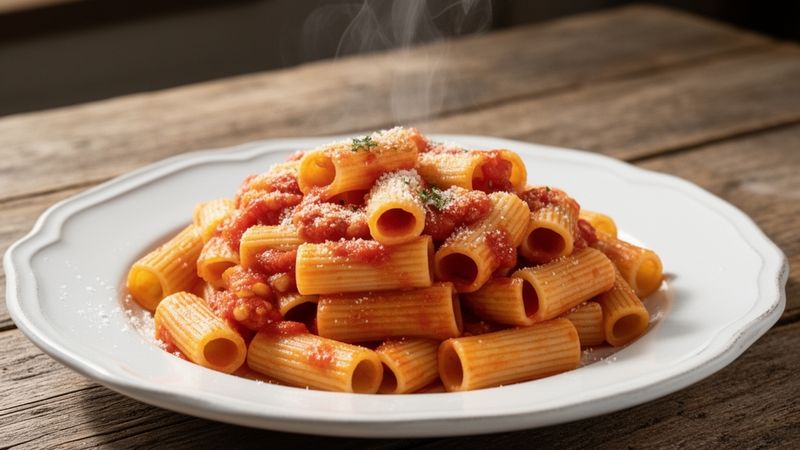
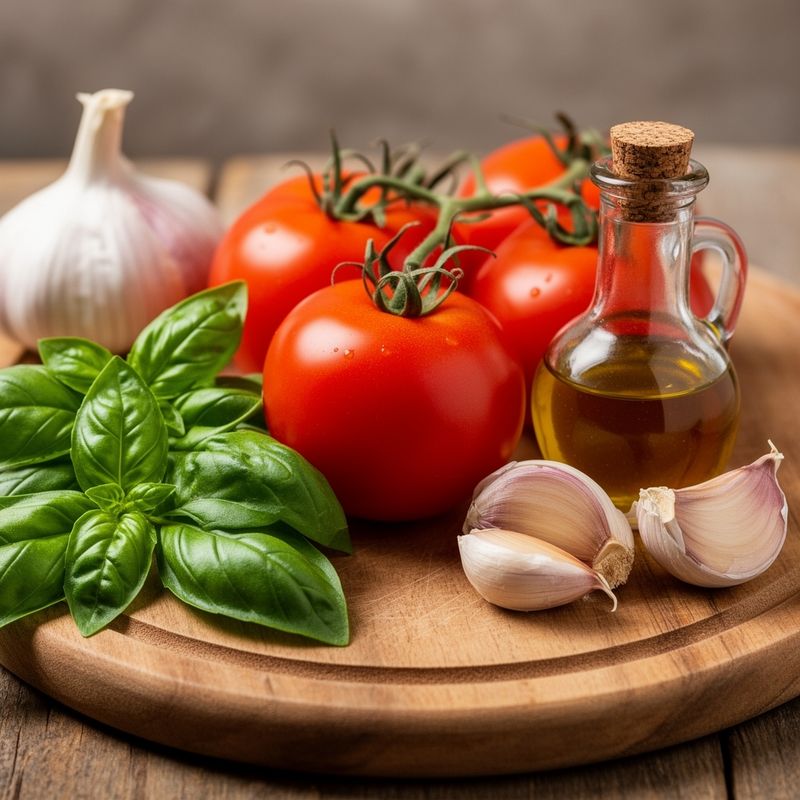
"Mom's flavor" is a concept that encompasses homemade sauces and condiments often based on tomato, garlic, basil, extra‑virgin olive oil and, occasionally, a sprinkle of grated cheese. These recipes, passed down from generation to generation, not only offer taste and aroma but also include ingredients beneficial for digestion. The use of garlic and onion stimulates the production of gastric juices, while olive oil provides monounsaturated fatty acids that facilitate the absorption of fat‑soluble vitamins.
## Nutrition and Digestion: Fiber, Protein and Probiotics
### Soluble vs Insoluble Fiber
The fibers present in the pipette rigate are predominantly soluble, capable of forming a viscous gel that slows sugar absorption and promotes the growth of beneficial bacteria. For a deeper look at the role of soluble fiber, see "Soluble Fiber: Intestinal Health and Glycemia." In contrast, insoluble fibers, more common in whole grains, increase stool bulk and accelerate intestinal transit.
### Quality Proteins
The pipette rigate, although a pasta, contain a respectable amount of protein derived from durum wheat. When paired with a legume‑based sauce (for example, a chickpea sauce), they provide a complete protein profile that supports tissue repair and the synthesis of digestive enzymes. The “mom’s flavor” can include fresh cheeses (ricotta, mozzarella) that add casein, useful for prolonged satiety.
### Probiotics and Prebiotics
Many traditional condiments include fermented ingredients such as miso or aged Parmesan, both rich in probiotics. These live microorganisms support microbiome balance, improving the digestion of complex carbohydrates. For more information on fermented foods, see "Fermented Foods: Kimchi, Kefir, Miso and the Microbiome."
## Nutritional comparison: Ribbed pipettes vs Traditional condiments
| Nutrient | Ribbed pipettes (100 g) | Homemade tomato sauce (100 g) | Olive oil (1 tablespoon) |
|---|---|---|---|
| Calories | 350 kcal | 45 kcal | 119 kcal |
| Protein | 12 g | 1,5 g | 0 g |
| Fat | 1,5 g | 0,5 g | 13,5 g |
| Fiber | 3 g (soluble) | 1,2 g (soluble) | 0 g |
| Sodium | 5 mg | 250 mg | 0,5 mg |
| Vitamin C | 0 mg | 15 mg | 0 mg |
| Main digestive benefits | Source of fiber and protein, low fat content | Rich in lycopene, antioxidants, stimulates gastric secretion | Promotes absorption of fat‑soluble vitamins, anti‑inflammatory effect |
As can be seen, the pipette rigate provide an energy base with a significant amount of protein and fiber while the homemade sauces add antioxidants and micronutrients that complete the nutritional profile. Olive oil, when used in moderation, acts as a carrier for antioxidants and improves fat digestion
## When to choose the pipette rigate?
- Post‑workout meal, the pasta proteins help muscle recovery
- Low‑fat diets: the low fat content makes the pipettes ideal for those who need to limit lipid intake
- Lactose intolerance: the pipettes are naturally lactose‑free, unlike many sauces that contain cheese
## When to Choose the “Mom’s Flavor”?
- Microbiome support: using fermented ingredients and garlic promotes the growth of beneficial bacteria
- Glycemic control: tomato‑based sauces have a lower glycemic index than pasta alone, especially when paired with added fiber
- Antioxidant intake: tomato lycopene and the polyphenols of extra‑virgin olive oil have anti‑inflammatory and protective effects on the gastric mucosa
## How to best combine the two worlds
The most effective synergy arises from the union of pipette rigate with a balanced seasoning. Here is a simple, easy-to-digest recipe
- Cook 80 g of pipette rigate al dente
- In a pan, sauté garlic and onion in 1 tablespoon of olive oil
- Add 150 g of crushed peeled tomatoes, a handful of fresh basil, and cook for 10 minutes
- Combine the pipette, mix well and finish with grated cheese (optional) and a sprinkle of flax seeds to boost fiber
This combination ensures
- Complex carbohydrates from the pipettes for sustained energy
- Soluble fibers from the pasta and seeds to regulate transit
- Polyphenols and monounsaturated fatty acids from the oil and tomato to protect the gastric mucosa
## Choosing seasonings based on digestive profile
| Digestive profile | Recommended seasoning | Reason |
|---|---|---|
| Sensitive stomach | Tomato sauce with little garlic | Reduces irritation, preserves antioxidants |
| Need for fiber | Grooved pipettes + chia seeds | Increases soluble fiber content |
| Depressed microbiome | Dressing with miso or aged parmesan | Provides probiotics and prebiotics |
| Low energy | Grooved pipettes + olive oil + legumes | Increases calories and protein |
## Practical tips for optimal digestion
- Chewing thoroughly promotes saliva production, rich in amylase, which initiates carbohydrate digestion
- Temperatures of dishes that are too hot or too cold can slow intestinal motility. Serving the pipette at a lukewarm temperature is ideal
- Hydration: accompanying the meal with a cup of mint‑flavored water (as suggested by Remedia[^3]) promotes intestinal transit
- Timing: consume main meals within 2‑3 hours of waking to align the circadian rhythm with digestive enzyme production
## The Role of Grain Selection: Integration with Other Products
An interesting comparison is between pasta integrale and pasta semintegrale as discussed in Barilla integrale vs Barilla semintegrale: which is healthier? Whole‑grain versions provide more insoluble fiber and micronutrients, but the pipette rigate tradizionali, when made with high‑quality durum wheat, still deliver a good amount of soluble fiber. Choosing the most suitable variant depends on your digestive goal: if you wish to increase stool volume, opt for the semintegrale; if you aim for slower satiety, the pipette rigate remain a valid choice
## Conclusion
In summary, pipette rigate and mom's flavor are not competitors but partners in a targeted digestive‑health food strategy. The former provide a base of slow‑release carbohydrates, protein and fiber, while homemade dressings enrich the dish with antioxidants, probiotics and healthy fats. By consciously choosing ingredients and combining them in a balanced way, you can optimise digestion, improve the intestinal microbiome and maintain a steady energy level throughout the day. Remember to customise recipes to your specific needs and listen to your body's signals: they are the best indicator of what works for your digestion.
[^1]: Recipes with Pipette rigate – Buonissimo
[^3]: The first digestion: how food and emotions influence – Remedia
## Sources and Further Reading
1 Recipes with Pipette rigate - Buonissimo
2 Whole extract vs mother tincture: differences and benefits
3 The first digestion: how food and emotions influence ... - Remedia
4 Friendly Medicine: probiotics and digestion of foods - 12.01.2016
5 [PDF] THE DEVELOPMENT OF TASTE AND THE ASSESSMENT OF NEEDS
> 🔍 FoodReveal helps you decode nutritional labels beyond marketing. Available for Android and iOS.