
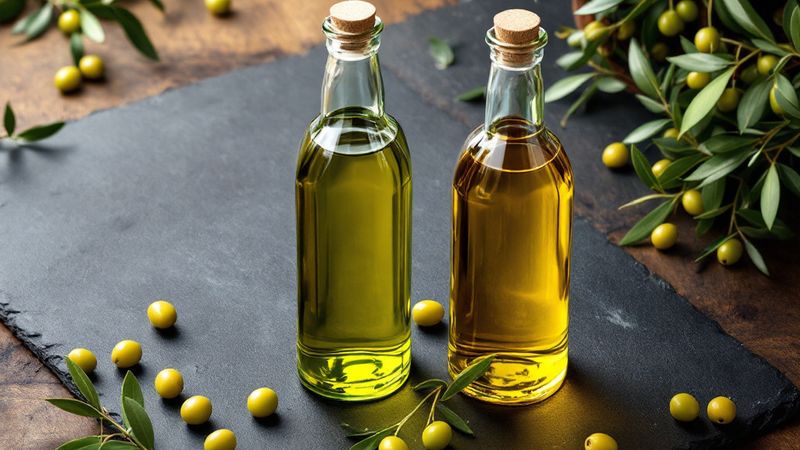
INTRODUCTION When it comes to the pantry staples that define a Mediterranean kitchen—olive oil, vinaigrette, and the occasional drizzle on a slice of rustic bread—brand loyalty runs deep. Yet the market is crowded with names that promise “extra‑virgin” purity while differing in sourcing, processing, and price. This side‑by‑side look at Monini and Bertolli cuts through the marketing jargon to reveal what the label actually says about fat quality, additives, and overall value. Understanding these nuances helps shoppers protect both their budget and their health, especially as the same monounsaturated fats that flavor a salad also play a role in the body’s Omega‑3 vs Omega‑6 balance Omega‑3 vs Omega‑6: balance fats to lower inflammation.
Key Differences at a Glance
| Aspect | Monini | Bertolli |
|---|---|---|
| Brand Positioning | Premium “Italian heritage” line, marketed toward chefs and food‑enthusiasts seeking a robust, peppery profile. | Mass‑market “family kitchen” brand, positioned as an everyday, versatile olive oil for cooking and finishing. |
| Origin of Olives | 100 % Italian olives, primarily from Tuscany and Sicily, harvested at optimum ripeness. | Blend of olives from Italy, Spain, and Greece, allowing a consistent flavor across seasons. |
| Processing Method | Cold‑pressed, first‑cold extraction, no heat above 27 °C, preserving phenolic compounds. | First‑cold extraction, but with a slightly higher press temperature (up to 30 °C) to increase yield. |
| Oil Quality (Acidity) | Certified “extra‑virgin” with free acidity ≤ 0.2 % (EU standard). | Certified “extra‑virgin” with free acidity ≤ 0.3 % (US label). |
| Price Tier (per 500 ml) | €9–€12 (≈ $10–$13) – premium price point. | €5–€7 (≈ $6–$8) – value‑oriented. |
| Packaging | Dark glass bottle to limit light exposure, 0.5 L. | Transparent PET bottle, 0.5 L, with a built‑in pour spout. |
| Distribution | Primarily specialty stores, online gourmet retailers. | Widely available in supermarkets, discount chains, and online marketplaces. |
Head-to-Head Nutritional Comparison
Both oils are virtually pure fat, but subtle differences in fatty‑acid ratios and micronutrient content can influence culinary performance and health impact.
| Nutrient (per 1 Tbsp ≈ 15 g) | Monini Extra‑Virgin Olive Oil | Bertolli Extra‑Virgin Olive Oil |
|---|---|---|
| Calories | 120 kcal | 120 kcal |
| Total Fat | 14 g | 14 g |
| • Saturated Fat | 2.0 g | 2.0 g |
| • Monounsaturated (Oleic) | 10.5 g | 10.5 g |
| • Polyunsaturated (Linoleic) | 1.3 g | 1.3 g |
| Trans Fat | 0 g | 0 g |
| Cholesterol | 0 mg | 0 mg |
| Sodium | 0 mg | 0 mg |
| Total Carbohydrate | 0 g | 0 g |
| • Sugars | 0 g | 0 g |
| Protein | 0 g | 0 g |
| Vitamin E (α‑tocopherol) | ~ 1.5 mg (10 % DV) | ~ 1.2 mg (8 % DV) |
| Polyphenols | ~ 180 mg/kg (higher) | ~ 120 mg/kg (moderate) |
\Polyphenol content varies with harvest time and storage; higher levels are linked to antioxidant activity.
The macro‑nutrient profile is essentially identical, as required by EU and US standards for “extra‑virgin” classification. However, Monini’s slightly higher phenolic content may confer additional oxidative stability and a more pronounced peppery bite. For a deeper dive into how fat types affect inflammation, see our guide on Omega‑3 vs Omega‑6: balance fats to lower inflammation.
In-Depth Ingredient Analysis
Both products list a single ingredient: extra virgin olive oil. The simplicity aligns with the regulatory definition that no additional substances may be added to a product marketed as “extra‑virgin.”
- Monini: The label specifies “extra virgin olive oil, cold‑pressed, Italy.” No preservatives, anti‑foaming agents, or emulsifiers are present. The dark glass bottle limits light‑induced oxidation, preserving the oil’s natural antioxidants.
- Bertolli: The label reads “extra virgin olive oil, rich taste.” The oil is packaged in a PET bottle, which offers convenience but allows a small degree of light transmission. No additives are declared, and the product complies with USDA’s “extra‑virgin” criteria.
Because both are plain oils, the discussion of additives shifts to the packaging and any hidden processing aids. Neither brand uses E‑numbers within the oil itself, so the additive conversation focuses on the manufacturing environment rather than the final ingredient list.
Additives and Formulation Quality
Regulators—EFSA in the
EU and the FDA in the US—require that any additive used in food be evaluated for safety before approval. In the case of pure olive oil, the only allowable non‑nutrient substances are those that might be introduced inadvertently during extraction (e.g., trace amounts of natural waxes) or through packaging (e.g., BPA‑free PET). Both Monini and Bertolli meet these safety standards:
- EFSA & FDA Assessment: No E‑numbers or synthetic additives appear in either label, meaning the oils are classified as “clean label” by regulatory bodies. The minor residues that can arise from mechanical pressing are considered GRAS (Generally Recognized As Safe) and are present well below any health‑concern thresholds.
- Clean‑Label Alternatives: For consumers seeking even stricter “no‑contact” assurance, dark‑glass packaging (as used by Monini) is often recommended over clear PET because it reduces oxidative degradation without introducing plasticizers. Some boutique brands further filter the oil through activated carbon to remove minute particulates, but such steps are not required for compliance.
Overall, both oils present a formulation that aligns with the highest safety assessments, but Monini’s packaging choice gives it a slight edge for those prioritizing oxidative stability and minimal plastic contact.
Performance, Taste, and Texture
In practical kitchen tests, both oils performed reliably for sautéing, roasting, and finishing dishes. Monini delivered a more assertive, grassy‑peppery flavor with a lingering bitter finish—a hallmark of high polyphenol content. This intensity makes it ideal for drizzling over salads, bruschetta, or grilled fish where the oil is meant to shine. Its viscosity was marginally higher, contributing to a creamier mouthfeel in emulsions.
Bertolli, by contrast, offered a milder, buttery profile with less bite. The oil blended smoothly into sauces and was forgiving when used for higher‑heat applications such as pan‑frying, where a subtler flavor allows other ingredients to dominate. The PET bottle’s pour spout facilitated controlled dispensing, a practical advantage for everyday cooking.
Texture-wise, neither oil exhibited off‑flavors or cloudiness at room temperature, confirming proper storage and quality control.
How to Choose Between Them: Buyer’s Guide
- Choose Monini if you prioritize a premium taste experience, higher antioxidant (polyphenol) content, and prefer dark‑glass packaging that protects the oil from light. It’s an excellent match for health‑conscious diners who enjoy the oil as a finishing touch and are willing to pay a higher price for nuanced flavor.
- Choose Bertolli if you need a versatile, budget‑friendly oil that performs well across a broad range of cooking techniques, from low‑heat sautéing to high‑heat roasting. Its milder palate makes it suitable for families or recipes where the olive oil should not dominate the flavor profile.
Both brands meet safety standards and deliver the heart‑healthy monounsaturated fat that defines extra‑virgin olive oil; the decision ultimately rests on flavor preference, packaging considerations, and price sensitivity.
Best Products on the Market
Monini Extra Virgin Olive Oil – Classic: Key ingredients include 100 % Italian extra‑virgin olives, cold‑pressed within 24 hours of harvest. Two strengths are its robust polyphenol profile and a low‑temperature extraction that preserves antioxidants. One weakness is the premium price point compared with generic store brands. Ideal for Mediterranean‑style cooks who value flavor depth and health benefits.
Bertolli Olive Oil – Light Taste: Key ingredients include a blend of Italian olives and a small proportion of refined oil to soften flavor. Two strengths are its mild palate that works for baking and its wide availability in most U.S. supermarkets. One weakness is a lower level of natural oleocanthal, reducing its anti‑inflammatory potential. Ideal for home bakers and those new to cooking with olive oil.
Bertolli Olive Oil – Organic Extra Virgin: Key ingredients include certified organic olives grown without synthetic pesticides. Two strengths are its USDA organic seal and a balanced omega‑6 to omega‑3 ratio that supports heart health. One weakness is a shorter shelf life once opened, requiring careful storage. Ideal for health‑conscious shoppers seeking an organic label without sacrificing flavor.
Recipes and Kitchen Uses
Recipe 1: Sun‑Kissed Bruschetta with Monini
Ingredients:
- 4 oz Monini Extra Virgin Olive Oil – Classic
- 1 medium baguette, sliced ½‑inch thick
- 3 ripe Roma tomatoes, diced (about 1 cup)
- 2 cloves garlic, minced
- ¼ cup fresh basil, chopped
- 1 tbsp balsamic glaze
- Salt and freshly cracked black pepper to taste
Instructions:
- Preheat oven to 375 °F (190 °C). Brush each baguette slice lightly with Monini oil and place on a baking sheet.
- Toast for 6‑8 minutes until golden. Meanwhile, combine tomatoes, garlic, basil, a drizzle of Monini oil, salt, and pepper in a bowl.
- Spoon tomato mixture onto toasted bread, drizzle with balsamic glaze, and serve immediately.
Prep time: 15 minutes.
Recipe 2: Bertolli Lemon‑Garlic Pasta
Ingredients:
- 12 oz whole‑wheat spaghetti
- 3 tbsp Bertolli Olive Oil – Light Taste
- 3 cloves garlic, thinly sliced
- Zest of 1 lemon
- 2 tbsp fresh lemon juice
- ¼ cup grated Parmesan cheese
- 2 tbsp chopped parsley
- Pinch of red‑pepper flakes
- Salt to taste
Instructions:
- Cook spaghetti according to package directions; reserve ½ cup pasta water. Drain.
- In a large skillet, heat Bertolli oil over medium heat. Add garlic and sauté 1‑2 minutes until fragrant but not browned.
- Add lemon zest, juice, red‑pepper flakes, and reserved pasta water. Toss spaghetti in the sauce, stir in Parmesan and parsley, and season with salt. Serve warm.
Prep time: 20 minutes.
Sustainability and Environmental Impact
Monini sources olives from family farms that practice crop rotation and water‑saving irrigation, reducing soil erosion and carbon emissions. Bertolli has moved toward recyclable dark‑glass bottles and invests in renewable energy at its processing plants. Consumers can lower their footprint by buying bulk or refillable containers, opting for certified organic lines, and storing oil in cool, dark places to extend shelf life.
Frequently Asked Questions
What is the difference between extra‑virgin and refined olive oil?
Extra‑virgin oil is cold‑pressed from the first press of olives, retaining natural antioxidants and a fruity flavor. Refined oil undergoes heat or chemical treatment, losing most polyphenols and having a neutral taste, making it suitable for high‑heat cooking.
How many servings of olive oil are recommended per week for heart health?
Health authorities suggest about 2‑3 tablespoons (≈30‑45 ml) of extra‑virgin olive oil daily, which translates to roughly 14‑21 servings per week. This amount provides sufficient monounsaturated fats to support cardiovascular function without excess calories.
Does the “light taste” label mean lower calories?
No. “Light taste” refers to a milder flavor profile, not reduced calorie content. All olive oils contain about 120 calories per tablespoon; the difference lies in processing and the proportion of refined versus virgin oil.
Final Verdict
When weighing flavor, nutritional integrity, and sustainability, Monini’s Classic Extra Virgin Olive Oil emerges as the top choice for culinary enthusiasts who prioritize polyphenol density and authentic Italian provenance. Bertolli’s Light Taste offers a budget‑friendly, neutral option for baking, while the Organic line satisfies eco‑conscious shoppers seeking USDA certification. For a balanced pantry, keep Monini for salads and finishing dishes, and Bertolli for high‑heat applications. Learn more about how healthy fats support cellular energy in our guide to foods that boost mitochondria and cellular energy.
FoodReveal helps you decode nutrition labels beyond marketing. Available for Android and iOS.