
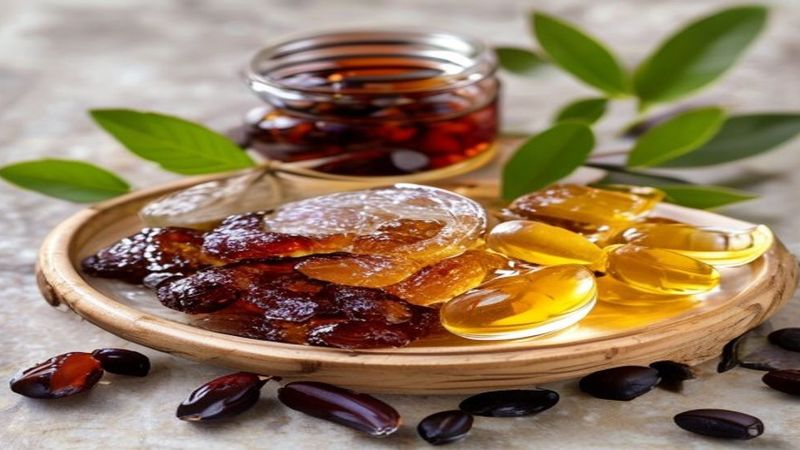
Natural Sugar Substitutes: A Complete Guide to the Best Alternatives
The quest for a healthier lifestyle has led many to reevaluate their sugar intake. Refined sugar, in particular, has been linked to various health issues, including obesity, diabetes, and heart disease. As a result, the demand for natural sugar substitutes has surged. But with so many options available, it can be challenging to determine which ones are truly beneficial. In this comprehensive guide, we'll explore the best natural sugar substitutes, their benefits, and potential drawbacks.
Understanding the Need for Sugar Substitutes
Before diving into the alternatives, it's essential to understand why sugar substitutes are necessary. Consuming high amounts of refined sugar can lead to a rapid spike in blood sugar levels, followed by a crash, leaving you feeling lethargic and craving more sugar. This cycle can be detrimental to overall health. Natural sugar substitutes offer a way to satisfy your sweet tooth without the negative consequences associated with refined sugar.
Types of Natural Sugar Substitutes
Natural sugar substitutes can be broadly categorized into several types, including:
- Sugar Alcohols: Derived from fruits and vegetables, these are low-calorie sweeteners that don't raise blood sugar levels.
- Herbal Sweeteners: Extracted from plants, these sweeteners are often calorie-free and don't affect blood sugar levels.
- Natural Sweeteners: These are derived from natural sources and contain calories but are considered a healthier alternative to refined sugar.
Exploring the Best Natural Sugar Substitutes
Stevia
Stevia is a herbal sweetener derived from the leaves of the Stevia rebaudiana plant. It's 200-300 times sweeter than sugar and contains virtually no calories. Stevia has been shown to have a positive effect on blood sugar levels and can be beneficial for those with diabetes. However, some people may find it has a licorice-like aftertaste.
Monk Fruit Sweetener
Monk Fruit Sweetener, also known as Luo Han Guo, is another herbal sweetener. It's made from a type of melon and is 150-200 times sweeter than sugar. Like Stevia, it's calorie-free and doesn't raise blood sugar levels. The sweetness comes from compounds called mogrosides, which are extracted and purified.
Yacon Syrup
Yacon Syrup is a natural sweetener made from the root of the yacon plant. It's rich in fructooligosaccharides, which are not digestible by the body, making it low on the glycemic index. Yacon Syrup contains calories but is considered a healthier alternative to refined sugar due to its prebiotic properties.
Honey
Honey is a natural sweetener that's been used for centuries. It contains antioxidants and has antimicrobial properties. While it's still a form of sugar, honey has a lower glycemic index than refined sugar and can be a healthier choice in moderation.
Xylitol
Xylitol is a sugar alcohol derived from the bark of the birch tree or from corn cobs. It has a similar sweetness to sugar but contains 40% fewer calories. Xylitol doesn't raise blood sugar levels and is often used in sugar-free gum and mints.
Erythritol
Erythritol is another sugar alcohol that's gaining popularity. It's found naturally in some fruits and fermented foods. Erythritol contains almost no calories and doesn't affect blood sugar or insulin levels. It's also less likely to cause digestive issues compared to other sugar alcohols.
Coconut Sugar
Coconut Sugar is a natural sweetener made from the sap of coconut trees. It contains minerals like iron, zinc, and potassium, and has a lower glycemic index than refined sugar. While it's still a form of sugar, coconut sugar is considered a more nutritious alternative.
Benefits of Natural Sugar Substitutes
- Weight Management: Many natural sugar substitutes are low in calories or calorie-free, making them an attractive option for those managing their weight.
- Blood Sugar Control: Natural sugar substitutes like Stevia and Monk Fruit Sweetener don't raise blood sugar levels, making them suitable for diabetics.
- Dental Health: Some natural sugar substitutes, such as Xylitol, have been shown to prevent tooth decay and promote oral health.
Potential Drawbacks
- Digestive Issues: Some sugar alcohols can cause bloating, gas, and diarrhea in sensitive individuals.
- Taste: Certain natural sugar substitutes have a distinct taste or aftertaste that not everyone finds palatable.
- Allergic Reactions: Although rare, some people may be allergic to certain natural sugar substitutes.
FAQ
Are natural sugar substitutes safe to consume?
Most natural sugar substitutes are considered safe when consumed in moderation. However, it's essential to be aware of potential side effects and allergic reactions.
Can natural sugar substitutes help with weight loss?
Natural sugar substitutes can be a helpful tool for weight loss by reducing overall calorie intake. However, they should be part of a balanced diet and healthy lifestyle.
Are natural sugar substitutes suitable for diabetics?
Many natural sugar substitutes, such as Stevia and Monk Fruit Sweetener, are suitable for diabetics as they don't affect blood sugar levels.
Final Verdict
Natural sugar substitutes offer a viable alternative to refined sugar, providing a way to satisfy your sweet tooth without compromising your health. While they have their benefits and drawbacks, choosing the right natural sugar substitute can be a step towards a healthier lifestyle. It's crucial to consume these alternatives in moderation and be mindful of their potential effects on your body.
🔍 FoodReveal helps you decode nutrition labels beyond marketing. Available for Android and iOS.