

Folgers vs Peet's: Coffee, Aroma, and Intensity
For countless individuals, the morning ritual isn't complete without a steaming cup of coffee. But when navigating the vast aisles of coffee brands, two names often stand out for very different reasons: Folgers and Peet's. One, a household staple synonymous with dependable consistency; the other, a specialty pioneer renowned for its bold, artisanal approach. This comparison isn't just about beans and water; it's about understanding the subtle science behind aroma, intensity, and flavor that shapes our daily brew. From how they source their beans to their distinct roasting philosophies, Folgers and Peet's offer profoundly different experiences for coffee lovers. Join us as we explore what sets these two coffee giants apart, helping you decide which cup best suits your palate and lifestyle. For more insights on making an informed coffee choice, consider exploring our guide on Healthiest Coffee: How to Choose.
Key Differences at a Glance
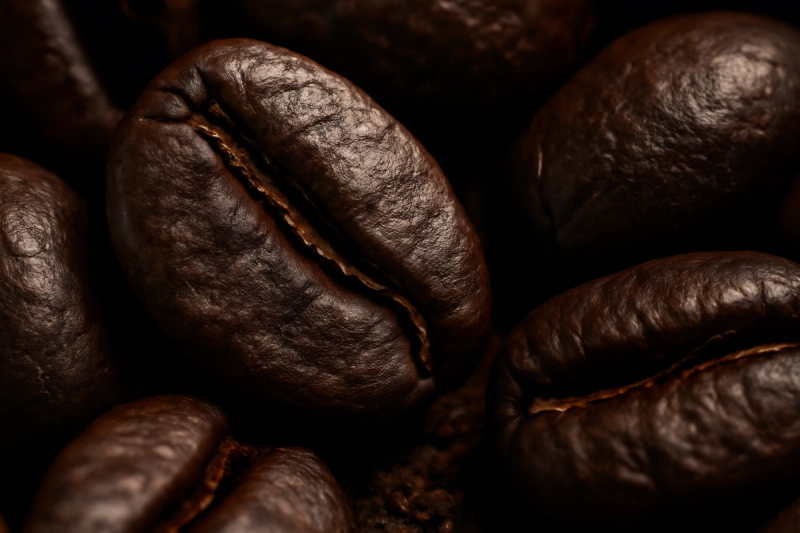
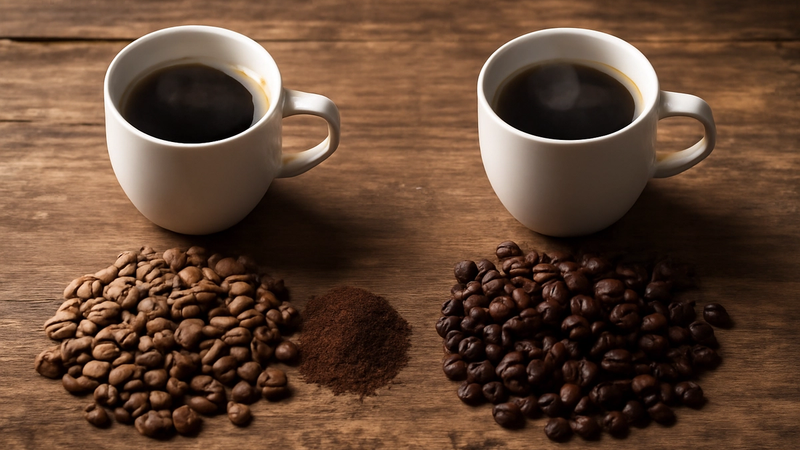
At first glance, Folgers and Peet's occupy distinct niches in the expansive coffee market, largely defined by their brand positioning and approach to the coffee experience. Folgers has long been the quintessential American coffee, celebrated for its accessibility, consistent flavor, and budget-friendly price point. It targets the mainstream consumer who values familiarity and an uncomplicated daily brew, often featuring global blends for a universally accepted taste. Peet's Coffee, on the other hand, positions itself as a premium, craft brand. Originating from Berkeley, California, Peet's is known for pioneering the specialty coffee movement, emphasizing darker roasts, higher quality beans, and a more intense flavor profile. While Folgers typically sources broadly for consistency and cost-effectiveness, Peet's often highlights specific origins and aims for a more nuanced, artisanal product, reflecting its higher price tier. The core difference lies in their philosophy: Folgers provides a reliable, comforting cup, while Peet's delivers a robust, often bold, and more complex coffee adventure.
Head-to-Head Nutritional Comparison
When it comes to plain, black coffee – the core product offered by both Folgers and Peet's – the nutritional profile is remarkably similar and minimalistic. Both brands primarily offer roasted coffee beans, which, when brewed without additions, contain negligible calories, fats, sugars, and sodium. The provided label data for "Gourmet Supreme Coffee Folgers®" and general information about Peet's K-cups and whole beans confirm that their standard products are 100% ground or whole bean coffee.
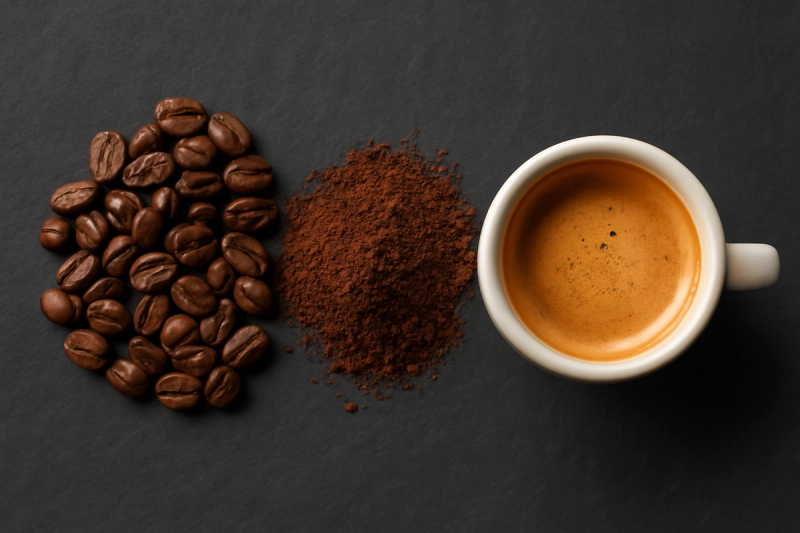
Here's a general nutritional breakdown for a typical 8-ounce (240ml) cup of plain black coffee:
| Nutrient | Folgers (approx.) | Peet's (approx.) |
|---|---|---|
| Calories | 2-5 kcal | 2-5 kcal |
| Protein | 0.3g | 0.3g |
| Total Fat | 0g | 0g |
| Saturated Fat | 0g | 0g |
| Total Sugars | 0g | 0g |
| Sodium | 5mg | 5mg |
| Carbohydrates | 0g | 0g |
The slight variations in calorie count can arise from different brewing methods or bean types, but are generally insignificant. The nutritional impact of coffee primarily comes from what is added to it: milk, cream, sugar, or flavored syrups. Therefore, from a purely nutritional standpoint, a cup of black coffee from either Folgers or Peet's is an excellent, low-calorie choice. Consumers seeking specific micronutrients or effects from coffee might find more relevant information in how they prepare their drink, rather than inherent differences between these two brands' plain coffee.
In-Depth Ingredient Analysis
For their standard ground or whole bean coffee products, both Folgers and Peet's adhere to an exceptionally clean and straightforward ingredient list: 100% roasted coffee beans. This fundamental simplicity is a hallmark of quality coffee, where the flavor and aroma are derived solely from the natural characteristics of the coffee plant, the roasting process, and the freshness of the grind.
For instance, the "Gourmet Supreme Coffee Folgers®" is comprised solely of specially selected coffee beans, roasted and ground. Similarly, Peet's Coffee, whether in whole bean form or in its K-cup offerings (as indicated by the discussion around K-cup changes), maintains this pure ingredient profile. There are no added oils, starches, gums, or artificial flavorings in their unflavored, plain ground coffee varieties. This makes both brands, in their core offerings, naturally "clean label" products, appealing to consumers who prioritize minimal processing and natural ingredients in their food and beverages. Any deviations from this simple ingredient list would typically be found in flavored coffee blends (where natural or artificial flavorings might be added) or instant coffee products (which might contain anti-caking agents, though this is not the focus of the comparison for standard ground coffee).
Additives and Formulation Quality
Given that both Folgers and Peet's primarily offer 100% roasted coffee beans for their ground and whole bean products, the discussion of additives is largely moot for their core offerings. Plain ground coffee, by its very nature, is a clean-label product with no added ingredients beyond the coffee itself. This means no E-number additives, no gums, starches, or oils are typically found in a bag of Folgers Classic Roast or Peet's Major Dickason's Blend.
However, it's important to understand when additives might appear in the broader coffee product landscape. For instance, instant coffee (which both brands also offer) might sometimes include anti-caking agents, though many premium instant coffees also remain 100% coffee. Flavored coffees, whether ground or instant, would naturally contain added natural or artificial flavorings to achieve profiles like vanilla or hazelnut. If such flavorings were to be used, they would be subject to stringent safety assessments by regulatory bodies like the European Food Safety Authority (EFSA) in the EU and the Food and Drug Administration (FDA) in the US. These agencies ensure that authorized additives are safe for consumption at specified levels. For a deeper understanding of food additives and their regulation, consult our Food Additives Guide E, INS: What They Are and Risks|FoodReveal App. In the context of this direct comparison of standard Folgers and Peet's ground coffee, both represent products of high formulation quality due to their singular ingredient.
Performance, Taste, and Texture
The true distinction between Folgers and Peet's comes alive in the cup, where differences in roast, bean origin, and processing philosophy translate into vastly different sensory experiences.
Folgers is widely recognized for its consistent, mild, and approachable flavor profile. Often described as having a classic "coffee" taste, it tends to be less acidic with a generally smooth, albeit sometimes thin, mouthfeel. The aroma is comforting and familiar, evoking a sense of home and routine. Its intensity is typically moderate, making it a versatile choice for those who enjoy adding milk, sugar, or other flavorings without the coffee overpowering the additions. For some specialty coffee enthusiasts, Folgers might be perceived as having a slightly burnt or bland undertone, but for its loyal consumer base, it hits the mark for reliability and a dependable, everyday brew.
Peet's Coffee, in stark contrast, is celebrated for its bold, intense, and often complex character. Renowned for its darker roast profiles, Peet's delivers a richer, more robust flavor experience. Common taste notes include dark chocolate, smoky undertones, earthy richness, and a pronounced bitterness that dark roast lovers seek. The aroma is typically more pungent and aromatic, with distinct roast notes that promise a potent cup. In terms of texture and mouthfeel, Peet's often presents a fuller body due to the deeper roast, resulting in a more viscous and substantial feel on the palate. Its high intensity means it stands up well to milk and sugar, while still maintaining its distinct coffee presence.
How to Choose Between Them: Buyer's Guide
Deciding between Folgers and Peet's largely comes down to personal preference, budget, and what you seek from your daily coffee ritual. Neither is inherently "better" or "worse," but rather caters to different palates and priorities.
Choose Folgers if:
You prioritize value and consistency: Folgers offers a highly dependable, budget-friendly coffee that delivers the same familiar taste every time.
You prefer a milder, smoother coffee: If you're not a fan of intense, bold flavors or typically add a lot of milk and sugar, Folgers' more approachable profile will suit you.
You're a creature of habit: For those who appreciate a no-fuss, comforting cup that’s a consistent part of their routine, Folgers is an excellent choice.
You're buying for a crowd: Its universal appeal and cost-effectiveness make it ideal for offices, gatherings, or large families.
Choose Peet's if:
You crave intensity and boldness: Peet's is the clear winner for dark roast enthusiasts who love a strong, rich, and robust cup of coffee.
You appreciate artisanal quality and complex flavors: If you enjoy discerning smoky, chocolatey, or earthy notes and a fuller body, Peet's delivers a more nuanced experience.
You're willing to pay a premium: Peet's commands a higher price point, reflecting its focus on specialty beans and a distinct roasting philosophy.
You're a coffee enthusiast: For those who see coffee as an experience rather than just a caffeine delivery system, Peet's offers a more adventurous and satisfying journey.
Ultimately, both brands offer a pathway to your daily brew. Your ideal choice depends on whether you seek the comforting familiarity of a classic or the adventurous depth of a specialty roast.
Best Products on the Market
Folgers Classic Roast Ground Coffee: Key ingredients include 100% pure coffee. Two strengths are [1] its consistent, familiar flavor profile, and [2] its widespread availability and affordability. One weakness is the lack of nuanced aroma compared to specialty roasts. Ideal for daily coffee drinkers seeking a reliable and economical morning brew. For those interested in how everyday foods contribute to vitality, consider exploring Foods that boost mitochondria and cellular energy.
Peet's Coffee Major Dickason's Blend, Dark Roast Ground Coffee: Key ingredients include a proprietary blend of high-quality Arabica beans from multiple regions. Two strengths are [1] its rich, complex flavor with notes of chocolate and spice, and [2] a robust body that holds up well with milk or sugar. One weakness is its higher price point compared to value brands. Ideal for coffee enthusiasts who appreciate a bold, artisanal dark roast experience.
Peet's Coffee Sumatra Ketiara, Medium Roast Whole Bean Coffee: Key ingredients include 100% Arabica coffee beans sourced from the Ketiara cooperative in Sumatra. Two strengths are [1] its distinctive earthy and herbaceous notes with a syrupy body, and [2] the enhanced freshness and flavor retention of whole beans. One weakness is the requirement for a grinder, adding an extra step to preparation. Ideal for consumers looking for unique single-origin characteristics and willing to invest in superior freshness.
Recipes and Kitchen Uses
Recipe 1: Morning Energy Coffee Smoothie
Ingredients:
- 1 cup cold brewed coffee (Folgers or Peet's)
- 1 ripe banana, frozen
- 1/2 cup unsweetened almond milk
- 1 tablespoon almond butter
- 1/4 teaspoon ground cinnamon
- 1 scoop protein powder (optional, for added satiety)
Instructions:
- Combine all ingredients in a high-speed blender.
- Blend until smooth and creamy, adding more almond milk if a thinner consistency is desired.
- Pour into a glass and enjoy immediately for a revitalizing start to your day.
Prep time: 5 minutes.
Recipe 2: Spiced Coffee Rub for Roasted Chicken
Ingredients:
- 2 tablespoons finely ground coffee (Peet's Major Dickason's recommended for intensity)
- 1 tablespoon smoked paprika
- 1 teaspoon garlic powder
- 1 teaspoon onion powder
- 1/2 teaspoon black pepper
- 1/2 teaspoon sea salt
- 1/4 teaspoon cayenne pepper (optional, for heat)
Instructions:
- In a small bowl, combine all the dry ingredients, mixing thoroughly to ensure an even distribution of spices.
- Pat 1-1.5 lbs chicken breasts or thighs dry with a paper towel. Generously rub the spice mixture over all surfaces of the chicken.
- Roast or grill the chicken according to your preferred method until cooked through and tender.
Prep time: 10 minutes.
Sustainability and Environmental Impact
The coffee industry faces significant sustainability challenges, from deforestation to fair labor practices. Brands like Peet's often emphasize direct trade relationships, Rainforest Alliance certification, and recyclable packaging options, signaling a commitment to ethical sourcing and reduced environmental footprint. Folgers, while a larger brand, has also made strides, with some lines certified by organizations like the Sustainable Agricultural Network. Consumers can make responsible choices by looking for certifications, opting for whole beans to reduce packaging waste, and supporting companies that transparently share their supply chain practices.
Frequently Asked Questions
Is instant coffee healthier than brewed coffee?
Generally, there's no significant nutritional difference between instant and brewed coffee. Both contain antioxidants and beneficial compounds. However, instant coffee may contain slightly higher levels of acrylamide, a chemical formed during roasting. The primary health impact comes more from added sugars or creamers than the coffee type itself.
Why does Peet's coffee often taste stronger than Folgers?
Peet's often uses darker roasts and higher-quality Arabica beans, which naturally yield a more intense, robust flavor profile. Their focus on the "craft" of coffee, including specific blending and roasting techniques, aims to extract maximum flavor and aroma, contributing to a perceived stronger taste compared to Folgers' typically milder, more uniform roast.
What's the best way to store coffee to maintain freshness?
To maintain optimal freshness and prevent flavor degradation, store coffee beans or ground coffee in an airtight, opaque container at room temperature, away from direct sunlight, heat, and moisture. Avoid refrigeration or freezing if consuming within a few weeks, as this can introduce moisture and freezer burn.
Final Verdict
The choice between Folgers and Peet's ultimately hinges on individual preference and priorities. Folgers offers unparalleled convenience and value, delivering a consistent, comforting cup that has been a staple in many households for generations. Its appeal lies in its reliability and accessibility. Peet's, on the other hand, caters to a consumer seeking a more nuanced, artisanal experience, prioritizing complex flavors, ethical sourcing, and a darker, more intense roast profile. While Peet's often comes with a higher price point, it provides a discernible step up in aroma and intensity for the discerning palate. Both brands have their place in the coffee landscape, but for those seeking deeper flavor exploration, Peet's often delivers. Understanding the nutritional impact of beverages and how they fit into a balanced diet is crucial for overall wellness, similar to how one might compare Plant vs Animal Protein: Vega vs Optimum Nutrition for their daily intake.
FoodReveal helps you decode nutrition labels beyond marketing. Available for Android and iOS.
FoodReveal helps you decode nutrition labels beyond marketing. Available for Android and iOS.