
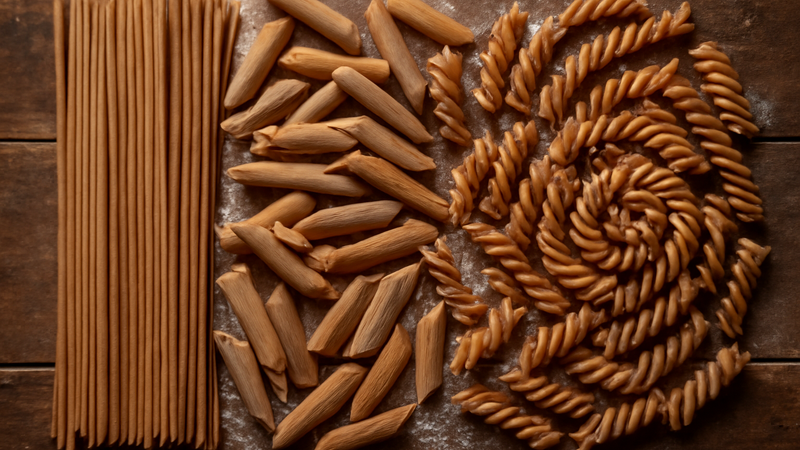
Barilla vs Ronzoni: Whole-Wheat Pasta, Cooking and Texture
INTRODUCTION In the bustling aisles of the US supermarket, choosing the right pasta can be a surprisingly nuanced decision, especially when health and nutrition are top of mind. Whole-wheat pasta has surged in popularity, offering a robust alternative to its refined counterparts, packed with fiber and essential nutrients. But with major brands like Barilla and Ronzoni dominating the market, how do consumers make an informed choice that satisfies both their dietary goals and their palate? This article dives deep into a head-to-head comparison of Barilla and Ronzoni whole-wheat pastas, dissecting their nutritional profiles, ingredient purity, and critically, their performance in the kitchen. We'll explore which brand delivers superior consistency and flavor, helping you decode nutrition labels beyond marketing claims. Understanding the subtle differences can transform your meals, ensuring every bite aligns with your health aspirations. For those curious about the broader spectrum of pasta choices, you might also be interested in Barilla whole wheat vs regular: which pasta calms more?.
Key Differences at a Glance
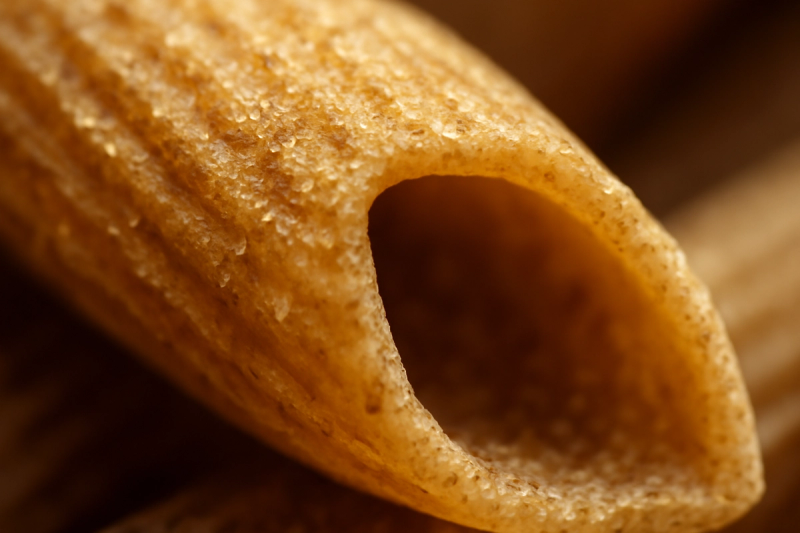
Barilla and
Ronzoni, both venerable names in the pasta industry, approach the whole-wheat segment with distinct brand philosophies, impacting everything from sourcing to the final product on your plate. Barilla, an Italian powerhouse with a strong global presence, emphasizes its heritage and consistent quality, often positioning its whole-wheat line as an extension of its traditional pasta expertise. Their whole-wheat semolina is typically sourced to meet a global standard, aiming for broad appeal in texture and cooking performance. Ronzoni, a brand with a significant footprint in the American market, often highlights its commitment to accessible, wholesome family meals. While both brands use 100% whole grain durum wheat flour, there can be subtle differences in the grind and handling of the flour, which contribute to the pasta's specific mouthfeel and cooking properties. In terms of price tier, both typically fall within the mid-range segment, making them accessible options for the average shopper, though regional pricing and promotions can create fluctuations.
Head-to-Head Nutritional Comparison
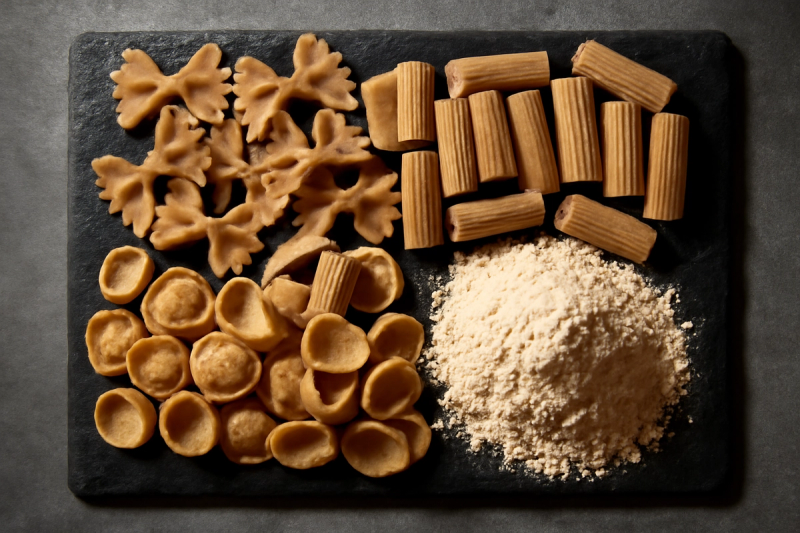
When it comes to whole-wheat pasta, nutrition is often the driving force behind a consumer's choice. Both Barilla and Ronzoni excel in providing a rich source of dietary fiber and complex carbohydrates, vital for digestive health and sustained energy. However, a closer look at their nutritional labels reveals minor distinctions that might sway your preference. Per standard serving (approx. 56g dry pasta), both offer similar calorie counts, reflecting their whole grain nature. The key differences often lie in the precise fiber, protein, and micronutrient content, which can vary slightly due to different wheat varieties or processing methods. Whole-wheat pasta, by definition, retains all parts of the wheat kernel – the bran, germ, and endosperm – making it inherently richer in B vitamins, iron, magnesium, and selenium compared to refined pasta. For a comparative perspective on similar products, check out our analysis of Banza vs Jovial: Whole-Wheat Pasta, Cooking and Texture.
Here's a typical nutritional breakdown for a 56g (2 oz) dry serving:
| Nutrient | Barilla Whole Wheat Pasta | Ronzoni Whole Wheat Pasta |
|---|---|---|
| Calories | 190 | 200 |
| Total Fat | 1g | 1.5g |
| Saturated Fat | 0g | 0g |
| Sodium | 0mg | 0mg |
| Total Carbs | 41g | 40g |
| Dietary Fiber | 7g | 6g |
| Total Sugars | 2g | 2g |
| Protein | 7g | 8g |
Note: Nutritional values are typical for plain whole-wheat pasta and may vary slightly by specific pasta shape and product formulation.
In-Depth Ingredient Analysis
At the heart of any truly wholesome whole-wheat pasta is a commitment to simplicity. Both Barilla and Ronzoni champion this principle, with their ingredient lists typically featuring just one primary component: 100% whole grain durum wheat semolina. Sometimes, water is the only other ingredient. This minimal ingredient deck is a hallmark of quality and purity, ensuring that consumers are getting the unadulterated benefits of the whole grain. There are no hidden oils, starches, or artificial flavorings in these plain whole-wheat pasta products. The integrity of the whole durum wheat kernel is preserved, providing its natural fiber, protein, vitamins, and minerals.
Additives and Formulation Quality
In the realm of plain whole-wheat pasta from reputable brands like Barilla and Ronzoni, the absence of additives is a strong indicator of superior formulation quality. Consumers can rest assured that these products are typically free from any E-number additives, gums, or modified starches. It is important to note, however, that all E-number additives authorized for use in the EU and US markets undergo rigorous safety assessments by the European Food Safety Authority (EFSA) and the U.S. Food and Drug Administration (FDA) respectively. These agencies ensure that any authorized additives are safe for consumption within specified limits.
For Barilla and
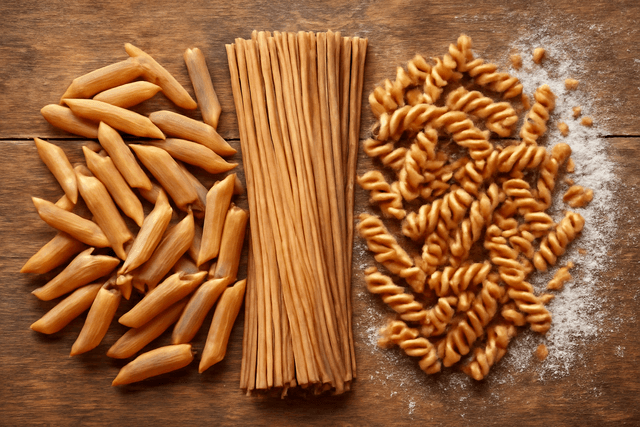
Ronzoni whole-wheat pasta, the formulation prioritizes a clean label, relying solely on the inherent properties of the whole grain durum wheat. This means no emulsifiers to aid texture, no stabilizers to prevent breakage, and no colorants. The deep, earthy hue of the pasta comes naturally from the bran component of the whole grain. This commitment to 'clean eating' appeals to consumers seeking products with minimal processing and ingredients they recognize and trust.
Performance, Taste, and Texture
The real test of any pasta lies in its performance from pot to plate. Whole-wheat pasta can sometimes present a challenge in achieving the perfect al dente bite, a quality highly prized by pasta enthusiasts. Barilla Whole Wheat Pasta typically offers a commendable balance, maintaining its firmness during cooking with a slightly nutty flavor that complements a wide range of sauces. Its texture tends to be resilient, resisting mushiness even if cooked a minute or two over the recommended time.
Ronzoni Healthy Harvest Whole
Grain pasta, on the other hand, often provides a somewhat softer mouthfeel while still aiming for a satisfying chew. Some consumers might find its flavor profile to be a bit milder than Barilla's, allowing the sauce to be the dominant note. Achieving optimal texture with Ronzoni often requires closer attention to cooking times to prevent it from becoming too yielding. Both brands, however, have significantly improved the sensory experience of whole-wheat pasta over the years, moving away from the gritty or overly dense textures that were once common.
How to Choose Between Them: Buyer's Guide
Selecting between Barilla and Ronzoni whole-wheat pasta ultimately comes down to personal preference and dietary goals. If you prioritize a firmer, more traditional al dente texture with a pronounced nutty flavor that stands up well to robust sauces, Barilla Whole Wheat might be your ideal choice. Its consistent cooking performance makes it a reliable staple for everyday meals, and its Italian heritage resonates with those seeking authentic pasta experiences.
Conversely, if you prefer a slightly softer, more yielding pasta that still delivers on whole-grain nutrition, Ronzoni Healthy Harvest could be a better fit. Its milder flavor profile might also appeal to those new to whole-wheat pasta or families where a less assertive grain taste is preferred. Ronzoni often positions itself as an accessible, wholesome option for American households. Both brands are excellent sources of fiber and complex carbohydrates, making them suitable for individuals focused on digestive health, sustained energy, and incorporating more whole grains into their diet. Consider experimenting with both to discover which aligns best with your palate and cooking style.
Best Products on the Market
Barilla Whole Grain Pasta: Key ingredients include 100% whole grain durum wheat flour and water. Two strengths are [1] its widespread availability and affordability in major supermarkets like Kroger and Target, and [2] its consistent al dente texture that holds up well during cooking, making it a reliable choice for various sauces. One weakness is its slightly less pronounced nutty flavor compared to some other whole wheat options. Ideal for everyday family meals where a healthier alternative is desired without a dramatic shift in texture expectations. For a deeper dive into its nutritional profile, see Barilla vs Ronzoni: Whole Wheat Pasta, Nutrition and Taste.
Ronzoni Healthy Harvest Whole Wheat Pasta: Key ingredients include 100% whole durum wheat flour. Two strengths are [1] its robust, nutty flavor that complements hearty sauces well, and [2] its excellent source of dietary fiber, contributing significantly to daily intake goals. One weakness is its tendency to become slightly softer or mushy if cooked beyond the recommended al dente time, requiring careful monitoring. Ideal for those prioritizing a strong whole-grain taste and high fiber content in their pasta dishes.
Trader Joe's Organic Whole Wheat Pasta: Key ingredients include organic whole durum wheat flour and water. Two strengths are [1] its organic certification, appealing to consumers looking for responsibly sourced ingredients, and [2] its budget-friendly price point for an organic product, often cheaper than comparable options. One weakness is its limited availability, as it can only be purchased at Trader Joe's stores. Ideal for shoppers seeking an affordable organic whole wheat pasta to pair with fresh, lighter sauces.
Recipes and Kitchen Uses
Whole-wheat pasta's robust flavor and firm texture make it a versatile base for a myriad of healthy, satisfying dishes. Its ability to absorb flavors means it pairs beautifully with both light, fresh ingredients and rich, savory sauces.
Recipe 1: Quick Lemon-Herb Whole Wheat Linguine
Ingredients:
- 8 oz (225g) whole wheat linguine
- 2 tablespoons extra virgin olive oil
- 3 cloves garlic, minced
- Zest of 1 large lemon
- Juice of 1/2 lemon
- 1/4 cup fresh parsley, chopped
- 1/4 teaspoon red pepper flakes (optional)
- Salt and freshly ground black pepper to taste
- 1/4 cup grated Parmesan cheese (optional)
Instructions:
- Bring a large pot of salted water to a boil. Add the whole wheat linguine and cook according to package directions until al dente. Reserve 1/2 cup of pasta water before draining.
- While pasta cooks, heat olive oil in a large skillet over medium heat. Add minced garlic and red pepper flakes (if using) and sauté for 1 minute until fragrant, being careful not to burn the garlic.
- Add the cooked and drained pasta to the skillet. Toss with lemon zest, lemon juice, and chopped parsley. Add a splash of the reserved pasta water to create a light sauce, if desired. Season with salt and pepper.
- Serve immediately, topped with grated Parmesan cheese, if using.
Prep time: 15 minutes.
Recipe 2: Hearty Whole Wheat Penne with Roasted Vegetables
Ingredients:
- 8 oz (225g) whole wheat penne
- 1 red bell pepper, cored and chopped
- 1 zucchini, chopped
- 1 cup cherry tomatoes, halved
- 1/2 red onion, thinly sliced
- 2 tablespoons extra virgin olive oil
- 1 teaspoon dried oregano
- Salt and freshly ground black pepper to taste
- 1/4 cup crumbled feta cheese
- Fresh basil leaves for garnish (optional)
Instructions:
- Preheat oven to 400°F (200°C). On a baking sheet, combine the chopped bell pepper, zucchini, cherry tomatoes, and red onion. Drizzle with olive oil, sprinkle with dried oregano, salt, and pepper. Toss to coat evenly. Roast for 20-25 minutes, or until vegetables are tender and slightly caramelized.
- While vegetables roast, bring a large pot of salted water to a boil. Add the whole wheat penne and cook according to package directions until al dente. Drain well.
- In a large bowl, combine the drained penne and the roasted vegetables. Toss gently to mix.
- Serve warm, topped with crumbled feta cheese and fresh basil leaves, if desired.
Prep time: 30 minutes.
Sustainability and Environmental Impact
The environmental footprint of pasta production largely hinges on agricultural practices, supply chain efficiency, and packaging. Whole wheat pasta, often made from durum wheat, benefits from generally lower processing requirements than refined white pasta, potentially reducing energy consumption. Sustainable farming practices for wheat, such as crop rotation and reduced pesticide use, minimize soil depletion and water pollution. Many brands are moving towards more eco-friendly packaging, opting for recyclable cardboard over non-recyclable plastics. As consumers, choosing brands with transparent sourcing, considering organic options, and minimizing food waste are crucial steps in supporting a more sustainable food system.
Frequently Asked Questions
Is whole wheat pasta healthier than regular pasta?
Yes, generally. Whole wheat pasta retains the bran and germ of the wheat kernel, which means it contains more fiber, protein, vitamins (B vitamins), and minerals (iron, magnesium) than regular refined pasta. This higher fiber content aids digestion, promotes satiety, and helps regulate blood sugar levels more effectively.
How do you cook whole wheat pasta so it doesn't get mushy?
To prevent whole wheat pasta from becoming mushy, cook it strictly according to package directions, often aiming for an "al dente" texture. Start testing for doneness a minute or two before the suggested minimum cook time. Use plenty of boiling, salted water, and ensure it comes to a rolling boil before adding pasta. Drain immediately once al dente and serve or incorporate into your sauce without delay.
Does whole wheat pasta taste different?
Yes, whole wheat pasta typically has a more distinct, nutty, and earthy flavor profile compared to the neutral taste of traditional white pasta. Its texture is also often firmer and chewier. This difference in taste and texture can be a pleasant addition to dishes, especially those with robust sauces, but may require some adjustment for palates accustomed solely to refined pasta.
Final Verdict
When comparing Barilla and Ronzoni whole wheat pastas, the choice often comes down to nuanced preferences in texture and flavor. Barilla offers a slightly more consistent, al dente chew that closely mimics traditional pasta, making it an excellent gateway for those new to whole wheat. Ronzoni, with its more pronounced nutty flavor and higher fiber content, appeals to consumers prioritizing robust whole-grain taste and nutritional benefits. Both brands offer accessible, healthy alternatives to white pasta, excelling in different aspects of cooking and consistency. Ultimately, the "best" choice is subjective, depending on your recipe and desired culinary outcome. For further comparison on cooking performance, explore Barilla vs Ronzoni: Which Pasta Has Better Cooking?.
FoodReveal helps you decode nutrition labels beyond marketing. Available for Android and iOS.