
INTRODUCTION
In today's fast-paced food landscape, consumers are increasingly seeking transparency and informed choices about the food they eat. With the rise of frozen vegetables, two prominent brands, Findus and Bonduelle, have gained significant attention. As we delve into the world of frozen vegetables, it's essential to understand the nuances of these products and their ingredients. For instance, making informed food choices can be as simple as comparing Artisan gelato vs light: ingredients, calories, packaging to make a decision that suits your dietary needs.
What They Are: Definition and Origins
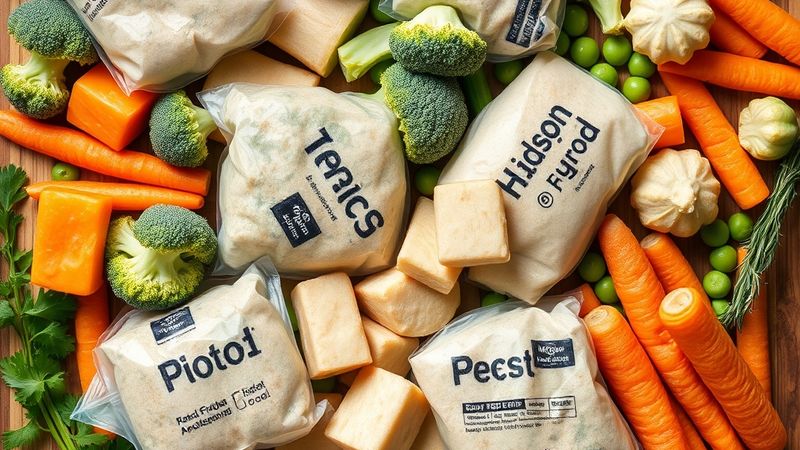
Findus and Bonduelle are two well-known brands that offer a range of frozen vegetable products. These products are made from vegetables that are picked at peak freshness, blanched, and then frozen to preserve their nutritional value and flavor. The history of frozen vegetables dates back to the early 20th century, when the first frozen foods were introduced. Today, frozen vegetables are a staple in many households, offering a convenient and affordable way to incorporate more vegetables into one's diet. The main variants available today include mixed vegetables, individual vegetable varieties, and prepared meals such as stir-fries and soups.
How They're Made
The production process for frozen vegetables typically involves harvesting, sorting, blanching, and freezing. Industrial producers like Findus and Bonduelle use large-scale machinery to process and package their products, whereas artisanal producers may use smaller-scale equipment and more manual processes. This difference in production methods can affect the final product's quality, texture, and nutritional content.
Detailed Nutritional Comparison
| Nutrient | Findus Mixed Vegetables | Bonduelle Mixed Vegetables | Fresh Mixed Vegetables | Canned Mixed Vegetables |
|---|---|---|---|---|
| Calories | 50-70 per 100g | 60-80 per 100g | 20-50 per 100g | 100-150 per 100g |
| Protein | 2-3g per 100g | 2-3g per 100g | 1-2g per 100g | 1-2g per 100g |
| Fiber | 2-3g per 100g | 2-3g per 100g | 2-5g per 100g | 1-2g per 100g |
The nutritional comparison between Findus, Bonduelle, and other types of mixed vegetables reveals some interesting insights. Notably, frozen mixed vegetables from both brands have similar calorie and protein content, with slightly higher fiber content compared to canned mixed vegetables. However, fresh mixed vegetables generally have lower calorie and higher fiber content. As seen in our previous article on Rice vs Corn: Health Benefits in Crackers, the choice of ingredients can significantly impact the nutritional value of a product.
The data also suggests that frozen mixed vegetables can be a nutritious and convenient alternative to fresh or canned options, with the added benefit of year-round availability. Furthermore, the comparison highlights the importance of considering the production process and ingredient quality when evaluating the nutritional content of frozen vegetables.
In-Depth Ingredient Analysis
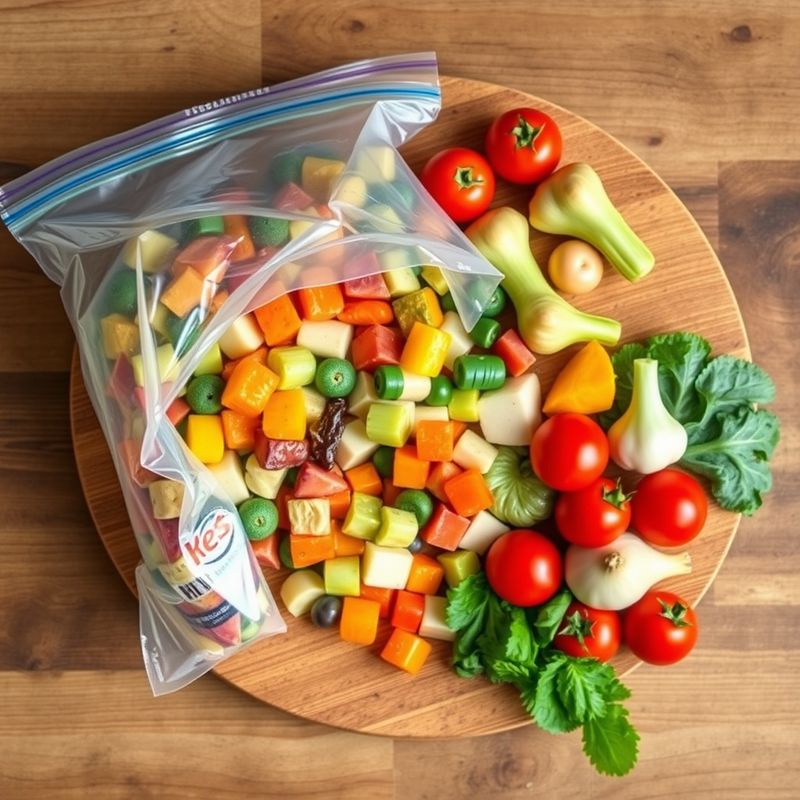
Typical ingredients in simple frozen vegetables should usually be straightforward: the vegetable itself, or a mix of vegetables such as peas, carrots and corn. The key check is not to assume preservatives, but to distinguish plain frozen vegetables from seasoned or prepared recipes that may include salt, oils, sauces, flavourings or other permitted technological ingredients.
Additives and Controversial Substances
For plain frozen vegetables, consumers should not expect preservatives as the default issue: freezing and the cold chain are what preserve the product. In prepared frozen vegetable dishes, additives or processing aids can appear depending on the recipe, so the useful label check is whether the ingredient list stays short, clear and consistent with the product being sold.
Health Effects and Benefits
Frozen mixed vegetables have been associated with several documented health benefits, including reduced risk of chronic diseases like heart disease and diabetes. The high fiber and antioxidant content in these products can also support healthy digestion and immune function. However, individuals with certain dietary restrictions or allergies should exercise caution when consuming frozen mixed vegetables, as some products may contain common allergens like soy or gluten. For more information on making informed food choices, readers can refer to our article on Unlock the Power of Informed Food Choices with FoodReveal.
How to Read the Label: A Practical Guide
When reading the label on frozen vegetables, first check whether it is a plain vegetable product or a seasoned/prepared recipe. Useful red flags are high sodium, added sugars, low-quality oils, vague flavouring terms and long ingredient lists for a product that should be simple. For plain frozen vegetables, do not judge the product by assuming preservatives; judge it by ingredient clarity, nutrition facts and storage instructions.
Best Products on the Market
Birds Eye Frozen Peas: Key ingredients include garden peas, salt. Two strengths are high vitamin C content and convenient packaging. One weakness is potential for high sodium content. This product is ideal for health-conscious individuals looking for a quick and easy side dish. For more information on vitamin C-rich foods, visit Vitamin C in Foods: Complete Guide to Ascorbic Acid.
Findus Mixed Vegetables: Key ingredients include carrots, peas, corn. Two strengths are variety of vegetables in one package and affordable price. One weakness is potential for lower nutritional value due to processing. This product is ideal for families seeking a budget-friendly and easy meal solution.
Bonduelle Frozen Broccoli: Key ingredients include broccoli, salt. Two strengths are high fiber content and rich in vitamins. One weakness is potential for overcooking, leading to nutrient loss. This product is ideal for individuals prioritizing nutrient-dense meals and willing to cook from scratch.
Recipes and Kitchen Uses
Recipe 1: Quick Frozen Vegetable Stir-Fry
Ingredients:
- 1 cup frozen mixed vegetables
- 1 tablespoon olive oil
- 1 clove garlic, minced
- Salt and pepper to taste
Instructions:
- Heat olive oil in a pan over medium heat.
- Add garlic and cook until fragrant.
- Add frozen vegetables and cook until thawed and tender.
- Season with salt and pepper to taste.
- Serve hot over rice or noodles.
Prep time: 15 minutes.
Recipe 2: Roasted Frozen Broccoli
Ingredients:
- 1 cup frozen broccoli florets
- 1 tablespoon olive oil
- Salt and pepper to taste
Instructions:
- Preheat oven to 400°F (200°C).
- Toss broccoli with olive oil, salt, and pepper.
- Spread on a baking sheet and roast for 15-20 minutes or until tender and lightly browned.
- Serve hot as a side dish.
Prep time: 10 minutes.
Sustainability and Environmental Impact
The production and distribution of frozen vegetables can have a significant environmental impact, including energy consumption for freezing and transportation, and potential waste from packaging. Consumers can choose responsibly by selecting products with minimal packaging, buying in bulk, and supporting companies that prioritize sustainability.
Frequently Asked Questions
What are the nutritional benefits of frozen vegetables?
Answer: Frozen vegetables can be just as nutritious as fresh ones, as they are often flash-frozen soon after harvesting, preserving their vitamin and mineral content.
Can I use frozen vegetables in any recipe?
Answer: Yes, frozen vegetables can be used in a variety of dishes, from stir-fries and soups to casseroles and roasted vegetable medleys.
How do I store frozen vegetables to maintain their quality?
Answer: Store frozen vegetables in airtight containers or freezer bags at 0°F (-18°C) or below to prevent freezer burn and maintain nutritional value.
Final Verdict
In conclusion, both Findus and Bonduelle offer frozen vegetable products that can be convenient additions to a balanced diet. The best choice depends on ingredient simplicity, sodium level, recipe type, storage quality and how well the product fits the meal you are preparing.
🔍 FoodReveal helps you decode nutrition labels beyond marketing. Available for Android and iOS.
Leave a review