
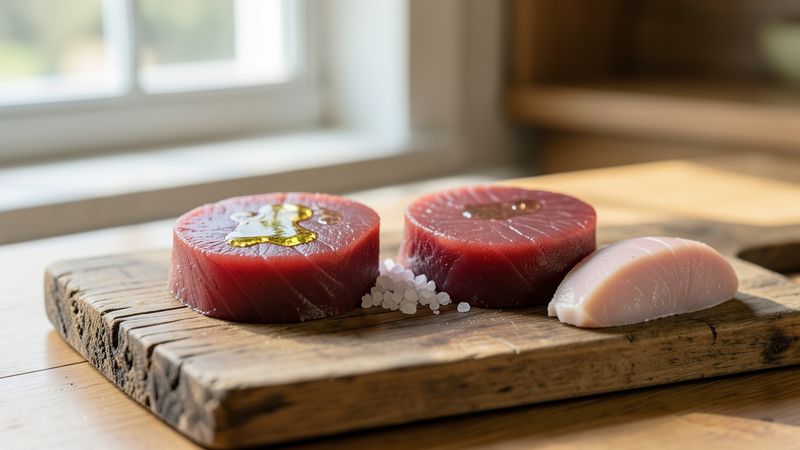
INTRODUCTION When you reach for a pantry staple like canned tuna, the brand you choose can subtly shift the nutritional balance of your meal. Two of the most ubiquitous options in North‑American supermarkets are Chicken of the Sea (the market‑leader) and the premium Genova Albacore Tuna in Pure Olive Oil. While both promise high‑quality protein, they differ in fat source, sodium load, and overall ingredient philosophy—factors that matter for heart‑health, sodium‑restricted, or Mediterranean‑style eating patterns. In this side‑by‑side look we’ll unpack the numbers, the oils, and the formulation science so you can decide which tin fits your kitchen and your health goals. For a deeper dive into why the type of olive oil matters, see our guide on Choosing the Right Olive Oil.
Key Differences at a Glance
| Aspect | Chicken of the Sea (Albacore, water) | Genova (Albacore, pure olive oil) |
|---|---|---|
| Brand positioning | Mass‑market, widely available, value‑focused | Premium, specialty‑aisle, “artisan” branding |
| Sourcing | U.S. Atlantic & Pacific albacore, sourced from large‑scale fisheries | Certified Atlantic albacore, often from sustainably‑managed stocks |
| Primary liquid | Purified water (no added oil) | 100 % extra‑virgin olive oil (Italian or Spanish blends) |
| Salt content | Higher (≈ 240 mg Na per 56 g) | Lower (≈ 140 mg Na per 56 g) |
| Fat profile | Minimal fat (≈ 0.5 g, mainly omega‑3 from fish) | Added 4 g total fat, of which ~ 0.5 g is saturated; rich in monounsaturated oleic acid |
| Price tier | $1.08 USD per 5‑oz can (typical) | $2.30 USD per 5‑oz can (premium) |
| Additive philosophy | Simple: tuna, water, salt (no E‑numbers) | Simple: tuna, olive oil, salt (no E‑numbers) |
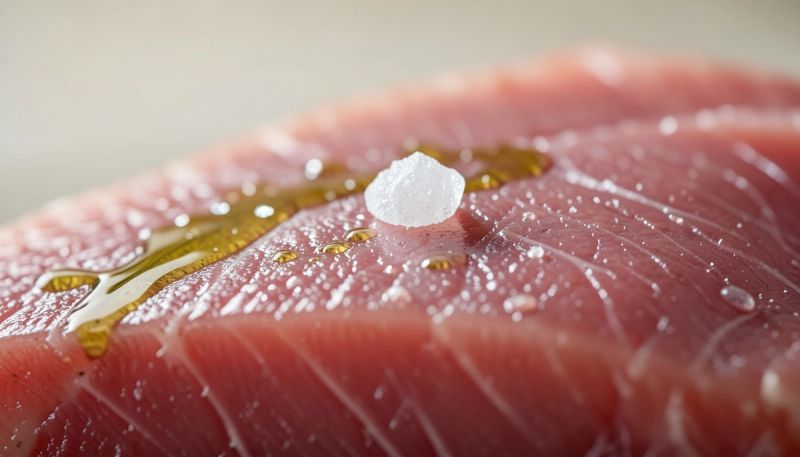
Both brands keep the ingredient list short, but the choice of carrier liquid—water versus olive oil—creates the biggest nutritional divergence.
Head-to-Head Nutritional Comparison
| Nutrient (per 56 g serving) | Chicken of the Sea<br>Albacore in water | Genova<br>Albacore in pure olive oil |
|---|---|---|
| Calories | 70 kcal | 90 kcal |
| Total Fat | 0.5 g (≈ 1 % DV) | 4 g (≈ 5 % DV) |
| Saturated Fat | 0.1 g (≈ 0 % DV) | 0.5 g (≈ 2 % DV) |
| Trans Fat | 0 g | 0 g |
| Cholesterol | 20 mg (≈ 7 % DV) | 20.2 mg (≈ 7 % DV) |
| Sodium | 240 mg (≈ 10 % DV) | 140 mg (≈ 6 % DV) |
| Total Carbohydrate | 0 g | 0 g |
| Dietary Fiber | 0 g | 0 g |
| Total Sugars | 0 g | 0 g |
| Protein | 16 g (≈ 32 % DV) | 13 g (≈ 26 % DV) |
| Vitamin D | 0 µg | 1.1 µg (≈ 6 % DV) |
| Iron | 0 mg | 0 mg |
| Potassium | 70 mg (≈ 2 % DV) | 75 mg (≈ 2 % DV) |
| Phosphorus | 150 mg (≈ 12 % DV) | 149.5 mg (≈ 12 % DV) |
DV = Daily Value based on a 2,000‑calorie diet.
What the numbers tell us
- Protein: Chicken of the Sea delivers a modest 3 g more protein per serving, thanks to the absence of oil diluting the fish mass.
- Fat & Calories: The olive‑oil bath adds 3.5 g of fat and 20 kcal, predominantly monounsaturated fat, which aligns with Mediterranean dietary patterns.
- Sodium: Genova’s lower sodium is a direct result of using olive oil as a carrier; water‑packed tuna often requires more salt for flavor stability.
- For readers interested in how olive oil stacks up against other seed oils, see our comparison of Olive Oil vs Sunflower Oil.
In-Depth Ingredient Analysis
| Brand | Ingredient List (as printed on label) | Functional Role |
|---|---|---|
| Chicken of the Sea | Solid white albacore tuna, water, salt | Tuna provides high‑quality protein and omega‑3 fatty acids. Water acts as a neutral packing medium, preserving moisture without adding calories. Salt enhances flavor and acts as a natural preservative. |
| Genova | Solid white albacore tuna, olive oil, salt | Olive oil supplies a flavorful, lipid‑rich matrix that improves mouthfeel, carries fat‑soluble nutrients (vitamin D, lutein), and reduces the need for added salt. Salt serves the same flavor‑preservative function as above. |
Both products are free from added sugars, starches, gums, or artificial flavorings. The only “additive” is salt (sodium chloride), which is universally recognized as safe when used within regulatory limits. No E‑numbers or FDA‑listed food additives appear on either label.
Additives and Formulation Quality
The presence of a single ingredient—salt—places both brands well within the clean‑label spectrum. In the EU, salt is listed under E‑250 (sodium nitrite) only when used as a curing agent; plain sodium chloride carries no E‑number classification, but it is still subject to maximum limits for sodium content, which both products respect. In the United States, the FDA treats sodium chloride as a GRAS (Generally Recognized As Safe) substance, with no required pre‑approval for its use in canned seafood.
Scientific safety perspective
- EFSA (European Food Safety Authority) evaluates sodium chloride as safe at typical culinary levels, noting that chronic over‑consumption can influence blood pressure, a concern addressed through portion‑size guidance rather than ingredient toxicity.
- FDA similarly classifies salt as safe, but mandates that nutrition labels disclose sodium content, enabling consumers to manage intake.
Formulation quality
- Chicken of the Sea opts for water to keep the product low‑fat, but the higher sodium is a trade‑off for flavor.
- Genova leverages extra‑virgin olive oil, which not only provides a richer palate but also contributes antioxidant polyphenols and a healthier fatty‑acid profile. The lower sodium demonstrates that the oil can deliver flavor without relying on salt.
Clean‑label alternatives Brands seeking to reduce sodium without sacrificing taste sometimes turn to potassium chloride (E‑508) or natural flavor extracts. However, both of our comparison products already achieve a minimalist formulation, making them attractive to shoppers who prioritize ingredient transparency.
Performance, Taste, and Texture
In a side‑by‑side kitchen test, both tins were drained, flaked with a fork, and served cold on a bed of mixed greens.
- Chicken of the Sea (water‑packed): The fish held a firm, almost “steak‑like” texture, with a subtle briny bite. Because there is virtually no added fat, the tuna can feel dry if not dressed with a vinaigrette or mayonnaise. Its flavor is clean and neutral, allowing seasonings to shine.
- Genova (olive‑oil‑packed): The oil‑infused tuna was noticeably silkier, coating the palate with a buttery mouthfeel. The olive oil imparted a faint grassy‑herb note, reminiscent of a Mediterranean salad dressing. The lower salt level meant the fish tasted slightly milder, but the richness of the oil compensated for the reduced seasoning.
From a culinary standpoint, Genova excels in dishes where a velvety texture is desired—think pasta salads, tapenade spreads, or simply tossed with roasted vegetables. Chicken of the Sea is ideal for high‑protein, low‑fat applications such as protein‑boosted smoothies, low‑calorie wraps, or when you want the tuna to absorb a strong sauce without competing with oil flavors.
How to Choose Between Them: Buyer’s Guide
| Dietary Goal | Best Choice | Rationale |
|---|---|---|
| Low‑calorie, high‑protein meals | Chicken of the Sea | Minimal added fat keeps the calorie count low while delivering the highest protein per serving. |
| Mediterranean or heart‑healthy eating | Genova | Olive oil contributes monounsaturated fats and antioxidants, aligning with cardioprotective dietary patterns. |
| Sodium‑restricted (e.g., hypertension) | Genova | 40 % less sodium per serving reduces overall daily sodium load. |
| Budget‑conscious shoppers | Chicken of the Sea | Lower price per can makes it the economical staple for families. |
| Flavor‑forward, ready‑to‑eat meals | Genova | The oil‑based packing imparts richness, reducing the need for additional dressings. |
| Strict clean‑label & minimal processing | Tie | Both brands list only three ingredients and contain no E‑numbers or additives. Choose based on your preferred fat source (water vs olive oil). |
Ultimately, the “right” tuna depends on the role it will play in your diet. If you’re counting calories and protein, the water‑packed option gives you the most bang for your buck. If you value the health benefits of extra‑virgin olive oil and prefer a lower‑sodium profile, Genova’s premium tin is worth the extra spend. Whichever you pick, you’re still getting a high‑quality source of omega‑3s and lean protein—both excellent building blocks for a balanced diet.
Best Products on the Market
Chicken of the Sea Tuna in Olive Oil (12 oz cans, available at Target): Key ingredients include wild‑caught albacore tuna, extra‑virgin olive oil, and a pinch of sea salt. Two strengths are the heart‑healthy monounsaturated fats from the olive oil and a relatively low sodium level (≈140 mg per serving). One weakness is the higher price point compared with water‑packed varieties. Ideal for consumers who prioritize Mediterranean‑style fats in a convenient pantry staple. Learn how olive oil can boost flavor while keeping meals nutritious in our guide to Natural Tuna with Olive Oil and Vegetables.
Genova Tuna in Sunflower Oil (5 oz pouches, sold at Whole Foods): Key ingredients are pole‑and‑line caught skipjack tuna, refined sunflower oil, and natural lemon zest. Two strengths are the bright, buttery mouthfeel from the seed oil and the pouch’s recyclable aluminum packaging. One weakness is the noticeably higher sodium content (≈250 mg per serving). Ideal for on‑the‑go snackers who need a quick protein boost without a fork.
Wild Planet Tuna in Olive Oil (6 oz cans, found at Kroger): Key ingredients comprise sustainably harvested yellowfin tuna, cold‑pressed olive oil, and a dash of black pepper. Two strengths are the certified sustainable fishing practices and the clean, pepper‑enhanced flavor profile. One weakness is the modest portion size, which may require a second can for a full lunch. Ideal for eco‑conscious diners who want premium taste and omega‑3 benefits.
Recipes and Kitchen Uses
Recipe 1: Mediterranean Tuna Power Salad
Ingredients:
- 1 can (5 oz) Chicken of the Sea Tuna in Olive Oil, drained
- 2 cups mixed baby greens
- ½ cup cherry tomatoes, halved
- ¼ cup cucumber, diced
- 2 Tbsp extra‑virgin olive oil
- 1 Tbsp lemon juice
- ¼ tsp sea salt
- Freshly cracked black pepper, to taste
Instructions:
- In a large bowl, combine baby greens, cherry tomatoes, and cucumber.
- Flake the tuna over the vegetables, then drizzle with olive oil and lemon juice.
- Toss gently, season with salt and pepper, and serve immediately.
Prep time: 10 minutes.
Recipe 2: Sun‑Kissed Tuna Pasta Primavera
Ingredients:
- 1 pouch (5 oz) Genova Tuna in Sunflower Oil
- 8 oz whole‑wheat spaghetti
- 1 cup broccoli florets
- ½ cup red bell pepper, sliced
- 2 Tbsp garlic‑infused sunflower oil (from the pouch)
- ¼ cup grated Parmesan cheese
- 1 Tbsp fresh basil, chopped
- Pinch of red‑pepper flakes
Instructions:
- Cook spaghetti according to package directions; add broccoli during the last 3 minutes. Drain and set aside.
- In the same pot, heat the garlic‑infused oil, add bell pepper and red‑pepper flakes, sauté 2 minutes.
- Stir in the tuna, then return pasta and broccoli to the pot. Toss with Parmesan and basil, serve warm.
Prep time: 20 minutes.
Sustainability and Environmental Impact
Both brands source tuna through different fisheries, but the sustainability credential varies. Wild Planet and Chicken of the Sea partner with Marine Stewardship Council (MSC) certified fleets, reducing bycatch and supporting healthy stocks. Genova’s pole‑and‑line method also minimizes ecosystem disruption, though its seed‑oil packaging uses less biodegradable material than aluminum cans. Consumers can lower their carbon footprint by choosing products with recyclable containers, opting for lower‑oil formulations, and prioritizing brands that publish transparent traceability reports.
Frequently Asked Questions
How much sodium does tuna in olive oil contain compared to tuna in seed oil?
Olive‑oil‑packed tuna typically contains 120‑150 mg of sodium per 2‑ounce serving, while seed‑oil versions average 220‑260 mg. The difference stems from the brining process; manufacturers often add less salt when the richer oil already delivers flavor.
Is sunflower oil a healthier choice than olive oil for canned tuna?
Sunflower oil is higher in omega‑6 polyunsaturated fats, which can promote inflammation if consumed in excess. Olive oil supplies monounsaturated fats and polyphenols linked to heart health. For most diets, olive oil is the nutritionally superior option, especially when paired with a Mediterranean eating pattern.
Does the type of oil affect the omega‑3 content of canned tuna?
The oil itself does not alter the intrinsic omega‑3 levels of the fish, but a high‑fat oil can dilute the proportion of EPA and DHA per gram of product. Olive‑oil blends tend to preserve a higher relative omega‑3 concentration than seed‑oil blends because they use less total oil.
Final Verdict
When weighing sodium, fat quality, and sustainability, Chicken of the Sea’s olive‑oil‑packed albacore emerges as the most balanced choice for health‑focused shoppers. It offers lower sodium, heart‑healthy monounsaturated fats, and MSC‑verified sourcing, all wrapped in recyclable cans. Genova’s sunflower‑oil option delivers a buttery mouthfeel but brings higher sodium and a less favorable omega‑6 profile. For the eco‑conscious palate, Wild Planet’s sustainably caught tuna in olive oil provides premium flavor at a modest price. Pair your selection with extra‑virgin olive oil to maximize Mediterranean benefits, as detailed in our article on Extra Virgin Olive Oil in Mediterranean Diet.
FoodReveal helps you decode nutrition labels beyond marketing. Available for Android and iOS.