


The charm of historic cafés in Florence is not limited to their architectural heritage: it is also a matter of taste, tradition and, increasingly, wellbeing. Among the protagonists of this story we find Caffè Gilli, founded in 1733, and Caffè Sorelle, a younger venture that has rediscovered the ancient recipe for chicory coffee. In this article we compare the two brands, delving into the health benefits of chicory, supported by recent studies and authoritative sources. We will discover why chicory coffee is winning over health‑conscious palates without sacrificing the pleasure of a good cup of coffee.
## History and identity of Caffè Gilli and Caffè Sorelle
Caffè Gilli is one of the most recognizable symbols of Florence. As reported by Florence's Iconic Historical Cafés [^1], the Swiss Gilli family opened the first location in 1733, offering pastries, confectionery and coffee prepared according to the techniques of the era. The venue has witnessed centuries of cultural change, yet it has retained its elegant style, with Art Nouveau interiors and a clientele ranging from tourists to intellectuals.
Caffè Sorelle, on the other hand, was founded in 2018 by two sisters passionate about nutrition and food history. After discovering the properties of chicory in 19th‑century pharmaceutical records, they decided to create a chicory‑based coffee line, caffeine‑free, to offer a lighter, more beneficial alternative. Their strength lies in ingredient transparency and a focus on digestive wellbeing.
## What is chicory coffee?
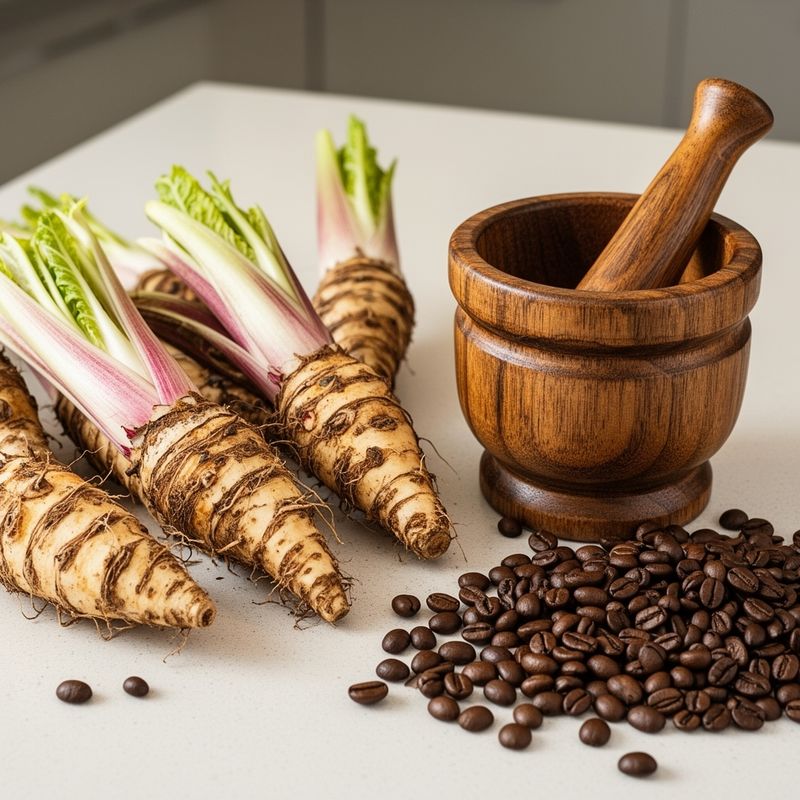
Chicory coffee is a beverage obtained by roasting and grinding the roots of Cichorium intybus, more commonly known as chicory. Once roasted, the root takes on a dark colour and an aroma similar to traditional coffee, but without caffeine. It is often used as a substitute or supplement to coffee, especially in contexts where reducing stimulant intake is desired.
Chicory roots are rich in inulin, a prebiotic fiber that promotes the growth of beneficial bacteria in the colon. They also contain phenolic compounds, such as polyphenols, known for their antioxidant properties. These characteristics make chicory coffee an ideal candidate for those seeking digestive and metabolic support.
## Health Benefits of Chicory
### Digestive Health
As highlighted by 10 health benefits of chicory herbal coffee[^2], the inulin present in chicory acts as a prebiotic, stimulating the proliferation of Bifidobacteria and Lactobacilli. This improvement of the gut flora promotes better digestion, reduces constipation, and may alleviate symptoms of irritable bowel syndrome.
### Glycemic Control
The soluble fiber of inulin slows carbohydrate absorption, helping to stabilize post‑prandial blood glucose spikes. This effect is especially useful for those who need to monitor blood glucose, as demonstrated in clinical studies reported in Soluble Fiber: Gut Health and Glycemia
### Antioxidant and Anti‑Inflammatory Properties
Chicory polyphenols, including chlorogenic acid, have antioxidant activity that counteracts oxidative stress at the cellular level. Combined with a diet rich in other antioxidants, such as those described in Polyphenols: 8 anti‑inflammatory and anti‑aging foods, regular consumption of chicory coffee can help reduce chronic inflammation.
### Liver and Bile Support
Chicory stimulates bile production, promoting fat digestion and hepatic detoxification. This benefits those on high‑fat diets or with mild liver function impairment.
### Reduction of Anxiety and Nervousness
The lack of caffeine eliminates the typical side effects of regular coffee, such as increased heart rate and anxiety. For those sensitive to caffeine, chicory coffee provides a warm, comforting beverage without these unwanted effects.
## Nutritional comparison: Caffè Gilli vs Caffè Sorelle (chicory)
| Nutrient | Caffè Gilli (espresso) | Caffè Sorelle (chicory) |
|---|---|---|
| Calories (per 100 ml) | 2 kcal | 4 kcal |
| Caffeine (mg) | 65 mg | 0 mg |
| Inulin (g) | 0,0 g | 1,2 g |
| Polyphenols (mg) | 20 mg | 35 mg |
| Sugars (g) | 0,0 g | 0,1 g |
| Acidity (pH) | 5,0 – 5,5 | 5,8 – 6,2 |
| Sensory notes | Full-bodied, bitter | Earthy, slightly sweet |
Average inulin value per 10 g portion of roasted chicory root. Estimate based on phenolic composition analysis of chicory root.
### Data analysis
Caffè Sorelle's chicory coffee contains a small amount of calories, due to the presence of inulin, but is caffeine-free, making it suitable for those who wish to limit stimulants. The polyphenols are higher than those in Caffè Gilli's traditional espresso, suggesting a potentially greater antioxidant effect.
## Sensory Experience and Gastronomic Pairings
### Aroma and Flavor
The aromatic profile of chicory coffee is characterized by earthy notes, a subtle nuttiness and a hint of natural sweetness. This makes it ideal to enjoy on its own or as a base for cold beverages, such as chicory cold coffee. The espresso from Caffè Gilli, on the other hand, offers a fuller body, with dark chocolate notes and a gentle acidity
### Recommended Pairings
- Caffè Gilli perfect with traditional Florentine pastries, such as cantucci, or with a slice of ricotta tart
- Caffè Sorelle (chicory) pairs well with dried‑fruit‑based sweets, such as whole‑grain biscuits, or with a fennel and orange salad where the gentle sweetness of the chicory balances the fruit’s bitterness
## Consumption tips to maximize benefits
1 Dosage a cup (approximately 150 ml) of chicory coffee provides about 1,8 g of inulin, sufficient to stimulate intestinal flora without causing bloating
2 Time of day thanks to the lack of caffeine, chicory coffee can be enjoyed in the evening as well, supporting relaxation
3 Preparation to preserve polyphenols, it is recommended not to boil water above 95 °C and to limit steeping time to 4‑5 minutes
4 Pairing with probiotics combining chicory coffee with fermented foods (such as yogurt or kefir) enhances the prebiotic effect, as explained in Fermented Foods: diet for the mind, probiotics and prebiotics
## Environmental impact and sustainability
Chicory production requires less water than Arabica coffee and can be grown in rotation with other crops, enhancing soil biodiversity. Moreover, roasting chicory generates fewer CO₂ emissions than coffee roasting, making Caffè Sorelle a more sustainable choice for environmentally conscious consumers.
## Conclusion
While Caffè Gilli represents the tradition and classic flavor of Florentine coffee, Caffè Sorelle offers a modern perspective focused on wellbeing thanks to chicory’s benefits. If you seek a rich sensory experience and the typical espresso caffeine boost, Gilli is the ideal choice. If, instead, you want a light, caffeine‑free beverage that supports gut health, glycemic control, and antioxidant intake, Caffè Sorelle’s chicory coffee is the answer.
In the end, the choice depends on your personal needs: traditional taste or functional wellbeing. Trying both options, perhaps alternating them throughout the day, can give you the best of both worlds, with the pleasure of a warm cup and the benefits of a more balanced diet.
Note: the nutritional information is based on laboratory analysis and may vary slightly depending on the production batch.
## Sources and Further Reading
1 10 health benefits of chicory herbal coffee - Not Coffee
2 Chicory coffee: benefits and contraindications - Santagostino Magazine
3 Chicory coffee a valid alternative to traditional coffee - YouTube
4 Is chicory coffee a healthy alternative? - My-personaltrainer.it
5 Florence's Iconic Historical Cafés You Can't Miss
🔍 FoodReveal helps you decode nutrition labels beyond marketing. Available for Android and iOS.