

Introduction
INTRODUCTION In today's food landscape, where consumers are increasingly seeking ways to improve their health and wellbeing, probiotics have emerged as a promising solution. With their potential to support gut health, boost the immune system, and even influence mental health, it's no wonder that probiotics have become a staple in many health-conscious diets. As we delve into the world of probiotics, it's essential to understand their benefits and where to find them, which is closely related to the concept of a fermented diet for mental health: probiotics & prebiotics. In this article, we will explore the definition and origins of probiotics, their nutritional comparison, ingredient analysis, health effects, and provide a practical guide on how to read the label.
What They Are: Definition and Origins
Probiotics are live microorganisms that provide health benefits when consumed, generally by improving or restoring the gut flora. The concept of probiotics dates back to the early 20th century, when Russian scientist Élie Metchnikoff first proposed the idea that consuming beneficial microorganisms could have a positive impact on human health. Today, probiotics are available in various forms, including capsules, powders, and fermented foods such as yogurt, kefir, and sauerkraut. The main variants of probiotics include Lactobacillus, Bifidobacterium, and Streptococcus, each with its unique benefits and characteristics.

How They're Made
The production process of probiotics involves the fermentation of a food substance by the desired microorganism, which can be done industrially or artisanally. Industrial production involves large-scale fermentation tanks and strict quality control measures, whereas artisanal production is often done on a smaller scale, using traditional methods and techniques. The differences in production methods can affect the final product's potency, purity, and overall quality.
Detailed Nutritional Comparison
| Nutrient | Yogurt with Live Cultures | Kefir | Sauerkraut |
|---|---|---|---|
| Calories | 100-150 per 6oz | 100-150 per cup | 25-50 per cup |
| Protein | 10-15g per 6oz | 10-15g per cup | 1-2g per cup |
| Fat | 0-5g per 6oz | 0-5g per cup | 0-1g per cup |
| Carbohydrates | 10-20g per 6oz | 10-20g per cup | 5-10g per cup |
| Fiber | 0-5g per 6oz | 0-5g per cup | 2-5g per cup |
| Sugar | 10-20g per 6oz | 10-20g per cup | 1-5g per cup |
| Sodium | 50-100mg per 6oz | 50-100mg per cup | 100-200mg per cup |
The nutritional comparison of probiotic-rich foods reveals that yogurt and kefir are generally higher in calories, protein, and carbohydrates compared to sauerkraut. However, sauerkraut is higher in fiber and lower in sugar. It's essential to consider these nutritional differences when choosing a probiotic-rich food, especially for those with specific dietary needs or restrictions. As discussed in probiotics and prebiotics: interaction with gut microbiome, the combination of probiotics and prebiotics can have a synergistic effect on gut health.
In-Depth Ingredient Analysis
Typical ingredients in probiotic-rich foods include milk, water, and fermented microorganisms such as Lactobacillus acidophilus and Bifidobacterium bifidum. Strictly respecting EFSA, FDA, and food safety regulations, it's essential to note that some probiotic products may contain additives such as sugar, salt, and flavorings. However, many cleaner-label alternatives are available, which prioritize minimal ingredients and avoid artificial additives.
Additives and Controversial Substances
Common additives in probiotic products include E-numbers such as E330 (citric acid) and E339 (sodium citrate), which are generally recognized as safe by EFSA and FDA. However, some consumers may be concerned about the potential risks associated with certain additives. It's crucial to read the label carefully and opt for products with minimal ingredients and no artificial additives.
Health Effects and Benefits
The documented benefits of probiotics include improved gut health, enhanced immune system function, and potential mental health benefits. However, it's essential to note that probiotics may not be suitable for everyone, particularly those with compromised immune systems or certain medical conditions. As discussed in green tea matcha: benefits and preparation, the combination of probiotics and other nutrient-dense foods can have a positive impact on overall health.
How to Read the Label: A Practical Guide
When reading the label of a probiotic product, it's essential to look for the following: the type and amount of microorganisms, the presence of additives and preservatives, and the storage and handling instructions. Red flags include products with excessive sugar, artificial flavorings, or unclear labeling. Industry tricks to disguise poor ingredients include using vague terms such as "natural flavors" or "proprietary blends." By being aware of these tactics and carefully reading the label, consumers can make informed choices and opt for high-quality probiotic products. For more information on how to read food labels effectively, refer to 5 common mistakes when reading food labels (and how to avoid them).
Best Products on the Market
Actimel Probiotic Yogurt Drink: Key ingredients include live cultures of Lactobacillus casei, vitamin D, and calcium. Two strengths are its high probiotic content and delicious flavors. One weakness is its relatively high sugar content. This product is ideal for health-conscious individuals looking for a tasty and convenient way to support their gut health.
Garden of Life RAW Probiotics: Key ingredients include 85 billion CFU of probiotics, including Lactobacillus acidophilus and Bifidobacterium lactis. Two strengths are its high potency and RAW, whole-food-based formula. One weakness is its relatively high price point. This product is ideal for individuals seeking a powerful probiotic supplement to support their overall health and wellness, and can be used in conjunction with Tempeh vs Tofu: Health Benefits for a balanced diet.
DanActive Probiotic Drink: Key ingredients include live cultures of Lactobacillus casei and vitamin D. Two strengths are its proven ability to support immune system function and its convenient packaging. One weakness is its limited availability in certain regions. This product is ideal for individuals looking for a reliable and easy-to-consume probiotic drink to support their health.
Recipes and Kitchen Uses
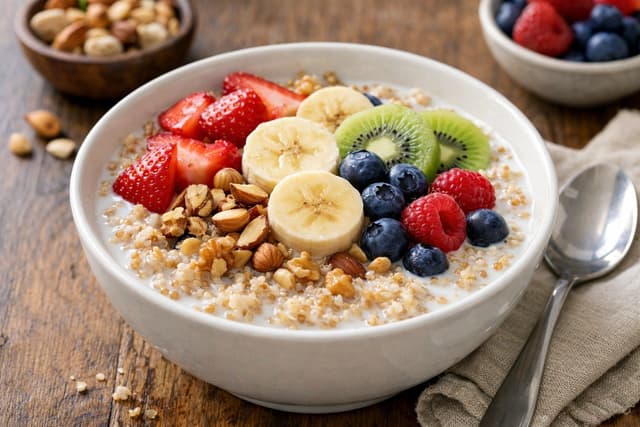
Recipe 1: Probiotic Smoothie Bowl
Ingredients:
- 1 cup frozen berries
- 1/2 cup plain yogurt with live cultures
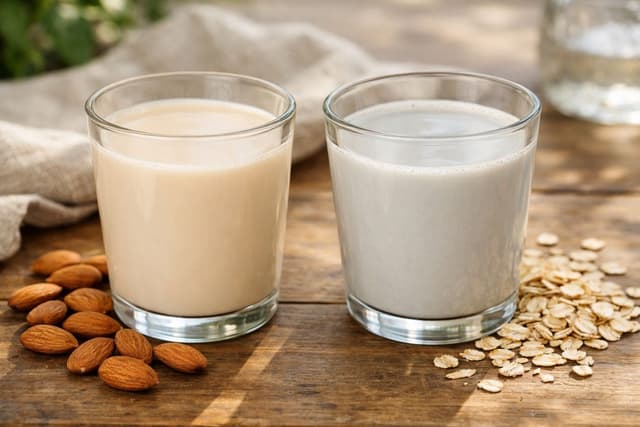
- 1/2 cup milk or milk alternative
- 1 tablespoon honey
- 1/2 teaspoon vanilla extract
- Top with granola, nuts, and fresh fruit
Instructions:
- Combine frozen berries, yogurt, milk, honey, and vanilla extract in a blender.
- Blend until smooth and creamy.
- Pour into a bowl and top with granola, nuts, and fresh fruit.
- Serve immediately and enjoy.
- Experiment with different combinations of fruits and toppings to find your favorite.
Prep time: 10 minutes.
Recipe 2: Probiotic Trail Mix
Ingredients:
- 1/2 cup mixed nuts
- 1/2 cup dried fruit
- 1/4 cup dark chocolate chips
- 1/4 cup probiotic-rich granola
Instructions:
- Combine mixed nuts, dried fruit, and dark chocolate chips in a bowl.
- Add probiotic-rich granola and stir until well combined.
- Serve as a healthy snack or add to oatmeal or yogurt for extra crunch and nutrition.
- Store in an airtight container for up to 5 days.
Prep time: 5 minutes.
Sustainability and Environmental Impact
The production of probiotic-rich foods and supplements can have a significant impact on the environment, from farming and packaging to transportation and storage. Consumers can choose responsibly by selecting products with minimal packaging, buying in bulk, and supporting sustainable agriculture practices.
Frequently Asked Questions
What are probiotics?
Answer: Probiotics are live microorganisms that provide health benefits when consumed, supporting gut health and immune system function.
How do I choose a good probiotic supplement?
Answer: Look for a supplement with a high CFU count, multiple strains of bacteria, and a clear label indicating the presence of live cultures.
Can I get enough probiotics from food alone?
Answer: While it's possible to get some probiotics from fermented foods like yogurt and sauerkraut, supplements can provide a more concentrated dose and support overall health.
Final Verdict
In conclusion, probiotics offer a range of health benefits, from supporting gut health to boosting the immune system. When selecting a probiotic product, consider the type and number of strains, as well as the product's potency and convenience. For those looking to incorporate more plant-based options into their diet, consider exploring Polyphenol‑rich foods: anti‑inflammatory & anti‑aging benefits to complement their probiotic routine. With the right product and a balanced diet, individuals can support their overall health and wellness.
🔍 FoodReveal helps you decode nutrition labels beyond marketing. Available for Android and iOS.