

Introduction
In the world of pasta, two names stand out among the rest: Barilla and De Cecco. These Italian powerhouses have been vying for consumer attention for decades, each with its own unique approach to crafting the perfect noodle. As we delve into the differences between these two beloved brands, it's essential to consider the broader context of healthy eating, as discussed in our previous article Diet Comparison: Keto, Vegan, Mediterranean & More – Which is Best for You? (2025). In this article, we'll explore the distinct production methods, nutritional profiles, and ingredient lists that set Barilla and De Cecco apart, helping you make an informed decision for your next pasta purchase.
What They Are: Definition and Origins
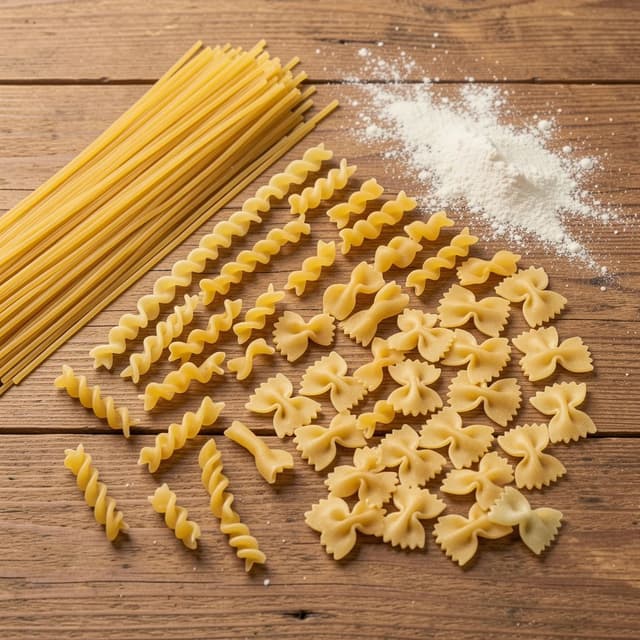
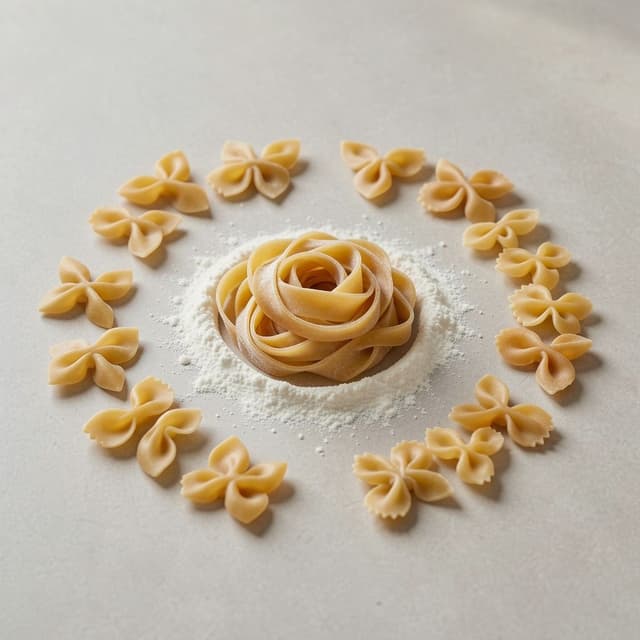
Barilla and De Cecco are two of the most recognizable pasta brands globally, with roots tracing back to the late 19th century in Italy. Barilla, founded in 1877 in Parma, and De Cecco, established in 1886 in Abruzzo, have both built reputations on their commitment to quality and tradition. The main variants available today from these brands include a wide range of shapes and sizes, from spaghetti and linguine to rigatoni and farfalle, catering to diverse culinary preferences and dietary needs.
How They're Made
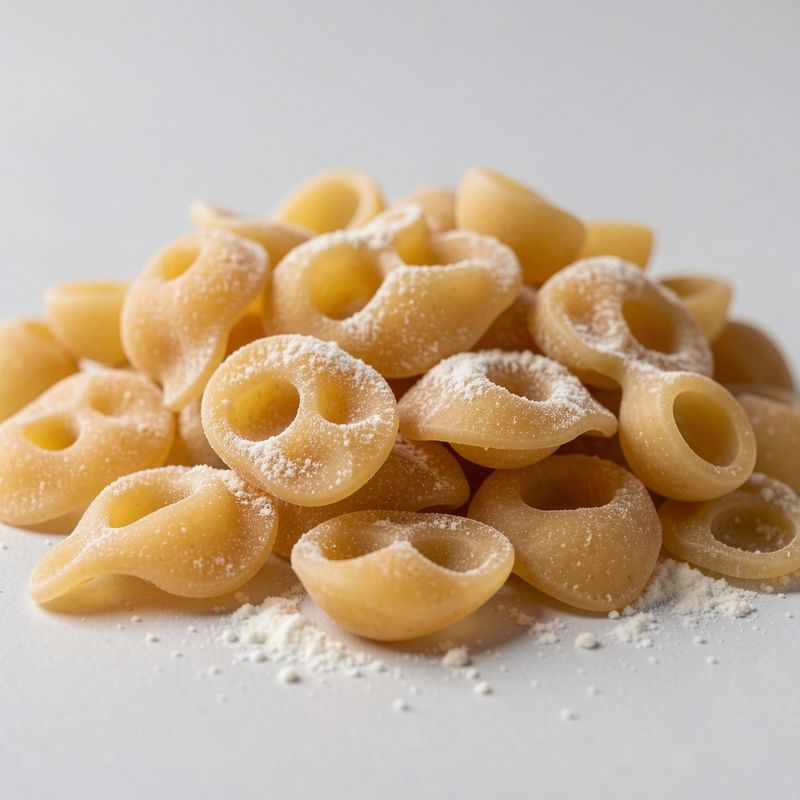
The production process for both brands involves mixing durum wheat semolina with water to create the dough, which is then extruded through dies to achieve the desired shape. However, a significant difference lies in the type of die used and the drying process. De Cecco utilizes bronze dies, which impart a rougher texture to the pasta, allowing for better sauce adherence. In contrast, Barilla primarily uses Teflon dies, resulting in a smoother surface. The drying time also varies, with De Cecco employing a slower, low-temperature drying method to preserve the wheat's structural integrity, whereas Barilla uses a faster, high-temperature drying process.
Detailed Nutritional Comparison
| Nutrient | Barilla Spaghetti | De Cecco Spaghetti | Whole Wheat Pasta |
|---|---|---|---|
| Calories (per 100g) | 350-370 | 350-370 | 320-350 |
| Fat | 1.5-2g | 1.5-2g | 2-3g |
| Carbohydrates | 70-75g | 70-75g | 60-65g |
| Fiber | 2-3g | 2-3g | 6-8g |
| Protein | 10-12g | 10-12g | 12-15g |
The nutritional profiles of Barilla and De Cecco spaghetti are quite similar, with minor variations in calorie, fat, and carbohydrate content. However, whole wheat pasta options from both brands offer a nutritional boost, particularly in terms of fiber and protein content. It's worth noting that the choice between white and whole wheat pasta can significantly impact one's diet, as discussed in our article Barilla whole wheat vs regular: which pasta calms more?. The slightly higher fiber and protein in whole wheat pasta can contribute to feelings of fullness and satisfaction, potentially aiding in weight management and blood sugar control.
In-Depth Ingredient Analysis
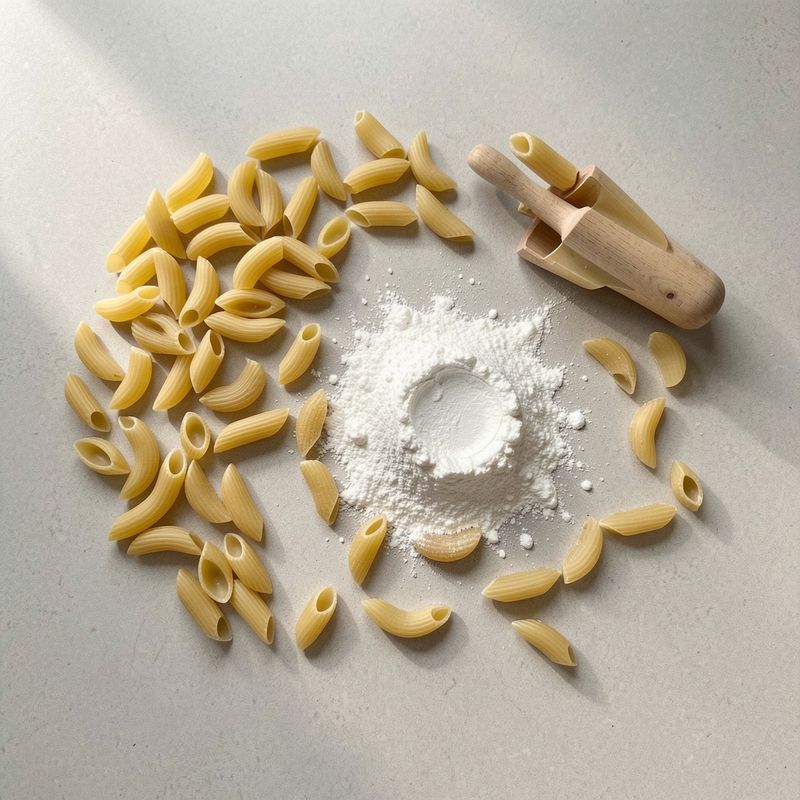
Typically, Barilla and De Cecco pasta products contain durum wheat semolina as the primary ingredient. Some products may include eggs, especially in the case of certain specialty or filled pasta varieties. It's crucial to respect EFSA and FDA regulations regarding additives and controversial substances. Both brands adhere to strict safety standards, ensuring that their products are free from harmful additives. For those seeking cleaner-label alternatives, opting for whole wheat or organic options can reduce exposure to potential contaminants and increase the intake of beneficial nutrients.
Additives and Controversial Substances
Common additives in pasta products are generally recognized as safe by regulatory bodies. However, consumers are increasingly seeking products with fewer and more natural ingredients. E-numbers, which are used to identify food additives, are thoroughly assessed by EFSA and FDA for safety. When choosing pasta, looking for products with simple, recognizable ingredients can help minimize exposure to controversial substances. For a deeper dive into the world of additives and their implications on health, consider consulting resources like our BelVita vs Nature Valley: healthy crackers comparison, which explores the nuances of healthier snacking options.
Health Effects and Benefits
Pasta, in moderation, can be part of a healthy diet, offering complex carbohydrates, some protein, and fiber, especially when whole wheat options are chosen. The benefits include providing sustained energy, supporting healthy gut bacteria, and aiding in satiety. However, overconsumption can lead to an imbalanced intake of carbohydrates, potentially contributing to weight gain and increased risk of diabetes and heart disease. Certain individuals, such as those with gluten intolerance or celiac disease, should avoid traditional pasta or opt for gluten-free alternatives. For guidance on navigating dietary restrictions and preferences, our article Nature's Path vs Cascadian Farm: Cereal Comparison and Added Sugar offers valuable insights into making informed choices.
How to Read the Label: A Practical Guide
When reading the labels of Barilla and De Cecco products, look for the primary ingredient, which should be durum wheat semolina for traditional pasta. Check the ingredient list for any added ingredients, such as eggs or flavorings. Be aware of the serving size and nutritional content per serving to make informed decisions about your diet. Red flags might include high amounts of added sugars, sodium, or unfamiliar additives. Industry tricks to disguise poor ingredients include using vague terms or splitting ingredients to make them appear less prominent on the list. By being mindful of these tactics and choosing products with simple, recognizable ingredients, consumers can make healthier choices. Additionally, understanding the differences in production methods, such as those highlighted in our California Olive Ranch vs Pompeian: Olive Oil Comparison, can further empower consumers to select high-quality products that align with their dietary values and preferences.
Best Products on the Market
Barilla Whole Wheat Spaghetti: Key ingredients include whole wheat durum semolina. Two strengths are high fiber content and rich nutty flavor. One weakness is slightly higher cost. This product is ideal for health-conscious consumers seeking a nutritious pasta option. For more information on the benefits of whole wheat pasta, visit Barilla whole wheat vs regular: gut microbiota.
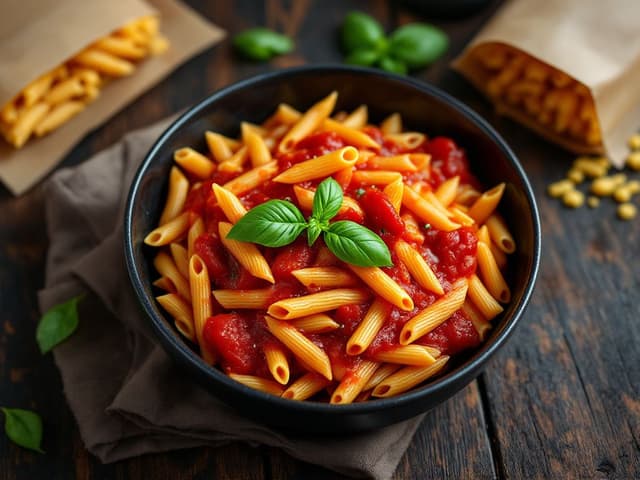
De Cecco Penne Rigate: Key ingredients include durum wheat semolina. Two strengths are robust texture and versatile shape. One weakness is lower fiber content compared to whole wheat options. This product is ideal for consumers looking for a classic pasta shape that pairs well with a variety of sauces.
Rummo Whole Wheat Fusilli: Key ingredients include whole wheat durum semolina. Two strengths are high protein content and satisfying chew. One weakness is limited availability in some regions. This product is ideal for consumers seeking a whole wheat pasta option with a unique shape and nutty flavor.
Recipes and Kitchen Uses
Recipe 1: Mediterranean Pasta Salad
Ingredients:
- 8 oz Barilla whole wheat spaghetti
- 1 cup cherry tomatoes, halved
- 1 cup cucumber, sliced
- 1/2 cup Kalamata olives, pitted
Instructions:
- Cook the spaghetti according to package instructions.
- In a large bowl, combine cooked spaghetti, cherry tomatoes, cucumber, and olives.
- Drizzle with olive oil and lemon juice, and season with salt and pepper.
- Serve chilled or at room temperature.
- Garnish with fresh parsley or basil.
Prep time: 20 minutes.
Recipe 2: Creamy Tomato Pasta Bake
Ingredients:
- 8 oz De Cecco penne rigate
- 2 cups cherry tomatoes, halved
- 1 cup grated mozzarella cheese
Instructions:
- Preheat the oven to 375°F (190°C).
- Cook the penne rigate according to package instructions.
- In a large bowl, combine cooked penne, cherry tomatoes, and mozzarella cheese.
- Transfer the mixture to a baking dish and top with additional mozzarella cheese.
- Bake for 15-20 minutes, or until the cheese is melted and bubbly.
Prep time: 25 minutes.
Sustainability and Environmental Impact
The production of pasta can have a significant environmental impact, particularly in terms of water usage and greenhouse gas emissions. Consumers can choose responsibly by selecting pasta products made from sustainable ingredients, such as whole wheat or ancient grains, and supporting companies that prioritize environmentally friendly practices.
Frequently Asked Questions
What is the difference between Barilla and De Cecco?
Answer: Barilla and De Cecco are two popular pasta brands with distinct differences in terms of ingredients, texture, and flavor.
Can I use whole wheat pasta in place of regular pasta?
Answer: Yes, whole wheat pasta can be used as a substitute for regular pasta in most recipes, offering a nuttier flavor and higher fiber content.
How do I cook pasta al dente?
Answer: To cook pasta al dente, boil it in salted water until it still has a bit of bite or chew, then drain and serve with your favorite sauce.
Final Verdict
In conclusion, both Barilla and De Cecco offer high-quality pasta products with unique strengths and weaknesses. For consumers seeking a nutritious and flavorful pasta option, whole wheat pasta is an excellent choice. To learn more about the fiber, protein, and glycemic index of whole wheat, semi-whole wheat, and white pasta, visit Barilla: fiber, protein & GI of whole, semi & white pasta. Ultimately, the best pasta brand for you will depend on your individual preferences and dietary needs.
🔍 FoodReveal helps you decode nutrition labels beyond marketing. Available for Android and iOS.