
Nostromo vs Callipo: Olive Oil Base and Nutritional Values Compared
Canned fish has long been a staple in kitchens worldwide, prized for its convenience, versatility, and rich nutritional profile. From quick lunches to gourmet appetizers, these humble tins pack a powerful punch of protein, healthy fats, and essential micronutrients. But with a dizzying array of brands and product variations on the market, how do you choose the best option for your health and culinary preferences?
Today, we dive into a comparative analysis of two prominent names in the canned fish arena: Nostromo and Callipo. Both brands have carved out a reputation for quality, but subtle differences in their approach to ingredients, processing, and nutritional emphasis can significantly impact your choice. We'll explore their distinctive oil bases, overall nutritional contributions, and what these mean for the discerning consumer. Understanding the nuances, particularly concerning the type of oil used, can guide you towards making a more informed decision for your pantry. For a broader perspective on healthy fat choices, consider our deep dive into Olive Oil vs Sunflower Oil.
Key Differences at a Glance
Nostromo, an Italian brand with a strong presence, often positions itself on accessibility, value, and specific health-conscious attributes. Based on available product descriptions, Nostromo highlights products like "sardine in olive oil, high in omega 3, without preservatives" and "light tuna with olive oil -60% fat, Quality Yellow fins, preservative-free." This suggests a focus on providing good nutritional benefits with an emphasis on "cleaner" labels (e.g., "without preservatives") and options for reduced fat intake. Its use of "Quality Yellow fins" for tuna also signals attention to the fish species.
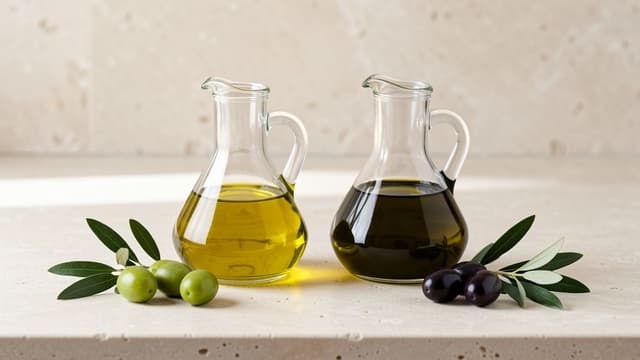
Callipo, another esteemed Italian brand, is frequently perceived as a more premium option, often emphasizing tradition, artisanal quality, and specific sourcing origins, particularly for its tuna products. The brand is known for selecting prime cuts of fish packed in high-quality olive oil, catering to consumers who prioritize gourmet quality and a more traditional flavor profile, potentially at a slightly higher price point. Both brands largely rely on olive oil as their primary oil base, a choice celebrated for its flavor and health benefits — which makes the oil itself, and what surrounds it on the label, the heart of this comparison.
Head-to-Head Nutritional Comparison
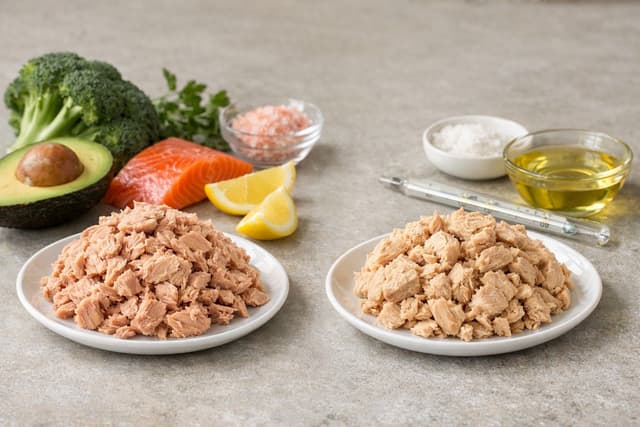
For this head-to-head we compare two concrete, widely sold references: Nostromo Zero tuna in water (drained) and Callipo tuna fillets in olive oil. Label data for Nostromo Zero per 100 g drained: roughly 100-115 kcal, 23-25 g of protein, less than 1 g of fat, virtually no carbohydrates or sugars, and about 1.0-1.2 g of salt. For Callipo in olive oil, exact label values vary by reference; category averages for tuna in olive oil per 100 g drained sit around 190-250 kcal and 20-25 g of protein, with most of the extra energy coming from the oil itself. As always, precise numbers depend on the specific tin — check the label — but the pattern is stable: water-packed tuna wins on calories, oil-packed tuna wins on flavor and healthy fats.
When evaluating canned fish, several nutritional aspects are crucial:
Calories: the gap is large and comes almost entirely from the oil. Nostromo Zero in water stays around 100-115 kcal per 100 g drained, while tuna in olive oil in the Callipo style sits around 190-250 kcal — roughly double, with the difference made of olive oil.
Protein: A significant benefit of all canned fish, crucial for muscle repair and satiety.
Fats: Nostromo Zero contains less than 1 g of fat per 100 g, with saturated fat virtually absent — the defining trait of a "zero fat" product. In Callipo-style tuna in olive oil, fat comes mostly from the packing oil: predominantly monounsaturated fats from olive oil plus the Omega-3s naturally present in the fish. Nostromo highlights "high in omega 3" on its sardines, a claim rooted in the fish itself rather than the oil.
Sodium: both products contain added salt — around 1.0-1.2 g of salt per 100 g for Nostromo Zero, with similar levels typical for tuna in oil. Anyone watching sodium intake should compare labels, as salt is the one number that varies most between references.
Sugars: Typically very low or absent in plain canned fish products.
The table below puts the two references side by side, using label data for Nostromo Zero and category averages for tuna in olive oil. Exact values depend on the specific tin — always check the packaging. For more on the nutritional benefits of similar products, read our article on Natural Tuna with Olive Oil and Vegetables.
| Nutrient (per 100 g drained) | Nostromo Zero (in water) | Callipo (in olive oil, category average) |
|---|---|---|
| Calories | ~100-115 kcal | ~190-250 kcal |
| Protein | ~23-25 g | ~20-25 g |
| Total fat | <1 g | ~15-20 g, mostly olive oil |
| Saturated fat | negligible | low (~2-3 g) |
| Omega-3 | present (from the fish) | present (fish + olive oil) |
| Carbohydrates | ~0 g | ~0 g |
| Sugars | 0 g | 0 g |
| Salt | ~1.0-1.2 g | ~0.8-1.2 g (check label) |
In-Depth Ingredient Analysis
The ingredient lists for both Nostromo and Callipo canned fish products typically lean towards simplicity, especially when packed in olive oil. For Nostromo, the provided descriptions emphasize core ingredients: "Sardine in olive oil" or "Light tuna with olive oil," complemented by claims like "without preservatives." This suggests a "clean label" approach, focusing on the quality of the primary ingredients. The specific mention of "Quality Yellow fins" for their tuna indicates attention to the source and type of fish.
For most quality canned fish brands, including Callipo, the ingredient deck usually consists of the fish itself (e.g., tuna, sardines), the oil (most commonly olive oil, often extra virgin), and salt. The presence of just these few ingredients is a hallmark of good quality and minimal processing. Neither Nostromo's descriptions nor typical market standards for premium canned fish suggest the use of added gums, starches, or other complex thickeners. The oil base, whether olive oil or a "light" version, is a critical component, contributing not only to flavor and texture but also to the overall nutritional profile, particularly healthy fats.
Additives and Formulation Quality
Nostromo explicitly states "without preservatives" on its product descriptions, which is a strong indicator of its formulation quality and a clean-label preference. In the world of canned fish, the traditional canning process itself (heat sterilization in sealed containers) acts as a natural preservative, negating the need for chemical additives. Therefore, reputable brands like Nostromo and generally Callipo, often achieve shelf stability through this method, relying on just fish, oil, and salt.
If other additives were present in a product, such as acidity regulators (e.g., citric acid) or natural flavorings, they would be subject to rigorous safety assessments. In the European Union and the United States, all E-number additives (EU) and approved food additives (US) are thoroughly evaluated for safety by authorities like the European Food Safety Authority (EFSA) and the U.S. Food and Drug Administration (FDA) before they can be authorized for use. These assessments ensure that additives, when used according to regulations, are safe for consumption. However, for consumers prioritizing a "clean label," the absence of such additives—as highlighted by Nostromo—is often preferred, signifying a product closer to its natural state. The quality of the oil (e.g., extra virgin olive oil) is also a key factor in formulation quality, contributing superior flavor and nutritional benefits compared to less refined oils.
Performance, Taste, and Texture
The sensory experience of canned fish – its taste, texture, and overall mouthfeel – is heavily influenced by several factors, including the quality and species of the fish, the canning process, and most significantly, the type and quality of the oil it's packed in. Olive oil, a staple for both Nostromo and Callipo, plays a crucial role, imparting a rich, smooth mouthfeel and a distinctive Mediterranean flavor that complements the fish.
Nostromo Quality Yellowfin Tuna
Nostromo's "Quality Yellowfin" tuna generally offers a firm yet tender texture, indicative of a good tuna species. The "light" option has a slightly leaner profile, but the olive oil still ensures moisture. Nostromo sardines, being smaller and often packed whole, typically offer a softer, more delicate texture that easily flakes.
Callipo, known for its premium positioning, often delivers on a superior textural experience, with tuna that can be particularly firm and meaty, holding up well in salads or more elaborate dishes. The higher quality olive oil often used in premium brands enhances the inherent flavors of the fish without overpowering them, creating a balanced and satisfying taste. The canning process also impacts "cooking firmness" – a well-preserved fish will maintain its structural integrity, making it versatile for various culinary applications without falling apart. Ultimately, while subjective, both brands generally aim for a product that is pleasant to the palate and versatile in the kitchen.
How to Choose Between Them: Buyer's Guide
Deciding between Nostromo and Callipo, or similar brands, often boils down to balancing dietary goals, culinary needs, and personal preferences, particularly concerning budget and perceived quality.
Choose Nostromo if:
Value and Accessibility are Key: Nostromo is often a more budget-friendly option, widely available in many supermarkets.
Specific Health Claims are Important: Products like Nostromo's "light tuna -60% fat" or "high in omega 3" sardines cater to those monitoring fat intake or actively seeking Omega-3s.
Clean Label is a Priority: The "without preservatives" claim aligns with consumers looking for minimal ingredients. It's an excellent choice for everyday cooking, sandwiches, or light meals where good quality and convenience are paramount.
Choose Callipo if:
Premium Quality and Gourmet Experience are Desired: Callipo often occupies a higher price point due to its reputation for artisanal quality, specific fish sourcing, and often, the use of superior olive oil.
Texture and Flavor Nuance are Paramount: Discerning palates might appreciate the often firmer texture of their tuna and the refined flavor profile, making it suitable for gourmet salads, pasta dishes, or as a standalone appetizer.
Traditional Sourcing Matters: While not detailed here, Callipo typically prides itself on specific origins and sustainable practices, appealing to those who prioritize these aspects.
Regardless of brand, always scrutinize the product label for the specific type of fish, the oil base (preferring olive oil for its health benefits), and the sodium content to align with your dietary goals.
Best Products on the Market
For consumers navigating the aisles of US and UK supermarkets, a variety of high-quality canned tuna products offer different oil bases and nutritional profiles. Understanding these can help you make an informed choice that aligns with your dietary needs and preferences.
Callipo Yellowfin Tuna Fillets in Olive Oil: key ingredients include yellowfin tuna fillets, olive oil, and salt. Its strengths are its premium fillet quality and firm texture, plus the use of high-quality olive oil contributing to a rich flavor profile. Its main weakness is a higher price point compared to chunk tuna. Ideal for gourmet dishes, salads, or as a standalone appetizer where texture and flavor are paramount.
Nostromo Tuna Fillets in Olive Oil: key ingredients include tuna (Thunnus albacares) and olive oil. Its strengths are a widely recognized brand presence and consistent availability, plus a balance of taste and texture that appeals to a broad consumer base. Its main weakness is that some consumers may find the oil content slightly higher than desired for specific recipes. Ideal for everyday sandwiches, pasta dishes, or as a protein boost in quick meals, offering a reliable choice as discussed in our Rio Mare vs Nostromo: Canned Tuna Comparison.
Recipes and Kitchen Uses
Canned tuna, especially those packed in quality olive oil, can be the star of many quick, healthy, and flavorful dishes. Here are two easy recipes that highlight its versatility and nutritional benefits.
Recipe 1: Mediterranean Tuna & White Bean Salad
Ingredients:
- 1 can (5 oz / 140g) Nostromo Tuna in Olive Oil, drained (reserve 1 tbsp oil)
- 1 can (15 oz / 425g) cannellini beans, rinsed and drained
- 1/2 cup cherry tomatoes, halved
- 1/4 red onion, thinly sliced
- 1/4 cup chopped fresh parsley
- 2 tablespoons extra virgin olive oil
- 1 tablespoon lemon juice
- Salt and black pepper to taste
Instructions:
- In a medium bowl, combine the drained tuna, cannellini beans, cherry tomatoes, red onion, and fresh parsley.
- In a small bowl, whisk together the extra virgin olive oil, reserved tuna oil, lemon juice, salt, and pepper.
- Pour the dressing over the tuna mixture and toss gently to combine. Serve immediately or chill for flavors to meld.
Prep time: 10 minutes.
Recipe 2: Spicy Tuna Pasta with Olives
Ingredients:
- 8 oz (225g) spaghetti or linguine
- 1 can (5 oz / 140g) Callipo Yellowfin Tuna Fillets in Olive Oil, drained (reserve oil)
- 2 cloves garlic, minced
- 1/2 teaspoon red pepper flakes (or more, to taste)
- 1/2 cup Kalamata olives, pitted and halved
- 1/4 cup fresh basil, chopped
- 2 tablespoons capers, drained
- 1/4 cup reserved tuna oil + 1 tbsp extra virgin olive oil
- Salt and black pepper to taste
Instructions:
- Cook pasta according to package directions until al dente. Reserve 1/2 cup pasta water before draining.
- While pasta cooks, heat the reserved tuna oil and extra virgin olive oil in a large skillet over medium heat. Add minced garlic and red pepper flakes, sauté for 1 minute until fragrant.
- Add the drained tuna, olives, and capers to the skillet. Stir gently and cook for 2-3 minutes.
- Add the cooked pasta to the skillet, along with a splash of reserved pasta water. Toss well to combine. Stir in fresh basil. Season with salt and pepper.
Prep time: 15 minutes.
Sustainability and Environmental Impact
The environmental impact of canned tuna production is a significant concern for many consumers. Sustainable fishing practices are crucial, with brands increasingly focusing on sourcing tuna from fisheries certified by organizations like the Marine Stewardship Council (MSC). This ensures that fish populations are maintained, and ecosystems are not harmed. Packaging, predominantly aluminum or steel cans, is highly recyclable, offering a favorable footprint compared to other food packaging materials. Responsible consumer choices involve looking for certification labels and supporting brands committed to transparency in their supply chain, minimizing bycatch, and investing in ocean health.
Frequently Asked Questions
Is tuna in olive oil healthier than tuna in water?
Tuna in olive oil typically has a higher caloric and fat content than tuna in water, due to the added oil. However, it also offers beneficial monounsaturated and polyunsaturated fats from the olive oil, which contribute to heart health. For those seeking lower calorie options, tuna in water is preferable, but for flavor and healthy fats, olive oil varieties excel.
What type of olive oil is best for canned tuna?
Brands like Nostromo and Callipo generally use good quality olive oil, often extra virgin or pure olive oil. Extra virgin olive oil offers the most antioxidants and a richer flavor. The "best" type depends on your preference for taste and nutritional benefits, with higher quality oils enhancing the tuna's profile and providing more healthy fats.
How does the oil base affect the shelf life of canned tuna?
The oil base in canned tuna, along with the canning process, acts as a preservative, preventing spoilage. While the oil itself doesn't significantly extend the already long shelf life of hermetically sealed tuna, it contributes to maintaining the tuna's moisture and flavor over time. Proper storage in a cool, dry place ensures its safety and quality for years.
Final Verdict
When comparing Nostromo and Callipo based on their oil base and nutritional values, both brands offer quality canned tuna products primarily packed in olive oil. Callipo often stands out for its premium fillet quality and the perceived higher-grade olive oil, appealing to those seeking a gourmet experience. Nostromo, a widely available and reliable choice, provides a consistent product with a good balance of flavor and nutrition for everyday use. Ultimately, the "better" choice hinges on individual priorities: whether it's the rich, uncompromised flavor and texture of Callipo for special dishes, or the dependable, versatile nature of Nostromo for regular consumption, both contribute valuable protein and healthy fats to the diet. For further insights into the benefits of such healthy fats, explore the role of Extra Virgin Olive Oil in Mediterranean Diet.
FoodReveal helps you decode nutrition labels beyond marketing. Available for Android and iOS.
FoodReveal helps you decode nutrition labels beyond marketing. Available for Android and iOS.