
What “Zero Added Sugar” Really Means
When you see Zero Added Sugar on a package, it doesn’t mean the product is completely free of sugar. It simply means no sugar or sugar‑containing ingredients were added during processing Naturally occurring sugars – like the lactose in milk or the fructose in fruit – can still be present. This distinction matters because many consumers mistake “no added sugar” for “sugar‑free,” leading to unintended sugar consumption
Why It Matters: Health Impacts
Excess added sugar is linked to obesity, type 2 diabetes, heart disease, and dental decay. The American Heart Association recommends no more than 6 tsp (25 g) for women and 9 tsp (38 g) for men per day. Even small hidden amounts can add up, especially when you snack throughout the day. Choosing truly zero‑added‑sugar options helps keep your total intake in check and supports stable blood‑glucose levels
Decoding the Nutrition Label
The modern Nutrition Facts panel separates Total Sugars from Added Sugars Total sugars include both naturally occurring and added sugars, while the Added Sugars line tells you exactly how much sweetener the manufacturer introduced. However, the label can be misleading if you don’t read it carefully
Common Label Tricks to Watch Out For
- Tiny serving sizes– A product may list a 10‑gram serving, but the package contains five of those portions. The sugar per serving looks negligible, yet you’ll likely eat the whole bag
- Rounded down to zero– If a serving contains less than 0.5 g of added sugar, the label can legally state 0 g Multiply that by multiple servings and the sugar adds up
- Sugar alcohols and polyols– Ingredients like erythritol or xylitol are counted separately from sugars, yet they still contribute sweetness and can cause digestive upset for some people
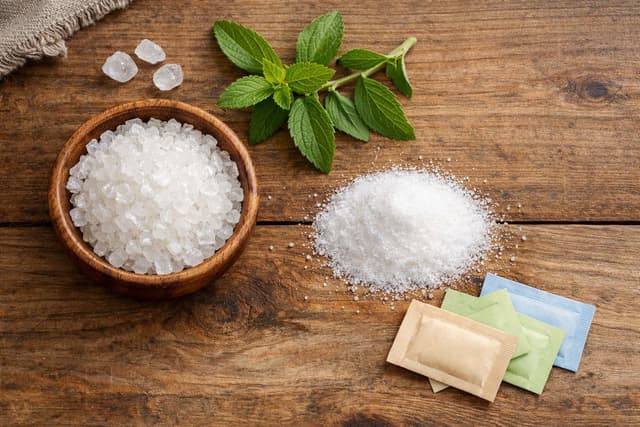
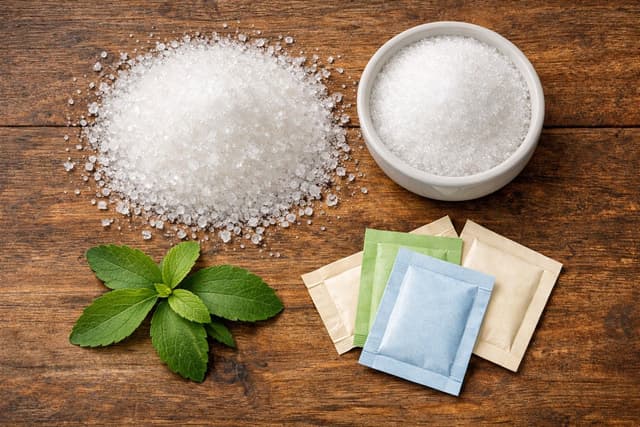
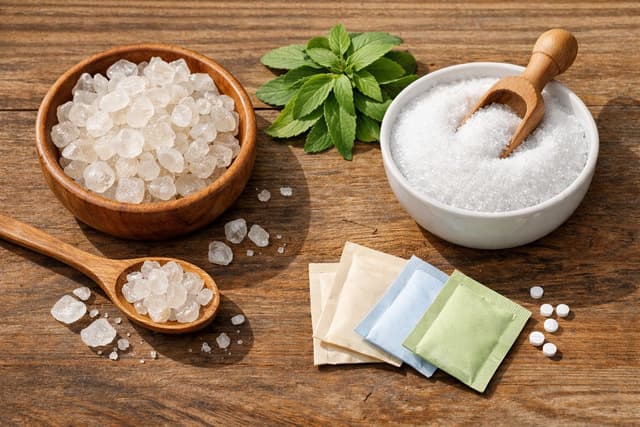
- “Naturally sweetened” claims– Terms such as stevia‑sweetened or fruit‑infused may mask the presence of added sweeteners that are not listed as sugar
- Ingredient order tricks– Even if a sweetener appears far down the ingredient list, a small amount can still affect the overall taste and glycemic response
How to Spot Truly Zero Added Sugar Products
- Check the ingredient list– Look for any form of sugar, honey, syrups, or sweeteners ending in‑ose (e.g., fructose, dextrose)
- Verify the serving size– Make sure the listed serving matches how you intend to eat the product
- Look for “No Added Sugar” seals– Reputable third‑party certifications often have stricter standards than manufacturer claims
- Consider the total carbohydrate– If total carbs are high but added sugars are listed as 0 g, the carbs likely come from starches or fiber, which may still affect blood sugar
- Read the fine print– Phrases like“contains less than 0.5 g added sugar per serving”are technically true but can be misleading
Five Snack Picks That Truly Have Zero Added Sugar
Below are five readily available snacks that pass the strictest zero‑added‑sugar test. Each option offers a distinct flavor profile and nutritional benefit
- Seaweed Snacks– Dried, lightly salted sheets of nori provide a crunchy, umami‑rich bite. They are low in calories, high in iodine, and contain 0 g added sugar
- Unsweetened Roasted Chickpeas– Roasted with olive oil, sea salt, and smoked paprika, these legumes deliver protein, fiber, and a satisfying crunch
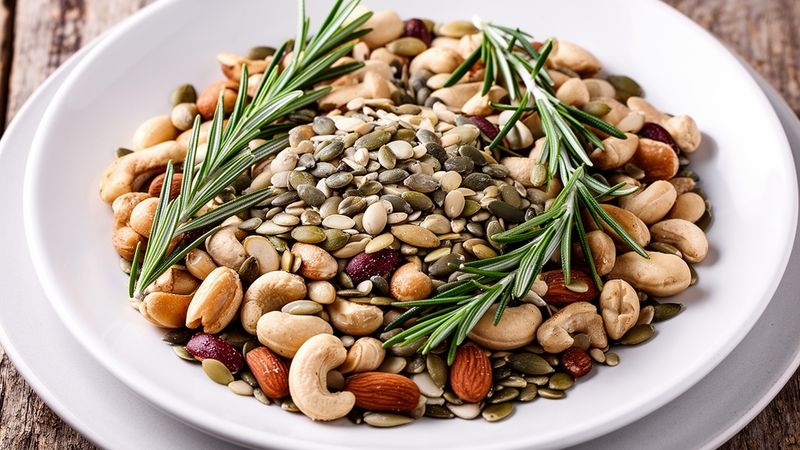
- Raw Nut & Seed Mix– A blend of almonds, walnuts, pumpkin seeds, and sunflower seeds, seasoned only with sea salt and a pinch of smoked paprika
- Baked Veggie Chips– Thinly sliced kale or beetroot baked until crisp, with no added sweeteners—just a drizzle of olive oil and a sprinkle of sea salt
- Dark Chocolate (85% cocoa or higher)– Look for bars that list cocoa mass, cocoa butter, and vanilla as the only ingredients. The high cocoa content means no added sugar and a rich, bittersweet flavor
Quick Nutritional Comparison
“Choosing snacks that truly contain zero added sugar can dramatically reduce daily sugar intake without sacrificing taste or satisfaction.”– Nutrition Expert
Making Your Own Zero Added Sugar Snacks at Home
Creating snacks at home gives you full control over ingredients and portion sizes. Here are three simple recipes
- Spiced Seaweed Crisps– Toast nori sheets with a drizzle of sesame oil, sprinkle with sea salt and a pinch of chili flakes, then bake at 180 °C for 5 minutes
- Cinnamon‑Roasted Almonds– Toss raw almonds with a splash of coconut oil, a dash of cinnamon, and sea salt; roast until golden
- Savory Veggie Sticks– Slice carrots, zucchini, and bell peppers thinly, toss with olive oil and rosemary, then dehydrate or bake until crisp
These DIY options eliminate hidden sweeteners and let you experiment with flavors while staying within a zero‑added‑sugar framework
Frequently Asked Questions
Q: Does “zero added sugar” mean the product is safe for diabetics?\nA: Not necessarily. Naturally occurring sugars and high‑glycemic carbs can still raise blood glucose. Always check total carbs and fiber
Q: Are sugar substitutes like stevia considered “added sugar”?\nA: No. They are classified as non‑nutritive sweeteners and are listed separately on the label. Some consumers prefer to avoid them for taste or digestive reasons
Q: Can I rely on “sugar‑free” claims?\nA: “Sugar‑free” means less than 0.5 g of total sugars per serving, which may still include natural sugars. Verify the ingredient list for hidden sweeteners
Conclusion
Understanding the nuances behind Zero Added Sugar claims empowers you to make smarter snack choices. By scrutinizing serving sizes, ingredient lists, and nutrition panels, you can avoid common label tricks that inflate sugar content. Incorporate truly zero‑added‑sugar snacks—like seaweed, unsweetened chickpeas, raw nuts, baked veggie chips, and high‑cocoa dark chocolate—into your diet, and consider homemade versions for ultimate control. Your taste buds, waistline, and overall health will thank you
Sources and Further Reading
- Sugar Free Snacks That Are Tasty and Healthy - Chomps
- grocery store food label tricks that make products look healthier
- Creative Tips for Making No-Sugar-Added Treats
- Dietitian Reveals 7 Tricks Food Labels Use to Hide Sugar (And How
- What's the Difference Between Sugar Free and No Added Sugar?
🔍 FoodReveal helps you decode nutrition labels beyond marketing. Available for Android and iOS.