
## Key Differences at a Glance
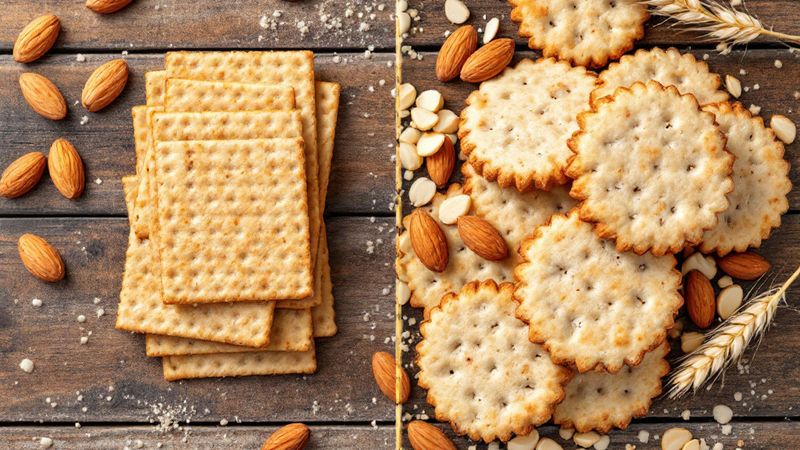
Colussi is a historic brand of the Barilla group, known for producing "light" and widely consumed snacks in Italy. Its philosophy is based on a positioning of convenience and practicality: the products are designed to be easily integrated into lunch breaks or daily snacking. The ingredients mainly come from Italian grains, with a preference for soft wheat flour and corn, and the use of vegetable oils low in saturated fats.
Galbusera, on the other hand, is part of the Galbusera Group, with a tradition more focused on "family food." The brand aims for a perception of artisanal quality and higher nutritional value, also introducing whole grain and seed varieties. The flour is often a blend of soft wheat and whole wheat, sourced from certified Italian suppliers, and the oil is typically rapeseed or sunflower, chosen for its healthier fatty acid profile.
In summary, Colussi emphasizes lightness and affordability, while Galbusera focuses on a more "natural" and nutritionally complete image, while maintaining a competitive price.
## Head-to-Head Nutritional Comparison
| Nutrient (per 100 g) | **Colussi** | **Galbusera** |
|---|---|---|
| Energy | 449 kcal | 440 kcal |
| Protein | 7.9 g | 8.0 g |
| Carbohydrates | 69.9 g | 71.0 g |
| of which sugars | 2.5 g | 3.0 g |
| Fat | 13.5 g | 12.0 g |
| of which saturated | 2.5 g | 2.0 g |
| Fibre | 2.5 g | 3.0 g |
| Salt | 1.30 g | 1.20 g |
Calorically, the two options are nearly equivalent, with a slight 9 kcal advantage for Galbusera. Protein levels are marginally higher in Galbusera crackers, thanks to a higher percentage of whole wheat flour. Total carbohydrates and sugars are similar, but Galbusera has a slightly higher sugar content, likely due to greater use of durum wheat flour.
Colussi has higher total fat levels, primarily due to the percentage of corn oil used; Galbusera uses rapeseed oil, which is richer in monounsaturated fatty acids, thereby reducing total and saturated fat content. Fibre is more abundant in Galbusera crackers, providing better satiety and a lower glycaemic impact. Finally, salt content is comparable, with a slight advantage for Galbusera.
For a more complete analysis of similar snacks, see our comparison of Mulino Bianco vs Galbusera: whole wheat crackers compared.
## In-Depth Ingredient Analysis
Colussi – Salted Crackers
- Wheat flour (70 %)
- Corn flour (15 %)
- Corn vegetable oil (3 %)
- Sicilian salt (1.5 %)
- Chemical leavening agent (E500 – sodium carbonate)
- Modified starch (E450 – calcium diphosphate)
- Emulsifier (E322 – soy lecithin)
- Anti-caking agent (E551 – calcium silicate)
Galbusera – Whole Grain Crackers
- Wheat flour (50 %)
- Whole wheat flour (30 %)
- Rapeseed vegetable oil (4 %)
- Sea salt (1.2 %)
- Brewer's yeast (1 %)
- Chemical leavening agent (E500)
- Emulsifier (E471 – mono- and diglycerides of fatty acids)
- Toasted flax seeds (3 %)
Both formulations use wheat flour from certified Italian agriculture. Colussi uses a higher proportion of corn flour to achieve a crunchier texture, while Galbusera enriches the product with whole wheat flour and flax seeds, increasing the content of fiber, omega-3, and micronutrients.
### Additives and Technological Co-adjuvants
The additives present in both products are all authorized by EU regulations and evaluated by the EFSA as safe at the maximum permitted doses. E500 (sodium bicarbonate) is a leavening agent that promotes the formation of air bubbles, reducing the density of the cracker without posing health risks. E450 (calcium diphosphate) is an acidity regulator and a consistency improver, also considered safe.
Soy lecithin (E322) is a natural emulsifier that improves fat distribution, while calcium silicate (E551) is an anti-caking agent used in minimal quantities to prevent clumping. Galbusera's E471 is a plant-based emulsifier (mono- and diglycerides), commonly used in baked goods. None of these substances exceed the daily intake limits set by the EFSA, and there is no evidence of adverse effects in healthy consumers.
From a clean-label perspective, Galbusera is closer to a “natural” formulation thanks to the use of plant-based emulsifiers and the absence of synthetic anti-caking agents, but both products remain compliant with food safety regulations.
## How to Choose Between the Two: Buying Guide
- Athletes and performance: if your goal is to maximize protein without excessively increasing fat, Galbusera crackers offer a slightly higher protein and fiber profile, which is useful for muscle recovery.
- Families with children: the lightness and crispiness of Colussi may be more appealing to little ones; furthermore, the salt content is still moderate.
- Low-fat diets: Galbusera, with lower total fat and a higher presence of monounsaturated fats, is more suitable for those monitoring their lipid intake.
- Budget: both brands have a similar price in major distribution channels, but promotional offers on Colussi are more frequent due to its wider availability.
- “Clean-label” choice: for those who prefer less processed ingredients, Galbusera wins thanks to the use of whole wheat flour, flax seeds, and a plant-based emulsifier.
In conclusion, the decision depends on the balance between taste, nutritional needs, and ingredient preferences: Colussi for the “light snack” tradition, Galbusera for a richer intake of fiber and healthy fats.
## Top Products on the Market
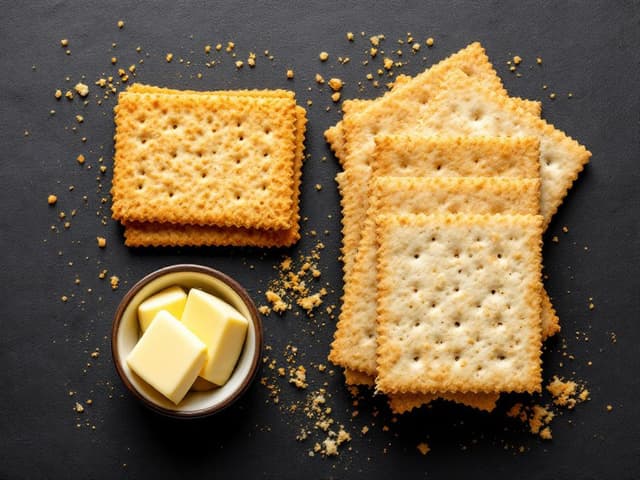
- Colussi Classic Crackers – 200 g pack, available in Esselunga self-service aisles. Made with soft wheat flour, sunflower oil, and a light touch of salt, they provide 390 kcal per 100 g and 6 g of protein. Ideal for quick snacks or pairing with hummus and spreadable cheeses.
- Galbusera Snack Cracker Light – 150 g pack sold by Conad. Made with whole wheat flour, flax seeds, and a cereal mix, they contain 340 kcal per 100 g, 5 g of fiber, and only 2 g of saturated fat. Perfect for those seeking a higher-fiber option without sacrificing crunch.
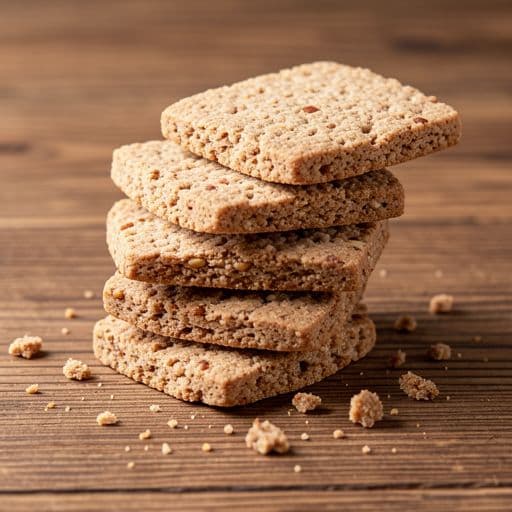
- Colussi Integral Crackers – 180 g pack found in Coop and Carrefour supermarkets. Featuring whole wheat flour, sunflower seeds, and flax, they deliver 360 kcal per 100 g, 7 g of protein, and 8 g of fiber. Their rustic texture makes them suitable for savory preparations like bruschetta or mini-pizza.
Learn more about how Galbusera compares to other snacks in our analysis: Galbusera vs. Nattura: Which Snack Is Healthier?
## Recipes and Practical Uses
### Recipe 1: Colussi Tomato and Basil Croquettes
Ingredients:
- Colussi Classic Crackers – 100 g
- Oil-packed sun-dried tomatoes – 50 g
- Fresh basil leaves – 10 g
- Light spreadable cheese – 30 g
- Extra virgin olive oil – 1 teaspoon
- Salt and pepper – to taste
Method:
- Crush the crackers in a bowl and mix with the cream cheese until a smooth cream is formed.
- Add the chopped sun-dried tomatoes, torn basil, oil, salt, and pepper; mix well.
- Form small balls and arrange them on a serving platter. Serve immediately, ideal for a quick aperitif.
Preparation time: 10 minutes.
### Recipe 2: Galbusera Salty Snack with Guacamole
Ingredients:
- Galbusera Snack Cracker Light – 80 g
- Ripe avocado – 1 unit
- Lime juice – 1 teaspoon
- Finely chopped red onion – 1 teaspoon
- Chopped fresh chili pepper – ¼ teaspoon
- Salt – to taste
Method:
- Mash the avocado in a bowl, add the lime juice, onion, chili pepper, and salt; mix until a creamy guacamole forms.
- Arrange the Galbusera crackers on a platter and spread a generous amount of guacamole on top.
- Serve immediately as a snack rich in healthy fats and fiber.
Preparation time: 8 minutes.
## Frequently Asked Questions
### What is the main nutritional difference between Colussi and Galbusera?
Colussi Classic has a slightly higher calorie content (390 kcal/100 g) compared to Galbusera Light (340 kcal/100 g). Galbusera is richer in fiber due to whole wheat flour and seeds, while Colussi focuses on a lighter texture.
### Are whole wheat crackers suitable for a low-carb diet?
Both brands contain approximately 60 g of carbohydrates per 100 g, making them unsuitable for very restrictive diets. However, their fiber content (7–8 g) helps moderate the glycemic index compared to more refined versions.
### How Does Packaging Influence the Choice Between the Two Brands?
Colussi uses recyclable plastic packaging, while Galbusera has opted for kraft paper bags with a compostable inner lining. For environmentally conscious consumers, Galbusera's packaging represents a more sustainable choice.
## Final Verdict
After comparing nutritional values, texture, and sustainability, two distinct profiles emerge: Colussi is ideal for those seeking a versatile, light cracker that pairs easily with various foods; Galbusera stands out for its higher fiber content and more eco-friendly packaging. Based on your priorities—classic taste or a focus on wellness and the environment—we recommend choosing the product that best aligns with your lifestyle. To explore more similar comparisons, read our article on Mulino Bianco vs Galbusera: whole grain crackers compared.
> FoodReveal helps you decode nutritional labels beyond the marketing. Available for Android and iOS.