
Italian dairy industry is dominated by two giants: Galbusera, a historic confectionery company that in recent years has expanded its portfolio to include premium yogurts, and Lactalis, the French global leader group with the Galbani brand widely present on shelves. The growing popularity of Greek yogurt compared to traditional "regular" yogurt has created a true marketing duel: Galbusera vs Lactalis: Greek yogurt or regular? In this article we will analyze the nutritional differences, culinary applications, market positioning and branding strategies of the two players, providing the reader with all the elements to choose consciously.
## What is Greek yogurt and how does it differ from traditional yogurt?
Greek yogurt originates from a longer straining process compared to classic yogurt. After fermentation, the product is filtered to remove part of the whey, increasing the protein concentration and reducing that of sugars (lactose). As highlighted in Greek yogurt and regular: differences, the main characteristics are
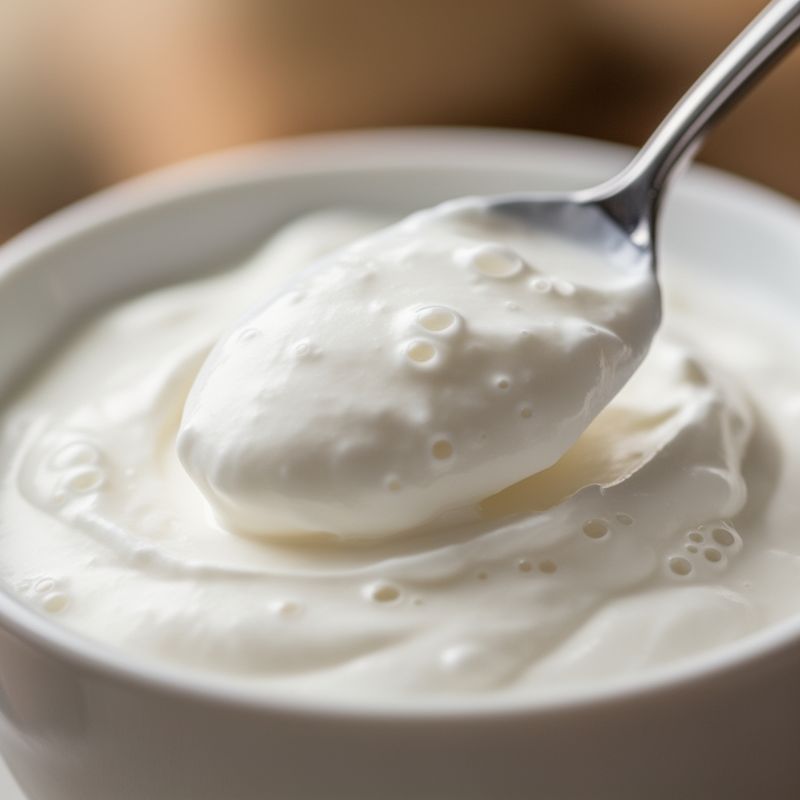
- More intense flavor and creaminess; the reduction of whey concentrates fats and proteins, giving an almost velvety texture
- Nutritional profile richer in protein (about 10‑12 g per 100 g) and lower in carbohydrates compared to traditional yogurt (4‑5 g per 100 g)
- Culinary versatility; ideal for sauces such as tzatziki, to replace mayonnaise or sour cream, but it tends to curdle when heated to high temperatures
These features make it a preferred choice for athletes, high‑protein diets, and consumers mindful of sugar content

## Galbusera's yogurt portfolio
Galbusera, known for its biscuits and pastries, has launched in the last two years a yogurt line that emphasizes artisanal quality. The brand offers two main variants
1 Galbusera Greek Style – Greek‑style yogurt with 0 % fat, enriched with seasonal fruit and no added sugars
2 Galbusera Classico – traditional yogurt made with whole milk, with added cake pieces for an innovative “dessert” experience, as described in the Lactalis‑Nestlé Fresh Products press release
Both versions are packaged in 150 g pots, with labels that emphasize ingredient transparency and a short supply chain
## Lactalis yogurt portfolio (Galbani)
Lactalis, through the Galbani brand, holds a significant market share thanks to an extremely broad range
- Galbani Greek Yogurt– available in “Light” (0 % fat) and “Full‑Fat” (2 % fat) versions, with fruit variants and “Zero‑Sugar”
- Galbani Yogurt Classico– traditional yogurt made from whole milk, often enriched with probiotics and natural flavors
- Special lines– such as Yogurt Probiotic and Yogurt Bio, designed for consumers mindful of the gut microbiome
Lactalis’ campaigns focus on innovation (e.g., yogurt with cake pieces) and sustainability (recyclable packaging, reduced carbon footprint)
## Nutritional comparison: Galbusera vs Lactalis
Below is a comparative table based on label information (100 g)
| Characteristic | Galbusera Greek Style | Galbusera Classico | Galbani Greek Light | Galbani Greek Full‑Fat |
|---|---|---|---|---|
| Calories (kcal) | 58 | 78 | 55 | 85 |
| Protein (g) | 10,5 | 5,2 | 11,0 | 8,5 |
| Fat (g) | 0,0 | 3,5 | 0,0 | 2,0 |
| Carbohydrates (g) | 4,0 | 10,0 | 3,5 | 5,5 |
| Sugars (g) | 3,8 | 9,5 | 3,2 | 5,0 |
| Probiotics (CFU) | 1 × 10⁸ | 5 × 10⁷ | 1 × 10⁸ | 8 × 10⁷ |
Observations
- The Greek yogurt from both brands is higher in protein and lower in fat compared to the classic
- Galbusera offers a “Classic” version with cake pieces, which raises calories and sugars, but may be appealing to those looking for a quick dessert
- Lactalis offers a “Full‑Fat” version for those who prefer a richer taste, but with a higher calorie content.
## Culinary Applications: When to Choose Greek vs Regular?
### Use in Savory Cooking
Greek yogurt is ideal for sauces (tzatziki, cucumber dip) thanks to its dense texture that doesn’t thin out. It can replace mayonnaise in sandwiches and burgers, drastically reducing calories and fat. However, due to its low whey content, it tends to curdle when heated above 80 °C; therefore it is best suited for cold dishes or low‑temperature cooking.
### Use in Sweet Cooking
Galbusera’s classic yogurt, with cake pieces, is designed for “on‑the‑go” dessert consumption. It works well in fruit‑cappuccino smoothies and honey‑topped crostini. Greek yogurt, thanks to its neutral flavor, is perfect for light cheesecakes, protein mousse, and homemade ice cream (see also our comparison of artisanal vs industrial ice cream: ingredients and impact).
### Benefits for Intestinal Health
Both versions contain probiotics, but the concentration is generally higher in strained Greek yogurt. For those who want to delve into the impact of fermented foods on the microbiome, we recommend reading Fermented Foods: Diet for the Mind, Probiotics and Prebiotics
## Market Analysis in Italy
According to the report The Italian Yogurt and Dessert Market (source [3]), Greek yogurt consumption has increased by 15 % over the past three years, driven by greater nutritional awareness. Lactalis holds approximately 30 % of the total yogurt market, while Galbusera, although smaller, has gained a 5 % share thanks to its product‑innovation strategy (e.g., yogurt with cake pieces)
Emerging trends include
- Zero added sugars consumers are seeking products without artificial sweeteners. Galbusera has responded with the Greek Style line, 0 % fat and no added sugars, in line with the observations of Zero added sugars: truth, labels and 5 snacks
- Sustainability Lactalis focuses on recyclable packaging and carbon footprint reduction; Galbusera is testing biodegradable plastic packaging
## Price and perceived value
| Product | Average price (150 g) | Quality‑price ratio |
|---|---|---|
| Galbusera Greek Style | €1,20 | ★★★★☆ (high protein, zero fat) |
| Galbusera Classic (with cake) | €1,40 | ★★★☆☆ (sweet, more calories) |
| Galbani Greek Light | €1,30 | ★★★★☆ (low calorie content) |
| Galbani Greek Full‑Fat | €1,45 | ★★★★☆ (richer taste) |
The price is slightly higher for premium versions, but the difference is offset by a better nutritional profile and a perception of artisanal quality
## What is the best choice for you?
- If you are athletic or follow a high‑protein diet, choose the Greek yogurt from Galbusera or Lactalis, favoring the 0 % fat version to reduce calories
- If you are looking for a quick dessert, the Galbusera Classico with cake pieces is convenient, but watch the sugar content
- If you want a “green” product, Lactalis offers more sustainable packaging and organic lines
- If you love cooking, Greek yogurt is more versatile for savory and sweet recipes, while regular yogurt is better suited for smoothies and breakfasts
## Conclusions
The Galbusera vs Lactalis comparison highlights two different approaches to the yogurt market: product innovation (Galbusera) versus range breadth and sustainability (Lactalis). Both companies offer Greek and regular yogurt, but the key differences lie in nutritional profile, price, packaging, and brand positioning. The final choice will depend on your priorities: protein, taste, convenience, or environmental impact. Whatever you decide, remember that yogurt, both Greek and traditional, is a valuable source of calcium, protein, and probiotics that can enrich your daily diet.
Note: all nutritional values are indicative and based on labels available at the time of writing.
## Sources and Further Reading
1 Greek and regular yogurt: differences
2 Lactalis Nestlé Prodotti Freschi launches Galbani Yogurt
3 Italy's Yogurt and Dessert Market
4 [PDF] buyer's • guide - Alimentando.info
5 [PDF] Toniolo: the magnificent Venetians - Alimentando.info
> 🔍 FoodReveal helps you decode nutrition labels beyond marketing. Available for Android and iOS.