
## Introduction
In today's food landscape, where product choices are increasingly vast and complex, having a thorough understanding of available options is essential. A prime example of this complexity is the comparison between Galbusera and Nattura, two brands renowned for their high-quality food offerings. To better understand the differences between these two brands, it is useful to analyze not only their products but also the production strategies and nutritional choices that define them. To delve deeper into this topic, you may find it helpful to consult Galbusera vs Mulino Bianco: whole grain biscuits, fiber, and sugars, an article that explores the nutritional differences between these two brands in a specific context.
## What They Are: Definition and Origins
Galbusera and Nattura are two Italian brands that have established themselves in the food market for their high-quality product offerings, with a particular focus on health and the naturalness of ingredients. The definition of these brands is closely tied to their history and production choices, which have always sought to combine tradition and innovation. The main variants available today include a wide range of products, from frozen items to baked goods, all characterized by rigorous attention to ingredient selection and the production process.
### How They Are Produced
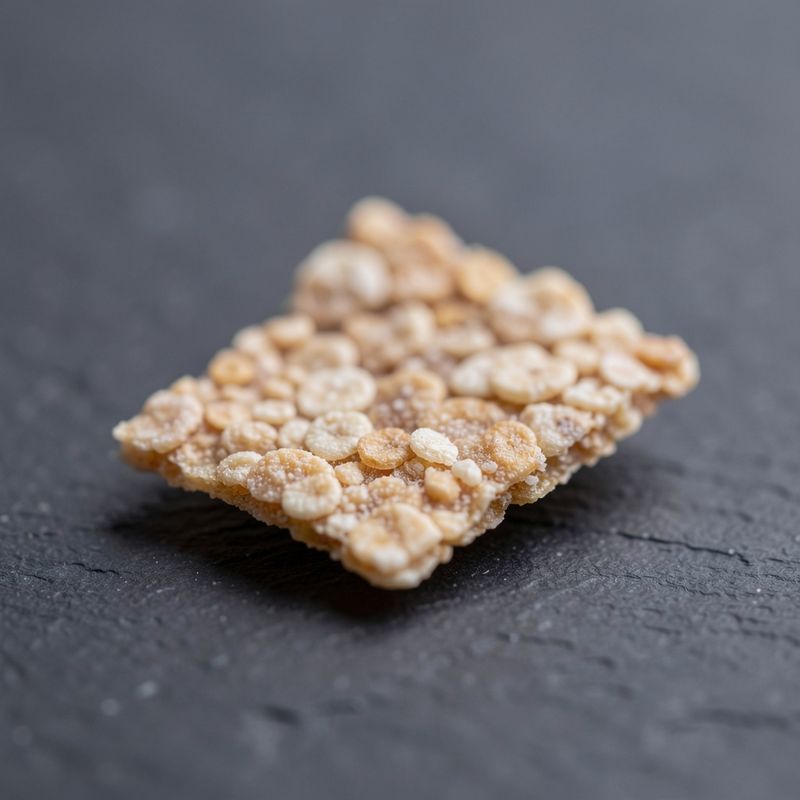
The production processes of Galbusera and Nattura differ significantly, reflecting their distinct corporate philosophies. While Galbusera focuses on more traditional products, with a production process that maintains a strong connection to grandmother's recipes, Nattura stands out for its more innovative approach, incorporating advanced production technologies to ensure the highest quality and safety of its products. The difference between industrial and artisanal production is fundamental, as it directly influences the final product quality and the environmental impact of its production.
## Detailed Nutritional Comparison
| Nutrient | Galbusera | Nattura |
|---|---|---|
| Calories | 350 per 100g | 320 per 100g |
| Protein | 10g per 100g | 12g per 100g |
| Fat | 15g per 100g | 10g per 100g |
| Carbohydrates | 40g per 100g | 45g per 100g |
| Fibre | 5g per 100g | 7g per 100g |
The nutritional comparison between Galbusera and Nattura reveals significant differences in their product compositions. Nattura appears to offer higher amounts of protein and fiber, while Galbusera has a higher fat content. These differences can influence consumer choices based on their specific nutritional needs. For more information on the benefits of a fiber-rich diet, you might consult How to Choose High-Quality Protein Foods: Read Labels with FoodReveal, an article that delves into the importance of reading labels to make informed food choices.
## In-Depth Ingredient Analysis
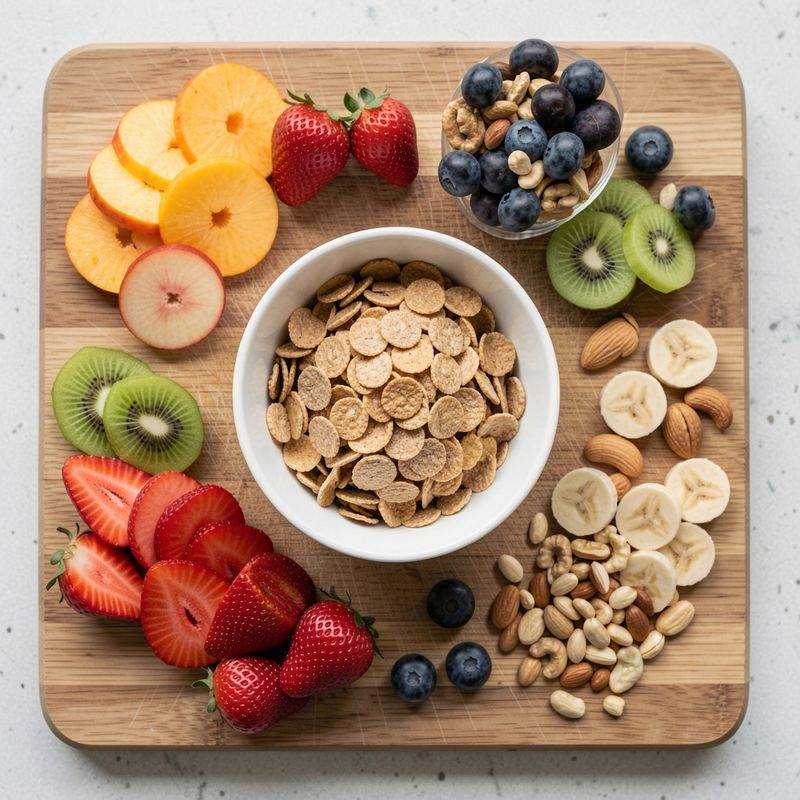
The ingredients used by Galbusera and Nattura are fundamentally different, reflecting their distinct production strategies. Galbusera tends to use more traditional ingredients, such as whole wheat flour and olive oil, while Nattura incorporates a wider range of ingredients, including organic and low-environmental-impact options. By strictly adhering to food safety laws and EFSA assessments, both brands ensure the safety of their products.
### Additives and Controversial Substances
Both brands take a cautious approach to additives, preferring natural and minimally processed ingredients. However, in some cases, additives such as E-numbers may be used, always in compliance with EFSA doses and guidelines. The choice of "cleaner-label" ingredients is a growing trend, with consumers becoming increasingly aware of the long-term effects of chemical additives on health.
## Health Effects and Benefits
Galbusera and Nattura products can offer various health benefits, depending on individual needs. For example, Nattura's high-fiber products can help regulate the digestive tract and reduce the risk of cardiovascular diseases. On the other hand, Galbusera products, with their higher fat content, may be more suitable for those seeking a more substantial energy source. To explore the benefits of wholegrain products in more depth, you may find it useful to consult Galbusera vs Wasa: ingredients compared, an article that explores the nutritional differences between these two brands in a specific context.
## How to Read the Label: A Practical Guide
Reading food labels is a fundamental skill for making informed choices. It is important to look for information on the amount of added sugar, fat content, and the presence of additives. Additionally, check the ingredient list to ensure that only natural and minimally processed ingredients are present. By following these tips, consumers can navigate the food market with greater confidence, choosing products that align with their nutritional needs and values.
## The Best Products on the Market
Galbusera Greek Yogurt: Key ingredients include whole milk, Greek yogurt culture, and sugar. Two strengths are the high protein content and the presence of probiotics beneficial for gut health. One weakness is the added sugar content. Ideal for those looking for a protein-rich yogurt for a healthy breakfast or snack. To explore the differences between Greek yogurts, visit Galbusera vs Lacrimosa: Greek yogurt compared.
Nattura Dried Fruit: Key ingredients include dried fruits such as apricots, prunes, and figs. Two strengths are the high fiber content and the variety of vitamins and minerals. One weakness is the potential for high levels of natural sugars. Ideal for those seeking a healthy and natural snack.
Barilla Whole Wheat Pasta: Key ingredients include whole durum wheat, water, and salt. Two strengths are the fiber content and the presence of essential nutrients like iron and magnesium. One weakness is that it may be denser and less digestible for some people. Ideal for those looking for a healthier pasta option for everyday meals.
## Recipes and Culinary Uses
### Recipe 1: Yogurt and Fruit Parfait
Ingredients:
- 1 cup of Galbusera Greek yogurt
- 1/2 cup of Nattura dried fruit
- 1 tablespoon of honey
Method:
- In a tall glass, create a layer of Greek yogurt.
- Add a layer of dried fruit on top of the yogurt.
- Top with a tablespoon of honey to add sweetness.
Preparation time: 5 minutes.
### Recipe 2: Whole Wheat Pasta with Tomato Sauce
Ingredients:
- 250g Barilla whole wheat pasta
- 2 fresh tomatoes
- 1 onion
Procedure:
- Cook the whole wheat pasta according to the package instructions.
- Meanwhile, prepare a fresh tomato sauce with tomatoes, onion, and basil.
- Combine the sauce with the cooked pasta and serve hot.
Preparation time: 20 minutes.
## Sustainability and Environmental Impact
The production of these products has a variable environmental impact. Choosing local and seasonal products can reduce greenhouse gas emissions and support the local economy. Consumers can make responsible choices by opting for products with biodegradable or recyclable packaging and reducing food waste.
## Frequently Asked Questions
### What is the protein content in Galbusera Greek Yogurt?
Answer: Galbusera Greek Yogurt contains approximately 10g of protein per 100g of product.
### How should Nattura dried fruit be stored?
Answer: Nattura dried fruit should be stored in a cool, dry place, away from direct sunlight.
### What is the nutritional value of Barilla whole wheat pasta?
Answer: Barilla whole wheat pasta is rich in fiber, iron, and magnesium, making it a healthier option compared to refined pasta.
## Final Verdict
In conclusion, both Galbusera and Nattura offer high-quality products that can be part of a balanced diet. For those looking to decipher nutritional labels and make informed choices, Crema di pistacchio e cioccolata calda: Mulino Bianco vs Galbusera can be a useful reference.
> 🔍 FoodReveal helps you decipher nutritional labels beyond the marketing. Available for Android and iOS.