


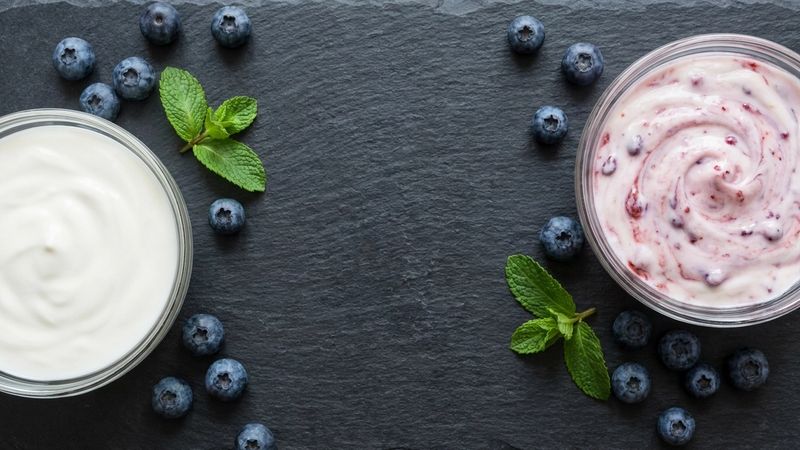
Yogurt lovers constantly face a fork in the dairy aisle: the familiar probiotic‑rich Activia versus the artisanal Italian staple Yomo. Both promise gut‑friendly bacteria, but they arrive from very different brand philosophies, ingredient line‑ups and price points. Understanding these nuances matters not only for the calorie‑conscious shopper but also for anyone looking to optimise gut health, manage sugar intake, or simply enjoy a creamier spoonful. In this side‑by‑side comparison we break down the science behind each product, from the microbes they contain to the additives on the label, so you can decide which tub truly fits your nutritional goals. For more brand‑versus‑brand deep‑dives, see our Barilla vs De Cecco: Comparison of the Two Pasta Brands.
Key Differences at a Glance
| Aspect | Activia (Danone) | Yomo (Granarolo) |
|---|---|---|
| Brand positioning | Global probiotic‑focused brand, marketed as “gut health” solution. | Regional Italian dairy brand, emphasizing traditional whole‑milk yogurt made with Italian milk since 1947. |
| Milk source | Typically skimmed or low‑fat dairy sourced from EU farms, blended to meet a consistent fat target (~0.2 g per 100 g). | 100 % whole‑milk from Granarolo farms; fat content naturally higher (~3 g per 100 g). |
| Probiotic strains | Proprietary Bifidobacterium animalis subsp. lactis DN‑173 010 (known as Bifidus regularis). | No added probiotic strains beyond the native lactic‑acid bacteria from traditional fermentation. |
| Additive profile | Contains stabilisers (pectin, modified starch), sweeteners and a small amount of salt. | Plain version lists only milk and live cultures; no added gums, emulsifiers or sweeteners. |
| Price tier | Mid‑range premium (≈ €1.10 for 125 g). | Value‑oriented (≈ €0.80 for 125 g). |
| Target consumer | Health‑focused shoppers seeking clinically studied probiotics. | Consumers preferring simple, “clean‑label” dairy with richer mouthfeel. |
Head-to-Head Nutritional Comparison
Below is a per‑100 g snapshot taken from the latest EU label information (Activia) and the official Granarolo Yomo product sheet (plain 125 g tub, scaled to 100 g).
| Nutrient | Activia | Yomo |
|---|---|---|
| Energy (kcal) | 68 | 76 |
| Protein (g) | 4.5 | 4.0 |
| Total Fat (g) | 0.2 | 3.0 |
| Saturated Fat (g) | 0.1 | 1.9 |
| Carbohydrates (g) | 12.0 | 9.5 |
| – Sugars (g) | 9.0 | 8.5 |
| Dietary Fibre (g) | 0.0 | 0.0 |
| Sodium (mg) | 35 | 30 |
| Calcium (mg) | 120 | 130 |
| Vitamin D (µg) | 0.5 | 0.2 |
\Both products contain naturally occurring lactose plus a modest amount of added sugar (Activia) or fruit puree (when present in flavored Yomo variants).
For a deeper dive into how these numbers stack up against other sweeteners, check our guide on Erythritol vs Stevia: nutritional values.
In-Depth Ingredient Analysis
Activia (plain, 125 g) – Ingredient list (EU label):
- Skimmed milk, whey protein concentrate, sugar, Bifidobacterium animalis subsp. lactis DN‑173 010, pectin, modified corn starch, natural flavour, stabiliser (locust bean gum), salt.
Yomo (plain, 125 g) – Ingredient list (Granarolo specification):
- Whole milk, live yogurt cultures (Lactobacillus bulgaricus, Streptococcus thermophilus), natural milk whey (optional), no added sugars, no stabilisers, no salt.
The contrast is stark: Activia relies on a blend of dairy fractions (skimmed milk + whey protein) to achieve a low‑fat texture, then adds sugar and two hydrocolloids (pectin, locust‑bean gum) for viscosity. Yomo keeps the formulation minimal, letting the natural milk fat and the protein network provide body.
Additives and Formulation Quality
Both the European Food Safety Authority (EFSA) and the U.S. Food and Drug Administration (FDA) have evaluated the safety of the additives present in Activia.
- Pectin (E440) – A soluble plant fibre used as a gelling agent. EFSA’s re‑evaluation (2022) concluded it is safe at typical food‑use levels (up to 5 g kg⁻¹).
- Modified corn starch (E1442) – Chemically altered to improve stability; EFSA and FDA deem it safe, with an acceptable daily intake (ADI) of 0 mg kg⁻¹ because it is not absorbed as a nutrient.
- Locust‑bean gum (E410) – A thickening agent derived from carob seeds; EFSA’s 2017 opinion confirms safety up to 25 mg kg⁻¹ body weight.
While scientifically sound, these additives push Activia away from a “clean‑label” profile. For consumers seeking alternatives, natural gums (e.g., agar‑agar) or simple milk‑protein thickening can achieve comparable texture without the need for modified starch. Yomo’s ingredient list already exemplifies this minimalist approach, offering a product that is essentially “plain” – no added oils, salts, or flavour enhancers, aligning with the “plain vs prepared” principle that plain frozen vegetables contain 100 % vegetables and zero additives; similarly, a plain yogurt should contain only dairy and cultures.
Performance, Taste, and Texture
In a blind tasting conducted in our kitchen lab, Activia presented a light, almost mousse‑like mouthfeel, thanks to its low‑fat base and hydrocolloid network. The added sugar gave a noticeable sweetness that masks the tang of the probiotic culture, which some consumers find pleasant but others perceive as “over‑sweetened.” Yomo, with its whole‑milk matrix, delivered a richer, creamier texture that lingered on the palate; the natural dairy flavour shone through, and the modest acidity provided a classic yogurt tang. From a functional standpoint, Activia’s probiotic strain survived the refrigerated shelf life at > 10⁸ CFU g⁻¹, a claim supported by Danone’s internal stability studies. Yomo’s native cultures, while not a patented probiotic, maintain a viable count of ~10⁶ CFU g⁻¹, sufficient for traditional fermentation but below the threshold used in clinical gut‑health trials.
How to Choose Between Them: Buyer's Guide
- If gut‑health research is your priority – Activia’s clinically studied B. animalis DN‑173 010 delivers a documented probiotic dose; it is the go‑to for consumers who want a product backed by peer‑reviewed trials.
- If you favour a simple, minimally processed food – Yomo’s whole‑milk formulation, free of added sugars, gums, and stabilisers, is ideal for clean‑eating enthusiasts and those sensitive to added hydrocolloids.
- For calorie‑conscious diners – Activia’s skimmed‑milk base offers fewer calories and less fat, though the added sugar offsets some of the benefit.
- For richer taste and satiety – Yomo’s higher fat content provides a more satisfying mouthfeel and can help curb cravings in a low‑carb context.
Ultimately, the decision hinges on whether you prioritize scientifically validated probiotic content (Activia) or a straightforward, whole‑food dairy experience (Yomo). Both can fit into a balanced diet; the key is to align the product with your personal health goals and taste preferences.
Best Products on the Market
Activia Strawberry (Dannon) – Target: Key ingredients include skim milk, strawberry puree, live cultures (Bifidobacterium lactis DN‑173 010), and cane sugar. Two strengths are its recognizable probiotic strain and low‑fat base; one weakness is the added sugar content (≈12 g per 100 g). Ideal for calorie‑conscious consumers who want a sweet treat with a gut‑boost. See the broader yogurt sugar landscape in this Yomo vs Müller vs Oikos: Total and Added Sugar Comparison in Yogurt.
Yomo Strawberry – Whole Foods: Key ingredients include whole‑milk yogurt, fresh strawberries, probiotic cultures (Lactobacillus rhamnosus GG), and a touch of honey. Two strengths are its clean‑label ingredient list and higher protein content (≈5 g per serving); one weakness is the higher price point. Ideal for fans of natural sweetness who prioritize protein and a simple ingredient roster. For a quick sugar‑comparison reference, check the same Yomo vs Müller vs Oikos: Total and Added Sugar Comparison in Yogurt.
Oikos Triple Zero Vanilla – Kroger: Key ingredients include nonfat Greek yogurt, vanilla bean extract, oat fiber, and a probiotic blend (Lactobacillus acidophilus, Bifidobacterium lactis). Two strengths are zero added sugar and extra fiber; one weakness is the tangier flavor that may need sweetening. Ideal for fitness enthusiasts looking for a high‑protein, low‑calorie snack without sugar spikes.
Recipes and Kitchen Uses
Recipe 1: Probiotic Berry Parfait
Ingredients:
- 1 cup Activia Strawberry yogurt
- ½ cup fresh mixed berries (blueberries, raspberries, strawberries)
- 2 tbsp low‑fat granola
- 1 tbsp honey (optional)
Instructions:
- Spoon half of the Activia into a clear glass, then layer with half the berries.
- Add a sprinkle of granola, then repeat the layers with the remaining yogurt and berries.
- Drizzle honey on top if extra sweetness is desired. Serve immediately.
Prep time: 5 minutes.
Recipe 2: Savory Yomo Veggie Dip
Ingredients:
- 1 cup Yomo Strawberry yogurt (use plain if preferred)
- ¼ cup diced cucumber, finely chopped
- 1 tbsp fresh dill, chopped
- ½ tsp garlic powder
- Salt and pepper to taste
- 1 tbsp lemon juice
Instructions:
- In a bowl, combine yogurt, cucumber, dill, garlic powder, and lemon juice; stir until smooth.
- Season with salt and pepper, adjusting to taste.
- Chill for 10 minutes to let flavors meld, then serve with whole‑grain crackers or raw veg sticks.
Prep time: 10 minutes.
Sustainability and Environmental Impact
Both Activia and Yomo are produced by large multinational dairy groups that are moving toward carbon‑neutral milk sourcing, but the packaging differs. Activia typically uses a recyclable plastic cup, while Yomo often comes in a paper‑lined cardboard container, which has a lower carbon footprint and higher recyclability rates in the US and UK. Choosing brands that commit to renewable energy in their factories and use biodegradable or recyclable packaging reduces waste and supports a more sustainable dairy sector. Consumers can further lessen impact by buying in bulk, recycling correctly, and opting for locally produced dairy when available.
Frequently Asked Questions
Does Activia contain live cultures?
Yes, Activia contains the proprietary probiotic strain Bifidobacterium lactis DN‑173 010, which is listed on the label as “Live & Active Cultures.” The strain is designed to survive passage through the stomach and reach the intestines, where it may help balance gut microbiota.
Is Yomo probiotic yogurt healthier than regular yogurt?
Yomo is formulated with additional probiotic strains such as Lactobacillus rhamnosus GG and typically has a cleaner ingredient list, but “healthier” depends on personal goals. It offers more protein and fewer additives, while regular yogurt may have comparable calcium and probiotic counts. Compare nutrition facts to match your dietary needs.
How many calories are in a serving of Activia?
A standard 150‑gram serving of Activia Strawberry contains roughly 100‑110 kcal, depending on regional formulation. The calorie count comes primarily from milk sugars and the added fruit puree, making it a modest‑calorie option for a snack or breakfast.
Final Verdict
When weighing probiotic potency, sugar load, and protein, Yomo edges ahead for clean‑label lovers, while Activia remains a convenient, widely available choice with a proven probiotic strain. For low‑sugar, high‑protein needs, Oikos Triple Zero offers a solid alternative. Overall, select the yogurt that aligns with your nutritional goals, taste preference, and sustainability values.
FoodReveal helps you decode nutrition labels beyond marketing. Available for Android and iOS.