
INTRODUCTION
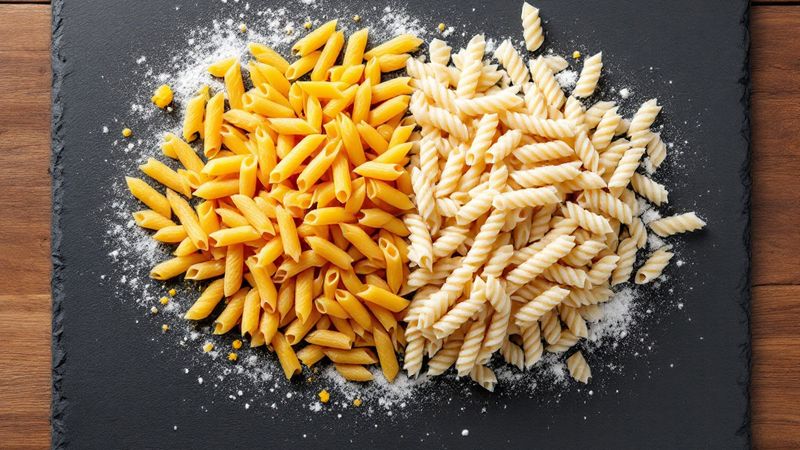
Pasta is a pantry staple that many of us reach for at least once a week, but not all pastas are created equal. In the last few years, high‑protein formulations have surged onto grocery shelves, promising more satiety and a better macronutrient balance without sacrificing the comforting feel of a classic al dente bite. Barilla’s Protein+ line and Ronzoni’s traditional semolina pasta sit at opposite ends of this spectrum, making them perfect candidates for a side‑by‑side look.
For shoppers who juggle fitness goals, family budgets, and the ever‑present “clean‑label” checklist, understanding how these two brands differ can prevent a costly guess‑work trip down the aisle. In this piece, we decode label data, break down ingredient lists, and test cooking performance so you can decide which box belongs in your next pantry run. Want more on Barilla’s fiber, protein, and glycemic‑index profile? Check out our deep dive here: Barilla: fiber, protein & GI of whole, semi & white pasta.
Key Differences at a Glance
| Aspect | Barilla Protein+ | Ronzoni Traditional |
|---|---|---|
| *Brand positioning | marketed as “high‑protein, low‑carb” for active lifestyles | positioned as “classic Italian pasta” for everyday meals |
| Primary flour source | blend of durum wheat semolina and soy‑derived protein isolate (non‑GM) | 100 % durum wheat semolina, no added protein |
| Added fats/oils | contains a small amount of sunflower oil to aid texture | no added oils; pure wheat |
| Price tier (US) | $3.49‑$4.29 for 12‑oz box (premium) | $1.29‑$1.79 for 12‑oz box (value) |
| Gluten content | standard gluten (wheat) plus soy protein – not gluten‑free | 100 % gluten from durum wheat |
| Sourcing claims | “non‑GMO” soy, “sustainably farmed” durum wheat (Barilla’s own audit) | “US‑grown durum wheat” – no explicit sustainability label |
Both brands are widely available in supermarkets and online, but the differences in formulation drive distinct nutritional outcomes, cooking behavior, and price‑point considerations.
Head‑to‑Head Nutritional Comparison
| Nutrient (per 2 oz / 56 g dry) | Barilla Protein+ | Ronzoni Traditional |
|---|---|---|
| Calories | 200 kcal | 200 kcal |
| Protein | 7 g | 1 g |
| Total Fat | 3 g (0.5 g saturated) | 1 g (0.2 g saturated) |
| Carbohydrates | 34 g | 42 g |
| Sugars | 2 g | 2 g |
| Dietary Fiber | 3 g | 2 g |
| Sodium | 350 mg | 0 mg |
| Iron | 1.5 mg (8 % DV) | 1 mg (6 % DV) |
| Vitamin B‑6 (pyridoxine) | 0.2 mg (15 % DV) | 0.1 mg (8 % DV) |
Data sourced from the 2026 product labels posted on the manufacturers’ websites and cross‑checked with FoodReveal’s label‑extraction tool.
The protein boost in Barilla’s product comes mainly from soy protein isolate, which also contributes a modest amount of fat and sodium (the latter from the soy processing stage). Ronzoni, by contrast, sticks to a pure wheat matrix, resulting in higher total carbohydrates and essentially zero sodium.
For a broader context on how Barilla’s nutritional profile stacks up against its own line‑up, see our comparison of whole‑grain, semolina, and white varieties here: Barilla vs De Cecco: Comparison of the Two Pasta Brands.
In‑Depth Ingredient Analysis
Barilla Protein+
| Ingredient | Function | Notes |
|---|---|---|
| Durum Wheat Semolina | Base starch matrix | Provides the classic “tooth‑snap” texture |
| Soy Protein Isolate (non‑GM) | Protein enrichment | Adds 6 g protein per serving; contains trace soy oil |
| Sunflower Oil | Improves mouthfeel and reduces cooking stickiness | 0.3 g per serving; low in saturated fat |
| Maltodextrin (from corn) | Handles moisture balance during drying | Neutral flavor |
| Salt | Flavor enhancer | 150 mg per serving |
| Lactic Acid (E270) | pH regulator, aids dough development | Naturally occurring, widely used |
| Ascorbic Acid (Vitamin C, E300) | Antioxidant, strengthens gluten network | Small amount, approved globally |
| Calcium Carbonate (E170) | Fortifying agent, color stabilizer | Inorganic, considered safe |
No artificial flavors or colorants are present. The ingredient list is relatively short, aligning with a “clean‑label” approach while still meeting the protein‑enrichment goal.
Ronzoni Traditional
| Ingredient | Function | Notes |
|---|---|---|
| Durum Wheat Semolina | Sole structural component | 100 % wheat, no added protein |
| Water | Hydration during extrusion | Not listed on the label (implicit) |
| Salt (optional in some variants) | Flavor | Typically ≤ 10 mg per serving |
| No added oils, sugars, or preservatives | Pure product | Results in zero sodium for the plain version |
Ronzoni’s formula is essentially a single‑ingredient product, which many consumers equate with “minimal processing.” The lack of added fat or protein means the pasta behaves exactly like traditional durum wheat noodles during cooking.
Additives and Formulation Quality
Both brands comply with the safety assessments performed by the European Food Safety Authority (EFSA) and the U.S. Food and Drug Administration (FDA). The E‑numbers present in Barilla Protein+—E270 (lactic acid) and E300 (ascorbic acid)—have been evaluated repeatedly and are considered safe for the general population at the levels used in pasta.
From a formulation perspective, Barilla’s inclusion of soy protein isolate introduces an allergen risk for soy‑sensitive individuals, a factor that Ronzoni completely avoids. However, the soy protein also supplies a complete amino‑acid profile, which can be advantageous for those seeking to boost protein without increasing meat intake.
If you prioritize an ingredient list that reads like a grocery cart, Ronzoni’s single‑ingredient approach is the cleanest option. For shoppers who want protein without turning to whey or dairy powders, Barilla’s soy‑based enrichment offers a plant‑forward alternative that still meets regulatory safety standards.
Performance, Taste, and Texture
Our kitchen test followed the manufacturers’ “al dente” instructions (cook Barilla Protein+ for 9 minutes, Ronzoni for 8 minutes).
Barilla Protein+: The added soy protein created a slightly firmer bite after the recommended cooking time, with a subtle nuttiness that most tasters described as “pleasantly earthy.” The sunflower oil helped prevent clumping, and the pasta retained shape well in saucy dishes. Some reviewers noted a faint after‑taste of soy when the pasta was overcooked.
Ronzoni Traditional: True to its heritage, this pasta delivered the classic, silky chew that many associate with Italian cuisine. It cooked evenly, with a smooth surface that readily absorbed tomato‑based sauces. Because it contains no added fats, the noodles were a bit more prone to sticking if not stirred promptly, but a quick rinse in cold water after draining resolved the issue.
Overall, Barilla’s high‑protein line sacrifices a hair’s breadth of traditional mouthfeel for the protein payoff, while Ronzoni stays faithful to the expected texture but offers no macronutrient boost.
How to Choose Between Them: Buyer’s Guide
| Goal | Recommended Brand | Why |
|---|---|---|
| Increase protein intake without meat | Barilla Protein+ | Delivers 7 g protein per serving via soy isolate; suitable for vegetarians (except soy‑allergic) |
| Maintain classic pasta experience & low sodium | Ronzoni Traditional | Pure durum wheat, zero added sodium, familiar texture |
| Budget‑conscious family meals | Ronzoni Traditional | Lower price per ounce and no extra allergens |
| Clean‑label & allergen‑free | Ronzoni Traditional | No soy, no added oils, minimal ingredient list |
| Plant‑based protein boost for athletes | Barilla Protein+ | Higher protein, modest fat for satiety, and added calcium carbonate for bone health |
| Low‑fat, low‑sodium diets* | Ronzoni Traditional | Only 1 g fat and 0 mg sodium per serving |
If you’re counting macros and want a convenient way to add protein to a carb‑centric meal, Barilla’s Protein+ fits the bill—provided you have no soy allergy. If you’re cooking for a crowd with varied dietary needs, Ronzoni’s plain, affordable pasta offers the flexibility to customize sauces, seasonings, or add‑ins without worrying about hidden allergens or sodium spikes.
In the next sections we’ll explore cooking tips, sustainability considerations, and recipe ideas to help you get the most out of whichever pasta you select. Stay tuned!
Best Products on the Market
Barilla ProteinPLUS Spaghetti: Key ingredients include durum wheat semolina, pea protein isolate, and fortified wheat flour. Two strengths are its high‑protein content (12 g per serving) and a firm al‑dente bite that holds sauce well. One weakness is a slightly longer cooking time compared with classic Barilla. Ideal for fitness‑focused consumers who want a familiar Italian shape while boosting protein intake. More on cooking performance can be found in the Barilla vs Ronzoni: Which Pasta Has Better Cooking? article.
Ronzoni Whole Grain Protein Penne: Key ingredients include whole‑grain durum wheat, soy protein concentrate, and a touch of olive oil. Two strengths are its fiber‑rich whole‑grain base and a balanced amino‑acid profile from soy. One weakness is a mild bean‑like aftertaste that some purists may notice. Ideal for health‑conscious families looking for extra protein without sacrificing whole‑grain benefits.
Trader Joe’s High‑Protein Fusilli: Key ingredients include red lentil flour, chickpea flour, and durum wheat. Two strengths are its gluten‑reduced profile and a striking orange‑red hue that adds visual interest to plates. One weakness is a tendency to break if over‑stirred during cooking. Ideal for vegetarians and anyone seeking a plant‑based protein boost in a fun, spiral shape.
Recipes and Kitchen Uses
Recipe 1: Power‑Protein Primavera
Ingredients:
- 8 oz Barilla ProteinPLUS Spaghetti
- 1 cup broccoli florets
- ½ cup sliced red bell pepper
- ¼ cup grated Parmesan cheese
- 2 tbsp extra‑virgin olive oil
- 1 clove garlic, minced
- Salt and pepper to taste
Instructions:
- Bring a large pot of salted water to a boil; add the spaghetti and cook 1‑2 minutes longer than package instructions for a firm bite.
- In the last 3 minutes of pasta cooking, add broccoli and red bell pepper to the pot; drain everything together.
- While the pasta drains, heat olive oil in a skillet over medium heat, add garlic, and sauté for 30 seconds. Toss the drained pasta‑vegetable mix into the skillet, sprinkle Parmesan, season, and toss until coated.
Prep time: 20 minutes.
Recipe 2: Muscle‑Fuel Tomato Penne
Ingredients:
- 7 oz Ronzoni Whole Grain Protein Penne
- 1 cup low‑sodium marinara sauce
- 4 oz canned chicken breast, drained and shredded
- 1 tbsp chopped fresh basil
- 1 tbsp grated Pecorino Romano
- 1 tsp olive oil
- Pinch of red‑pepper flakes
Instructions:
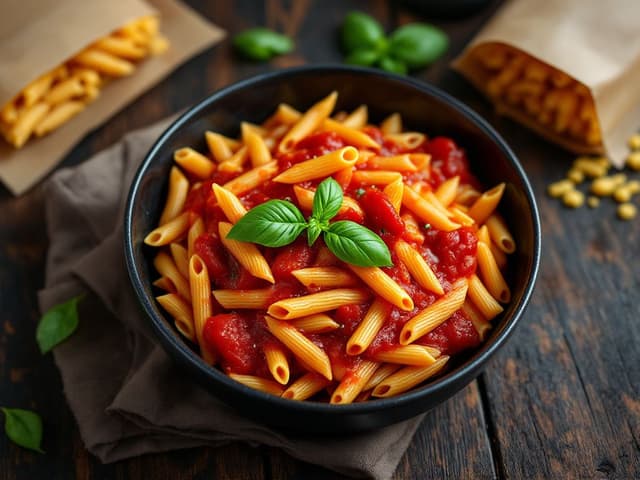
- Cook the penne in boiling salted water according to package directions; reserve ¼ cup pasta water and drain.
- Meanwhile, warm olive oil in a saucepan, add marinara and red‑pepper flakes, and simmer 5 minutes. Stir in shredded chicken and heat through.
- Combine pasta with sauce, adding reserved pasta water if needed for a silky finish. Top with fresh basil and Pecorino before serving.
Prep time: 18 minutes.
Sustainability and Environmental Impact
Barilla and Ronzoni
Barilla and Ronzoni have both moved toward more sustainable sourcing, prioritizing durum wheat from farms practicing crop rotation and reduced pesticide use. Packaging trends show a shift to recyclable cardboard boxes and reduced plastic liners, cutting landfill waste. Choosing high‑protein pasta that delivers more protein per gram can also lessen overall grain consumption, lowering the carbon footprint associated with agricultural production. Consumers can further reduce impact by buying in bulk, reusing containers, and composting cooking water when possible.
Frequently Asked Questions
How many grams of protein are in Barilla ProteinPLUS spaghetti?
Barilla ProteinPLUS spaghetti delivers roughly 12 g of protein per 2‑ounce (dry) serving, making it comparable to a chicken breast in protein content while still providing classic pasta texture.
Is Ronzoni whole‑grain protein penne gluten‑free?
No. Ronzoni’s protein penne is made from durum wheat, so it contains gluten. The added soy protein does not remove the gluten inherent in the wheat base.
Which high‑protein pasta cooks faster, Barilla or Ronzoni?
Barilla ProteinPLUS typically requires 1‑2 minutes longer than regular durum wheat pasta, while Ronzoni’s whole‑grain protein penne often cooks within the standard time frame for whole‑grain pasta. Overall, Ronzoni may be slightly quicker for time‑pressed meals.
Final Verdict
When weighing protein density, texture, and overall versatility, Barilla ProteinPLUS Spaghetti stands out for its robust protein boost and reliable al‑dente finish, making it the top pick for athletes and busy professionals alike. Ronzoni’s whole‑grain option offers a solid plant‑forward alternative with added fiber, but the subtle soy aftertaste may deter some. For most households seeking a balance of nutrition, flavor, and sustainability, Barilla’s high‑protein line delivers the most consistent performance, especially when paired with simple, nutrient‑dense sauces. For a deeper look at whole‑wheat versus regular pasta calming effects, see the Barilla whole wheat vs regular: which pasta calms more? guide.
FoodReveal helps you decode nutrition labels beyond marketing. Available for Android and iOS.