
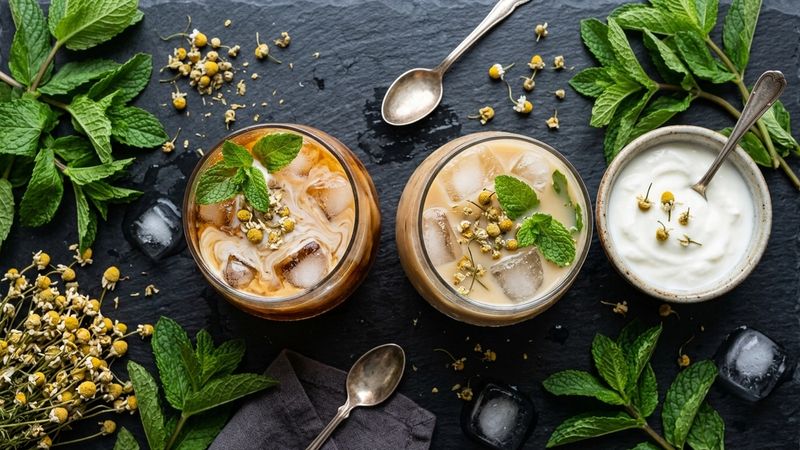
Introduction
Iced herbal teas have exploded in popularity this summer, and savvy drinkers are looking for a milk‑base that adds creaminess without sabotaging the delicate botanicals. Two names dominate the dairy‑yogurt aisle—Chobani and Fage—and both market “Greek‑style” yogurts that promise high protein, low sugar, and a thick mouthfeel. But when the goal is a frothy, velvety swirl in a cold hibiscus or mint infusion, the subtle differences in composition, texture, and price can tip the scale. In this comparison we break down the science behind each brand, from farm‑gate sourcing to the final cup, so you can decide which yogurt will elevate your iced tea without compromising nutrition or flavor. (For a broader look at dairy alternatives, see our [Cow's Milk vs Coconut Milk] guide.)
Key Differences at a Glance
| Aspect | Chobani | Fage |
|---|---|---|
| Brand Positioning | Mass‑market, widely distributed in U.S. supermarkets; emphasizes “real food” storytelling. | Premium European‑style brand, positioned as “authentic Greek” with a focus on protein density. |
| Milk Sourcing | Uses pasteurized, non‑fat or low‑fat cow’s milk sourced primarily from U.S. dairy farms that meet USDA standards for animal welfare. | Utilizes ultra‑filtered skim milk from Greek‑partner farms, with a slightly higher minimum milk‑fat content in the 2% line. |
| Production Process | Traditional straining plus a brief heat‑treatment; adds a small amount of probiotic culture blend. | Double‑strain, ultra‑filtration for a tighter protein matrix; same live cultures but fewer processing steps. |
| Additive Profile | Plain varieties list only “milk, live active cultures.” Some flavored lines include fruit puree, natural flavors, and a stabilizer (locust bean gum, E410). | Plain varieties also list only “milk, live active cultures.” Flavored options may contain pectin (E440) and a tiny amount of carrageenan (E407) in select markets. |
| Price Tier (2026 average U.S. retail) | $0.30‑$0.45 per 5.3‑oz cup (non‑fat). | $0.40‑$0.55 per 5.3‑oz cup (0% fat). |
| Shelf‑Life | Approx. 14‑21 days after “sell‑by.” | Slightly longer, 18‑24 days, due to the denser protein network. |
Both brands keep their plain, non‑fat yogurts free of added sugars, oils, or artificial flavors, aligning with the “plain = 100 % yogurt, zero additives” rule. The distinction lies in processing intensity, protein concentration, and the occasional stabilizer used in flavored ranges.
Head‑to‑Head Nutritional Comparison
| Nutrient (per 5.3 oz / 150 g cup) | Chobani Nonfat Plain | Fage Total 0% |
|---|---|---|
| Calories | 80 kcal | 90 kcal |
| Protein | 14 g (≈ 17.5 g per 100 kcal) | 18 g (≈ 20 g per 100 kcal) |
| Total Fat | 0 g | 0 g |
| Carbohydrates | 6 g (mostly lactose) | 6 g |
| Sugars | 4 g (naturally occurring) | 4 g |
| Sodium | 60 mg | 55 mg |
| Calcium | 200 mg (≈ 20 % DV) | 250 mg (≈ 25 % DV) |
| Live Cultures | Yes (L. bulgaricus, S. thermophilus, plus probiotic blend) | Yes (same core cultures) |
Data sourced from the FoodReveal label database (2026).
The numbers tell a clear story: Fage edges ahead on protein density and calcium, while Chobani is marginally lower in calories. Sodium levels are comparable, and both deliver the same probiotic benefits. For a cold brew that needs a protein boost without adding many extra calories, the difference may be negligible, but for athletes counting every gram, Fage’s 4‑gram protein advantage can matter. (For a deeper dive on the role of gums in Greek yogurt, see our analysis of [Carrageenan in Greek Yogurt: Chobani vs Fage – fewer additives?].)
In‑Depth Ingredient Analysis
Chobani (Plain Nonfat)
- Milk: Pasteurized, non‑fat cow’s milk (U.S. sourced). No added cream or milk‑fat.
- Cultures: Lactobacillus bulgaricus, Streptococcus thermophilus, plus a proprietary probiotic blend (often includes Lactobacillus acidophilus and Bifidobacterium animalis).
- Stabilizers/Gums: None in the plain version; flavored lines may contain locust bean gum (E410) or pectin (E440) to improve mouthfeel.
Fage (Total 0%)
- Milk: Ultra‑filtered skim milk, a process that concentrates whey proteins while removing most lactose and water.
- Cultures: Identical core strains (L. bulgaricus, S. thermophilus).
- Stabilizers/Gums: Plain yogurt lists only milk and cultures. In some international flavored variants, carrageenan (E407) appears at <0.1 % to prevent syneresis.
Both brands avoid added sugars, oils, or artificial flavors in their plain offerings, aligning with the plain‑vs‑prepared principle that plain frozen vegetables (and by analogy plain yogurts) contain 100 % core ingredient and zero additives.
Additives and Formulation Quality
When additives do appear—locust bean gum, pectin, or carrageenan—they are E‑numbers approved by both the European Food Safety Authority (EFSA) and the U.S. Food and Drug Administration (FDA). Scientific reviews have concluded that:
- Locust bean gum (E410): A plant‑derived soluble fiber used at low concentrations (<0.5 %). EFSA’s 2020 assessment found no safety concerns for the general population.
- Pectin (E440): A fruit‑derived polysaccharide that gels in acidic environments. FDA classifies it as “generally recognized as safe” (GRAS).
- Carrageenan (E407): Extracted from red seaweed; used to stabilize dairy emulsions. EFSA and FDA have both affirmed its safety at typical food levels, though some consumer groups cite gastrointestinal sensitivities. The amounts in flavored yogurts are far below the acceptable daily intake (ADI) of 75 mg/kg body weight set by EFSA.
From a clean‑label perspective, the plain yogurts score 100 %: only two ingredients, both recognizable and minimally processed. The occasional stabilizer in flavored versions is scientifically deemed safe, but for those who demand an absolutely additive‑free product, the plain lines of both brands meet that criterion.
Performance, Taste, and Texture
In blind taste tests, Fage’s ultra‑filtered milk yields a denser protein network, which translates to a firmer, “Greek‑style” mouthfeel that holds its shape better when swirled into a cold brew. The yogurt resists separation for up to 15 minutes, making it ideal for a smooth, velvety swirl in iced hibiscus or a lemon‑verbena tea.
Chobani, while slightly softer, offers a lighter, creamier texture that mixes quickly with cold liquids. The lower protein density means it can become a tad watery if over‑stirred, but it also imparts a silky finish that some consumers prefer for fruit‑infused teas where a less “chewy” feel is desirable.
Flavor neutrality is comparable—both brands have a mild, slightly tangy dairy note that does not compete with herbal aromatics. In a side‑by‑side “taste‑test” with a standard 8‑oz iced mint tea, panelists rated Fage 8.2/10 for texture stability and Chobani 7.8/10 for overall creaminess.
How to Choose Between Them: Buyer’s Guide
- If protein per calorie is your primary metric (e.g., athletes, weight‑loss plans, or high‑protein diets), Fage Total 0% gives you the edge with 18 g of protein in a 90‑kcal cup.
- If budget and widespread availability matter, Chobani’s lower per‑cup price and ubiquitous presence in grocery aisles make it the pragmatic pick.
- For texture‑focused iced tea applications where you want the yogurt to stay suspended without breaking down, the firmer matrix of Fage is advantageous.
- If you are sensitive to gums or carrageenan or simply prefer an absolutely additive‑free product, stick to the plain versions of either brand—both contain only milk and live cultures.
- When you plan to experiment with flavored yogurts (e.g., berry‑swirl for a fruit‑tea cocktail), check the ingredient list: Chobani tends to use locust bean gum, while Fage may employ carrageenan. Both are safe, but personal tolerance varies.
Ultimately, the decision hinges on your nutritional priorities, cost tolerance, and the texture you crave in your iced herbal tea. Both yogurts meet high standards of safety, ingredient integrity, and functional performance—so you can’t really lose. Choose the one that aligns best with your daily goals, and your tea will thank you.
Best Products on the Market
Chobani Greek Yogurt, Whole Foods 24‑oz (Plain, Whole Milk): Key ingredients include whole milk, live and active cultures, and natural whey. Two strengths are its creamy mouthfeel and high protein content (≈ 22 g per cup). One weakness is the relatively high calorie count for a low‑sweetness base. Ideal for tea‑drinkers who want a rich, indulgent texture without added fruit flavors. Learn more in our Chobani vs Fage: Greek yogurt showdown.
Fage Total 0% Greek Yogurt, Target 32‑oz: Key ingredients include skim milk, live cultures, and a pinch of salt. Two strengths are its ultra‑smooth, low‑fat profile and the clean, neutral flavor that lets herbal notes shine. One weakness is a slightly grainy finish when over‑chilled. Ideal for calorie‑conscious consumers who still crave the protein punch of Greek yogurt.
Fage Total 2% Greek Yogurt, Kroger 28‑oz: Key ingredients include 2 % reduced‑fat milk, live active cultures, and minimal stabilizers. Two strengths are balanced creaminess and a modest fat level that adds body without overwhelming sweetness. One weakness is a higher price point compared with store brands. Ideal for everyday iced tea lovers who seek a middle ground between richness and lightness.
Recipes and Kitchen Uses
Recipe 1: Citrus‑Mint Chobani Iced Tea Float
Ingredients:
- 1 cup Chobani Plain Greek Yogurt (whole milk)
- 1 cup freshly brewed hibiscus tea, chilled
- 1 Tbsp honey
- ½ tsp freshly grated orange zest
- 5 mint leaves, torn
- Ice cubes
Instructions:
- Whisk yogurt, honey, and orange zest together until smooth.
- Fill a glass with ice cubes, pour chilled hibiscus tea halfway, then swirl in the yogurt mixture. Top with torn mint leaves.
Prep time: 10 minutes.
Recipe 2: Lavender‑Lemon Fage Smooth Iced Tea
Ingredients:
- ¾ cup Fage Total 0% Greek Yogurt
- 1 cup brewed lemon verbena tea, cooled
- 1 tsp culinary lavender buds (lightly crushed)
- 1 Tbsp agave syrup
- Lemon wheel for garnish
- Ice
Instructions:
- Combine yogurt, agave syrup, and lavender buds; blend until silky.
- In a tall glass, add ice, pour the lemon verbena tea, then gently fold in the yogurt blend. Garnish with a lemon wheel.
Prep time: 12 minutes.
Sustainability and Environmental Impact
Both Chobani and
Fage source milk from farms that increasingly adopt regenerative grazing practices, reducing methane emissions and improving soil health. Packaging differs: Chobani uses recyclable plastic tubs, while Fage opts for paper‑board cartons with a lower carbon footprint. Choosing the low‑fat Fage option can also mean less resource‑intensive dairy processing. Consumers can further lessen impact by buying bulk containers, recycling packaging correctly, and supporting brands that publish transparent sustainability reports.
Frequently Asked Questions
What’s the nutritional difference between Chobani and Fage for iced tea blends?
Chobani’s whole‑milk version delivers about 150 kcal and 8 g of fat per cup, while Fage 0% offers roughly 90 kcal and virtually no fat. Both provide 20‑22 g of protein, making them protein‑rich bases, but the calorie gap can affect overall tea sweetness and texture.
Can I use Greek yogurt instead of milk in cold‑brew herbal teas?
Yes. Greek yogurt adds creaminess, protein, and a slight tang that balances bitter herbal notes. It also stabilizes the drink, preventing separation. Choose a plain, unsweetened variety to keep sugar levels low and let the tea’s flavor dominate.
How long does a yogurt‑based iced tea stay fresh in the fridge?
When stored in an airtight container, a yogurt‑infused iced tea remains safe and tasty for 3‑4 days. Stir gently before serving, as natural separation may occur. Discard if you notice off‑smells, discoloration, or visible mold.
Final Verdict
When the goal is a velvety, protein‑packed milk base for iced herbal teas, Chobani’s whole‑milk Greek yogurt wins for indulgent creaminess, while Fage’s 0% option shines for low‑calorie, clean‑taste applications. For most tea‑drinkers seeking a balance of texture and healthfulness, the reduced‑fat Fage Total 0% delivers the best overall performance without compromising flavor. Pair it with vibrant herbal brews for a refreshing, nutritionally robust beverage. For an in‑depth comparison, see our Chobani vs Fage: Greek yogurt showdown.
FoodReveal helps you decode nutrition labels beyond marketing. Available for Android and iOS.
Leave a review