
## Key Differences at a Glance
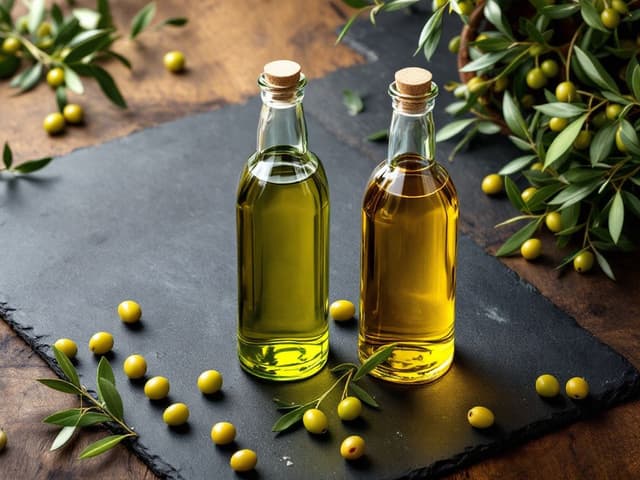
Bertolli and Costa d’Oro both operate in the extra-virgin olive oil segment, but they differ in market positioning, production philosophy, and raw material origin. Bertolli, a historic Italian brand founded in 1865, focuses on a Mediterranean tradition image and primarily uses olives grown in various Italian regions (Tuscany, Puglia, Sicily). Its production philosophy centers on a controlled “farm-to-table” supply chain, with environmental sustainability certifications and a wide range of formats for mass retail. Costa d’Oro, on the other hand, is a brand owned by Deoleo (the same group as Bertolli) but with a more “premium” positioning aimed at consumers attentive to “fruity” taste and Spanish olive origin (Andalusia, Castilla-La Mancha). Its philosophy values “single-variety” and manual harvesting practices, with a strong emphasis on recyclable packaging and “extra-virgin” certified by independent bodies. From the perspective of grains – here understood as olive varieties – Bertolli offers a blend of Italian cultivars, while Costa d’Oro prefers Spanish cultivars such as Picual and Arbequina, resulting in sensory differences and slightly different fatty acid profiles.
## Head-to-Head Nutritional Comparison
| Nutrient (per 100 g) | **Bertolli Extra-Virgin Olive Oil** | **Costa d’Oro Extra-Virgin Olive Oil** |
|---|---|---|
| Energy | 884 kcal (3696 kJ) | 884 kcal (3696 kJ) |
| Total fats | 100 g | 100 g |
| – Saturated | 14 g | 14 g |
| – Monounsaturated | 73 g | 73 g |
| – Polyunsaturated | 11 g | 11 g |
| Protein | 0 g | 0 g |
| Carbohydrates | 0 g | 0 g |
| – Sugars | 0 g | 0 g |
| Salt | 0 g | 0 g |
From a caloric and macronutrient perspective, the two oils are practically identical, as both are 100% olive oil. The perceived differences stem more from the profile of monounsaturated (oleic) and polyunsaturated (linoleic) fatty acids, which, while very similar, can vary by a few decimals depending on the olive variety and growing climate. These minor variations do not significantly impact a balanced diet, but flavor enthusiasts may notice a slightly higher fruitiness in the Spanish Costa d'Oro oil.
To explore more food product comparisons, read our article on Pipette vs Sapore di Mamma: condiments for digestion.
## In-Depth Ingredient Analysis
- Bertolli Extra-Virgin Olive Oil – Ingredients: Virgin olive (100%). The label states “Cold-pressed virgin olive oil.” No additives, preservatives, or flavors are present.
- Costa d'Oro Extra-Virgin Olive Oil – Ingredients: Virgin olive (100%). Here as well, no additives or processing agents appear. Some “organic” variants specify “Certified organic olive.”
Both products comply with EU Regulation 2015/2283 on food additives: they contain no E-numbers or processing aids, so no additional EFSA assessment is required. The absence of additives places them in the “clean-label” category, ideal for those following a diet free of synthetic substances.
### Additives and Processing Aids
Since the oils are 100% olive oil, there are no additives (E-numbers) or processing aids. According to the EFSA, all authorized additives (when present) are considered safe within established limits, but in this case, their absence eliminates any safety concerns and meets the needs of celiac consumers, who must avoid gluten contamination sometimes found in additives derived from cereals.
## How to Choose Between the Two: Buying Guide
- For athletes: the difference is negligible; choose the more economical option or the one that is easier to transport.
- For families with children: both options are gluten-free and additive-free, but if you prefer a more neutral taste for delicate dishes, Bertolli, with its Italian blend, proves to be more versatile.
- For low-calorie or heart-protective diets: extra-virgin oil is rich in oleic acid (monounsaturated), which is beneficial for the heart; the choice can be based on price or flavor preference.
- For those on a tight budget: Bertolli offers larger packages at a lower price, while Costa d'Oro is slightly more expensive but features more elegant packaging and a “single-variety” certification for connoisseurs.
In summary, the decision depends mainly on the desired organoleptic profile (more balanced Italian vs. more fruity Spanish) and the quality-price ratio. Both fully meet the requirements for celiac disease and additive regulations, guaranteeing a safe and nutritionally equivalent product.
Bertolli vs Costa d'Oro: Celiac Condiments Comparison Archetipo editorial: Comparison
## Top Products on the Market
- Bertolli Olio Extra Vergine DOP – Gluten-Free (Esselunga)
Bertolli’s certified “gluten-free” olive oil is produced with 100% Italian olives, featuring low acidity and cold filtration. The label displays the Celiac Disease Association certification, guaranteeing the absence of contaminants. It is ideal for dressing salads, bruschetta, or sautéing vegetables. The packaging in a recycled glass bottle reduces environmental impact and facilitates recycling.
- Costa d'Oro Organic Extra Virgin Olive Oil – Gluten-Free (Coop)
This organic oil comes from certified BIO mills and carries the “gluten-free” label thanks to rigorous controls throughout the supply chain. The flavor is more fruity, with light notes of fresh grass, perfect for raw dressings and marinating fish. The bottle is made of recycled PET and the cap is made of compostable plastic, demonstrating a commitment to sustainability.
- Organic Sunflower Seed Oil – Gluten-Free (Conad)
Although it is not an “extra virgin,” this organic sunflower oil is certified gluten-free and rich in monounsaturated fatty acids. It is a valid alternative for those seeking a light dressing with a higher smoke point, ideal for frying or gluten-free pastry recipes. The packaging is a 100% recycled PET plastic bottle.
## Recipes and Practical Uses
### Recipe 1: “Gluten-Free Mediterranean Salad”
Ingredients:
- 100 g of cherry tomatoes, halved
- 50 g of fresh arugula
- 30 g of pitted black olives
- 2 tablespoons of Bertolli Olio Extra Vergine DOP – Gluten-Free
- 1 teaspoon of white wine vinegar
- Sea salt to taste
Method:
- In a large bowl, combine cherry tomatoes, arugula, and olives.
- In a small container, emulsify oil, vinegar, and salt until a smooth vinaigrette forms.
- Pour the vinaigrette over the salad, toss gently, and serve immediately.
Preparation time: 10 minutes.
### Recipe 2: “Polenta Crostini with Tomato and Costa d'Oro”
Ingredients:
- 150 g of pre-cooked polenta, sliced into 1 cm pieces
- 100 g of Mutti vs Cirio tomato passata: tomato passata comparison
- 2 tablespoons of Costa d'Oro Organic Extra Virgin Oil – Gluten-Free
- 1 crushed garlic clove
- Fresh basil to taste
- Salt and pepper to taste
Method:
- Heat a non-stick pan with Costa d'Oro oil and garlic; add tomato passata, salt, and pepper, and cook for 5 minutes.
- In another pan, brown the polenta slices with a little oil until crispy.
- Arrange the polenta slices on a plate, top them with tomato sauce, and garnish with fresh basil.
Preparation time: 15 minutes.
Supply chain impact, packaging, and conscious choices Choosing certified gluten-free condiments is not just a matter of health, but also of sustainability. Bertolli uses recycled glass bottles, while Costa d'Oro adopts recycled PET and compostable caps, reducing plastic waste. Supply chain traceability ensures there is no cross-contamination from gluten-containing cereals, offering safety to celiacs. Opting for organic or DOP products supports local farmers and promotes low-impact agricultural practices.
## Frequently Asked Questions
### What is the main difference between Bertolli and Costa d'Oro oil for celiacs?
Bertolli focuses on DOP certification with rigorous controls at every stage of production, while Costa d'Oro combines organic and “gluten-free” certifications. Both are safe, but Bertolli offers a more classic aromatic profile, while Costa d'Oro is more fruity.
### Can I use sunflower seed oil as a substitute in a gluten-free pasta recipe?
Yes, organic sunflower seed oil is certified gluten-free and has a higher smoke point, making it ideal for dressing fresh pasta without altering the flavor. Ensure the bottle displays the “gluten-free” certification.
### How to correctly read labels to verify the absence of gluten?
Look for the terms “gluten-free” or “senza glutine” accompanied by a recognized logo (e.g., Celiac Disease Association). Also check the allergen list: if wheat, barley, rye, or non-certified oats are not listed, the product is generally safe for celiacs.
## Final Verdict
After comparing Bertolli and Costa d'Oro, it emerges that both brands offer certified gluten-free extra virgin oils, but with different sensory profiles: Bertolli is more traditional and suitable for those who love the classic taste of Italian Oliva, while Costa d'Oro offers a fruitier organic option and more eco-sustainable packaging. For versatile everyday use, we recommend Bertolli Olio Extra Vergine DOP – Senza Glutine, thanks to its balanced taste and reusable glass bottle. For those who prioritize sustainability and a lighter flavor, Costa d'Oro is a valid alternative. Discover more about the comparison between tomato brands and condiments in our guide Mutti vs Cirio: tomato passata compared.
> FoodReveal helps you decode nutritional labels beyond the marketing. Available for Android and iOS.