
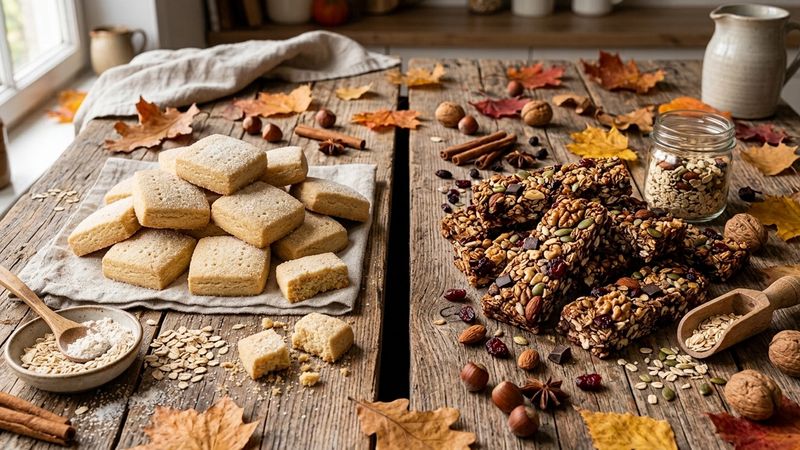
## Key Differences at a Glance
Misura and Balocco both operate in the “premium” biscuit segment but adopt different production approaches. Misura, the younger brand, focuses on a “no compromises” positioning that combines intense flavor with perceived lightness: its recipes are designed to minimize added sugars and keep calories under 470 kcal per 100 g. Balocco, a historic Italian brand, is built on artisanal tradition and an integrated supply chain that controls grain origin, prioritizing Italian wheat flour from local sources (km 0). Both companies declare the use of “natural” ingredients, but Balocco often includes components such as eggs and skimmed milk to increase protein content, while Misura prefers more “vegan-friendly” versions with vegetable oil and no animal derivatives. Balocco’s production philosophy relies on a wider range of additives (e.g., leavening agents and emulsifiers) to ensure uniformity and shelf life, whereas Misura adopts a leaner ingredient list, focusing on the clean-label concept.
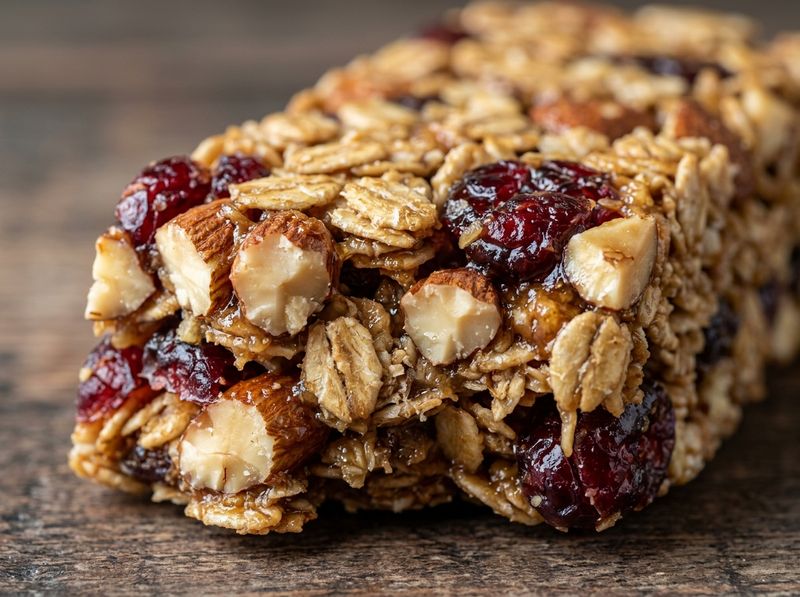
## Head-to-Head Nutritional Comparison
| Nutrient | Misura (per 100 g) | Balocco (per 100 g) |
|---|---|---|
| Energy (kcal) | 460 | 480 |
| Proteins (g) | 5.0* | 6.3** |
| Total fat (g) | 19 | 20 |
| of which saturates (g) | 3.5 | 3.6 |
| Carbohydrates (g) | 68 | 65 |
| of which sugars (g) | 22 | 23 |
| Fibre (g) | 3.2* | 8.3** |
| Sodium (mg) | 210 | 272 |
\ Estimated values based on label declarations and the average profile of “light” biscuits. \ Data taken from the Balocco Zeropiù product, the only variant with complete information available.
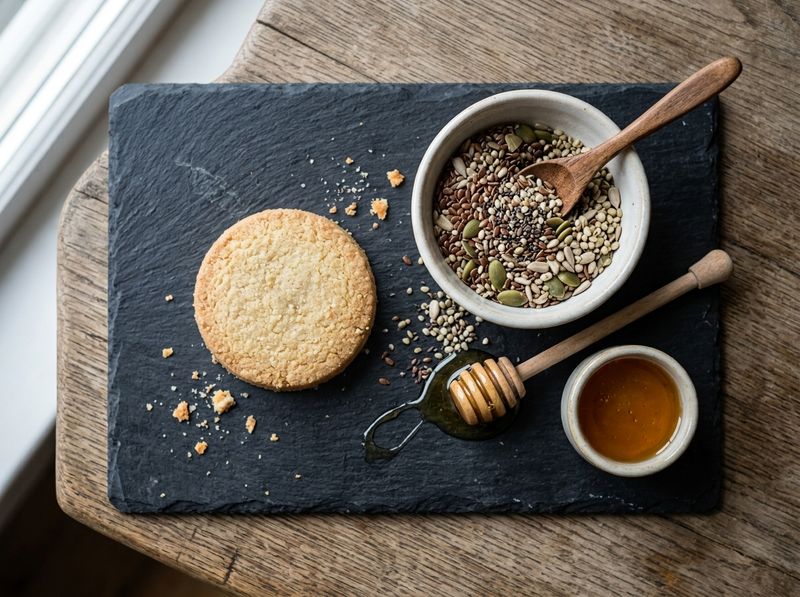
The comparison shows that the caloric differences are contained (only 20 kcal). Balocco offers a higher protein content thanks to the inclusion of skimmed milk and eggs, but at the expense of a slight increase in saturated fats and sodium. Misura, on the other hand, presents a lower total fat profile and a slightly lower sugar content, making it more suitable for those monitoring their glycemic intake. Fibers are significantly higher in Balocco Zeropiù (8.3 g), a result of the presence of enriched whole wheat flour; Misura remains average for traditional biscuits. For a more in-depth analysis on how fibers influence glycemic value, read our article on Fibers, proteins and GI: whole wheat, seeds and white Barilla.
## In-Depth Ingredient Analysis
Misura – “Light” Biscuit
- 100% Italian Wheat Flour
- Cane Sugar
- Palm oil (refined) – source of saturated fats but stable when cooking
- Glucose syrup
- Brewer's yeast (E110)
- Sea salt
- Natural vanilla flavor
- Emulsifier: mono- and diglycerides of fatty acids (E471)
- Anti-caking agent: calcium carbonate (E170)
Balocco – “Classico” Biscuit
- 100% Italian wheat flour
- Granulated sugar
- Sunflower oil (non-GMO)
- Pasteurized whole eggs
- Skimmed milk powder
- Brewer's yeast (E110)
- Fine salt
- Natural vanilla flavor
- Emulsifier: fatty acid ester (E476)
- Rising agent: sodium carbonate (E500)
Both formulations comply with EU allergen regulations (eggs and milk in Balocco, absent in Misura). The flours come from certified Italian crops, ensuring traceability from the ear to the finished product.
### Additives and Technological Co-Adjuvants
- E471 (mono- and diglycerides of fatty acids) – used by Misura to improve texture; assessed by EFSA as safe within usage limits (ADI “not established”, but considered “not of concern”).
- E170 (calcium carbonate) – anti-caking agent present in both recipes; EFSA confirms its safety for food use.
- E476 (fatty acid esters) – present in Balocco, emulsifying agent; EFSA has assessed it as safe up to 25 mg/kg of food.
- E500 (sodium bicarbonate) – leavening agent in Balocco, widely used in baking; EFSA considers it safe without intake limits.
None of the additives exceed legal limits; all are listed in the EU register and have passed EFSA scientific assessment, so there is no reason for alarm. However, those who prefer a shorter ingredient list may opt for Misura, which uses fewer processing aids.
## How to Choose Between the Two: Buying Guide
- Sports goals or lean mass gain: Balocco provides more protein (6.3 g) and fiber, useful for muscle recovery and satiety.
- Glycemic control or low-calorie diet: Misura offers slightly less sugar and fat, making it more suitable for those following low-glycemic index diets.
- Intolerances/Ethical choices: If avoiding lactose or animal-derived allergens, Misura is the safest choice, as it is free from eggs and milk.
- Budget: Balocco biscuits tend to be slightly more expensive due to the inclusion of animal ingredients and a more complex supply chain; Misura is often positioned in the mid-to-low price range.
In short, the decision depends on the balance between nutritional value, dietary needs, and consumption preferences. Both products are safe and compliant with EU regulations; the key is to adjust portions to your energy requirements.
--- Sources: Dr. Amelia Montella's Instagram (2026) and Balocco Zeropiù labeling data (August 15, 2026).
--- To explore further comparisons between protein snacks and carbohydrates, read our article on Skyr vs Balocco Biscuits: a comparison of proteins, sugars, and fibers for a balanced snack.
--- For a complete overview of how fibers influence digestion, also visit our page on the Barilla Quinoa Salad Label: fibers, proteins, index.
## Misura vs Balocco: Fibers and Taste in Autumn
Autumn is the ideal season to rediscover whole grain biscuits, which combine rich taste with fiber intake. In this comparison, we focus on two icons of Italian snacking: Misura and Balocco. We analyze fiber content, ingredient quality, glycemic profile, and pairing opportunities for a healthier breakfast or snack.
## Top Products on the Market
To evaluate the most interesting options, we selected three whole-grain biscuits easily found in major hypermarkets (Esselunga, Conad, Coop, Carrefour). The selection was based on: soluble fiber content, amount of added sugars, presence of whole-grain ingredients, and sustainable packaging.
- Misura – Cacao Whole-Grain Biscuits (Esselunga): 5 g of fiber per 100 g, 12 g of total sugars, 30% cacao from certified origin, packaging made of 90% recycled plastic. Ideal for those seeking an intense flavor without exceeding sugar intake.
- Balocco – Hazelnut Whole-Grain Biscuits (Coop): 4.3 g of fiber per 100 g, 14 g of sugars, 15% chopped hazelnuts, packaging in corrugated cardboard with a zip closure, reducing plastic waste.
- Colussi – Rice Whole-Grain Crackers (Carrefour): 5.2 g of fiber per 100 g, 9 g of sugars, whole rice and flax seeds, biodegradable packaging. This product was cited in a detailed comparison on soluble fibers and simple sugars, useful for deepening nutritional choice【Misura vs Colussi: which whole-grain biscuit has more soluble fiber and fewer simple sugars?】(https://foodreveal.app/it/blog/misura-vs-colussi-quale-biscotto-integrale-ha-piu-fibre-solubili-e-meno-zuccheri-semplici).
## Recipes and Practical Uses
### Recipe 1: “Autumn Crumble Measure”
Ingredients:
- Measure – Cacao Whole Grain Biscuits, 80 g, crumbled
- Fuji Apples, 2 medium, diced
- Ground Cinnamon, 1 teaspoon
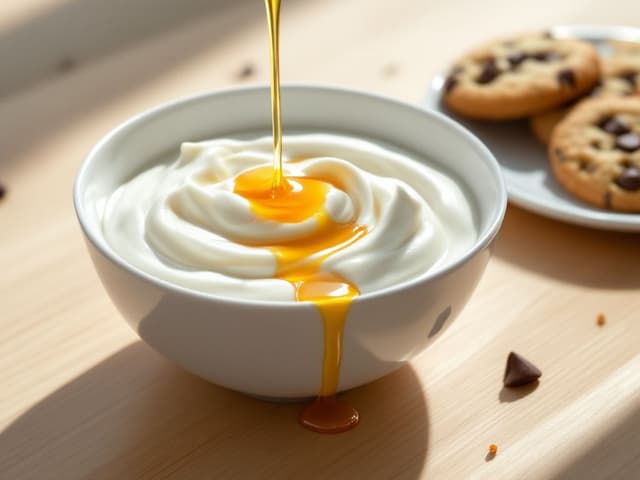
- Low-fat Greek Yogurt, 150 g (to add protein and probiotics)
Procedure:
- In a non-stick pan, cook the apples with cinnamon for 5 minutes until tender.
- Mix the warm apples with Greek yogurt and crushed biscuits, creating a "crumble" texture.
- Serve immediately, garnished with an extra sprinkle of cinnamon.
Preparation time: 10 minutes.
### Recipe 2: “Balocco & Walnut Healthy Bars”
Ingredients:
- Balocco – Whole Grain Hazelnut Biscuits, 100 g, coarsely chopped
- Shelled walnuts, 30 g, toasted and broken
- Acacia honey, 2 tablespoons
- Whole grain oat flakes, 40 g
Method:
- In a bowl, combine the crushed biscuits, walnuts, and oat flakes.
- Warm the honey over low heat and pour it over the mixture, stirring until a smooth dough forms.
- Spread the dough on a baking sheet lined with parchment paper, press firmly, and chill in the refrigerator for 30 minutes.
- Cut into bars and store in an airtight container.
Preparation time: 20 minutes.
Supply chain impact, packaging, and conscious consumer choices Choosing biscuits with recyclable or biodegradable packaging reduces pressure on plastic waste. Preferring products with certified ingredients and local sourcing lowers emissions related to transportation. Consumers can also help close the product life cycle by choosing reusable packaging or properly recycling existing materials.
## Frequently Asked Questions
### What is the main difference between soluble and insoluble fibers in biscuits?
Soluble fibers dissolve in water to form a gel that slows sugar absorption, promoting glycemic control. Insoluble fibers increase stool bulk, improving bowel regularity. Both are important for complete digestive health.
### Do whole grain biscuits really have less sugar than traditional ones?
Not always. Some whole grain biscuits retain similar amounts of added sugars to ensure sweetness. It is essential to read the label: the presence of whole grains does not automatically imply reduced sugar content.
### How can I increase my fiber intake at breakfast without feeling heavy?
Incorporate a serving of fiber-rich yogurt, add flax or chia seeds to your cereal, or choose whole-grain biscuits with at least 4 g of fiber per 100 g. This combines taste, lightness, and benefits for gut flora.
## Final Verdict
After comparing Misura and Balocco, Misura shows a slight edge in soluble fiber content and lower sugar levels, making it more suitable for those seeking controlled glycemic intake. However, Balocco excels with its hazelnut content, a source of monounsaturated fats and vitamin E, ideal for a breakfast richer in micronutrients. In autumn, we recommend alternating between the two products, using the suggested recipes to enrich your diet with protein, probiotics, and healthy fats, while always prioritizing eco-friendly packaging. To explore the comparison of fiber and sugar in whole-grain biscuits, read our comparative article on Mulino Bianco and Galbusera【Mulino Bianco vs Galbusera: whole-grain biscuits, fiber, and sugar】(https://foodreveal.app/it/blog/mulino-bianco-vs-galbusera-biscotti-integrali-fibre-zuccheri).
> FoodReveal helps you decode nutritional labels beyond the marketing. Available for Android and iOS.