


Introduction
Fermented foods have been part of human diets for millennia, yet scientific interest in their impact on the gut microbiome has surged only in the past two decades. Modern research links the consumption of live‑culture foods such as kimchi, kefir, miso, sauerkraut, and kombucha to increased microbial diversity, altered community composition, and downstream effects on metabolism, immunity, and mental health. This article synthesizes current evidence, explains the mechanisms by which fermentation shapes the intestinal ecosystem, and offers practical guidance for incorporating these foods into a balanced diet
How Fermentation Generates Probiotic Rich Foods
The Microbial Process
Fermentation is a metabolic partnership between microorganisms—typically lactic‑acid bacteria (LAB), yeasts, and sometimes molds—and plant or dairy substrates. During anaerobic or low‑oxygen conditions, microbes convert sugars into acids, alcohols, and carbon dioxide, preserving the food and creating unique flavors. The same microbes that drive preservation often survive the process, arriving in the final product as viable probiotics
Key Genera in Common Ferments
| Food | Dominant Bacterial Genera | Typical Yeast Species |
|---|---|---|
| Kimchi | Leuconostoc, Lactobacillus, Weissella | Saccharomyces spp. |
| Kefir | Lactobacillus, Lactococcus, Acetobacter | Kazachstania spp., Saccharomyces spp. |
| Miso | Tetragenococcus, Lactobacillus (in starter cultures) | Zygosaccharomyces spp. |
| Sauerkraut | Leuconostoc, Lactobacillus, Pediococcus | – |
These taxa are not random; they are selected for acid tolerance, carbohydrate‑utilizing enzymes, and the ability to produce antimicrobial compounds that suppress spoilage organisms while supporting gut colonization
Impact on Gut Microbiome Diversity
Evidence from Human Trials
A controlled feeding study examined the effects of a fermented‑food diet that included yogurt, kefir, kimchi, and fermented vegetables. Participants who consumed larger servings showed a statistically significant rise in overall microbial alpha‑diversity, measured by 16S rRNA sequencing, compared with a control group receiving a non‑fermented diet [5]. The magnitude of the increase correlated with the quantity of fermented foods, suggesting a dose‑response relationship
In a separate trial focusing on kimchi, unpasteurized kimchi consumption was associated with a relative increase in Bacteroides and Prevotella species and a decrease in Blautia—a shift linked to lower body‑fat percentages in the cohort [1]. These taxonomic changes align with broader patterns observed in lean versus obese microbiomes, where higher Bacteroides abundance often corresponds with improved metabolic outcomes
Mechanistic Pathways
- Direct Seeding– Live microbes from fermented foods can transiently colonize the colon, delivering functional genes that enhance carbohydrate breakdown and short‑chain fatty acid (SCFA) production
- Prebiotic Substrates– Fermentation generates bioactive metabolites (e.g., galactooligosaccharides) that serve as food for resident microbes, fostering cross‑feeding networks
- Modulation of Host Immunity– Certain LAB strains stimulate regulatory T‑cells and strengthen the intestinal barrier, indirectly shaping microbial community structure
Health Outcomes Linked to Fermented‑Food Consumption
Metabolic Health
- Body composition The kimchi study reported a negative correlation between fermented kimchi intake and body‑fat mass, possibly mediated by the rise in Bacteroides and Prevotella [1]
- Insulin sensitivity Regular kefir consumption has been shown to improve post‑prandial glucose responses, likely through enhanced SCFA production and reduced systemic inflammation
Gastrointestinal Function
Patients with irritable bowel syndrome (IBS) who consumed pasteurized versus unpasteurized sauerkraut demonstrated significant symptom improvement only in the unpasteurized group, underscoring the importance of live cultures for therapeutic benefit [1]
Immune Modulation
Probiotic strains from fermented foods can increase the production of anti‑inflammatory cytokines (IL‑10) while dampening pro‑inflammatory markers (TNF‑α). This immunomodulatory effect contributes to reduced incidence of respiratory infections and may influence autoimmune disease trajectories
Mental Health
The gut‑brain axis is sensitive to microbial metabolites such as gamma‑aminobutyric acid (GABA) and tryptophan derivatives. Certain kefir‑derived Lactobacillus strains synthesize GABA, offering a plausible route for mood‑enhancing effects, though human trials remain limited
Practical Recommendations for Incorporating Fermented Foods
Portion Sizes and Frequency
- Kimchi½ cup (≈75 g) per day, providing ~10⁸ CFU of LAB
- Kefir 1 cup (≈240 mL) daily, delivering 10⁹–10¹⁰ CFU
- Miso 1–2 teaspoons (≈5–10 g) in soups or dressings, contributing modest probiotic counts but rich in bioactive peptides
- Sauerkraut¼ cup (≈35 g) per day, similar microbial load to kimchi
Increasing serving size proportionally boosts microbial diversity, as demonstrated in the fermented‑food diet study [5]
Selecting High‑Quality Products
- Live‑culture label Choose items that state “contains live and active cultures” and avoid those that are heat‑treated after fermentation
- Minimal additives Look for products free of artificial preservatives, excessive salt, or added sugars, which can diminish probiotic viability
- Storage Refrigerated fermented foods retain higher viable counts; room‑temperature products like kombucha should be consumed promptly after opening
Culinary Tips
- Add kimchi as a topping for rice bowls, tacos, or scrambled eggs
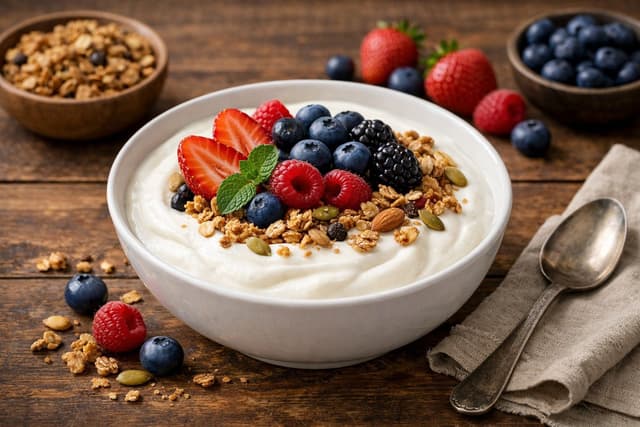
- Blend kefir into smoothies with berries and leafy greens for a nutrient‑dense breakfast
- Use miso paste to flavor soups, marinades, or dressings; dissolve in warm (not boiling) liquid to preserve enzymes
- Incorporate sauerkraut into sandwiches, salads, or as a side dish with roasted meats
Potential Risks and Contraindications
While fermented foods are generally safe, certain populations should exercise caution
- Immunocompromised individuals may be vulnerable to opportunistic infections from rare pathogenic strains; low‑salt, low‑acid preparations pose higher risk
- Histamine‑sensitive persons can experience reactions to fermented products rich in biogenic amines
- Excess sodium in traditional kimchi and sauerkraut can exacerbate hypertension; opting for reduced‑salt versions mitigates this concern
Future Directions in Research
Current gaps include long‑term randomized controlled trials that isolate individual fermented foods versus composite diets, and mechanistic studies linking specific microbial strains to clinical endpoints. Metagenomic and metabolomic profiling will likely reveal strain‑level interactions that explain inter‑individual variability in response
Conclusion
Fermented foods such as kimchi, kefir, miso, and sauerkraut constitute a practical, nutrient‑dense strategy for enhancing gut microbiome diversity and promoting metabolic, gastrointestinal, and immune health. The evidence underscores a dose‑dependent relationship: larger, regular servings of live‑culture products yield more robust microbial shifts and associated health benefits. By selecting high‑quality, minimally processed options and integrating them into daily meals, individuals can harness the symbiotic power of fermentation to support overall well‑being
Quick Reference Table
| Food | Typical Serving | Approx. Live‑Culture Count (CFU) | Key Health Benefits |
|---|---|---|---|
| Kimchi | ½ cup (75 g) | 10⁸–10⁹ | ↓ Body fat, ↑ Bacteroides/Prevotella |
| Kefir | 1 cup (240 mL) | 10⁹–10¹⁰ | Improved glucose tolerance, SCFA production |
| Miso | 1–2 tsp (5–10 g) | 10⁶–10⁷ (varies) | Antioxidant peptides, gut‑barrier support |
| Sauerkraut | ¼ cup (35 g) | 10⁸–10⁹ | IBS symptom relief, ↑ microbial diversity |
Key Takeaway Regular consumption of diverse, live‑culture fermented foods is a scientifically supported approach to enrich the gut microbiome, which in turn underpins multiple aspects of human health
🔍 FoodReveal helps you decode nutrition labels beyond marketing. Available for Android and iOS.