

Greek yogurt has become a pantry staple for Americans looking for a high‑protein, low‑sugar snack that also delivers a creamy mouthfeel. Two brands dominate the shelves Chobani the New‑York‑based disruptor that turned strained yogurt into a cultural phenomenon, and Fage the Greek‑origin classic known for its thick, "almost whipped" texture. In this showdown we’ll dissect flavor, texture, nutrition, ingredient integrity, price, and versatility in the kitchen, so you can decide which tub deserves a permanent spot in your fridge
Brand Background
Chobani
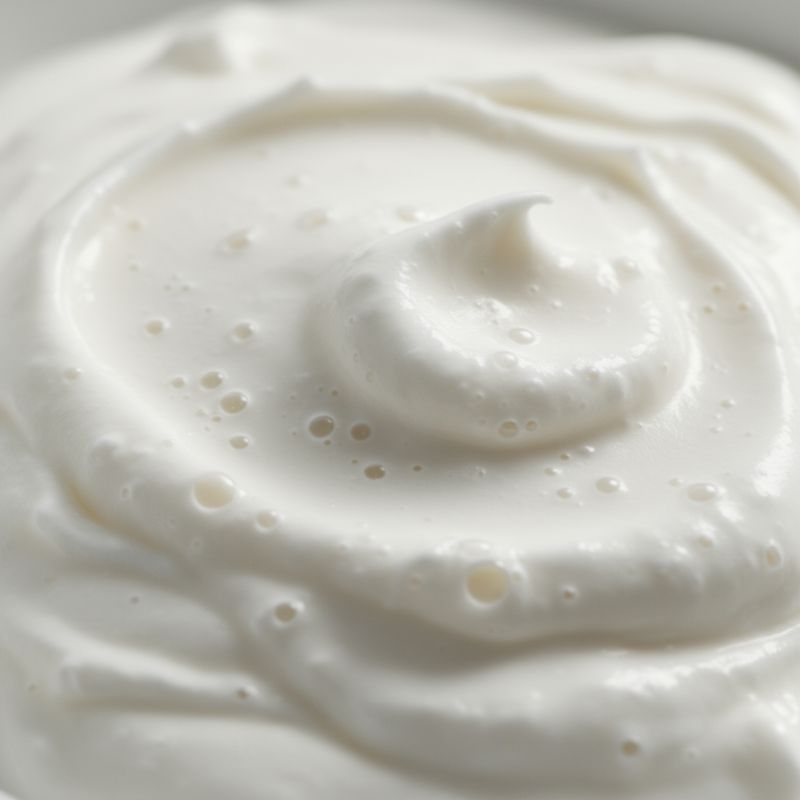
Founded in 2005 by Hamdi Ulukaya, Chobani introduced the U.S. market to Greek‑style yogurt with a modern twist: a wide range of flavors, a focus on clean‑label branding, and aggressive distribution that landed the product in every major grocery chain. The brand’s tagline, "Love the simple stuff," reflects its commitment to minimal, recognizable ingredients—usually just milk, live cultures, and a touch of natural sweetener for flavored varieties
Fage
Fage (pronounced "FAH‑yeh") hails from Athens and has been producing strained yogurt since 1926. The company’s Total line—available in 0%, 2%, and 5% milk‑fat options—has long been praised by chefs and nutritionists for its dense, custard‑like consistency. Fage’s branding leans heavily on heritage and purity, emphasizing that its products contain only milk and live active cultures
Nutrition Deep‑Dive
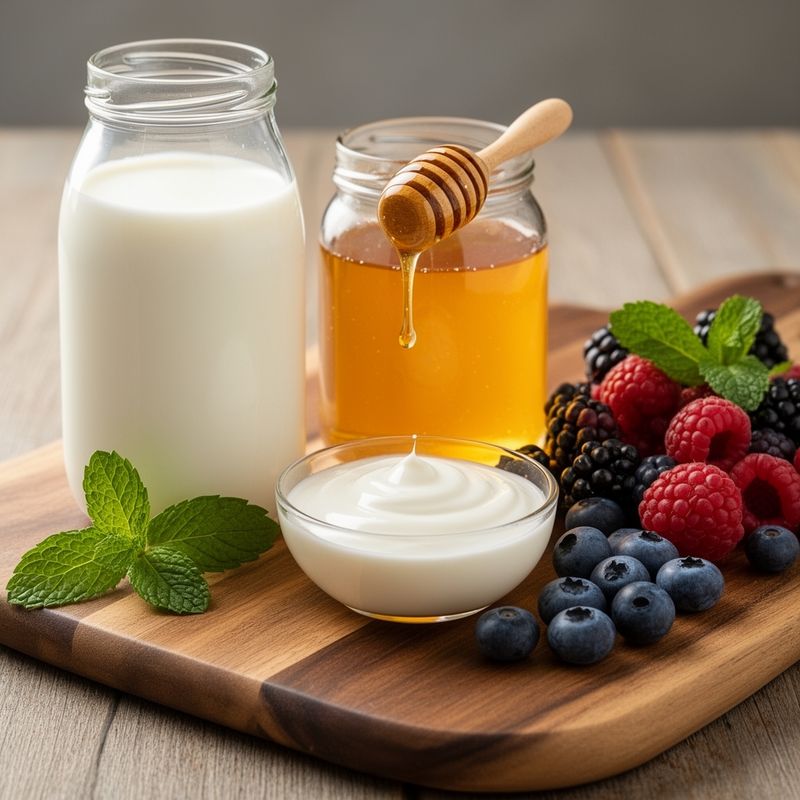
When it comes to macro‑nutrient profiles, both brands excel, but the details matter for specific dietary goals. Below is a side‑by‑side comparison of the most common variants you’ll find in a U.S. grocery aisle (values are per 100 g, roughly 3.5 oz)
| Feature | Chobani Non‑Fat Plain | Fage 2% Total |
|---|---|---|
| Calories | 59 kcal (250 kJ) | 97 kcal (410 kJ) |
| Protein | 10 g | 9 g |
| Total Fat | 0 g | 2 g (mostly saturated) |
| Carbohydrates | 4 g (incl. 3 g sugar) | 5 g (incl. 4 g sugar) |
| Calcium | 110 mg (11% DV) | 150 mg (15% DV) |
| Sodium | 45 mg | 55 mg |
| Ingredients | Cultured Grade‑A skim milk, live cultures | Pasteurized 2% milk, live cultures |
Key takeaways
- Protein Chobani edges out Fage by a gram, making it a slightly better choice for muscle‑building diets
- Fat Fage’s 2% version offers a modest amount of dairy fat, which can improve satiety and aid absorption of fat‑soluble vitamins
- Sugar Both are low‑sugar, but the natural lactose content is similar. Flavored versions often add extra sugar; always check the label
- Calcium Fage provides a bit more calcium per serving, beneficial for bone health
For those tracking macros, the non‑fat Chobani is the clear low‑calorie leader, while Fage’s 2% delivers a richer mouthfeel with only a modest calorie increase
Ingredient Integrity & Clean‑Label Score
A healthy Greek yogurt should have minimal ingredients—ideally just milk and live cultures. According to the Healthiest Greek Yogurts guide, products with added thickeners, artificial sweeteners, or fruit concentrates rank lower on the clean‑label scale
- Chobani The plain version meets the clean‑label criteria. Some flavored lines include fruit puree, honey, or Zero Added Sugar blends that use stevia or monk fruit. These are still considered natural, but they add an extra step for label‑savvy shoppers
- Fage The Total line stays true to the two‑ingredient philosophy across all fat levels. No gums, no stabilizers—just milk and cultures. This makes Fage a favorite among nutritionists who prioritize ingredient simplicity
If you’re looking for the purest product, Fage wins by default. However, Chobani’s transparent labeling and commitment to non‑GMO, hormone‑free milk keep it competitive
Taste & Texture Test
Mouthfeel
- Chobani Non‑Fat Light, smooth, and slightly grainy due to the absence of fat. It holds up well when mixed with fruit or granola but can feel a bit “watery” on its own
- Fage 2% Thick, velvety, and almost whipped—the texture that many chefs describe as “custard‑like.” The modest fat content creates a richer body that stays stable even when stirred
Flavor Profile
- Plain Both are mildly tangy, but Fage’s tang is more pronounced, a hallmark of traditional Greek straining. Chobani’s flavor is milder, making it a versatile base for sweet or savory pairings
- Flavored Varieties Chobani offers a rotating lineup— Fino Lemon, Wild Blueberry, Coffee—often with less sugar claims. Fage’s flavored range is narrower (mainly fruit blends) and tends to contain more added sugar to balance the natural tartness
Verdict
For smoothness lovers and those who enjoy a richer taste Fage 2% is the champion. If you prefer a lighter base that adapts easily to mix‑ins Chobani takes the lead
Price & Availability
| Store | Chobani 5.3 oz (150 g) | Fage 5.3 oz (150 g) |
|---|---|---|
| Walmart | $0.99 – $1.29 | $1.49 – $1.79 |
| Target | $1.09 – $1.39 | $1.59 – $1.89 |
| Whole Foods 365 | $1.49 – $1.79 | $2.09 – $2.39 |
| Amazon (2‑pack) | $2.40 | $3.20 |
Chobani generally undercuts Fage by about$0.50 per tub making it a budget‑friendly option for families buying in bulk. Fage’s premium positioning reflects its heritage and thicker texture, but the price gap isn’t huge—especially when you factor in the occasional sales at major retailers
Culinary Versatility
Greek yogurt is more than a snack; it’s a culinary workhorse Below are three quick recipes that showcase each brand’s strengths
Raspberry Swirl Breakfast Bowl (Chobani)
Ingredients (serves 1)
- 1 cup (8 oz / 225 g) Chobani Non‑Fat Plain
- ½ cup fresh raspberries, mashed
- 1 Tbsp honey (optional)
- ¼ cup granola (low‑sugar)
- Sprinkle of chia seeds
Directions
- Spoon the yogurt into a bowl
- Swirl the mashed raspberries through the yogurt for a marbled effect
- Drizzle honey, top with granola and chia seeds
- Enjoy immediately for a protein‑packed start
Why Chobani? Its lighter texture blends effortlessly with fruit, creating a silky breakfast without feeling heavy
Creamy Tzatziki Dip (Fage)
Ingredients (serves 4)
- 1 cup (8 oz / 225 g) Fage 2% Total
- ½ cucumber, grated and excess water squeezed out
- 2 Tbsp extra‑virgin olive oil
- 1 Tbsp lemon juice
- 1 clove garlic, minced
- 2 Tbsp fresh dill, chopped
- Salt & pepper to taste
Directions
- Combine all ingredients in a bowl; stir until smooth
- Chill for at least 30 minutes to let flavors meld
- Serve with pita chips or raw veggies
Why Fage? The fat content gives the dip a luxurious creaminess that mimics traditional Greek tzatziki
Protein‑Rich Smoothie (Both Brands)
Blend ½ cup (4 oz / 115 g) of either yogurt with a frozen banana, a scoop of vanilla whey protein, a handful of spinach, and ½ cup almond milk. The result is a balanced post‑workout shake with≈20 g protein
Health Perspectives
Probiotic Power
Both Chobani and Fage contain live active cultures—primarily Lactobacillus bulgaricus and Streptococcus thermophilus. These bacteria support gut health, enhance nutrient absorption, and may improve immune function. For a deeper dive on gut benefits, see our article on Fermented foods: kimchi, kefir, miso & gut microbiome
Blood Sugar Control
Greek yogurt’s high protein and low carbohydrate profile make it a low‑glycemic snack. Pairing it with fiber‑rich fruit or nuts can further blunt glucose spikes—a strategy discussed in Low Glycemic Diet: 5 Practical Tips to Stabilize Blood Sugar
Satiety & Weight Management
The combination of protein and (in the case of Fage) modest fat promotes satiety, helping curb mid‑day cravings. A study published in Nutrition Journal found that participants who ate Greek yogurt as a snack reported 30% fewer hunger pangs compared to a carbohydrate‑only snack
Sustainability & Corporate Responsibility
- Chobani has pledged to achieve 100% renewable electricity in its U.S. facilities by 2025 and sources its milk from farms that meet strict animal‑welfare standards. The brand also runs the Chobani Foundation, which funds food‑security initiatives
- Fage invests in sustainable dairy farming in Greece and the U.S., focusing on water‑conservation and reducing carbon emissions during the straining process. Their packaging is recyclable, and they have a“Zero Waste”goal for production waste
Both companies are moving toward greener operations, but Chobani’s public sustainability roadmap is more transparent, which may appeal to eco‑conscious shoppers
Which Should You Choose?
| Goal | Best Pick |
|---|---|
| Highest protein per calorie | Chobani Non‑Fat |
| Richer texture for cooking | Fage 2% |
| Strictest ingredient list | Fage Total (any fat level) |
| Budget‑friendly bulk | Chobani |
| Low‑sugar flavored options | Chobani “Less Sugar” line |
| Sustainability transparency | Chobani |
Ultimately, the right yogurt depends on your personal priorities—whether that’s macro‑nutrient ratios, culinary performance, or brand values
FAQs
How does Greek yogurt compare to regular yogurt?
Greek yogurt is strained longer, removing more whey, which concentrates protein and creates a thicker texture. Regular yogurt typically contains more sugar (lactose) and less protein per serving
Can I use Greek yogurt as a sour cream substitute?
Yes! Use plain, full‑fat Greek yogurt (like Fage 5% or Chobani Whole) in a 1:1 swap for a lower‑calorie, higher‑protein alternative in dips, baked potatoes, and taco toppings
Is the fat in Greek yogurt unhealthy?
The fat in whole‑milk Greek yogurt is primarily saturated, but recent research suggests that moderate saturated fat from dairy does not raise heart disease risk for most people when consumed as part of a balanced diet. Pair it with fiber‑rich foods for optimal heart health
What’s the difference between “plain” and “non‑fat” labels?
Plain refers to flavor—no added sweeteners or fruit. Non‑fat indicates the fat content (0 %). You can have a plain non‑fat yogurt (e.g., Chobani Non‑Fat Plain) or a plain low‑fat version (e.g., Fage 2%)
Do the flavored yogurts contain artificial sweeteners?
Chobani’s Less Sugar line uses natural low‑calorie sweeteners like stevia or monk fruit, while most Fage flavored yogurts rely on cane sugar. Always read the ingredient list if you’re avoiding additives
Bottom Line
Both Chobani and Fage deliver high‑quality Greek yogurt, but they cater to slightly different consumer niches. If you value a lean, protein‑dense snack that’s easy on the wallet, reach for Chobani Non‑Fat Plain If you crave a luxuriously thick texture for cooking or simply prefer a clean‑label, two‑ingredient product Fage 2% Total is the way to go
Whichever you choose, you’re adding a probiotic‑rich, calcium‑packed food to your diet—a win for gut health, bone strength, and overall nutrition
Explore More
- Learn how soluble fiber works with dairy to balance blood sugar in Soluble Fiber: Boost Gut Health & Blood Sugar
- Discover tricks for spotting hidden sugars on yogurt labels in Zero Added Sugar: facts, label tricks & 5 snacks
- Debunk common breakfast myths and see why Greek yogurt is a smart morning choice in Breakfast Myths vs Science: Why It Really Matters
Quick Reference Cheat Sheet
| Brand | Fat % | Protein (g/100 g) | Calories (kcal/100 g) | Best Use |
|---|---|---|---|---|
| Chobani Non‑Fat | 0% | 10 | 59 | Smoothies, parfaits, low‑calorie snacks |
| Chobani Whole‑Milk | 4% | 9 | 120 | Baking, desserts, rich sauces |
| Fage 0% Total | 0% | 10 | 56 | High‑protein meals, diet plans |
| Fage 2% Total | 2% | 9 | 97 | Tzatziki, dips, creamy breakfast bowls |
| Fage 5% Total | 5% | 8 | 130 | Gourmet dishes, indulgent desserts |
Happy spooning!
🔍 FoodReveal helps you decode nutrition labels beyond marketing. Available for Android and iOS.
Sources and Further Reading
1 Fage Greek Yogurt Nutrition Facts - Eat This Much
2 Healthiest Greek Yogurts | Nutritionist Recommended
3 Fage Total 2% Blueberry Lowfat Greek Yogurt - Lunds & Byerlys