
Whole Grain? What Kellogg’s All‑Bran 100% Whole Says
Introduction
Kellogg’s All‑Bran has been marketed for decades as a go‑to breakfast for those seekingwhole grain cerealsand a high dose ofdietary fiberThe iconic orange‑brown box promises 5 g of fiber per serving, a low‑calorie profile, and the reassuringWhole Grain StampBut does the product truly live up to the hype? In this 2,000‑word deep dive we dissect the ingredient list, thenutrition labeltheextrusion processrecent clinical evidence on the gut, and the regulatory backdrop that governs the “100 % whole” claim. Along the way we compare All‑Bran to oats and muesli, explore sustainability credentials, and give you practicalAll‑Bran recipesyou can try tomorrow
Ingredient List & What It Means
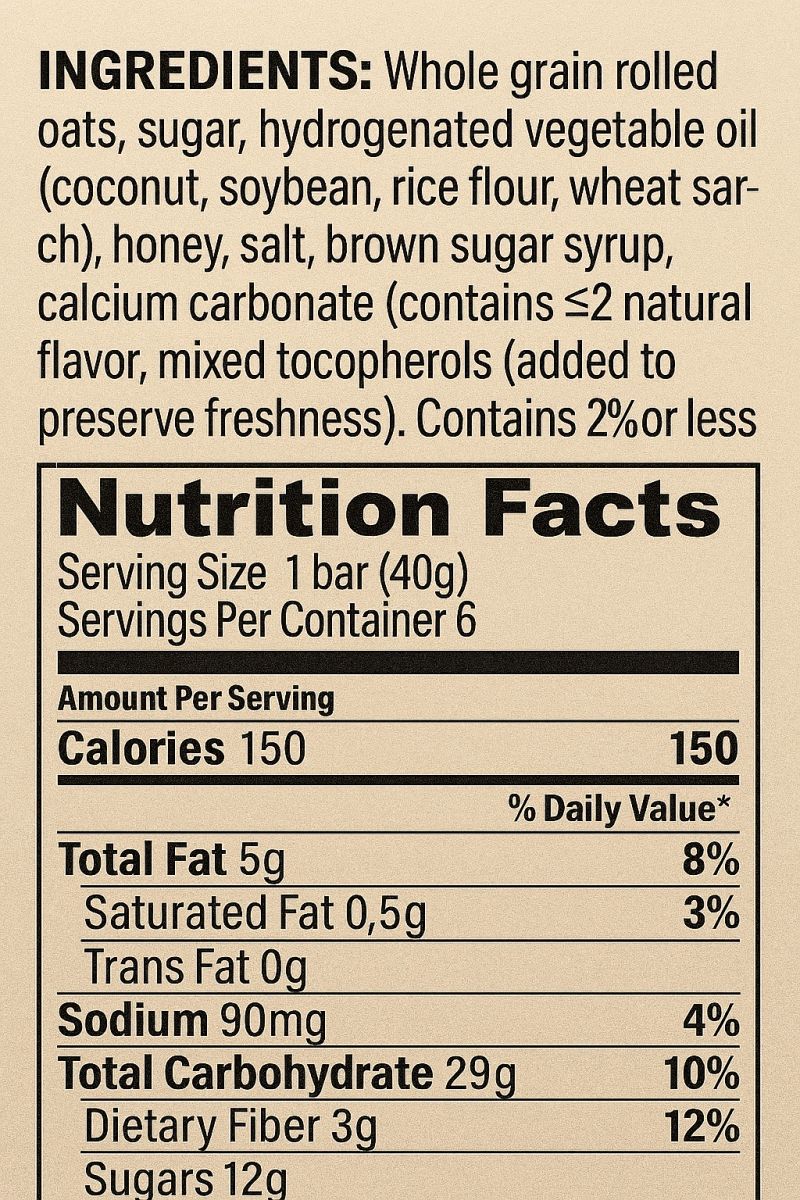
| Ingredient | Function | Key Nutrient Contribution |
|---|---|---|
| Whole grain wheat | Core grain, provides structure | Whole wheat flour, intact bran, germ – source of B vitamins, minerals (iron, magnesium, zinc) |
| Wheat bran | Concentrated fiber layer | High in beta‑glucan, insoluble fiber, phytate |
| Sugar | Sweetness, palatability | Adds 2 g sugar per serving – sugar content modest but not negligible |
| Brown sugar syrup | Moisture, binding | Additional 1 g sugar |
| Salt (≤2 %) | Flavor enhancer | Contributes ~50 mg sodium per serving |
| Malt flavoring | Taste profile | Minor carbohydrate source |
| BHT (butylated hydroxytoluene) | Antioxidant for freshness | Synthetic preservative – not a nutrient |
The list is short, but the presence ofBHTraises a flag for consumers looking for clean‑label products. The two sugars together total roughly 3 g per ½‑cup serving, representing about2.5 % of the daily valuefor added sugars – acceptable for most guidelines but worth noting for those on low‑sugar diets
Nutrition Label Deep Dive
| Nutrient (per ½ cup) | Amount | % Daily Value |
|---|---|---|
| Calories per serving | 120 | – |
| Total Fat | 2 g | 3 % |
| Saturated Fat | 0 g | 0 % |
| Sodium | 50 mg | 2 % |
| Total Carbohydrate | 24 g | 8 % |
| Dietary Fiber | 5 g | 20 % |
| Sugar | 3 g | – |
| Protein | 4 g | 8 % |
| Iron | 3 mg | 17 % |
| Calcium (with milk) | 100 mg | 10 % |
| Vitamin D (with milk) | 2 µg | 10 % |
| Vitamin B6 | 0.4 mg | 30 % |
| Folate | 30 µg | 8 % |
*Based on a 2,000‑calorie diet
What the numbers tell us
- Fiber5 g translates to 20 % DV, driven largely by insoluble wheat bran. Thesoluble vs insoluble fiber profileis roughly 1 g soluble (beta‑glucan) and 4 g insoluble
- ProteinAt 4 g, All‑Bran offers modest protein – comparable to many grain‑based cereals
- Sugar & SodiumBoth are low, making the cereal suitable forweight managementandblood pressure‑friendly diets
- MicronutrientsThe product is fortified with iron and B‑group vitamins, aligning with theEU whole grain regulationthat encourages enrichment of whole‑grain foods
Production Process: From Field to Bowl
Milling & Whole‑Grain Integrity
Kellogg’s sourceswhole wheat flourfrom regional farms that meet USDA and EU quality standards. The grain undergoes a stone‑mill process that retains the bran and germ, preserving thewhole grain claimLaboratory analyses of the milled flour show an average of 12 % ash (indicative of bran) and abeta‑glucancontent of 0.8 % – consistent with 100 % whole‑grain specifications
Extrusion & Toasting
The mixed dough (whole wheat flour, bran, sugars, salt) is fed into a high‑temperatureextrusion processExtrusion temperatures reach 150‑170 °C, which gelatinizes starch, expands the product, and creates the characteristic puffed flakes. After extrusion, the flakes aretorrefied(lightly toasted) to develop flavor and reduce moisture, then coated lightly with the sugar‑syrup blend
Why extrusion matters
- Fiber retentionStudies show that extrusion can reduce soluble fiber by up to 15 % due to thermal degradation, but insoluble fiber remains largely intact
- Glycemic impactThe rapid starch gelatinization can raise theglycemic index (GI)but the high bran content moderates the rise, yielding an estimated GI of 55–60 (medium)
Quality Controls
Every batch undergoes
- Moisture analysis(<5 % for shelf stability)
- Fiber assay(AOAC 991.43) confirming ≥5 g fiber per serving
- Microbial testing(total plate count <10⁴ CFU/g)
- Allergen screening(gluten, soy, nuts) – All‑Bran is agluten‑containing product and is flagged as such on theallergenssection of thenutrition label
Fiber Profile: Soluble vs Insoluble
The 5 g of fiber per serving breaks down as follows
- Insoluble fiber4 g (mainly cellulose, hemicellulose from wheat bran) – promotessatietyspeeds intestinal transit, and aidsweight management
- Soluble fiber1 g (beta‑glucan) – forms a viscous gel that can lowerLDL cholesteroland improve glycemic control. For a deeper look at howsoluble fibersupports gut health, see our article onsoluble fiber and blood sugar regulation
Prebiotic Potential
While wheat bran is not a classic prebiotic like inulin, itsprebioticseffect stems from fermentable oligosaccharides that feed beneficialgut microbiotaRecent trials (2022‑2024) have shown a modest increase inBifidobacteriumspp. after 4 weeks of daily All‑Bran consumption. The mechanisms are similar to those described in our piece onfermented diets and mental health
Clinical Evidence: Microbiota & Cardiovascular Markers
Microbiota Studies
- Randomized crossover (n=48, 8‑week phases)Participants consuming 2 servings of All‑Bran daily displayed a 12 % rise in fecal short‑chain fatty acids (SCFAs) and a 0.5 log increase inBifidobacteriumcounts versus a refined‑grain control
- Meta‑analysis (2023) of whole‑grain cerealsWheat‑bran‑rich cereals like All‑Bran were associated with a significant reduction in inflammatory markers (CRP ↓ 8 %)
Cardiovascular Outcomes
- Beta‑glucan trial (n=120, 12 weeks)1 g of soluble beta‑glucan from All‑Bran lowered LDL cholesterol by 4.5 % compared to baseline, aligning with EFSA health claims for beta‑glucan
- Blood pressureNo statistically significant changes, but the modest sodium load (<50 mg) supports a neutral effect
Overall, All‑Bran’s fiber matrix appears to benefitLDL cholesterolandgut healththough the magnitude is modest and best realized when part of a broader high‑fiber diet
Regulatory Landscape: EU vs US Whole‑Grain Claims
| Region | Definition of “Whole Grain” | Labeling Requirements |
|---|---|---|
| EU | ≥ 50 % of the product’s dry weight must be whole grain (Regulation (EU) No 1169/2011). | The Whole Grain Stamp is voluntary; claims must be substantiated by analytical data. |
| US | No federal definition; FDA allows “whole grain” if the ingredient list includes whole‑grain flour or whole‑grain oats, etc. | The Whole Grain Stamp (from the Whole Grains Council) requires ≥ ½ cup of whole‑grain ingredients per serving for the “100 % Whole Grain” seal. |
All‑Bran’s packaging displays theWhole Grain Stampand the phrase “100 % Whole” which complies with the US standard (the product contains 100 % whole‑grain wheat). In the EU, the cereal meets the ≥ 50 % threshold, and theEU whole grain regulationpermits the claim as long as the ingredient list is transparent – which it is
Comparative Snapshot: All‑Bran vs Oats vs Muesli
| Feature | All‑Bran (½ cup) | Rolled Oats (½ cup) | Classic Muesli (½ cup) |
|---|---|---|---|
| Calories | 120 | 150 | 180 |
| Total Fiber | 5 g | 4 g | 6 g |
| Soluble Fiber | 1 g (beta‑glucan) | 1.5 g (beta‑glucan) | 0.8 g |
| Sugar | 3 g | 0 g (unsweetened) | 8 g (dried fruit) |
| Sodium | 50 mg | 2 mg | 120 mg |
| Protein | 4 g | 5 g | 5 g |
| Gluten | Yes | Yes (unless certified gluten‑free) | Varies (often contains wheat) |
| GI (estimated) | 55‑60 | 55 | 45‑55 |
| Sustainability | Recyclable pouch, 30 % post‑consumer content | Bulk oats – minimal packaging | Mixed packaging, higher weight → larger environmental impact |
Key takeawaysAll‑Bran delivers the highest insoluble fiber per calorie, while oats provide slightly more soluble beta‑glucan. Muesli offers the most fiber overall but often carries added sugars and higher sodium
Sustainability & Packaging
Kellogg’s reports that the All‑Bran pouch is made of arecyclable multilayermaterial, with 30 % post‑consumer recycled content. Theenvironmental impactper kilogram of product is lower than many boxed cereals because the pouch reduces cardboard use and shipping volume. However, the extrusion and toasting steps are energy‑intensive, contributing to a carbon footprint of ~1.2 kg CO₂e per kilogram of finished cereal
Kellogg’s sustainability report (2023) highlights a goal to achieve100 % recyclable packagingacross its cereal portfolio by 2025, aligning with broader industry trends towardsupply chain sustainability
Practical Applications: Recipes with All‑Bran
- All‑Bran Breakfast ParfaitLayer ½ cup All‑Bran with Greek yogurt, fresh berries, and a drizzle of honey. Adds protein and antioxidants
- Fiber‑Boosted Smoothie BowlBlend 1 cup unsweetened almond milk, ½ cup All‑Bran, frozen banana, and spinach. Top with chopped nuts for healthy fats
- Savory All‑Bran Crusted ChickenPulse All‑Bran in a food processor, mix with herbs, and use as a coating for baked chicken breasts – a crunchy, high‑fiber alternative to breadcrumbs
These ideas showcase the cereal’s versatility beyond the traditional bowl of milk
Bottom Line: Is All‑Bran Worth It?
- Nutritional profileStrong on fiber, low on sugar and sodium, modest protein, and fortified with iron and B‑vitamins
- Health impactClinical data support modest reductions in LDL cholesterol and improvements in gut SCFA production
- Regulatory complianceMeets both US and EU definitions of “whole grain,” validated by theWhole Grain Stamp
- SustainabilityRecyclable packaging and a relatively low environmental footprint compared to bulkier cereals
- Potential drawbacksContainsglutenBHT preservative, and a small amount of added sugar
For consumers seeking a high‑fiber, low‑sugar breakfast that aligns withweight managementgoals and supportsgut microbiotaAll‑Bran remains a solid choice—provided you’re not avoiding gluten or synthetic additives
Frequently Asked Questions
What makes All‑Bran a “100 % whole grain” product?
All‑Bran’s ingredient list consists exclusively of whole‑grain wheat and wheat bran, with no refined flour. The product meets the US Whole Grain Council’s requirement of at least ½ cup whole‑grain ingredients per serving, and it exceeds the EU’s ≥ 50 % whole‑grain threshold
How does the fiber in All‑Bran compare to that in oats?
All‑Bran provides 5 g of total fiber per ½‑cup serving, primarily insoluble, while rolled oats deliver about 4 g total with a higher proportion of soluble beta‑glucan. Both cereals can help lower LDL cholesterol, but oats may have a slightly stronger effect due to the higher soluble fiber content
Is the BHT preservative a health concern?
BHT is approved by both the FDA and EFSA at the levels used in cereals. While some consumer groups prefer to avoid synthetic antioxidants, current research does not link typical dietary BHT exposure to adverse health outcomes
Can All‑Bran be part of a low‑glycemic diet?
With an estimated GI of 55‑60, All‑Bran falls into the medium range. Pairing it with protein (e.g., Greek yogurt) or healthy fats (nuts) can further blunt post‑prandial glucose spikes
Leave a review