
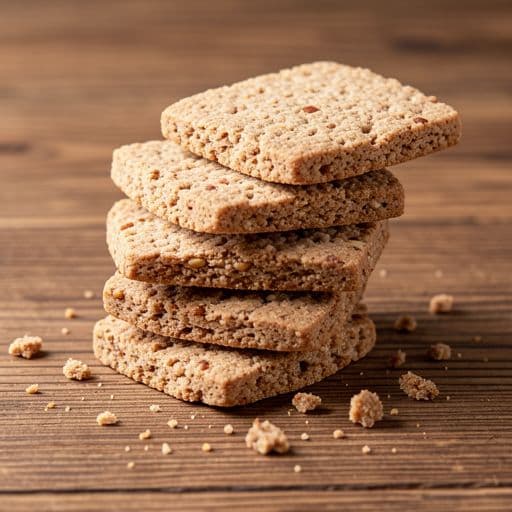




When it comes to stocking your pantry, few decisions are as fundamental as choosing between whole grain bread and white bread. Both staples have been the subject of intense debate, with some championing whole grain's nutritional prowess and others defending white bread's simplicity. But what does the science really say? Beyond the carb-conscious hype, this article dives deep into the history, nutrition, ingredients, and practical applications of these breads to help you make an informed choice
What Is Whole Grain Bread and What Is White Bread?
Whole grain bread is made using the entire grain kernel — the bran, germ, and endosperm — retaining all natural nutrients and fibers. This ancient practice dates back thousands of years, with early civilizations grinding whole grains into coarse flours for bread. In contrast, white bread is produced by refining wheat, removing the bran and germ to create a softer, longer-lasting product. This industrial process became popular in the 20th century as a symbol of modernity and convenience
The production methods starkly differ. Whole grain bread often involves slower fermentation processes to develop flavor and texture, while white bread may include additives like enzymes, conditioners, and preservatives to enhance shelf life. According to the Whole Grains Council, genuine whole grain bread must contain at least 50% whole grain ingredients by weight, though many commercial products fall short of this standard
Detailed Nutritional Comparison
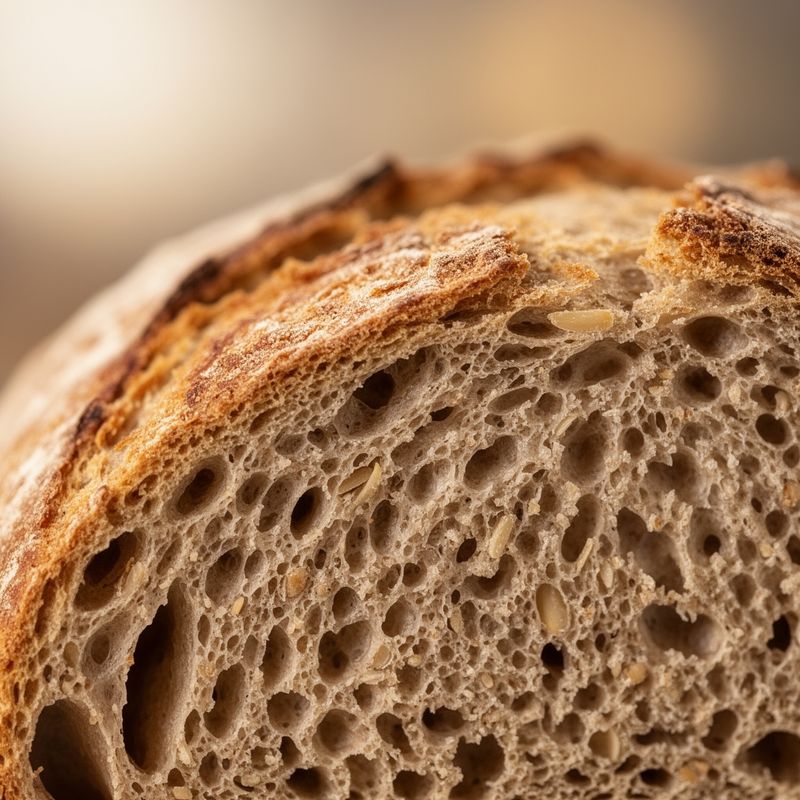
Let’s examine the nutritional profiles of both breads using data from verified sources
| Nutrient | White Bread (per slice, 29g) | Whole Wheat Bread (per slice, 32g) |
|---|---|---|
| Calories | 77 (4% DV) | 81 (4% DV) |
| Fat | 0.97g (1% DV) | 1.1g (1% DV) |
| Protein | 2.6g (5% DV) | 4g (8% DV) |
| Carbohydrates | 14.3g (5% DV) | 13.7g (5% DV) |
| Sugars | 1.6g (3% DV) | 1.4g (3% DV) |
| Fiber | 0.8g | 2g |
| Sodium | ~300mg | ~250mg |
| Magnesium | 10mg (2% DV) | 45mg (11% DV) |
| Vitamin E | 0.3mg (2% DV) | 1.2mg (8% DV) |
| Zinc | 0.6mg (4% DV) | 1.8mg (12% DV) |
DV = Daily Value based on a 2,000-calorie diet
These numbers reveal critical differences. Whole wheat bread doubles the protein and fiber while offering significantly more magnesium, vitamin E, and zinc. The American Heart Association notes that whole-grain bread contains no added sugars, whereas white bread often includes small amounts. However, white bread may have a slight edge in lower sodium content, depending on processing methods
Ingredients and Quality Analysis
Ingredient lists tell a story. A genuine whole wheat bread should list '100% whole wheat flour' or 'whole grain wheat' as the first ingredient. Beware of deceptive labeling: terms like 'wheat bread' or 'multigrain' may still contain mostly refined flour. The Prevention article emphasizes checking for the '100% whole wheat' label to avoid products with minimal whole grain content
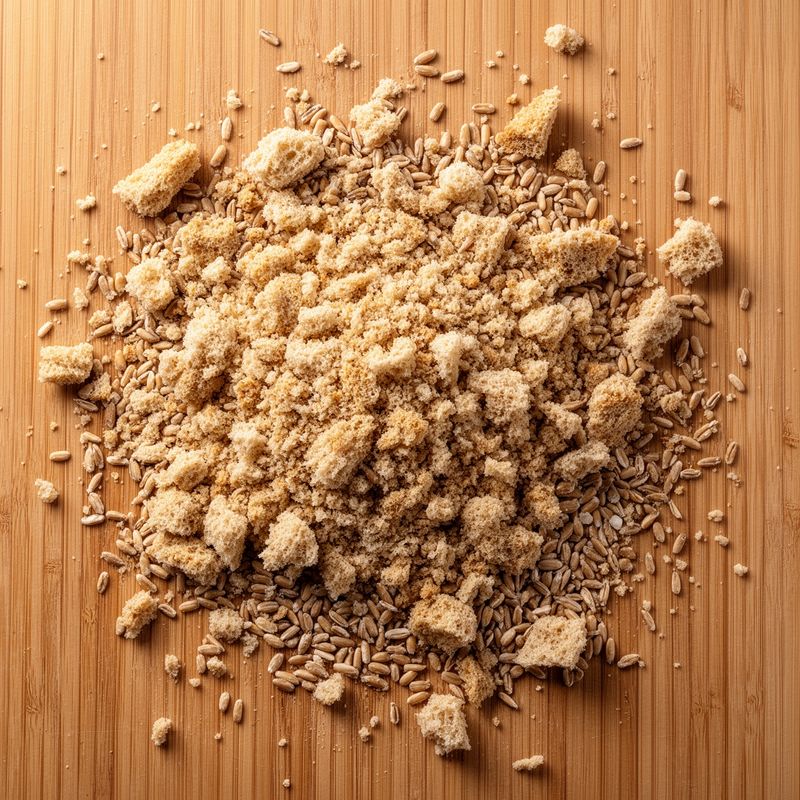
White bread ingredients typically include enriched wheat flour, water, sugar, yeast, and salt. Many brands add B vitamins and iron to replace nutrients lost during refining — a practice known as 'enrichment.' Some white breads also contain preservatives like calcium propionate or dough conditioners like L-cysteine
For a deeper understanding of label reading, check out our guide on How to Read Baby Food Labels— many of the same principles apply to bread
Benefits and Potential Downsides
Whole grain bread boasts impressive health benefits. The Harvard study cited in Vegetarian Times found that consuming three servings daily reduces heart attack risk by 35% and lowers chances of bowel issues. The higher fiber content (2g vs. 0.8g per slice) supports gut health and slows glucose absorption, making it preferable for blood sugar management
However, whole grain bread isn't without drawbacks. Its coarser texture can be less appealing for sandwiches, and some people experience digestive discomfort from increased fiber. Additionally, certain populations — such as those with celiac disease or gluten sensitivities — must avoid both types unless certified gluten-free
White bread offers convenience and a neutral taste that pairs well with bold flavors. Its softer texture makes it ideal for toast, sandwiches, and dishes like French toast. Yet its refined nature strips away most natural nutrients, making it less satiating and more likely to cause blood sugar spikes
Which Should You Choose: A Practical Guide
Athletes Whole grain bread's complex carbs provide sustained energy. Pair with nut butter and banana for pre-workout fuel
Children Opt for whole grain to support growth and development, but choose softer varieties to appeal to picky eaters
Elderly White bread may be easier to chew for those with dental issues, but look for fortified varieties to compensate for nutrient gaps
For more on personalized nutrition based on genetics, explore our article on Nutrigenomics
Recipes and Pairing Suggestions
Avocado Whole Grain Toast
- Mash 1/2 ripe avocado with lemon juice and salt
- Spread on whole grain bread, top with poached egg and chili flakes
- Serve with a side of cherry tomatoes
Classic White Bread French Toast
- Whisk 1 egg with 2 tbsp milk and vanilla
- Soak white bread slices, then cook in a skillet until golden
- Dust with cinnamon and maple syrup
Final Verdict
The choice between whole grain and white bread depends on your health goals and lifestyle. For most adults, whole grain bread offers superior nutritional value and long-term health benefits. However, white bread remains a valid option for specific needs or culinary applications. When selecting either, prioritize minimally processed varieties with clear ingredient lists. Your pantry — and your body — will thank you
Sources and Further Reading
- Wheat Bread Vs. White Bread: Which Is Healthier? A Dietitian Explains
- Are some breads getting a bad rap? | American Heart Association
- MYTHS BUSTED: Why White Bread Is NOT Just as Healthy as
- Nutrition Comparison of White Bread vs Whole Wheat Bread
- What, Exactly, Is the Difference Between White and Wheat Bread?
🔍 FoodReveal helps you decode nutrition labels beyond marketing. Available for Android and iOS.