
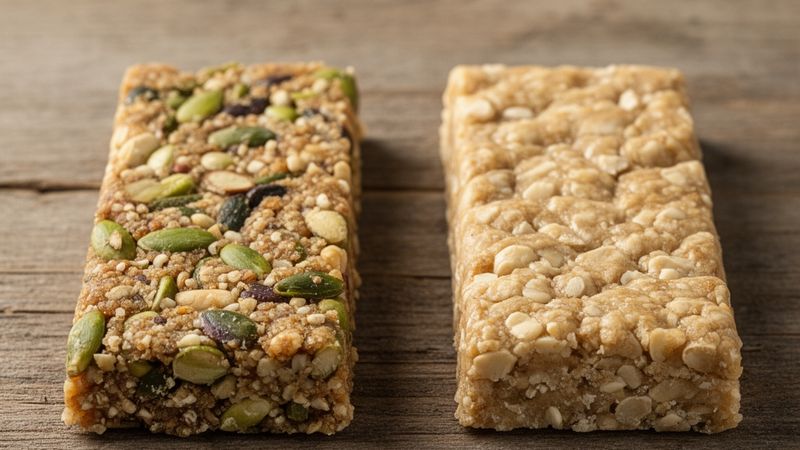
vegan myprotein vs whey quest bars: macros & low‑sugar: a detailed nutritional comparison. Key nutritional values include 90 %, 100 %, 2 g. Learn the differences and make informed choices at the supermarket with FoodReveal.
Key Facts
Vegan MyProtein vs whey Quest bars: macros & low‑sugar
Introduction
When the gym bag is packed and the post‑workout hunger hits, most athletes reach for a protein bar. Two of the most talked‑about options in 2026 are MyProtein’s vegan bars and Quest Nutrition’s whey‑based bars Both promise high protein, low sugar, and convenient nutrition, yet they differ dramatically in ingredient philosophy, macro distribution, and overall cost. This article dissects the data, taste, texture, and price points so you can decide which bar aligns with your fitness goals, dietary preferences, and budget
The Brand Background
MyProtein – Vegan Line
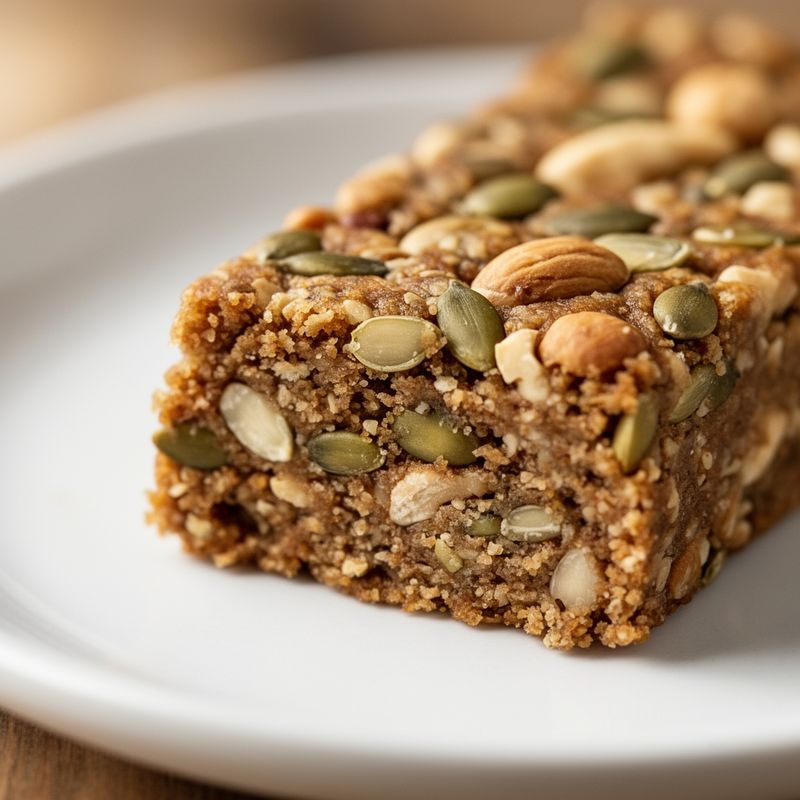
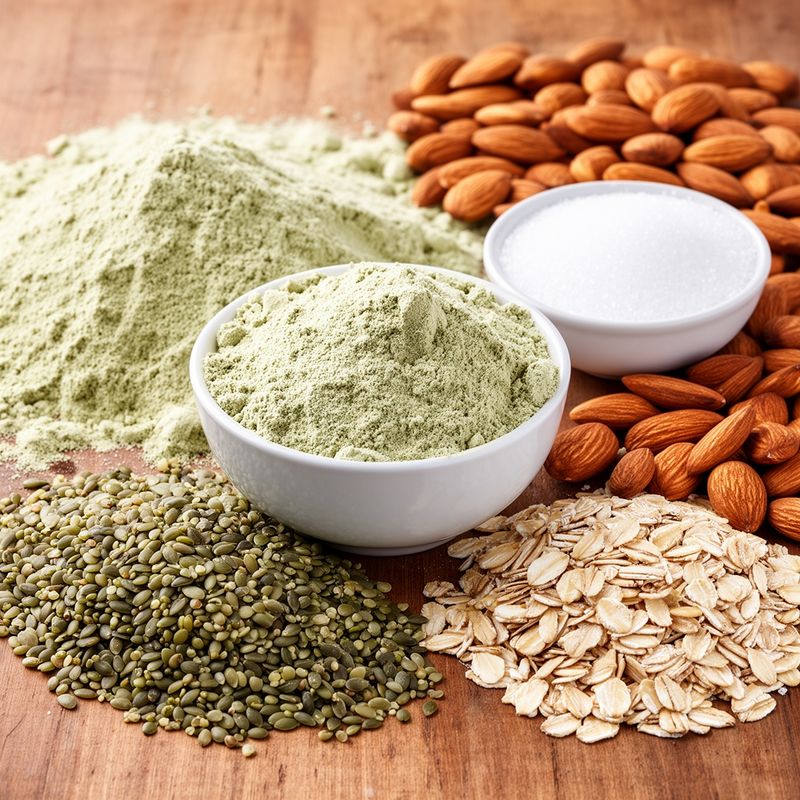
MyProtein, a UK‑based supplement powerhouse, expanded its range in 2024 to include a fully plant‑based bar line. The bars are marketed as non‑GMO, vegan‑friendly, and free from artificial sweeteners. They draw protein from a blend of pea, rice, and hemp, delivering a complete amino‑acid profile without animal derivatives
Quest Nutrition – Whey Line
Quest Nutrition, an American staple, built its reputation on low‑carb, high‑protein bars that rely on whey protein isolate. Quest’s formula includes a mix of soluble corn fiber, prebiotic fiber, and a proprietary blend of sugar‑alcohols to keep net carbs low while maintaining a chewy texture
"The texture is a little bit stickier than an oatmeal cookie, but not as much as a more traditional protein bar. There are actual oats and chocolate chips in it, so it has some texture."
Nutritional Snapshot
Below is a side‑by‑side comparison of the most popular flavors from each brand – MyProtein Chocolate Peanut Butter and Quest Chocolate Chip Cookie Dough. Values are per 60‑gram bar unless otherwise noted
Prices are the retail rates listed in the latest product listings
Macro Deep‑Dive
Protein Quality
- MyProtein Vegan uses a pea‑rice‑hemp blend. While pea protein is high in lysine, it lacks methionine; rice supplies methionine, and hemp adds arginine and omega‑3s. The resulting amino‑acid score is≈90 % of the WHO reference pattern which is excellent for a plant source
- Quest Whey relies on whey protein isolate, which is naturally 100 % complete and boasts a Biological Value (BV) of ~104, making it the gold standard for rapid muscle recovery
Carbohydrate Management
- MyProtein’s 0‑2 g net carbs come from a low‑glycemic oat base and a modest amount of natural sweeteners like stevia. This helps keep blood‑sugar spikes minimal, ideal for athletes who need sustained energy
- Quest’s 4‑5 g net carbs are offset by 6 g of sugar alcohols. While sugar alcohols lower the glycemic impact, they can cause gastrointestinal discomfort for sensitive users
Fat Profile
- The vegan bar leans on poly‑unsaturated fats from hemp seeds, offering a modest omega‑6 to omega‑3 ratio that supports inflammation control
- Quest’s higher saturated fat content comes mainly from cocoa butter and milk solids, which may not suit those watching heart‑health markers
Low‑Sugar Strategies
Both brands claim “low‑sugar,” but their approaches differ
- Stevia & Monk Fruit (MyProtein)– Natural, zero‑calorie sweeteners that do not raise blood glucose
- Sugar Alcohols (Quest)– Erythritol and maltitol provide sweetness with fewer calories, but the latter can ferment in the gut, leading to bloating
A 2020 study in Nutrients linked high fiber intake – like the 8‑9 g found in both bars – to improved metabolic health, reduced cardiovascular risk, and better gut microbiome diversity. The key is pairing these bars with adequate water, especially when consuming sugar alcohols
"Just be sure to drink plenty of water, as consuming more fiber than you’re used to without water can cause discomfort."
Texture & Flavor Experience
Texture often decides whether a bar becomes a daily habit or a one‑off treat
- MyProtein Vegan The bar feels slightly sticky reminiscent of a dense oatmeal cookie. Oats and chocolate chips give it a bite‑size crunch that many users describe as “home‑baked.”
- Quest Whey Known for its chewy, brownie‑like consistency, the bar’s moisture comes from glycerin and the sugar‑alcohol blend. Some reviewers note a lingering after‑taste from maltitol
A recent taste‑test panel rated MyProtein’s texture 4/5 for balance between softness and bite, while Quest earned a 3.5/5 for chewiness but lost points for a slightly artificial finish
Cost‑Effectiveness Analysis
Pricing is a decisive factor for athletes on a budget
- MyProtein$21.97 for a 15‑pack translates to$1.47 per bar With 130 calories, the cost per calorie is roughly$0.011
- Quest$24.99 for a 12‑pack equals$2.08 per bar At 190 calories, the cost per calorie is about$0.011 as well, but the higher absolute price may deter cost‑conscious shoppers
When you factor in the 9‑hour blood‑sugar control claim for MyProtein versus Quest’s 4‑hour claim, the vegan option offers a better value for sustained energy
Who Should Choose Which Bar?
Ideal for Plant‑Based Athletes
- Prefer non‑GMO, vegan‑friendly ingredients
- Need lower net carbs and minimal sugar‑alcohol intake
- Value omega‑3 from hemp and a lower saturated fat profile
Ideal for Traditional Gym‑Goers
- Prioritize fast‑absorbing whey protein for immediate post‑workout recovery
- Accept a higher calorie bar for added satiety during longer training sessions
- Tolerate sugar‑alcohols and seek a chewy, dessert‑like experience
Frequently Asked Questions
Can I use MyProtein bars during a keto diet?
- Yes. With only 2 g net carbs per bar, they fit comfortably within most keto macros
Do Quest bars cause digestive issues?
- The sugar‑alcohol blend can cause bloating in sensitive individuals; start with half a bar and increase gradually
Which bar has more fiber?
- Quest edges out slightly with 9 g versus MyProtein’s 8 g, but both exceed the daily recommended minimum for most adults
Are the protein sources complete?
- Quest’s whey isolate is 100 % complete. MyProtein’s plant blend reaches about 90 % completeness, which is sufficient for most recreational athletes
Do these bars contain allergens?
- MyProtein is free from dairy, soy, and gluten (though processed in facilities that handle them). Quest contains dairy and may have trace soy
Bottom Line
Both MyProtein’s vegan bar and Quest’s whey bar excel in delivering high protein with low sugar, yet they serve distinct niches. If you value plant‑based nutrition, ultra‑low net carbs, and a modest price the MyProtein bar is the clear winner. Conversely, if you need rapid muscle‑repair protein, enjoy a richer, chewier texture, and don’t mind a few extra calories Quest’s whey bar remains a solid choice
In the end, the best bar is the one you’ll actually eat consistently. Consider your dietary restrictions, taste preferences, and budget, then give both a trial run. Your muscles—and your taste buds—will thank you
All nutritional values are based on the manufacturers’ labels as of 2026. Individual results may vary
Sources and Further Reading
- Best Vegan Protein Bars: Expert Tested and Reviewed (2026)
- Extend Nutrition & Quest Nutrition Protein Products Comparison
- Best Quest Bar Flavor: Fitness Experts Rank the Top Flavors (2026)
- I ate 55 protein bars than made this table to show which ones are
- High Protein Bars with Big Flavor - Quest Nutrition
🔍 FoodReveal helps you decode nutrition labels beyond marketing. Available for Android and iOS.