
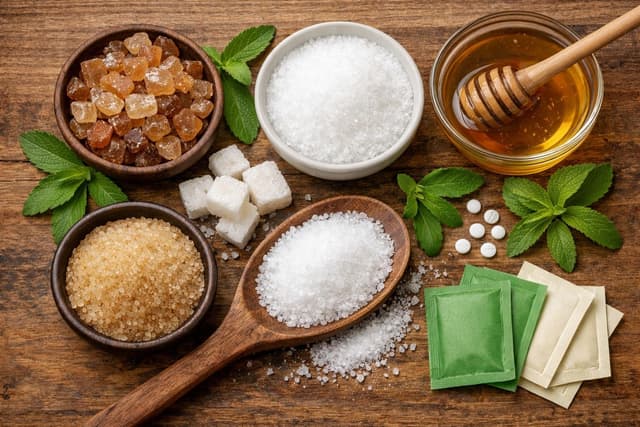



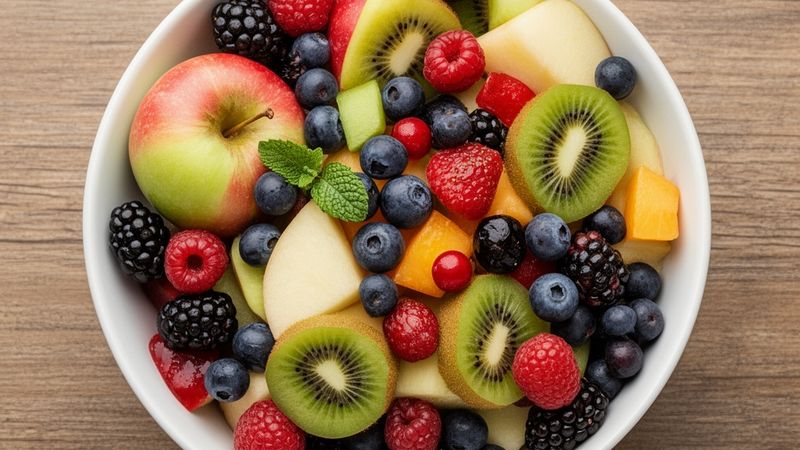
The average American consumes 2 to 3 times the recommended amount of added sugar each day, according to the American Heart Association. That excess fuels weight gain, spikes blood glucose, and fuels chronic disease. Yet sugar isn’t a one‑size‑fits‑all villain – it’s a molecule with many roles in our diet. In this deep‑dive we’ll demystify what sugar really is, separate fact from hype, and give you a practical, science‑backed roadmap to slash added sugars without feeling deprived
What Is Sugar?
At its core, sugar is a simple carbohydrate – a quick source of energy for every cell in your body. The most common forms you’ll encounter are glucose fructose and sucrose (table sugar, a 1:1 blend of glucose and fructose). In nature, sugars are bound up in fruits, vegetables, dairy, and even grains. When you bite into a ripe banana or drizzle honey over oatmeal, you’re enjoying naturally occurring sugars that come with fiber, vitamins, and minerals that slow absorption and blunt spikes in blood sugar
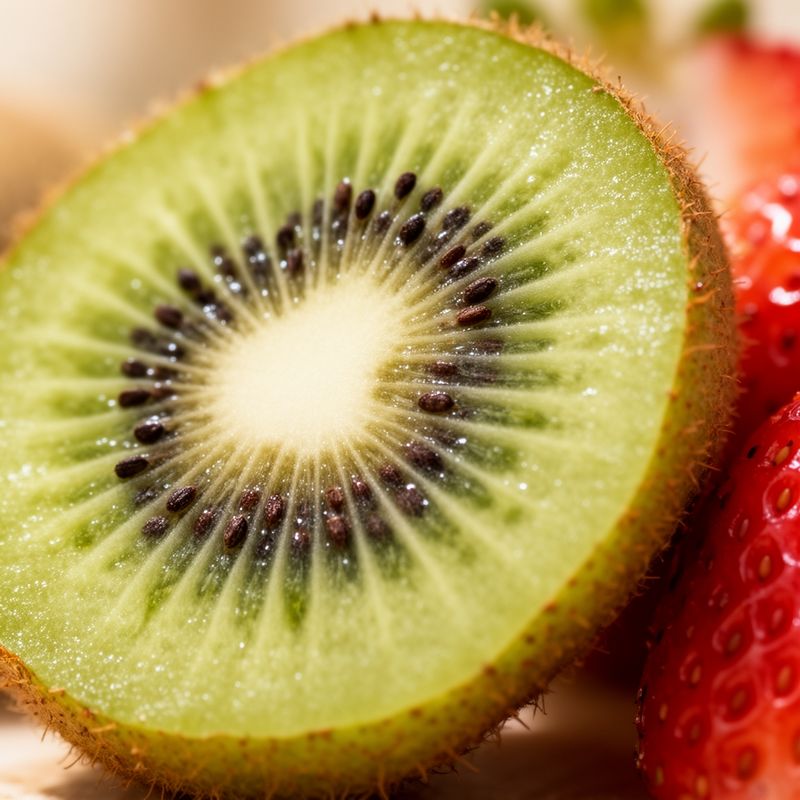
In contrast added sugars are those that manufacturers, restaurants, or home cooks sprinkle in during processing or preparation. This includes white sugar, brown sugar, high‑fructose corn syrup (HFCS), agave nectar, honey, maple syrup, and a bewildering list of aliases like maltodextrin, cane juice concentrate, or fruit‑juice‑from‑concentrate. The U.S. Food and Drug Administration (FDA) now requires the Nutrition Facts panel to list “Added Sugars” separately, making it easier to spot hidden sweeteners
Natural vs. Added Sugars – Why the Distinction Matters
| Source | Total Sugar (per serving) | Added Sugar | Fiber | Typical Serving Size |
|---|---|---|---|---|
| Apple (raw) | 19 g (0.7 oz) | 0 g | 4 g | 1 medium (182 g) |
| Orange juice (store‑bought) | 22 g (0.8 oz) | 0 g* | 0 g | 8 fl oz (237 ml) |
| Sweetened yogurt (fruit‑flavored) | 30 g (1.1 oz) | 24 g | 0 g | 6 oz (170 g) |
| Cola soda | 39 g (1.4 oz) | 39 g | 0 g | 12 oz (355 ml) |
| Granola bar (store‑bought) | 18 g (0.6 oz) | 12 g | 3 g | 1 bar (45 g) |
Note: Even 100 % juice can contain free sugars that behave like added sugars once the fruit’s fiber is removed
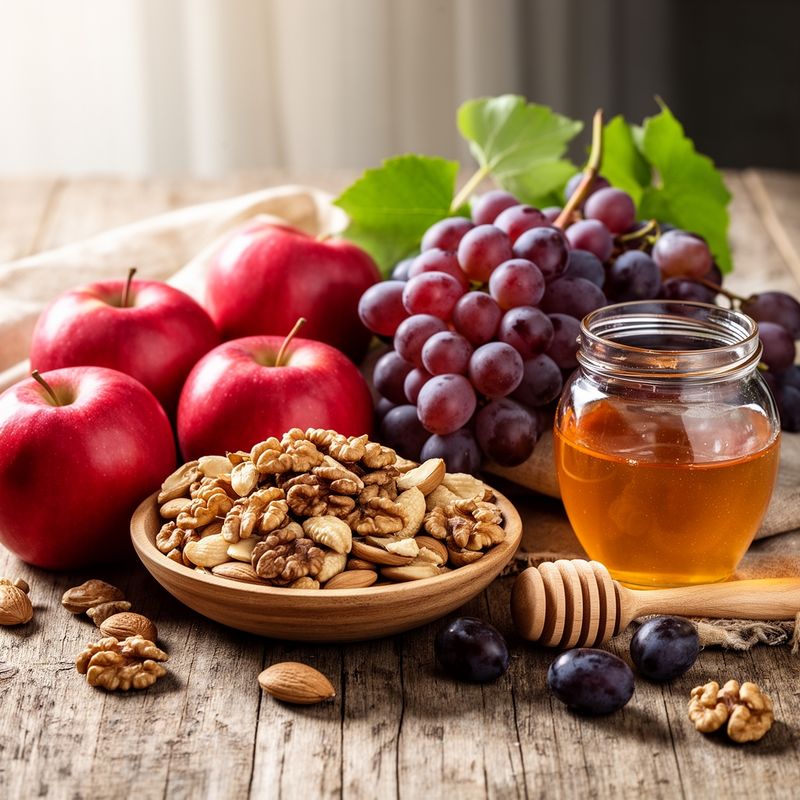
The key takeaway Natural sugars are packaged with nutrients that mitigate their impact, while added sugars are “empty calories” that provide energy without satiety or micronutrients. Over time, excess added sugar contributes to insulin resistance, fatty liver disease, dental decay, and inflammation
How Much Sugar Is Too Much?
The 2020‑2025 Dietary Guidelines for Americans recommend that added sugars make up no more than 10 % of daily calories For a 2,000‑calorie diet, that translates to about 50 g (≈12 tsp, 0.4 oz) of added sugar per day The American Heart Association takes a stricter stance≤ 36 g (9 tsp) for men and≤ 25 g (6 tsp) for women
If you’re aiming for weight loss or managing diabetes, many experts suggest aiming for 5 % of calories (≈25 g or 6 tsp) to see measurable health benefits
Common Sources of Hidden Sugars
Even health‑conscious shoppers can fall prey to stealth sweeteners. Here are the usual suspects
- Breakfast cereals– A “whole‑grain” label can still hide 10‑15 g of added sugar per cup
- Flavored yogurts– Fruit‑on‑the‑bottom varieties often contain a sugary syrup
- Condiments– Ketchup, BBQ sauce, and even salad dressings can add 3‑7 g per tablespoon
- Granola & protein bars– Marketing touts “high‑protein” but many pack 10‑12 g of sugar
- Beverages– Sweetened coffee drinks, sports drinks, and flavored water are major contributors
- Packaged breads & pastries– Even “multigrain” loaves can contain 5‑8 g of added sugar per slice
Strategies to Cut Added Sugar (Without Going Crazy)
Prioritize High‑Fiber Breakfast Choices
Swap sugary cereals for steel‑cut oats unsweetened quinoa porridge or a Greek‑yogurt parfait topped with fresh berries and a sprinkle of nuts. The fiber slows glucose absorption and keeps you full longer. For ideas, see our guide on Zero Added Sugar: facts, label tricks & 5 snacks
Snack Wisely
Keep a stash of raw veggies nuts or hard‑boiled eggs in the fridge. If you crave something sweet, reach for a small apple or a handful of dried apricots (watch portion size – dried fruit is calorie‑dense)
Master the Food Label
- Look for the% Daily Value column: 5 % or less is low, 20 % or more is high
- Scan the ingredients list for any term ending in “‑ose” (e.g., fructose, dextrose), or words like syrup, nectar, concentrate
- If a product lists sugar or honey among the first three ingredients, it’s likely a high‑sugar item. For a full walkthrough, read Decoding Food Labels: A Complete Guide to Healthier Choices
Choose Whole Foods Over Processed Ones
Whole fruits, vegetables, legumes, nuts, and seeds come with their own natural sugars but also fiber, protein, and healthy fats that blunt the glycemic impact. A medium banana (≈118 g) delivers 14 g of sugar, yet also provides 3 g of fiber and 1.3 g of protein
Swap Sugar‑Heavy Condiments
- Use mustard vinegar or fresh herbs instead of ketchup
- Make a simple olive‑oil‑lemon dressing with a pinch of sea salt
Be Smart About Beverages
- Replace soda with sparkling water flavored with a splash of citrus
- Brew your own unsweetened iced tea and add a cinnamon stick for flavor
Leverage Sugar Substitutes Wisely
Natural low‑calorie sweeteners like stevia or erythritol can reduce added sugar without the aftertaste of artificial sucralose. However, they don’t provide the bulking properties of sugar in baking, so you may need to adjust recipes
Reading Labels Like a Pro
The FDA’s new Nutrition Facts panel separates Total Sugars and Added Sugars Here’s how to interpret it
1 Check the “Added Sugars” line– Aim for ≤ 5 g per serving for most packaged foods
2 Calculate per 100 g– If the label lists 12 g added sugar per 30‑g serving, that’s 40 g per 100 g – a red flag
3 Watch the serving size– Companies often shrink the serving size to make the sugar number look smaller
For a deeper dive into label tricks, see our article on Zero Added Sugar: facts, label tricks & 5 snacks
Sugar Substitutes: The Good, The Bad, The Ugly
| Sweetener | Calories (per tsp) | Glycemic Impact | Typical Uses | Notes |
|---|---|---|---|---|
| **Stevia** (leaf extract) | 0 | 0 | Beverages, baking (as blend) | May have bitter aftertaste at high concentrations. |
| **Erythritol** | 0.2 | 0 | Cookies, brownies | Can cause mild digestive upset in large amounts. |
| **Agave nectar** | 21 | High (≈ 60) | Pancakes, sauces | High fructose content – treat like added sugar. |
| **Honey** | 21 | Moderate (≈ 55) | Tea, marinades | Natural but still adds calories and sugar. |
| **Artificial sucralose (Splenda)** | 0 | 0 | Diet sodas, sugar‑free desserts | Some studies suggest gut‑microbiome impact; use sparingly. |
The safest route is to reduce overall sweetness cravings rather than rely on substitutes. Gradually lowering sugar in coffee or cereal helps your palate reset
Putting It All Together: A Sample Day (≈ 2,000 kcal)
| Meal | Food & Portion | Added Sugar (g) | Fiber (g) | Comments |
|---|---|---|---|---|
| **Breakfast** | 1 cup (240 ml) unsweetened Greek yogurt + ½ cup (75 g) fresh blueberries + 1 tbsp (15 g) chia seeds | 0 | 7 | Protein‑rich start; natural fruit sugar only. |
| **Mid‑morning Snack** | 1 small apple (150 g) | 0 | 4 | Fiber keeps you satisfied. |
| **Lunch** | Turkey & avocado wrap on a whole‑wheat tortilla; side salad with olive‑oil‑lemon dressing | 3 (tortilla) | 9 | Choose a tortilla with ≤ 3 g added sugar. |
| **Afternoon Snack** | ¼ cup (30 g) raw almonds + 1 oz (28 g) dark chocolate (≥ 70 % cacao) | 5 | 4 | Dark chocolate provides antioxidants with modest sugar. |
| **Dinner** | Grilled salmon (6 oz/170 g) + quinoa (½ cup cooked) + roasted Brussels sprouts | 0 | 8 | No sauces; use herbs and lemon. |
| **Evening Treat** | ½ cup (120 ml) unsweetened almond milk latte with a dash of stevia | 0 | 1 | Satisfies sweet craving without added sugar. |
| **Total** | — | **≈ 8 g** added sugar | **33 g** fiber | Well below AHA limits; balanced macronutrients. |
Bottom Line
Sugar isn’t the enemy – excess added sugar is. By learning to read labels, choosing whole‑food alternatives, and gradually retraining your taste buds, you can comfortably stay under the recommended limits and reap benefits like steadier energy, better mood, and lower disease risk. For more practical tips on boosting gut health and stabilizing blood sugar, check out Soluble Fiber: Boost Gut Health & Blood Sugar
Remember, the journey isn’t about perfection; it’s about consistent, informed choices that add up to a healthier you
🔍 FoodReveal helps you decode nutrition labels beyond marketing. Available for Android and iOS.