
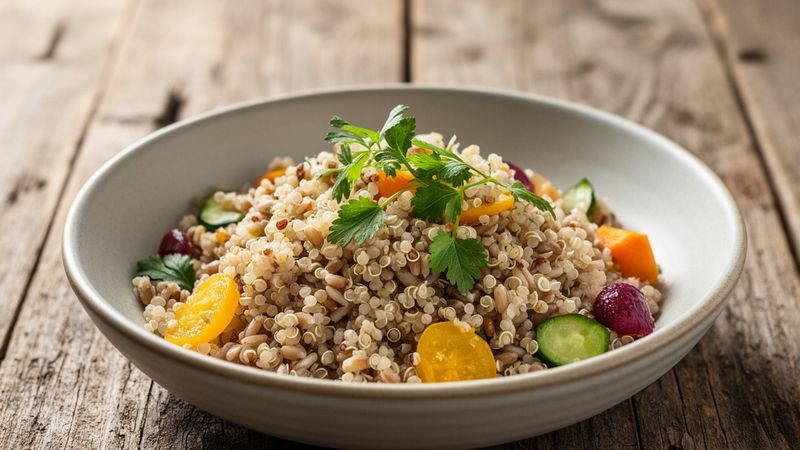
Quinoa vs Spelt: which grain is healthier?
Quinoa and spelt have both earned spots on the modern kitchen counter, but they serve very different nutritional purposes. While quinoa has dominated the health‑food scene for the past decade, spelt is quietly making a comeback thanks to its nutty flavor and satisfying chew. In this deep‑dive we’ll compare the two ancient grains side‑by‑side, explore how they affect blood sugar, satiety, and muscle recovery, and give you practical tips for choosing the right grain for your goals
What are quinoa and spelt?
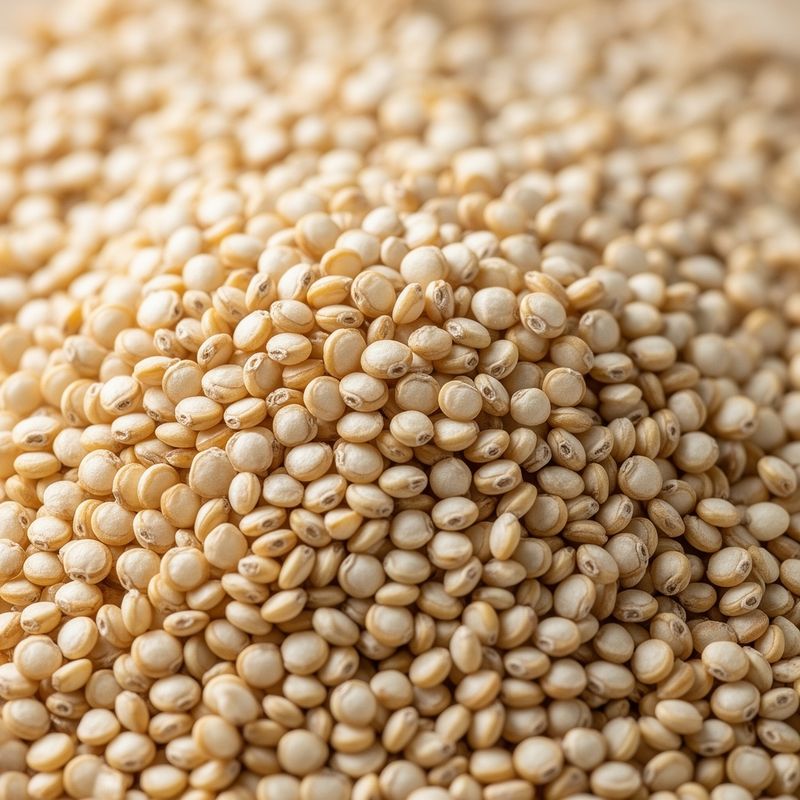
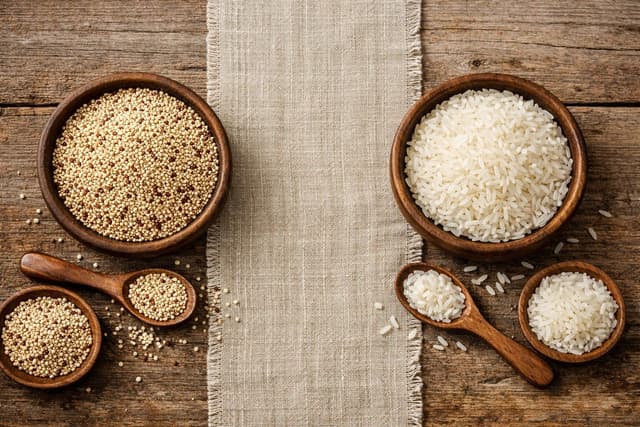
Quinoa (pronounced KEEN‑wah) is technically a seed from the Chenopodium quinoaplant, but it’s culinarily treated like a grain. Native to the Andes, quinoa is naturally gluten‑free and contains all nine essential amino acids, making it a complete protein source a rarity among plant foods
Spelt refers to three closely related wheat species: einkorn, emmer, and spelt. In the United States, most spelt sold in grocery aisles is emmer, an ancient wheat that retains the bran and germ, giving it a chewy texture and a mildly nutty taste. Because spelt is a wheat, it does contain gluten, which matters for people with celiac disease or gluten sensitivity
Both grains are versatile: they can be used in salads, soups, grain bowls, and even baked goods. However, their nutritional profiles differ enough that one may be a better fit for specific dietary needs
Nutrient profile at a glance
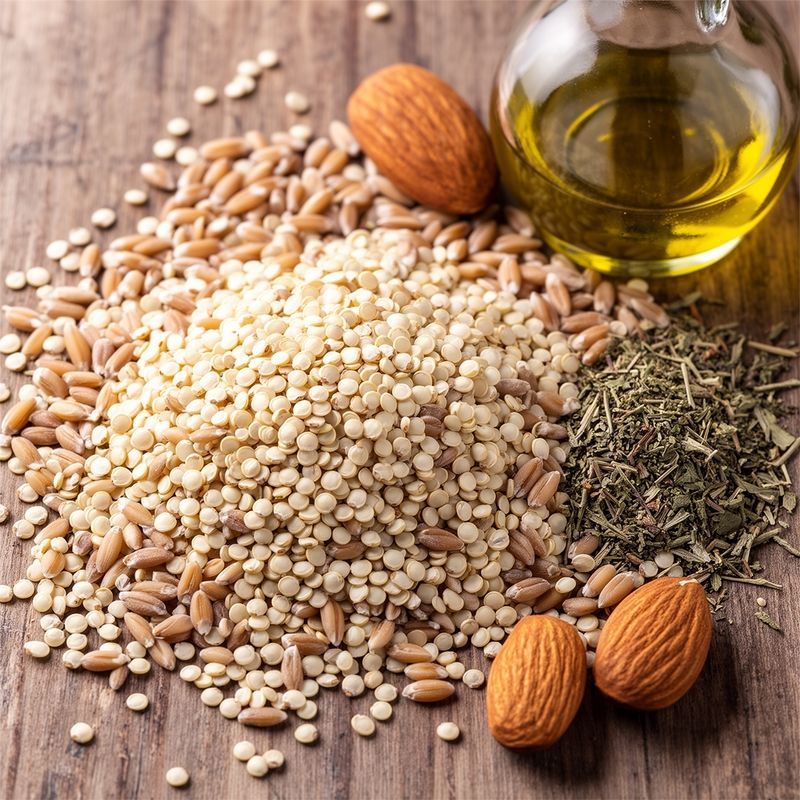
Below is a per‑cooked‑cup (≈185 g) comparison that pulls data from dietitian‑reviewed sources and USDA nutrient databases. Values are rounded for readability
| Nutrient (per 1 cup cooked) | Quinoa | Farro |
|---|---|---|
| Calories | 222 kcal (9 oz) | 220 kcal (7.8 oz) |
| Protein | 8 g | 7 g |
| Total Fat | 3.5 g | 1 g |
| Carbohydrates | 39 g | 46 g |
| Dietary Fiber | 5 g | 6 g |
| Sugar | 1 g | 0.5 g |
| Iron | 2.8 mg (15 % DV) | 3.5 mg (19 % DV) |
| Magnesium | 118 mg (30 % DV) | 84 mg (21 % DV) |
| Zinc | 2 mg (13 % DV) | 2.5 mg (17 % DV) |
| Vitamin B6 | 0.2 mg (10 % DV) | 0.3 mg (15 % DV) |
| Folate (B9) | 78 µg (20 % DV) | 44 µg (11 % DV) |
| Glycemic Index | 53 | 45 |
GI values are averages from multiple studies; lower numbers indicate a slower rise in blood glucose
Protein power and amino acid completeness
Quinoa’s reputation as a complete plant protein is well‑deserved. It supplies all nine essential amino acids, though the total amount (8 g per cup) is modest compared to animal sources. For vegetarians and vegans, pairing quinoa with legumes or nuts can easily meet daily protein targets
Spelt, being a wheat, is not a complete protein – it’s lower in lysine, the amino acid most limited in grains. However, its protein quality is still respectable, and the grain’s higher zinc and iron content can be beneficial for athletes who need robust recovery nutrients
If you’re focused on muscle building, quinoa edges out spelt because of its complete amino acid profile, especially for those avoiding dairy and meat. For general health, both provide quality plant protein, but you may want to combine spelt with a legume‑based side dish to balance the amino acid profile
Fiber, fullness, and gut health
Both grains are good sources of dietary fiber, but spelt has a slight edge (6 g vs. 5 g per cup). That extra gram can translate into better satiety, especially when paired with a protein‑rich topping like grilled chicken or chickpeas
Fiber also fuels beneficial gut bacteria. In the context of a low‑glycemic diet the soluble fiber in spelt can help blunt post‑meal glucose spikes, a point highlighted in the article Low Glycemic Diet: 5 Practical Tips to Stabilize Blood Sugar Meanwhile, quinoa’s mix of soluble and insoluble fiber supports regularity and can aid cholesterol management
For readers interested in the broader impact of fiber on blood sugar, see also Soluble Fiber: Boost Gut Health & Blood Sugar
Micronutrients: iron, magnesium, and beyond
- Iron Spelt provides a bit more iron than quinoa (3.5 mg vs. 2.8 mg). For iron‑deficient individuals, especially women of childbearing age, spelt can be a valuable addition
- Magnesium Quinoa shines here with 118 mg per cup, covering nearly a third of the Recommended Daily Allowance (RDA). Magnesium supports muscle function, heart rhythm, and energy production
- Vitamins Both grains deliver B‑vitamins, but quinoa offers more folate, which is crucial for DNA synthesis and fetal development
- Antioxidants Quinoa’s saponins (often rinsed off before cooking) and flavonoids give it a modest antioxidant boost, while spelt’s phenolic compounds contribute to anti‑inflammatory effects
Gluten, digestion, and sensitivities
Quinoa is naturally gluten‑free making it a safe staple for anyone with celiac disease, non‑celiac gluten sensitivity, or anyone simply avoiding gluten. Its light, fluffy texture also makes it a good base for gluten‑free baking when combined with almond flour or oat flour
Spelt contains gluten, so it’s off‑limits for those with celiac disease. However, for people without gluten issues, the presence of gluten can improve the grain’s elasticity, giving it that satisfying chew that holds up well in salads and grain‑based side dishes
Glycemic impact and blood‑sugar control
The glycemic index (GI) numbers above show spelt (45) is slightly lower than quinoa (53). While both are considered low‑to‑moderate GI foods, the difference can matter for diabetics or anyone monitoring blood sugar spikes. Pairing either grain with healthy fats (olive oil, avocado) and protein further lowers the overall glycemic response
Culinary versatility and cooking tips
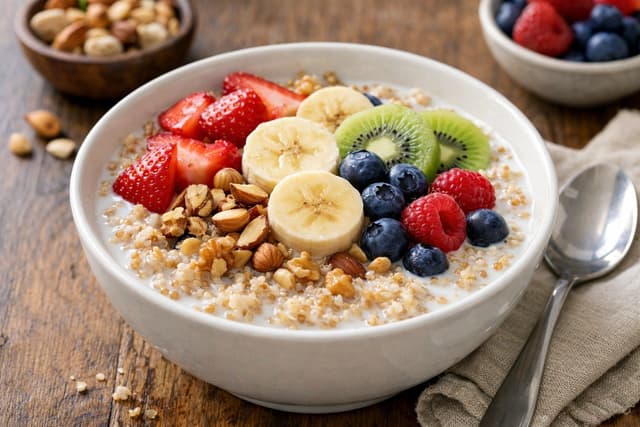
- Quinoa cooks in about 15 minutes (1 part quinoa to 2 parts water). Rinse thoroughly to remove the bitter saponin coating. It works great cold in salads, hot in soups, or as a breakfast porridge when mixed with fruit and nuts
- Spelt takes longer – roughly 30‑40 minutes for semi‑pearled varieties, though fully pearled spelt can be ready in 20 minutes. Use a 1:2.5 grain‑to‑water ratio, and consider a quick soak to reduce cooking time. Its hearty texture holds up in warm grain bowls, risottos, and even as a stuffing for peppers
Both grains absorb flavors well. A splash of lemon juice, a drizzle of extra‑virgin olive oil, and a handful of fresh herbs can transform a plain side into a star dish
Which grain fits your health goals?
| Goal | Best Choice | Why |
|---|---|---|
| Gluten‑free | Quinoa | Naturally free of gluten; safe for celiac patients |
| Higher protein completeness | Quinoa | Contains all essential amino acids |
| Maximum iron | Farro | Slightly higher iron per cup |
| Magnesium boost | Quinoa | Provides ~30 % of RDA per cup |
| Satiety & weight‑management | Farro | Higher fiber and chewiness promote fullness |
| Low glycemic impact | Farro (by a small margin) | Lower GI helps stabilize blood sugar |
| Versatile for warm dishes | Farro | Chewy texture holds up in soups and casseroles |
Real‑world scenarios
- Athlete on a plant‑based diet Start the day with a quinoa‑berry breakfast bowl for complete protein, then enjoy a spelt‑and‑bean salad for iron and extra fiber
- Busy professional seeking quick meals Keep pre‑cooked quinoa in the fridge for 5‑day grab‑and‑go lunches; spelt can be batch‑cooked on weekends for hearty soups
- Someone with a sweet tooth but wants low‑GI carbs Swap white rice for speltin a stir‑fry; the lower GI will keep cravings at bay
Bottom line: quinoa, spelt, or both?
Both grains bring valuable nutrients to the table. If you need a gluten‑free, complete‑protein option, quinoa is the clear winner. If your priority is fiber, iron, and a satisfying chew for longer‑lasting fullness, spelt takes the lead. Many nutritionists recommend rotating them throughout the week to capture the unique benefits of each – a strategy that aligns with the diversity principle championed in the article Zero Added Sugar: facts, label tricks & 5 snacks
Pro tip Cook a large batch of each grain, portion into freezer‑safe bags, and reheat as needed. Mix quinoa with roasted vegetables for a quick salad, and toss spelt with beans, herbs, and a lemon‑olive‑oil dressing for a heart‑healthy side
By understanding the nuanced differences in protein quality, fiber content, micronutrients, and gluten status, you can tailor your grain choices to your personal health goals and culinary preferences. Whether you’re building muscle, managing blood sugar, or simply looking for a tasty, nutritious base, quinoa and spelt each have a place on your plate
Key takeaways
- Quinoa: gluten‑free, complete protein, high magnesium
- Spelt: higher iron, more fiber, lower GI, but contains gluten
- Use both to maximize nutrient diversity and keep meals exciting
Enjoy experimenting, and let your taste buds guide you to the grain that feels best for your body!
🔍 FoodReveal helps you decode nutrition labels beyond marketing. Available for Android and iOS.
Sources and Further Reading
1 Farro vs. Quinoa: How They Compare, According to Dietitians
2 Which is better for you? Farro vs. Quinoa - ClassPass Blog
3 Is farro healthier than quinoa? Everything you need to know about
4 Farro vs Quinoa: Choose the Best Base for Your Bowl - Forage Kitchen
5 6 farro benefits for nutrition, weight, and more - Medical News Today