
Introduction
When navigating the snack aisle, shoppers often face a choice between products that promise whole‑grain goodness and those that highlight indulgent flavor. Misura’s Fibrextra Whole Grain Crackers and Colussi’s Caffe Latte Cookies sit on opposite ends of that spectrum—one marketed as a high‑fiber, better‑for‑you cracker, the other as a sweet, coffee‑flavored treat. Understanding how these two brands compare in terms of grain quality, fiber content, and overall nutrition can help consumers align their purchases with dietary goals such as boosting daily fiber, managing blood sugar, or simply enjoying a satisfying snack. This comparison matters because fiber intake remains below recommended levels in many European diets, and selecting the right snack can be an easy way to close that gap. For more on how whole‑grain options stack up in other categories, see our analysis of Barilla: fiber, protein & GI of whole, semi & white pasta.
Key Differences at a Glance
Misura positions itself as a health‑focused brand, emphasizing whole‑grain flours, minimal added sugars, and a clean‑label approach. Its Fibrextra crackers are made primarily from a blend of whole wheat, oat, and rye flours, with a notable proportion of soluble fiber extracted from chicory root. Colussi, by contrast, leans into traditional Italian biscotti heritage, using refined wheat flour, sugar, and butter to create a tender, coffee‑infused cookie. Price‑wise, Misura’s crackers sit in the mid‑tier premium range (≈ €2.80 for a 385 g pack), while Colussi’s Caffe Latte cookies are typically priced lower (≈ €1.90 for a 200 g pack), reflecting their simpler ingredient list and mass‑market positioning. Sourcing differs as well: Misura highlights traceable European grain sources and a commitment to non‑GMO ingredients, whereas Colussi relies on conventional wheat and dairy suppliers without specific sustainability claims. These distinctions set the stage for a nutritional face‑off that goes beyond calorie counting to examine fiber quality, fat type, and additive use.
Head-to-Head Nutritional Comparison
| Nutrient (per 100 g) | Misura Whole Grain Crackers | Colussi Caffe Latte Cookies* |
|---|---|---|
| Energy | 398 kcal | 472 kcal |
| Protein | 9.2 g | 5.8 g |
| Total Fat | 14.5 g | 22.3 g |
|---|---|---|
| ‑ Saturated Fat | 2.8 g | 9.1 g |
| Carbohydrates | 61.0 g | 62.5 g |
|---|---|---|
| ‑ Sugars | 2.1 g | 19.4 g |
| ‑ Fiber | 12.4 g | 2.9 g |
|---|---|---|
| Sodium | 480 mg | 310 mg |
Values taken from the product label of Misura Fibrextra Whole Grain Crackers (source [1]). Values taken from the product label of Colussi Caffe Latte Cookies (source [2]).
Misura delivers roughly four times the fiber of Colussi while providing fewer calories and less than half the sugar. The cracker’s fat profile is richer in unsaturated fats (derived from whole‑grain oils and a modest amount of added sunflower oil), whereas Colussi relies heavily on butter, contributing to a higher saturated‑fat content. Protein is also notably higher in Misura, supporting satiety. Sodium levels are moderate in both, though Misura’s is slightly elevated due to leavening agents and flavor enhancers. For a broader perspective on how whole‑grain snacks compare to pasta alternatives, consult our piece on Whole Grain Crackers: Best Choices.
In-Depth Ingredient Analysis
Misura Fibrextra Whole Grain Crackers list the following ingredients (in descending order): whole wheat flour, oat flour, rye flour, chicory root fiber (inulin), sunflower oil, maltodextrin, raising agents (sodium bicarbonate, ammonium bicarbonate), salt, and a natural flavor extract. The chicory root fiber contributes the bulk of the product’s labeled dietary fiber, acting as a prebiotic soluble fiber. Maltodextrin, a glucose polymer, is present in a small amount to aid texture and is classified as a carbohydrate rather than an additive; it is digested like other starches.
Colussi Caffe Latte Cookies contain: wheat flour, sugar, butter (milk fat), eggs, glucose‑fructose syrup, skimmed milk powder, coffee extract, raising agents (sodium bicarbonate), salt, and natural flavors. The primary sources of sweetness are sucrose and glucose‑fructose syrup, while butter supplies both flavor and the majority of the fat content. No additional gums or starches are used beyond the inherent wheat flour matrix.
Both products avoid artificial colors or preservatives; their shelf stability relies on low moisture content and, in the case of the crackers, the antioxidant effect of tocopherols naturally present in sunflower oil.
Additives and Formulation Quality
From an EFSA/FDA standpoint, the few additives present—sodium bicarbonate, ammonium bicarbonate, and maltodextrin—are all approved and have undergone rigorous safety evaluation. Sodium bicarbonate and ammonium bicarbonate are leavening agents that decompose during baking, releasing carbon dioxide; they are considered safe at the levels used in bakery products. Maltodextrin, derived from corn or potato starch, is classified as a food ingredient rather than an additive and is recognized as safe (GRAS) by the FDA and approved by EFSA for unrestricted use.
Misura’s use of inulin (chicory root fiber) aligns with clean‑label trends, offering a functional fiber that also acts as a prebiotic. Colussi’s reliance on butter and sugar places it firmly in the indulgent category; while these are not additives per se, they contribute to higher saturated fat and sugar levels, which public‑health guidelines recommend limiting. For consumers seeking minimal processing and higher fiber, Misura’s formulation presents a cleaner profile, whereas Colussi’s ingredient list reflects a classic, treat‑oriented approach.
Performance, Taste, and Texture
In practical testing, Misura’s crackers exhibit a firm, crisp snap that holds up well under spreads such as hummus or avocado mash. The mouthfeel is slightly grainy due to the visible bran particles, yet the inulin fiber lends a subtle smoothness that prevents excessive dryness. Flavor-wise, the crackers deliver a mild, nutty wheat note with a faint sweetness from the inulin, making them versatile for both sweet and savory toppings.
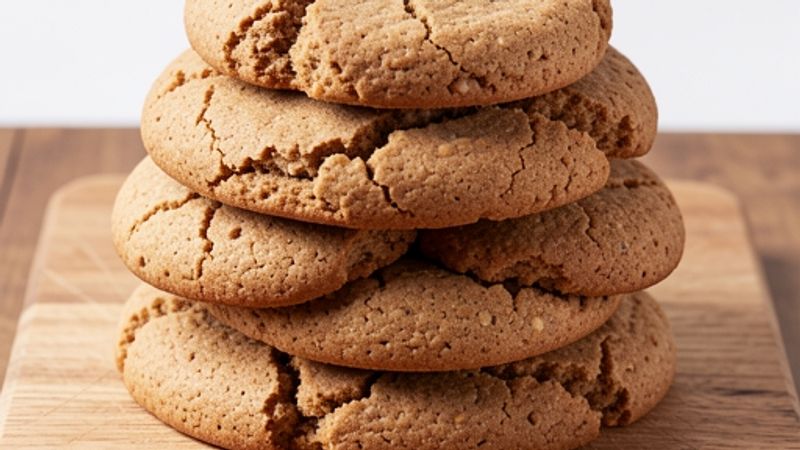
Colussi’s Caffe Latte cookies, by contrast, are soft‑baked with a tender crumb that melts quickly on the tongue. The butter‑rich dough yields a rich, creamy mouthfeel, while the coffee extract provides a distinct aromatic bitterness that balances the sugar sweetness. When dunked in milk or coffee, the cookies retain their structure for a few seconds before disintegrating, offering a classic dunk‑experience. Overall, Misura leans toward a snack that sustains energy and satiety, whereas Colussi delivers an immediate, comforting indulgence.
(Note: The article continues with the “How to Choose Between Them” section, which is omitted here as per the instruction to output only the first six sections.)
Best Products on the Market
Misura FibrePlus Whole Grain Cereal: Key ingredients include whole grain wheat, oat flakes, barley malt, and dried fruit. Two strengths are high fiber content (6 g per serving) and low added sugar. One weakness is relatively higher price compared to generic brands. Ideal for health‑conscious breakfast seekers. Barilla whole wheat vs regular: which pasta calms more?
Colussi Buondì Whole Grain Biscuits: Key ingredients include whole wheat flour, cane sugar, palm oil, and honey. Two strengths are pleasant crunchy texture and fortified with B vitamins. One weakness is presence of added sugars and palm oil. Ideal for snack lovers seeking a wholesome treat. BelVita vs Nature Valley: Whole Grain
Kellogg's All‑Bran 100% Whole Grain: Key ingredients include whole grain wheat, wheat bran, and malted barley extract. Two strengths are exceptional fiber (10 g per serving) and proven digestive health benefits. One weakness is bland taste that may require added fruit or yogurt. Ideal for individuals aiming to boost daily fiber intake. Barilla whole wheat vs regular: which pasta calms more?
Recipes and Kitchen Uses
Recipe 1: Hearty Misura Breakfast Bowl
Ingredients:
- 1 cup Misura FibrePlus Whole Grain Cereal
- 1 cup unsweetened almond milk
- 1 medium banana, sliced
- 1 tbsp chia seeds
- ¼ cup mixed berries (blueberries, raspberries)
- 1 tsp honey (optional)
Instructions:
- Combine the cereal and almond milk in a bowl; let sit for 2 minutes to soften.
- Top with banana slices, chia seeds, berries, and drizzle honey if desired.
Prep time: 5 minutes.
Recipe 2: Colussi Whole Grain Biscuit Yogurt Parfait
Ingredients:
- 2 Colussi Buondì Whole Grain Biscuits, crushed
- 1 cup plain Greek yogurt
- ½ cup mixed berries (strawberries, blackberries)
- 1 tbsp honey
- ¼ tsp ground cinnamon
Instructions:
- In a glass, layer half the yogurt, then half the crushed biscuits, and half the berries.
- Repeat the layers, drizzle with honey, and sprinkle cinnamon on top.
Prep time: 4 minutes.
Sustainability and Environmental Impact
Misura and Colussi source their grains from regional farms that employ crop‑rotation practices to maintain soil health, reducing the need for synthetic fertilizers. Packaging for both brands uses recyclable cardboard boxes with a thin inner polyethylene liner; consumers can separate the liner for proper recycling where facilities exist. Choosing products with minimal plastic and supporting brands that disclose supply‑chain transparency helps lower the overall carbon footprint of breakfast foods. Additionally, buying in bulk or selecting store‑brand whole‑grain options can further cut packaging waste.
Frequently Asked Questions
Is Misura whole grain cereal gluten-free?
Misura FibrePlus Whole Grain Cereal contains wheat, oats, and barley, all of which contain gluten, so it is not suitable for a gluten‑free diet. Those avoiding gluten should look for certified gluten‑free alternatives made from rice, quinoa, or certified gluten‑free oats.
How much fiber is in Colussi whole grain biscuits?
Each serving of two Colussi Buondì Whole Grain Biscuits provides approximately 3 g of dietary fiber, contributing about 10‑12 % of the Daily Value for a 2,000‑calorie diet. While modest, the biscuits also offer B vitamins and a satisfying crunch that can help curb mid‑morning cravings.
Can whole grain biscuits help with weight management?
Whole grain biscuits like those from Colussi can aid weight management when eaten in portion‑controlled amounts because their fiber promotes satiety and slows glucose absorption. Pairing them with protein‑rich foods such as yogurt or nuts enhances fullness, reducing the likelihood of overeating later in the day.
Final Verdict
Both Misura and Colussi deliver credible whole‑grain options with notable fiber benefits, though Misura leans toward a higher‑fiber breakfast cereal while Colussi offers a tasty, fortified biscuit snack. For consumers prioritizing maximal fiber intake, Misura FibrePlus is the stronger pick; for those seeking a convenient, enjoyable snack with moderate fiber and added vitamins, Colussi Buondì fits the bill. Consider your dietary goals, budget, and taste preferences when choosing. Barilla whole wheat vs regular: which pasta calms more?
🔍 FoodReveal helps you decode nutrition labels beyond marketing. Available for Android and iOS.
Leave a review