
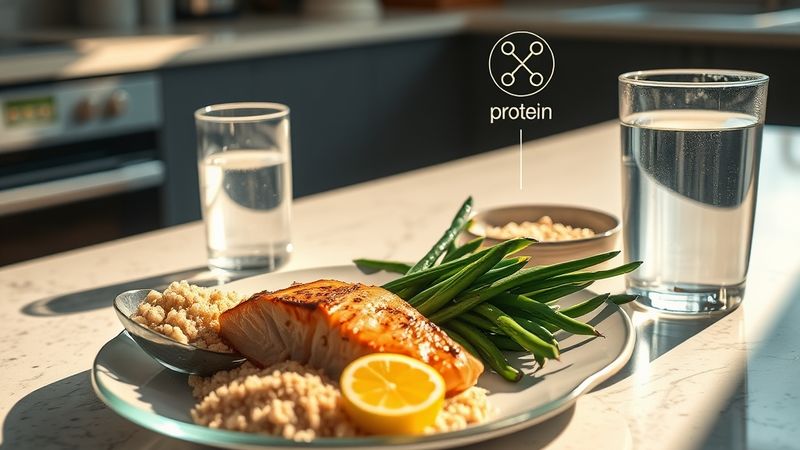
Kidney Health: Balancing Protein, Potassium & Phosphorus
Living with chronic kidney disease (CKD) means learning a new language of nutrients. Protein, potassium, and phosphorus are three pillars that can either protect or stress your kidneys, depending on how you manage them. This pillar article walks you through the science, practical strategies, and the latest tools to keep these minerals in harmony – whether you follow a traditional diet, a vegetarian diet for CKD or a plant‑forward eating pattern
How the Kidneys Work and Why These Nutrients Matter
Your kidneys filter roughly 180 liters of blood each day, extracting waste while preserving essential substances. The efficiency of this process is measured by the glomerular filtration rate (GFR). As kidney function declines, the glomerular filtration rate (GFR) drops, and the body’s ability to excrete excess potassium and phosphorus diminishes, leading to hyperkalemia and hyperphosphatemia
Key Renal Laboratory Tests
| Test | What It Shows | Typical Target in CKD |
|---|---|---|
| Serum creatinine | Muscle waste product cleared by kidneys | Lower is better; rises as GFR falls |
| Blood urea nitrogen (BUN) | Protein catabolism marker | Keep within stage‑specific range |
| Serum potassium | Potassium balance | 3.5–5.0 mmol/L |
| Serum phosphorus | Phosphorus load | 2.5–4.5 mg/dL |
| Calcium‑phosphorus product | Risk of vascular calcification | <55 mg²/dL² |
Regular renal laboratory tests guide dietary tweaks and medication adjustments
Protein: Quality, Quantity, and the Nitrogen Balance
Protein provides the building blocks for muscle protein synthesis and overall health. Yet, each gram of protein creates nitrogen waste that the kidneys must excrete. Striking the right protein load index is crucial
High‑Biological‑Value Proteins vs. Plant Proteins
- High‑biological‑value proteins (e.g., eggs, dairy, lean meat) contain all essential amino acids and support nitrogen balance efficiently
- Plant proteins (legumes, soy, quinoa) often lack one or more essential amino acids but when combined (e.g., beans + rice) they become complete
Practical Guidance
- Stage 1‑2 CKD 0.8 g/kg body weight/day of high‑biological‑value proteins
- Stage 3‑4 CKD 0.6 g/kg/day, emphasizing plant sources to reduce phosphorus load
- Dialysis 1.2 g/kg/day, with extra emphasis on essential amino acids
Balancing Protein with Phosphorus
Animal proteins are typically high in organic phosphate which is readily absorbed. Plant proteins contain phytate‑bound phosphorus an organic vs inorganic phosphate form that is less bioavailable (≈30‑40% absorption). Choosing plant proteins can lower phosphorus intake without sacrificing protein needs
Potassium: From “Rich” to “Low‑Potassium” Foods
Potassium helps regulate heart rhythm and fluid balance, but impaired kidneys struggle to excrete excess, risking hyperkalemia
Identifying Potassium‑Rich Foods and Low‑Potassium Foods
- Potassium‑rich foods bananas, oranges, tomatoes, potatoes, avocados
- Low‑potassium foods apples, berries, cabbage, white rice, pasta
Soaking to Reduce Potassium
Soaking to reduce potassium is a simple culinary technique: cut vegetables into uniform pieces, soak in a large volume of water for at least 2 hours, change the water once, then boil briefly. This leaches up to 50 % of potassium from foods like potatoes and carrots
Sample Potassium‑Friendly Meal
- Grilled chicken breast (moderate protein, low potassium)
- Soaked and boiled cauliflower (low potassium)
- White rice with a drizzle of olive oil
- Fresh berries for dessert
Phosphorus: Controlling the Silent Threat
When kidneys can’t clear phosphorus hyperphosphatemia develops, damaging blood vessels and weakening bones. The calcium‑phosphorus product is a critical marker for vascular calcification risk
- Soaking to Reduce Potassium and Phosphorus Content of
- Healthy Eating for Adults with Chronic Kidney Disease - NIDDK
- Potassium Management in Kidney Disease
- Protein supplements—trendier than ever, but take note of their
- Your kidney-friendly food plan: Managing phosphorus
🔍 FoodReveal helps you decode nutrition labels beyond marketing. Available for Android and iOS.
Leave a review