

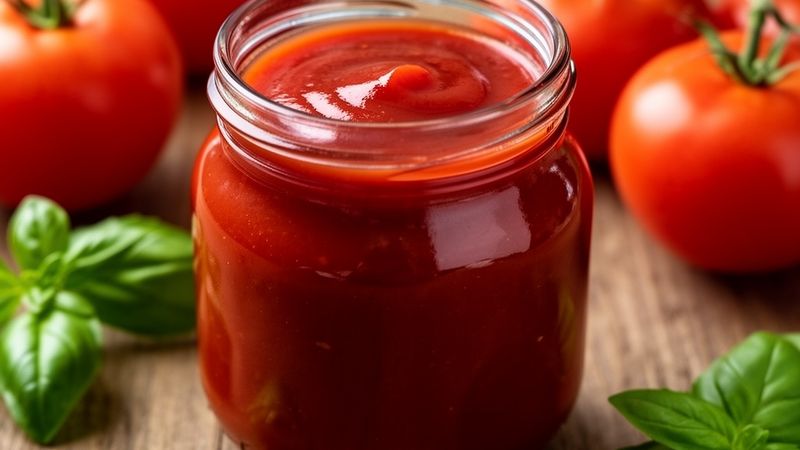
As summer heats up and grilling season reaches its peak, many of us are reaching for that classic condiment to slather on burgers, hot dogs, and fries. But if you're watching your sugar intake, store-bought ketchup can be a sneaky source of added sugars. A single tablespoon of traditional ketchup often contains upwards of 4 grams of sugar — and let's be honest, who stops at just one tablespoon? This reality has led to a surge in demand for sugar-free alternatives, both store-bought and homemade. In this article, we'll explore how to make a delicious homemade sugar-free ketchup that rivals its sugary counterparts, compare it to popular no-sugar-added store brands like Heinz, and uncover the nutritional implications of your condiment choices
What Is Sugar-Free Ketchup and How Does It Differ from Regular Ketchup?
Ketchup's origins trace back to 17th-century China, where it was made from fermented fish sauce. The modern tomato-based version emerged in the US during the 19th century, with F.A. Sawyer's 1876 patent marking the beginning of mass-produced ketchup. Traditional recipes rely on tomatoes, vinegar, spices, and sugar to balance acidity and create that signature sweet-tart flavor profile. Sugar serves multiple purposes: it enhances sweetness, acts as a preservative, and contributes to the thick, syrupy texture
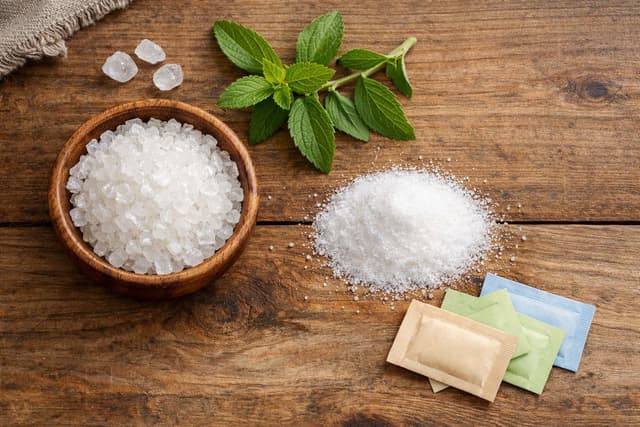
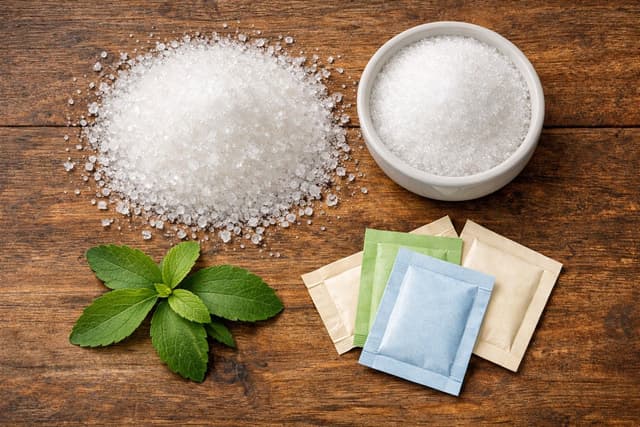
Sugar-free ketchup, by contrast, eliminates or replaces added sugars with alternatives like stevia, erythritol, or monk fruit. This shift caters to growing health-conscious demographics, including those following keto, diabetic, or low-carb diets. The production process remains largely similar — simmering tomatoes with spices and vinegar — but requires careful selection of low-carb sweeteners and thickeners like xanthan gum to replicate the desired mouthfeel
Store-bought versions such as Heinz No Sugar Added Tomato Ketchup achieve this by using red ripe tomatoes for natural sweetness and alternative sweetening agents. However, homemade variants offer greater control over ingredients, allowing consumers to avoid preservatives and adjust flavor profiles to personal preference
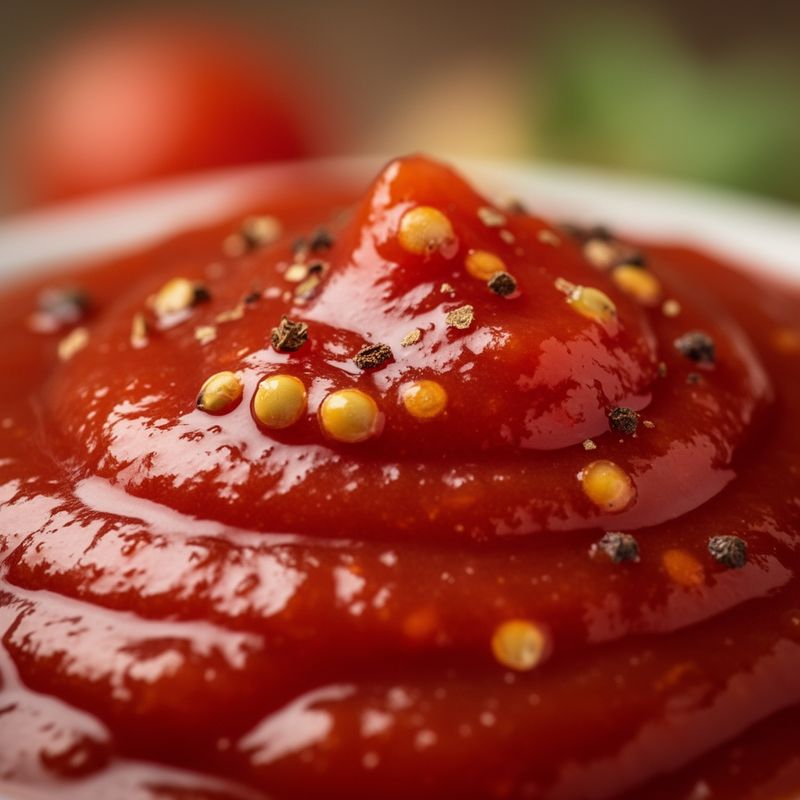
Detailed Nutritional Comparison: Homemade vs. Store-Bought
Understanding the nutritional differences between homemade and commercial sugar-free ketchup is crucial for informed choices. Below is a detailed comparison per 1 tablespoon (16g) serving
| Nutrient | Homemade (Recipe Below) | Heinz No Sugar Added | Regular Heinz Ketchup |
|---|---|---|---|
| Calories | 5 | 5 | 15 |
| Total Carbohydrates | 1g | 3g | 4g |
| Sugars | 1g (natural) | 1g (natural) | 4g (added) |
| Net Carbs | 1g | 1g | 4g |
| Sodium | 95mg | 160mg | 160mg |
| Fiber | 0g | 0g | 0g |
| Protein | 0g | 0g | 0g |
| Sweetener | Erythritol (optional) | Sucralose | High-fructose corn syrup |
Note: Homemade values may vary based on ingredient ratios. The recipe provided below yields approximately 1.5 cups (24 tablespoons)
While both sugar-free options significantly reduce added sugars and calories compared to traditional ketchup, homemade versions often contain fewer artificial additives. Heinz's formulation uses sucralose, a popular artificial sweetener that's approximately 600 times sweeter than sugar. Though FDA-approved, some studies suggest potential impacts on gut microbiota and insulin response. Homemade recipes using erythritol or allulose avoid these concerns while maintaining a clean ingredient list
Ingredients and Quality Analysis: What's Really in Your Ketchup?
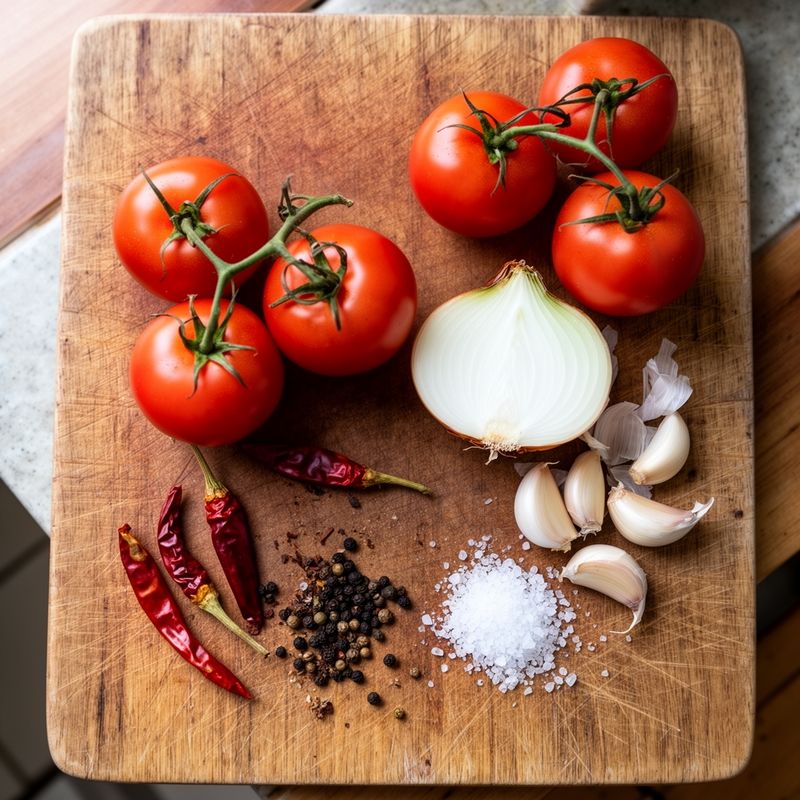
The simplicity of homemade sugar-free ketchup is one of its greatest advantages. Basic recipes require just five ingredients
- Tomatoes (fresh or canned, preferably San Marzano for depth of flavor)
- Apple Cider Vinegar (adds tanginess and acts as a natural preservative)
- Onion Powder (provides depth without raw onion bite)
- Spices (cumin, garlic powder, celery seed, and a pinch of cayenne for heat)
- Sweetener (erythritol, stevia, or allulose — optional depending on tomato sweetness)
Store-bought alternatives, while convenient, often include preservatives like potassium sorbate and sodium benzoate to extend shelf life. Heinz No Sugar Added Ketchup, for example, contains the following ingredients: tomato puree, contains 2% or less of vinegar, salt, carrageenan, onion powder, natural flavor, spices, sucralose, and xanthan gum
Carrageenan, a common thickening agent derived from red seaweed, has been controversial due to some studies linking it to gastrointestinal inflammation. While regulatory agencies deem it safe, consumers seeking clean-label products may prefer homemade versions that avoid such additives
Benefits and Potential Downsides of Sugar-Free Ketchup
Benefits
- Blood Sugar Management Eliminating added sugars helps prevent spikes in blood glucose levels, making it suitable for diabetics
- Weight Management Lower-calorie profiles support reduced overall calorie intake
- Increased Culinary Control Homemade recipes allow customization of spice levels and sweetness
- Avoidance of Artificial Sweeteners For those avoiding sucralose or aspartame, homemade versions offer natural alternatives
Potential Downsides
- Texture Differences Without xanthan gum or carrageenan, homemade ketchup may be slightly thinner
- Shorter Shelf Life Preservative-free ketchup should be refrigerated and used within 2 weeks
- Cost and Time Fresh ingredients and cooking time may be prohibitive for some
According to the Journal of Clinical Endocrinology & Metabolism reducing added sugars in the diet can lower the risk of metabolic syndrome by up to 32%. This makes sugar-free ketchup a smart swap for those prioritizing long-term health
Which Should You Choose: A Practical Guide for Different Lifestyles
For Athletes Homemade ketchup is ideal for athletes needing precise control over macros. The low-glycemic sweeteners won't cause energy crashes during training. Pair with our Gut Microbiome & Mood article to learn how diet impacts physical performance
For Families with Children Store-bought versions offer convenience for busy parents. Opt for brands with minimal additives and consider diluting with a bit of water to reduce acidity for younger palates
For Elderly Individuals The lower sodium content in homemade recipes (approximately 95mg vs. 160mg in store-bought) aligns with recommendations for heart health. Consider adding omega-3 rich spices like celery seed for added nutritional benefits
For Keto Enthusiasts A single tablespoon of Heinz No Sugar Added Ketchup contains 1g net carb, making it acceptable in moderation. However, homemade versions using erythritol (which doesn't raise blood sugar) are preferable for strict keto dieters
Recipes and Pairing Suggestions for Summer
Basic Homemade Sugar-Free Ketchup Recipe
Prep Time 10 minutes |Cook Time 30 minutes |Yield 1.5 cups
- cups tomato puree (canned or fresh)
- tbsp apple cider vinegar
- tsp onion powder
- tsp garlic powder
- 1/2 tsp ground cumin
- 1/4 tsp celery seed
- 1/4 tsp cayenne pepper (optional)
- 1/4 cup erythritol or 10 drops liquid stevia
- Pinch of salt
Combine all ingredients in a saucepan, simmer over low heat for 30 minutes, stirring frequently. Blend with an immersion blender for smoother texture. Store in an airtight container in the refrigerator
Pairing Ideas
- Grilled chicken wings with a sprinkle of smoked paprika
- Zucchini fries baked with Parmesan and garlic
- Turkey lettuce wraps with avocado slices
For more summer recipe inspiration, check out our Summer Magnum Ice Cream Review to balance savory and sweet cravings
Final Verdict: Crafting the Perfect Condiment for Your Lifestyle
The choice between homemade and store-bought sugar-free ketchup ultimately depends on your priorities. If time and convenience are paramount, Heinz No Sugar Added Ketchup offers a reliable option with consistent texture and shelf stability. However, for those seeking maximum nutritional control and clean ingredients, homemade ketchup is unmatched. With its customizable flavor profile and absence of artificial additives, it's a small investment of time that yields significant health benefits. As you fire up the grill this summer, consider making a batch — your taste buds and body will thank you
🔍 FoodReveal helps you decode nutrition labels beyond marketing. Available for Android and iOS.