
Decoding Food Labels: A Complete Guide to Healthier Choices
Understanding what’s really inside the foods we eat is the cornerstone of a balanced diet. Yet the information on most packaging can feel overwhelming—tiny fonts, unfamiliar abbreviations, and a mix of metric and imperial units. This guide breaks down every element of a food label, explains the science behind key nutrition concepts, and offers practical strategies you can use today—whether you have a smartphone app at hand or not
Why Food Labels Matter
Food labels are the most direct line of communication between manufacturers and consumers. They translate complex formulation data into a format that, when read correctly, helps you
- Identify hidden sugars, sodium, and unhealthy fatsthat may sabotage weight‑management or blood‑pressure goals
- Spot allergens and additivesthat could trigger reactions
- Assess the degree of processingto align purchases with dietary philosophies such as whole‑food, plant‑based, or low‑carb eating
- Compare products objectivelyby standardizing values to a common reference (e.g., per 100 g or per serving)
When you master label reading, you gain control over your diet without relying on guesswork
The Anatomy of a Nutrition Facts Panel (U.S.)
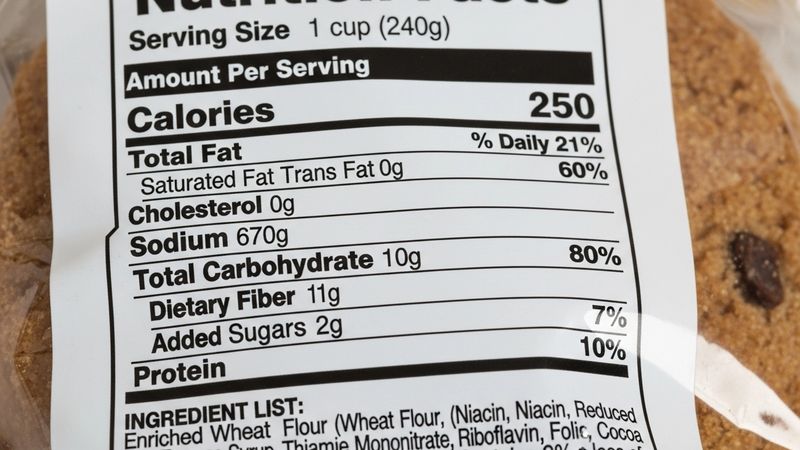
The U.S. Nutrition Facts panel follows a regulated layout mandated by the FDA. Each line conveys specific information
| Element | What It Means | How to Use It |
|---|---|---|
| Serving Size | The amount the manufacturer considers a single serving (often in grams and ounces). | Compare the listed serving size to the amount you actually eat. If you eat 2 servings, double the numbers. |
| Calories | Total energy provided per serving. | Use this to gauge how a food fits into your daily calorie budget. |
| Total Fat (including Saturated and Trans) | All fats, with sub‑categories for those linked to heart disease. | Aim for lower saturated and trans fat; prioritize unsaturated fats. |
| Cholesterol | Amount of dietary cholesterol. | Most people can tolerate moderate amounts, but those with specific heart‑health concerns may limit it. |
| Sodium | Salt content per serving. | The American Heart Association recommends <2,300 mg per day; lower is better for blood‑pressure control. |
| Total Carbohydrate (including Dietary Fiber, Total Sugars, Added Sugars) | All carbs, broken down into fiber and sugars. | Prioritize foods high in fiber and low in added sugars. |
| Protein | Amount of protein per serving. | Helpful for muscle maintenance and satiety. |
| Vitamins & Minerals | Percent Daily Value (%DV) for key micronutrients. | Use %DV to identify foods that help you meet nutrient gaps. |
TipWhen the panel lists “% Daily Value” remember that a 2,000‑calorie diet is the reference. Adjust percentages if your caloric needs differ
Converting Metric to Imperial: A Quick Reference
Many labels, especially those imported from Europe, list nutrients per 100 g. Below is a handy conversion table that lets you translate those numbers into familiar U.S. units
| Metric | Imperial Equivalent |
|---|---|
| 100 g | 3.5 oz |
| 250 g | 8.8 oz |
| 500 g | 1.1 lb |
| 1 kg | 2.2 lb |
| 5 g of sodium | 0.18 tsp (≈ 1 pinch) |
| 1 g of sugar | 0.04 oz |
Keep this table handy when you encounter European‑style packaging
Decoding Ingredient Lists
The ingredient list appears beneath the Nutrition Facts panel and is orderedby weightfrom highest to lowest. Here’s how to read it effectively
- Identify the primary ingredientThe first item tells you what makes up the bulk of the product. If it’s sugar, corn syrup, or refined flour, the food is likely highly processed
- Look for hidden sugarsTerms such assucrose, fructose, glucose, maltose, dextrose, high‑fructose corn syrup, agave nectarandevaporated cane juiceall count as added sugars
- Spot potential allergensIn the U.S., major allergens must be declared in bold or capital lettersMILK, EGGS, FISH, SHELLFISH, TREE NUTS, PEANUTS, WHEAT, SOY
- Identify additives (E‑numbers)European labels use the E‑code system (e.gE300for ascorbic acid). Common additives include
- E150a–d– Caramel color
- E202– Potassium sorbate (preservative)
- E322– Lecithin (emulsifier)
- Check for fortificationWords likeenrichedfortifiedoraddedfollowed by a vitamin/mineral indicate intentional nutrient boosts
Understanding the NOVA Classification
TheNOVAsystem categorizes foods based on the extent and purpose of processing
| NOVA Group | Description | Typical Examples |
|---|---|---|
| 1 – Unprocessed or minimally processed | Natural foods altered only for preservation or safety. | Fresh fruits, raw nuts, plain yogurt. |
| 2 – Processed culinary ingredients | Substances extracted from Group 1 foods or nature. | Sugar, oils, salt, spices. |
| 3 – Processed foods | Foods combined with Group 2 ingredients to make convenient items. | Canned beans, cheese, fresh‑bread. |
| 4 – Ultra‑processed foods | Formulations with additives, flavorings, and industrial techniques. | Soft drinks, packaged snacks, reconstituted meat products. |
Research links higher consumption ofGroup 4foods to increased risk of obesity, cardiovascular disease, and certain cancers. When you see a product dominated by additives, artificial flavors, and multiple processing steps, it likely falls into the ultra‑processed category
Portion Size vs. 100 g: Why the Difference Matters
Manufacturers often list nutrients perservingwhich can be misleading. A “single‑serve” snack may be only 20 g, while the Nutrition Facts panel also provides aper 100 gcolumn for comparison
- Per 100 goffers a standardized benchmark, useful for comparing similar products regardless of packaging
- Per servingreflects real‑world consumption, but you must verify that the declared serving size matches what you actually eat
Practical tipConvert the per‑serving numbers to a per‑100 g basis using the conversion table above, then compare across brands. This prevents hidden calorie traps
Sustainability Signals on Labels
Beyond health, many consumers care about environmental impact. Look for certifications that signal sustainable practices
- Organic (USDA Organic, EU Organic)– Indicates no synthetic pesticides or GMOs
- DOP/IGP (Denominazione di Origine Protetta / Indicazione Geografica Protetta)– Guarantees regional authenticity and traditional production methods
- Fair Trade, Rainforest Alliance– Reflect ethical sourcing and biodiversity protection
- Carbon‑footprint labels– Some brands now display CO₂ emissions per kilogram of product
While these symbols don’t guarantee lower calories or fat, they help align purchases with broader values such as biodiversity, animal welfare, and climate stewardship
Practical Strategies for Smarter Shopping (No App Required)
- Create a “label‑reading checklist.”Keep a small card in your pantry with the top five things to verify: serving size, added sugars, sodium, primary ingredient, and allergen warnings
- Shop the perimeterFresh produce, dairy, and meats are usually placed along the store’s outer edges, reducing exposure to ultra‑processed items
- Use visual cuesWhole‑grain breads listwhole wheatorwhole grainas the first ingredient. Ifenriched flourappears first, the product is likely more processed
- Batch‑cook with whole foodsPreparing meals from scratch eliminates the need to decipher multiple labels and gives you full control over portion sizes
- Read the “% Daily Value” for fiberAim for at least25 gof fiber per day; foods offering≥10 % DVper serving are good sources
- Limit “free‑from” hypeProducts marketed asgluten‑freeordairy‑freecan still be high in sugar or unhealthy fats
- Check for hidden sodiumEven “low‑sodium” soups can contain>200 mgper ½ cup; add your own herbs for flavor instead
These habits empower you to make informed choices without relying on technology
How Technology Can Help
When you need a quick, reliable analysis—especially for unfamiliar foreign labels or restaurant dishes—digital tools can fill the gap. A modern app can
- Label Scan– Use OCR to extract nutrition facts and ingredient lists from any packaging, regardless of barcode presence. The app then flags allergens and additives (including E‑numbers) for you
- Plate Estimation– Snap a photo of a plated meal; AI vision estimates calories and macronutrients when a formal label isn’t available (e.g., at a restaurant)
- NOVA Analysis– Automatically categorizes the food into the NOVA groups, highlighting ultra‑processed items
By integrating these features, technology serves as a supplemental ally, reinforcing the skills you’ve built through label literacy
Final Thoughts
Decoding food labels is a skill that pays dividends in health, budget, and environmental impact. By mastering the Nutrition Facts panel, ingredient list, NOVA classification, and sustainability cues, you can navigate grocery aisles with confidence. Pair these habits with occasional tech assistance for complex scenarios, and you’ll be well on your way to a diet that truly supports your well‑being
RememberKnowledge is the most powerful ingredient in any recipe for health
Leave a review