



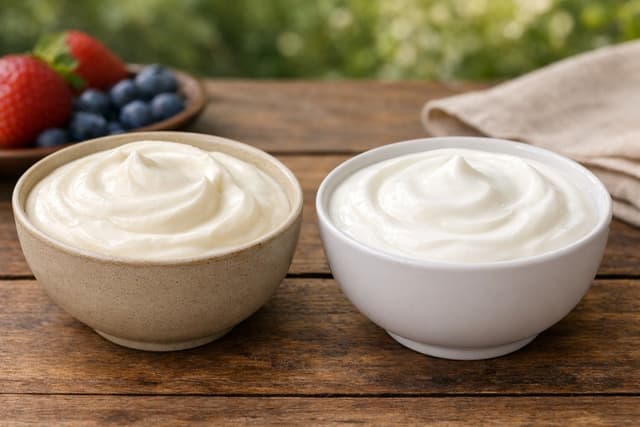
When you stroll down the dairy aisle, two names dominate the yogurt landscape Chobani and Dannon Both offer Greek‑style and regular (often labeled "traditional") yogurts, but which brand delivers the better product for your health goals, taste buds, and wallet? This deep dive compares the two giants across nutrition, ingredient quality, price, sustainability, and culinary versatility, giving you the data you need to choose the right cup for breakfast, a post‑workout snack, or a creamy base for sauces
The Basics: Greek vs. Regular Yogurt
Before we pit Chobani against Dannon, it’s essential to understand what sets Greek yogurt apart from regular yogurt Greek yogurt is made by straining regular yogurt to remove whey the liquid portion rich in lactose and some sugars. This process yields a thicker, creamier texture and concentrates protein while reducing sugar
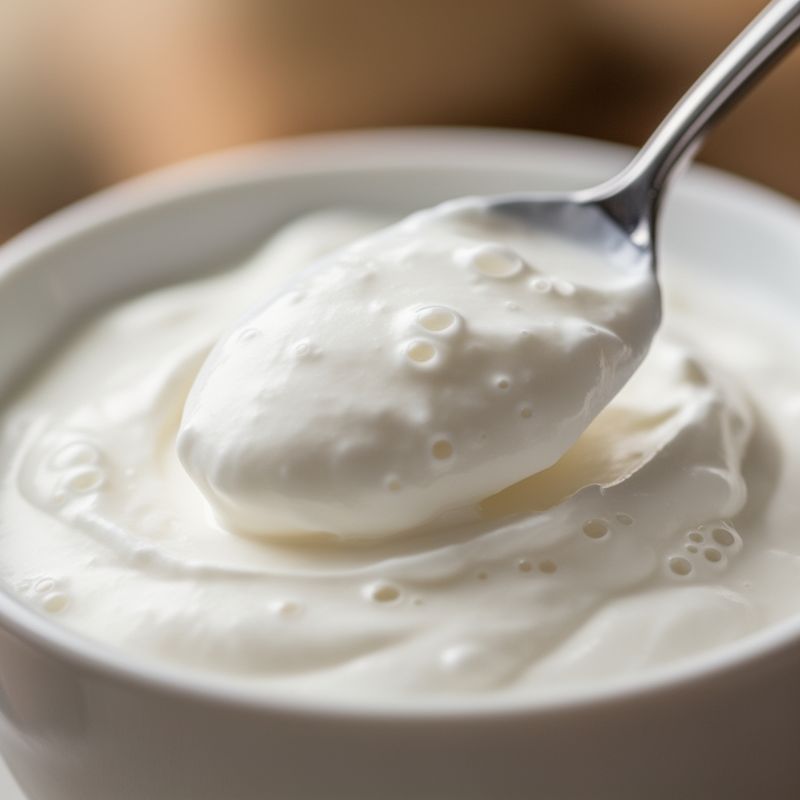
- Protein Greek yogurt typically contains 2‑3× more protein per serving than regular yogurt.\
- Sugar Because whey (which holds much of the lactose) is removed, Greek yogurt has less natural sugar\
- Texture The removal of whey creates a denser, spoon‑able product, often described as "cheese‑like"
Regular yogurt, on the other hand, retains the whey, giving it a lighter, more liquid consistency and a slightly higher carbohydrate (sugar) content. Both types deliver live cultures that support gut health, but the concentration of those cultures can vary by brand and processing method
Brand Histories at a Glance
| Brand | Year Launched (U.S.) | Notable Milestones |
|---|---|---|
| Chobani | 2005 (Greek style) | First major Greek‑style brand to achieve mass‑market success; known for clean‑label positioning and rapid flavor innovation. |
| Dannon (also known as Danone in Europe) | 1942 (U.S.) | Pioneer of American yogurt; introduced the first fruit‑on‑the‑bottom concept and later expanded into Greek lines in the early 2010s. |
Chobani’s rise was meteoric; within a decade it captured a sizable share of the U.S. Greek‑yogurt market. Dannon, the older player, leveraged its massive distribution network and brand trust to roll out Greek options that compete on price and variety
Nutritional Showdown
Below is a side‑by‑side comparison of the plain, non‑fat versions of Chobani and Dannon Greek yogurt versus their regular‑yogurt counterparts. Values are per 5.3 oz (150 g) serving the standard single‑serve cup size in U.S. supermarkets
| Feature | Chobani Greek (Non‑Fat) | Dannon Greek (Non‑Fat) | Chobani Regular | Dannon Regular |
|---|---|---|---|---|
| Calories | 80 kcal | 90 kcal | 100 kcal | 110 kcal |
| Protein | 15 g | 13 g | 5 g | 5 g |
| Total Sugar | 4 g | 5 g | 12 g | 12 g |
| Fat (Total) | 0 g | 0 g | 0 g | 0 g |
| Calcium | 20 % DV | 15 % DV | 15 % DV | 15 % DV |
| Live Cultures | 5+ strains | 4+ strains | 4+ strains | 4+ strains |
| Ingredients | 2 (milk, cultures) | 2 (milk, cultures) | Milk, cultures, fruit puree (optional) | Milk, cultures, fruit puree (optional) |
Sugar includes naturally occurring lactose; flavored varieties often add extra sweeteners
Key takeaways
- Protein power Chobani Greek leads with 15 g per cup, ideal for muscle repair and satiety.\
- Sugar savings Both Greek options cut sugar roughly in half compared to regular versions.\
- Ingredient simplicity The cleanest lists (just milk and cultures) belong to the Greek lines, aligning with consumer demand for minimal processing
Ingredient Transparency & Clean‑Label Appeal
Consumers increasingly scan labels for additives, artificial sweeteners, and unnecessary thickeners Chobani’s Greek yogurts typically boast a two‑ingredient list (milk + live cultures) for plain varieties, mirroring recommendations from nutritionists for the healthiest Greek yogurts【3†L1-L4】. Dannon’s plain Greek also sticks close to this model, though some flavored options introduce fruit concentrates, cane sugar, or pectin
When it comes to regular yogurt, both brands add stabilizers (often pectin or gelatin) to maintain a smooth texture after the whey is retained. Flavored regular yogurts frequently contain added sugars and fruit puree concentrates which can push the sugar content above the American Heart Association’s recommended daily limit for women (25 g) and men (36 g)
Pro‑Tip for Label Readers
If you’re hunting for the purest product, look for
1 Only two ingredients– milk and live cultures.\
2 No added sugars– choose “plain” or “unsweetened”.\
3 Live & active cultures– a seal from the National Yogurt Association guarantees a minimum of 10⁸ CFU per gram
For a deeper dive on reading labels, see our guide on How to read food labels: The ultimate guide to healthier choices
Health Implications: Which Is Better for You?
Protein‑Focused Diets
Athletes, seniors, and anyone looking to stay fuller longer will benefit from the protein density of Greek yogurt. A single cup of Chobani Greek provides 30 % of the daily value (DV) for protein supporting muscle synthesis after resistance training. Regular yogurt, with roughly 5 g of protein per cup, falls short for these goals
Blood Sugar & Diabetes Management
Because Greek yogurt strips out whey (which contains lactose), it has a lower glycemic impact Studies highlighted in the article Which Is Healthier: Greek Yogurt or Regular Yogurt? note that plain Greek yogurt can reduce post‑prandial glucose spikes compared to regular yogurt, especially when paired with fiber‑rich toppings like berries or nuts
Gut Health
Both Greek and regular yogurts deliver probiotic cultures that can improve gut microbiota diversity. However, the concentration of live cultures tends to be higher in Greek varieties due to the reduced water content, meaning you get more CFUs per gram For a broader perspective on fermented foods and gut health, explore Fermented foods: kimchi, kefir, miso & gut microbiome
Calcium & Bone Health
Regular yogurt often contains slightly more calcium per serving because the whey (rich in calcium) is retained. If bone health is your primary concern, a regular, calcium‑fortified yogurt can be a good choice, though many Greek yogurts are now enriched to close the gap
Price & Value Comparison
| Brand & Type | Average Price (per 5.3 oz cup) | Cost per Gram of Protein |
|---|---|---|
| Chobani Greek (Non‑Fat) | $1.10 | $0.07 |
| Dannon Greek (Non‑Fat) | $0.95 | $0.07 |
| Chobani Regular | $0.85 | $0.17 |
| Dannon Regular | $0.80 | $0.16 |
While Dannon Greek is marginally cheaper per cup both Greek options deliver a superior cost‑per‑gram‑protein compared to their regular counterparts. For families buying in bulk, the multi‑pack savings often make Greek yogurt the more economical choice for high‑protein needs
Sustainability & Corporate Responsibility
Packaging
Both Chobani and Dannon have taken steps to reduce plastic waste Chobani introduced recyclable, BPA‑free containers and is piloting paper‑based cups in select markets. Dannon’s Eco‑Smart line uses post‑consumer recycled (PCR) plastic and has a take‑back program for used cups in partnership with select grocery chains
Sourcing & Animal Welfare
- Chobani sources milk from U.S. dairy farms that meet the Animal Welfare Approved (AWA) standards for a portion of its supply, and it publishes a milk‑sourcing map on its website
- Dannon operates a global dairy sustainability program focusing on reducing methane emissions and improving herd health In the U.S., it reports 90 % of its milk comes from farms adhering to its “Responsible Dairy” guidelines
Both companies are transparent about their sustainability goals but Chobani’s public milk‑origin map gives consumers a clearer view of where their dairy comes from
Culinary Uses: From Breakfast Bowls to Savory Sauces
Breakfast & Snacks
- Greek yogurt Perfect as a base for protein‑packed parfaits—layer with fresh berries, a drizzle of honey, and a sprinkle of granola. Its thickness holds up well under toppings without getting soggy
- Regular yogurt Works beautifully in smoothies where a lighter texture blends easily with fruit and leafy greens
Cooking & Baking
- Greek yogurt can replace sour cream or mayonnaise in dips, dressings, and even baked goods, cutting calories while adding a protein boost
- Regular yogurt excels in marinades (e.g., Greek‑style chicken) where its acidity helps tenderize meat without overwhelming the flavor
Pairings with Other Lacto‑Fermented Foods
Combining yogurt with kimchi, kefir, or miso can create a probiotic powerhouse. For inspiration, read our piece on Fermented foods: kimchi, kefir, miso & gut microbiome
Consumer Preference & Taste Tests
Blind taste tests conducted by several food blogs consistently rank Chobani’s Greek yogurt as creamier and less tangy than Dannon’s, appealing to those who prefer a milder flavor. Dannon’s Greek, however, often scores higher on tanginess which some consumers associate with a “more authentic” Greek experience
Flavor variety is another differentiator
- Chobani offers a broad range of fruit‑on‑the‑bottom flax‑seed and plant‑based options (e.g., coconut‑milk Greek).\
- Dannon leans into classic fruit swirls and low‑fat dessert‑style flavors like “Peach Mango” and “Blueberry Crumble”
If you’re a sweet‑tooth Dannon’s dessert‑style yogurts may satisfy cravings, but they often contain added sugars that push the total sugar content above 10 g per cup—something to watch if you’re managing blood glucose
Bottom Line: Which Should You Choose?
| Goal | Recommended Brand & Type |
|---|---|
| Maximum protein per dollar | Chobani Greek (Non‑Fat) – 15 g protein, modest price, clean label. |
| Lowest sugar | Plain Greek (both brands) – under 5 g sugar per cup. |
| Higher calcium | Regular yogurt (both brands) – retains whey‑derived calcium. |
| Budget‑friendly bulk | Dannon Greek (multi‑pack) – slightly cheaper per cup. |
| Sustainability focus | Chobani – transparent milk‑sourcing map and recyclable packaging pilots. |
| Versatile cooking | Regular yogurt – smoother texture for sauces and marinades. |
Ultimately your personal priorities—whether it’s protein, sugar, price, or eco‑credentials—will dictate the winner. Both Chobani and Dannon deliver high‑quality dairy, but the Greek line from either brand outperforms the regular version on protein and sugar metrics, making it the go‑to choice for most health‑conscious consumers
Quick Shopping Checklist
- Look for “plain” or “unsweetened”to keep sugar low
- Check the ingredient list– aim for just milk and live cultures
- Compare the protein gram count per serving; 10 g+ is a solid benchmark
- Consider the package size– larger tubs often have a lower cost per gram of protein
- Mind the expiration date– fresher yogurts retain more live cultures
By using this guide, you can navigate the yogurt aisle with confidence, ensuring you pick a product that aligns with your nutritional goals and lifestyle
Related Reads
- Zero Added Sugar: facts, label tricks & 5 snacks
- Fermented foods: kimchi, kefir, miso & gut microbiome
- How to read food labels: The ultimate guide to healthier choices
All nutritional values are based on the manufacturers’ label information as of 2024 and may vary slightly by flavor or regional formulation.
🔍 FoodReveal helps you decode nutrition labels beyond marketing. Available for Android and iOS.
Sources and Further Reading
1 Which Is Healthier: Greek Yogurt or Regular Yogurt?
2 Yogurt: A Buying Guide - by Jane Black - Consumed