

Introduction
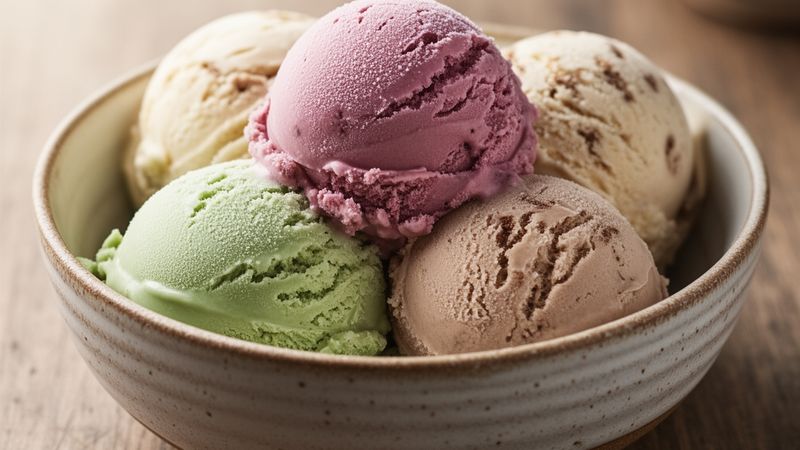
Ice cream is one of the most beloved desserts worldwide, yet the product that lands on a supermarket shelf can be dramatically different from the scoop served in a small, family‑run gelateria. The divide between artisan (or “craft”) ice cream and industrial ice cream is not merely a matter of scale; it is rooted in distinct philosophies of ingredient selection, processing technology, texture goals, nutritional outcomes, and environmental footprints. This article dissects those differences, drawing on recent research and industry observations, to help consumers, producers, and policymakers understand what lies behind the creamy swirl in their cone
Defining Artisan Ice Cream
Core Philosophy
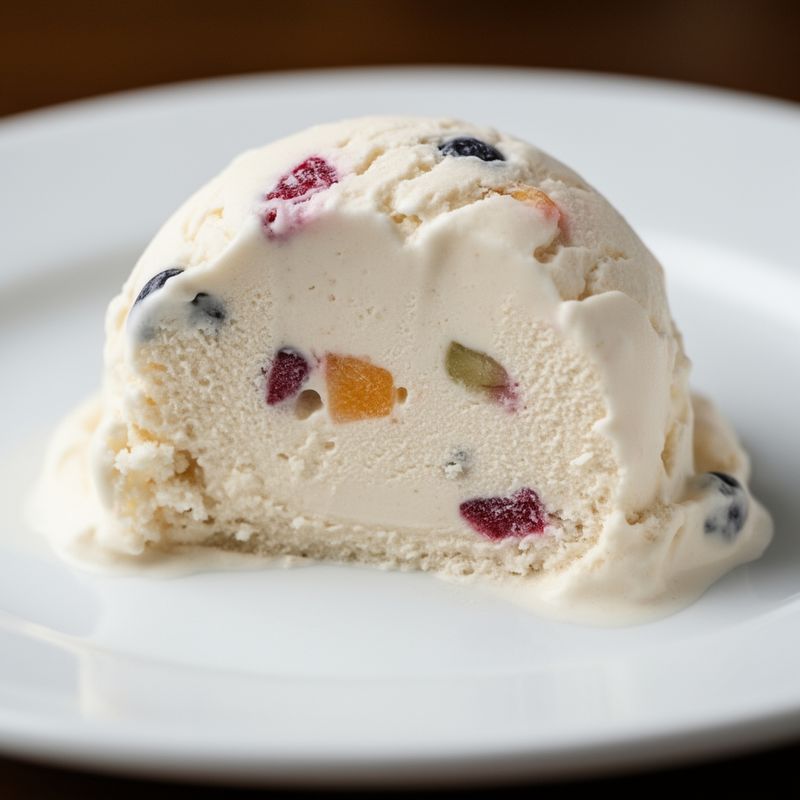
Artisan ice cream makers view their product as a culinary art rather than a commodity. The emphasis is on fresh, high‑quality ingredients seasonal flavors, and a hands‑on approach that allows for rapid iteration and personal expression. Small‑batch production (often under 100 L per hour) enables tight control over each stage of the process, from pasteurisation to the final churn
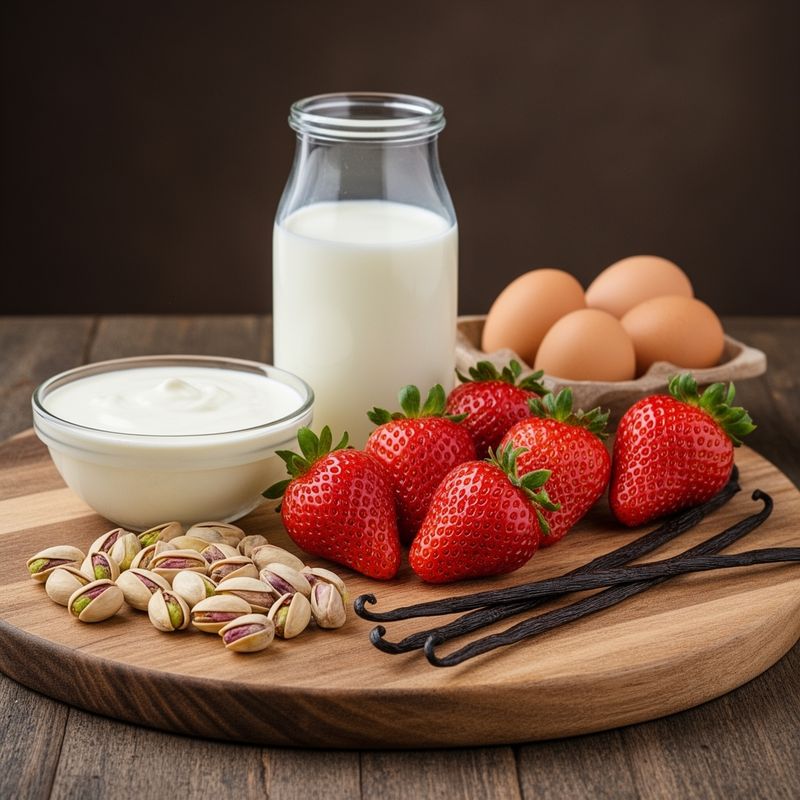
Typical Ingredients
Research shows that artisan producers avoid synthetic stabilisers and emulsifiers, relying instead on the natural protein‑fat matrix of dairy and the inherent viscosity of fresh fruit purées (Source [3])
Production Techniques
Artisan operations typically employ batch freezers that churn at slower speeds, producing a denser product with low overrun (air incorporation) – usually 20‑40 % compared with 50‑100 % for many industrial brands. The lower overrun results in a richer mouthfeel and a more intense flavor perception because there is less dilution of the base
Defining Industrial Ice Cream
Core Philosophy
Industrial ice cream is engineered for mass distribution long shelf‑life, and consistent texture across millions of servings. The focus is on efficiency, cost‑effectiveness, and the ability to transport the product through a cold‑chain without degradation
Typical Ingredients
Industrial recipes frequently contain higher levels of added sugars and processed fats sometimes derived from palm oil or other vegetable oils, to achieve a stable melt‑resistance and a uniform mouthfeel (Source [5])
Production Techniques
Large‑scale plants use continuous freezers capable of processing 20‑100 L per hour per line, with sophisticated pasteurisation, homogenisation, and air‑injection systems. Overrun can exceed 80 %, creating a lighter, softer product that is easier to scoop from frozen blocks. The heavy use of stabilisers and emulsifiers prevents ice crystal growth during storage, extending shelf‑life to several months
Ingredient Comparison: Quality, Function, and Health
Dairy Base
Artisan producers often source grass‑fed, hormone‑free milk with a richer fatty profile. This not only contributes to a buttery texture but also supplies higher levels of conjugated linoleic acid (CLA) and fat‑soluble vitamins (A, D, E, K). In contrast, industrial brands may rely on milk powder and vegetable‑oil creams which lower cost but also reduce these nutritionally beneficial components
Sweeteners
A study of heavy‑metal content in ice creams (Source [2]) highlighted that refined sugars can carry trace amounts of contaminants such as lead and cadmium, especially when processed at large scale. Artisan ice creams, using raw cane sugar or natural sweeteners tend to have lower contaminant loads and allow the maker to control the total sugar concentration often resulting in a product with 10‑20 % less added sugar than the average industrial counterpart (Source [5])
Fats and Oils
The fat source dramatically influences flavor release. Dairy butterfat carries aromatic compounds that melt at body temperature, enhancing perception of fruit or chocolate notes. Industrial formulations may substitute part of the butterfat with hydrogenated or interesterified vegetable oils which can introduce trans‑fatty acids (though many manufacturers have reduced these in recent years). These substitutions affect both taste and health as trans‑fats are linked to cardiovascular risk
Stabilisers and Emulsifiers
Stabilisers such as guar gum, locust bean gum, and carrageenan are essential for industrial ice cream to prevent ice crystal growth during storage and transport. While generally recognised as safe, some consumers report digestive discomfort with high levels of these hydrocolloids. Artisan makers often eschew these additives relying on the natural viscosity of fruit purées, egg yolks, or a modest amount of natural gums The trade‑off is a product that may soften faster after thawing but offers a cleaner label
Process and Technology: From Batch to Continuous
Pasteurisation and Homogenisation
Both artisan and industrial producers pasteurise their mix to destroy pathogenic microbes, but the scale and precision differ Artisan plants use small‑capacity batch pasteurisers that can be fine‑tuned for each recipe, preserving delicate flavours. Industrial lines employ high‑throughput continuous pasteurisation which can lead to greater Maillard reactions and a slightly cooked flavour profile
Churning and Overrun
Overrun—the incorporation of air—directly influences texture and caloric density. Artisan ice creams typically target 20‑40 % overrun yielding a denser, creamier product. Industrial brands often push overrun to 70‑100 % creating a lighter feel but also diluting the fat and flavour concentration This difference is perceptible to the palate: a scoop of artisanal gelato feels richer and melts more slowly on the tongue
Freezing Rate
Rapid freezing (known as flash freezing) creates smaller ice crystals, resulting in a smoother mouthfeel. Artisan makers often use batch freezers with high shear achieving a quick freeze but on a smaller volume. Industrial plants employ continuous freezers with controlled crystallisation balancing speed with the need to maintain uniformity across thousands of liters
Texture, Overrun, and Mouthfeel
The texture of ice cream is a complex interplay of fat globule size, air cell distribution, and ice crystal size. Studies comparing commercial and artisanal products (Source [3]) show that artisanal ice cream has larger fat globules and fewer air bubbles which contributes to a silky, velvety texture Industrial ice cream, with its high overrun and extensive stabiliser use, tends toward a softer, more aerated bite that can feel “fluffy” but may lack the depth of mouthfeel prized by connoisseurs
Nutritional Impact
Caloric Density
Because artisan ice cream contains less air and often higher butterfat it can be more calorie‑dense per serving (approximately 250‑300 kcal per ½ cup) compared with a highly aerated industrial version (around 180‑220 kcal). However, the overall sugar load is frequently lower in the artisan product, potentially balancing the caloric equation for health‑conscious consumers
Sugar and Fat Quality
Artisan ice creams frequently use natural sweeteners and higher‑quality dairy fats delivering more micronutrients (vitamins A, D, calcium) and fewer refined carbohydrates Industrial ice creams often contain added sugars that can exceed 15 % of the product weight, contributing to higher glycaemic response and increased risk of obesity when consumed in excess (Source [5])
Additives and Contaminants
The heavy‑metal study (Source [2]) found detectable levels of lead and cadmium in both industrial and artisanal samples, but concentrations were significantly higher in the industrial varieties likely due to larger supply chains and the use of certain flavour‑enhancing additives. While the levels were below regulatory limits, the finding underscores the importance of transparent sourcing and rigorous testing especially for mass‑produced ice cream
Shelf Life, Stability, and Additives
Industrial ice cream is formulated for months of shelf stability Stabilisers, emulsifiers, and antioxidants (e.g., tocopherols) protect against fat oxidation and ice crystal growth allowing the product to remain smooth after repeated temperature fluctuations. Artisan ice cream, lacking many of these additives, typically has a shorter shelf life (2‑4 weeks when kept at –18 °C) and is best enjoyed fresh
Environmental and Economic Considerations
Resource Use
Large‑scale dairy processing requires significant water and energy and the use of milk powder reduces transportation weight but adds a processing step that consumes additional energy. Artisan producers often source local milk and seasonal fruit reducing transport emissions and supporting regional agriculture
Waste Management
Industrial plants generate substantial waste streams (e.g., whey, excess stabiliser runoff) that must be treated. Small‑batch artisans typically produce less waste and can repurpose by‑products (e.g., using whey in baked goods). However, artisan operations may have higher per‑unit packaging waste if they sell in individual containers
Economic Impact
Artisan ice cream supports local economies creating skilled jobs and encouraging culinary tourism. Industrial brands provide economies of scale making ice cream affordable for a broader demographic but often at the expense of margin for small producers
Health Considerations Beyond Nutrition
Digestibility
The presence of hydrocolloid stabilisers in industrial ice cream can cause bloating or mild gastrointestinal upset in sensitive individuals. Artisan ice cream’s cleaner ingredient list typically results in better digestibility though the higher fat content may be problematic for those with gallbladder issues
Allergens and Intolerances
Industrial formulations frequently contain trace nuts, soy lecithin, and gluten‑based stabilisers increasing the risk of accidental allergen exposure. Artisans often label each batch clearly and can custom‑make allergen‑free versions upon request
Consumer Perception and Market Trends
Surveys indicate that 70 % of consumers associate the term “artisan” with higher quality, natural ingredients, and ethical sourcing Conversely, “industrial” is linked to convenience, lower price, and uniformity The rise of premium‑segment ice cream—where brands blend artisanal aesthetics with industrial distribution—shows a market convergence but the underlying ingredient and process differences remain stark
Conclusion
Artisan and industrial ice creams occupy opposite ends of a spectrum defined by ingredient integrity, processing technology, texture goals, nutritional profile, and environmental footprint While industrial ice cream excels in consistency, shelf stability, and affordability it often does so at the cost of natural flavour depth, cleaner labels, and sometimes higher levels of added sugars and additives Artisan ice cream offers rich, nuanced flavours, higher-quality dairy, and a more transparent ingredient list but demands fresh consumption and typically commands a higher price
For the informed consumer, the choice hinges on priorities taste and provenance versus convenience and cost For producers, the challenge lies in balancing craftsmanship with scalability perhaps by adopting selective industrial technologies—such as precise pasteurisation and low‑overrun freezers—while retaining a commitment to fresh, local ingredients As the industry evolves, hybrid models may emerge, offering the best of both worlds the sensory excellence of artisan ice cream paired with the logistical advantages of industrial production
🔍 FoodReveal helps you decode nutrition labels beyond marketing. Available for Android and iOS.
Sources
- How does industrial ice cream differ from semi-commercial, artisan
- Heavy Metal Presence in Two Different Types of Ice Cream
- The chemical and attitudinal differences between commercial and
- Can you tell artisanal ice-creams from industrial ones? - Unico Gelato
- Differences between industrial and home-made ice creams