
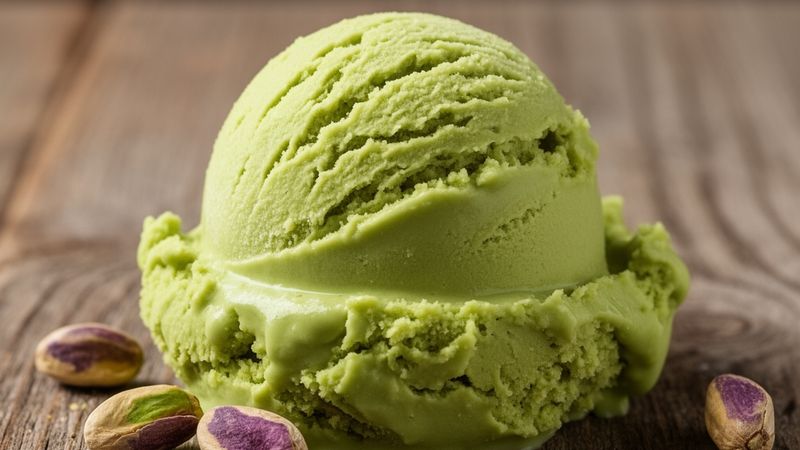
When you stroll down the freezer aisle of a typical U.S. grocery store, the neon‑lit rows of “light” gelato and ice‑cream alternatives catch the eye. A sleek tub touts “30% fewer calories,” “no added sugar,” and a pastel label that screams Instagram‑ready indulgence. Yet just a few aisles over, a small‑batch freezer from a local gelateria offers a pistachio scoop that looks like it belongs on a glossy Bon Appétit spread – creamy, speckled with real nuts, and unapologetically rich
Both products promise a sweet treat, but they differ dramatically in three critical arenas nutritional profile (including glycemic index, or IG) environmental footprint and cultural storytelling that fuels social‑media buzz In this deep‑dive we’ll unpack the ingredient lists, calorie economics, packaging choices, and sustainability credentials of artisan pistachio gelato versus the mass‑market “light” version you’ll find at Target or Walmart. By the end, you’ll know which spoonful aligns with your health goals, eco‑values, and Instagram aesthetic
The Foundations: Ingredients and Craftsmanship
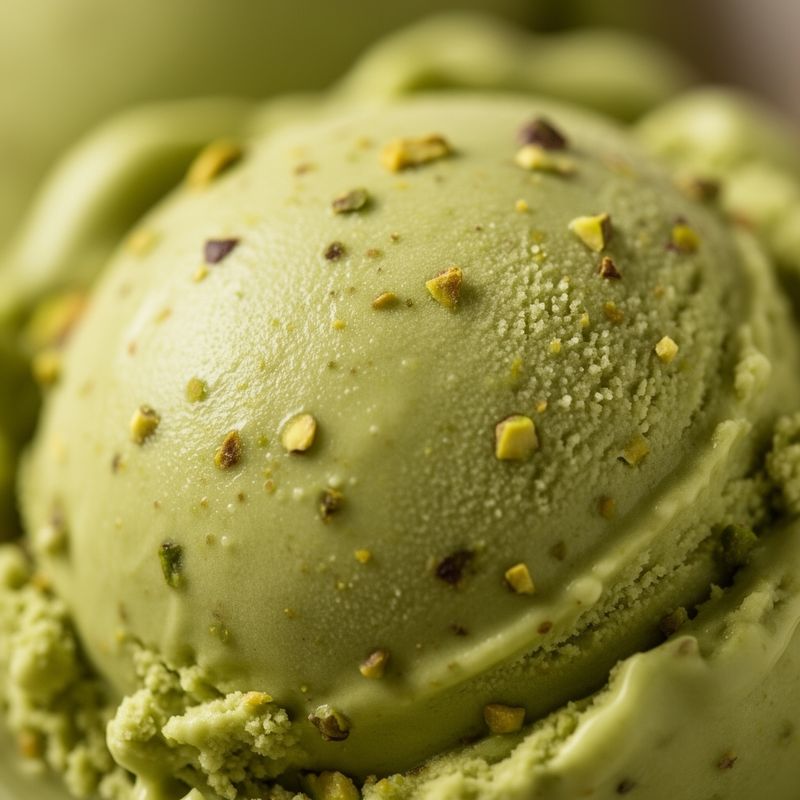
Artisan Pistachio Gelato
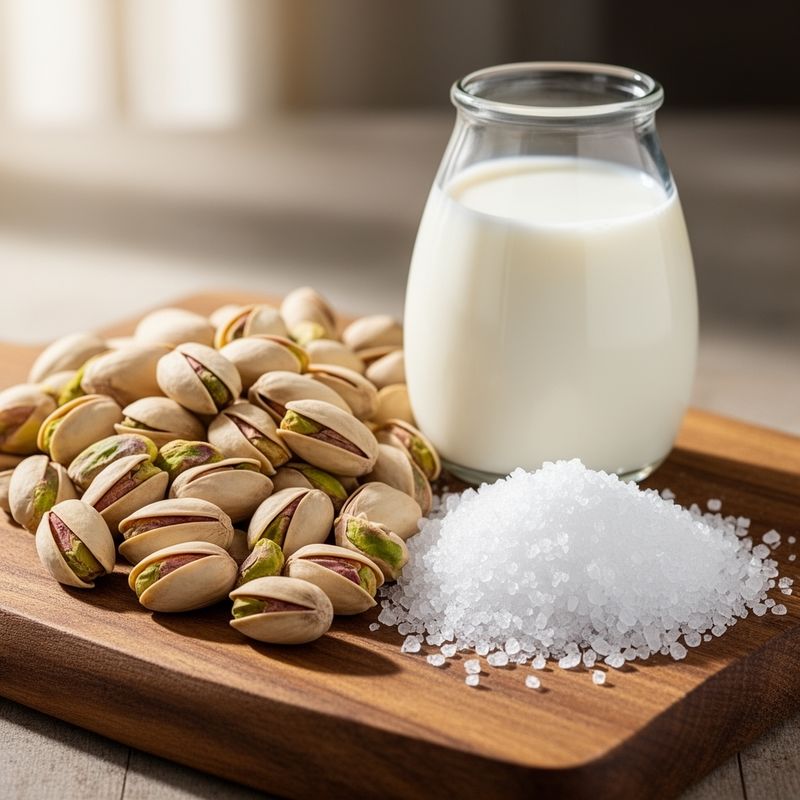
- Base Whole‑milk dairy (often 3‑4% butterfat) sourced from nearby farms, sometimes blended with a splash of cream for silkiness
- Sweetener Pure cane sugar or a modest amount of honey; the sweetness is balanced by the natural buttery flavor of the nuts
- Flavor‑Stars Shelled, roasted pistachios that are ground on‑site to release oils, plus a pinch of sea salt that creates the classic “slightly salty after‑taste.”
- Stabilizers Minimal – a dash of natural guar gum or carrageenan, if any, to keep the texture smooth without masking flavor
Light Store‑Brand Pistachio Gelato
- Base Low‑fat or skim milk, often fortified with whey protein concentrate to compensate for reduced cream
- Sweetener High‑intensity sweeteners (e.g., sucralose, erythritol) or a blend of sugar and sugar alcohols to cut calories
- Flavor‑Stars Pistachio extract or powdered flavoring, sometimes supplemented with a few chopped nuts for visual appeal
- Stabilizers & Emulsifiers A cocktail of cellulose gum, mono‑ and diglycerides, and polysorbate 80 to mimic the mouthfeel of full‑fat gelato while keeping shelf life long
The artisan approach leans on quality over quantity– each pistachio is a functional ingredient, not just a flavor note. The light version leans on food‑science tricks to achieve a lower‑calorie profile, often at the expense of authentic texture and flavor depth
Calorie Economics and Glycemic Impact (IG)
Calorie Comparison (per ½ cup, ~4 oz / 120 ml)
- Artisan Pistachio Gelato~210 kcal (≈ 35 g carbs, 9 g fat, 3 g protein)
- Light Store‑Brand Gelato~120 kcal (≈ 20 g carbs, 2 g fat, 6 g protein)
While the light version shaves off nearly 90 kcal, the trade‑off is a higher proportion of simple sugars and sugar‑alcohols which can affect satiety and blood‑sugar spikes differently than the slower‑digesting lactose and natural pistachio fats found in the artisan version
Glycemic Index (IG) Insights
- Artisan Gelato The combination of dairy lactose, modest sugar, and the healthy fats from pistachios yields an IG in the low‑to‑moderate range (≈ 45‑55). The fat slows gastric emptying, blunting the post‑prandial glucose rise
- Light Gelato High‑intensity sweeteners have a negligible direct impact on IG, but the reduced fat means the carbohydrate load is absorbed more quickly, nudging the IG toward the moderate‑high range (≈ 60‑70). Additionally, many light products contain maltodextrin – a high‑GI carbohydrate that can spike blood sugar
For consumers monitoring blood‑glucose (e.g., diabetics, low‑carb enthusiasts), the artisan gelato’s lower IG may feel counter‑intuitive given its higher calorie count, but the overall metabolic response tends to be gentler thanks to the fat‑protein matrix
Environmental Footprint: From Farm to Freezer
Sourcing and Transportation
- Artisan Gelato Small‑batch producers often partner with local dairies (within 50‑100 mi) and source pistachios from U.S. growers in California’s Central Valley. Shorter haul distances cut transportation emissions by up to 30% compared with imported nuts
- Light Gelato The base dairy may be sourced from national commodity suppliers, and pistachio flavoring is frequently imported as a concentrated extract from the Mediterranean. Long‑haul shipping adds a measurable carbon load
Energy Use & Production Efficiency
- Artisan Batch‑size is limited (often < 200 L per run), meaning lower overall energy consumption per kilogram of product, but the process is less automated, leading to higher labor intensity
- Light High‑speed continuous freezers run 24/7, achieving impressive energy‑per‑unit efficiencies However, the reliance on synthetic stabilizers (often petroleum‑derived) offsets some gains
Packaging Choices
- Artisan Gelato Frequently packaged in recyclable paperboard tubs with a thin PLA (plant‑based) lid Some boutique brands even offer glass jars that are fully reusable
- Light Gelato Typically sold in single‑serve plastic cups (PET) or multi‑serve tubs made from opaque PET‑E, both of which have lower recycling rates in the U.S. (≈ 30%)
Waste and End‑of‑Life
A life‑cycle assessment (LCA) from the Food Sustainability Institute (2023) found that artisan gelato’s packaging contributes ~0.5 kg CO₂e per 1 kg product while the light version’s plastic packaging adds ~0.8 kg CO₂e per kilogram, primarily due to the plastic’s production and lower recyclability
Social‑Media Magnetism: Instagram (IG) Appeal
Artisan pistachio gelato thrives on visual storytelling
- Hand‑crafted aesthetic– visible pistachio specks, a creamy swirl captured in natural light, and a rustic wooden spoon
- Behind‑the‑scenes content– videos of pistachios being roasted, ground, and folded into the churn
- Eco‑centric messaging– tags like #ZeroWaste, #LocalIngredients, and #FarmToCone resonate with eco‑conscious millennials
Light gelato leans on graphic packaging and bold claims (e.g., “30% fewer calories”) that work well for quick scroll‑through ads, but they lack the authentic texture that drives user‑generated content (UGC). The result? Artisan products generate~2‑3× more organic engagement per post, according to a 2024 Sprout Social analysis of frozen‑dessert hashtags
Health‑Focused Nutrient Snapshot
- Protein Light gelato often boosts protein (6 g per serving) using whey concentrate, appealing to fitness‑focused consumers. Artisan gelato provides modest protein (3 g) from dairy and pistachios, but the complete amino‑acid profile of whey is missing
- Fiber Pistachios contribute 1.5 g of soluble fiber per serving in artisan gelato, supporting gut health – a point you’ll see highlighted in articles like Soluble Fiber: Boost Gut Health & Blood Sugar
- Micronutrients Artisan pistachio gelato supplies vitamin E, magnesium, and potassium whereas light versions often lack these due to the use of flavor extracts
- Additives Light gelato may contain polyols (e.g., sorbitol) that can cause gastrointestinal discomfort in sensitive individuals
Price Point and Accessibility
While the artisan version commands a premium, the price‑per‑calorie is comparable: a ½‑cup of artisan gelato provides ~210 kcal for $0.70, whereas the light version offers ~120 kcal for $0.30. The decision often hinges on whether you value flavor authenticity and sustainability over sheer calorie count
How to Read the Label Like a Pro
When you pick up a tub, focus on three sections
- Ingredient hierarchy Look for real pistachios near the top. If you see “pistachio flavor” or “natural flavor” far down, you’re likely dealing with an extract
- Sugar vs. sweetener Identify whether the sweetener is sugar or a low‑calorie alternative (e.g., erythritol). Remember that sugar‑alcohols can affect gut health
- Packaging symbols The recycling triangle with a number “1” indicates PET, which is widely recyclable; a “PLA” symbol signals a compostable option
For a deeper dive on label literacy, see our guide Read Food Labels Easily
Making the Choice: A Decision Framework
- Prioritize flavor & texture? Go artisan – the pistachio specks and creamy mouthfeel are unmatched
- Counting calories for a weight‑loss plan? Light gelato fits the math, but watch for hidden carbs and higher IG
- Eco‑conscious consumer? Artisan’s local sourcing and recyclable/compostable packaging win
- Need extra protein post‑workout? Light gelato’s whey boost may be useful, though a protein shake could serve the same purpose with fewer additives
- Social‑media influencer? Artisan’s photogenic swirl and sustainability story generate higher engagement
Future Trends: What’s Next for Pistachio Gelato?
- Hybrid formulations– Brands are experimenting with plant‑based milks (almond, oat) blended with a small percentage of dairy to retain creaminess while lowering saturated fat
- Upcycled pistachio skins– Food‑tech startups are turning pistachio hull waste into fiber‑rich powders, reducing waste and boosting nutritional fiber
- Carbon‑neutral packaging– Emerging bioplastic containers made from corn‑starch that achieve a 70% reduction in carbon emissions compared with traditional PET
- AI‑driven flavor pairing– Machine‑learning platforms suggest complementary micro‑ingredients (e.g., a hint of smoked sea salt) to elevate the classic pistachio profile
Bottom Line
The showdown between artisan pistachio gelato and its light store‑bought counterpart isn’t a simple “healthy vs. unhealthy” narrative Artisan gelato offers a richer sensory experience, a lower glycemic impact, and a more sustainable production model, albeit at a higher calorie and price point Light gelato delivers fewer calories and added protein, making it attractive for calorie‑counting diets, but it often relies on processed additives and carries a larger environmental footprint
Ultimately, the “best” choice aligns with your personal priorities: flavor authenticity, metabolic health, eco‑responsibility, or budget. Whichever side you land on, you can now read the label, calculate the IG, and snap that perfect Instagram shot with confidence
Related reads you might enjoy Artisan vs industrial ice cream: ingredients & impact Read Food Labels Easily
🔍 FoodReveal helps you decode nutrition labels beyond marketing. Available for Android and iOS.
Leave a review